
More than 350 security cameras installed in Pul-e-Khumri city

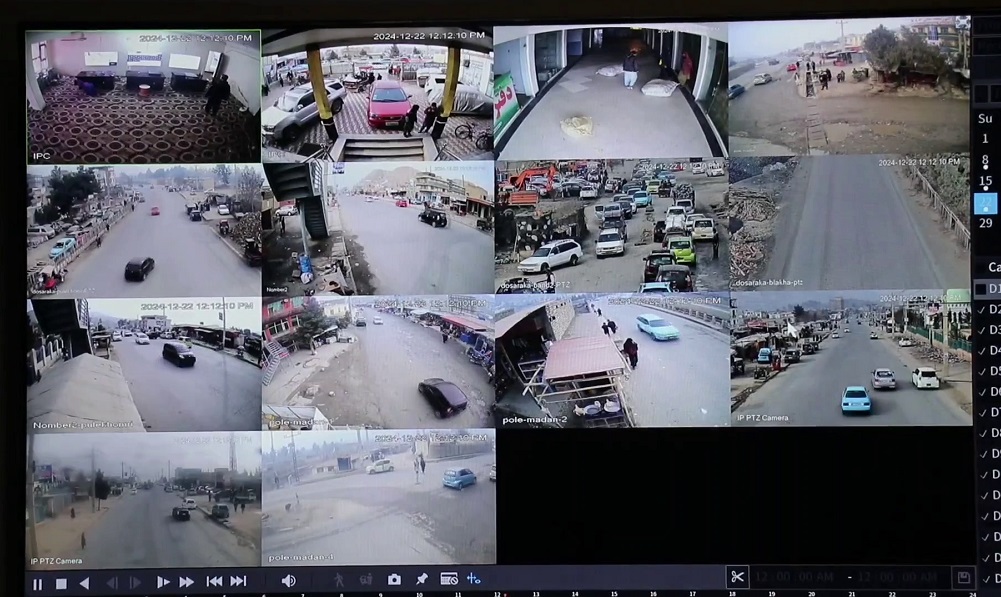
Baghlan security officials say they have installed more than 350 cameras, costing 20 million Afghanis, in different parts of provincial capital Pul-e-Khumri to prevent crime and identify criminals.
Previously, security cameras were installed in capital Kabul and several other provinces.
“350 security cameras have been installed in the Baghlan capital, known as Pul-e-Khumri city, and this is an effective measure in ensuring security,” said Abdul Haq Haqqani, the provincial police chief. “We also want to connect 15 districts to the center through cameras.”
Saifullah, in charge of protecting and monitoring the security cameras said: “Pul-e-Khumri is a crowded city and there are many markets, so it took a little longer to install the cameras.”
Residents of Pul-e-Khumri city and local officials consider the move important in preventing security incidents and crime and want the area covered by security cameras to be expanded.
“Security is provided from both sides, the people and the government,” said Mustafa Hashemi, director of information and culture in Baghlan. “If the people are not with the government, the government is nothing, and if the government is not with the people, the government will not survive. The government survives when the people and the government are united.”
Mohammad Hashim, a resident of Baghlan province, said: “Our demand is that cameras be installed in villages, streets and markets so that citizens and shopkeepers can live in security.”
Baghlan police say they will start installing security cameras in the districts as well.






Sport
Sorkh Poshan Khafi beat Toofan Herat 3-1 in Afghanistan Champions League
The win keeps Sorkh Poshan Khafi unbeaten in the competition and strengthens their position among the early leaders.
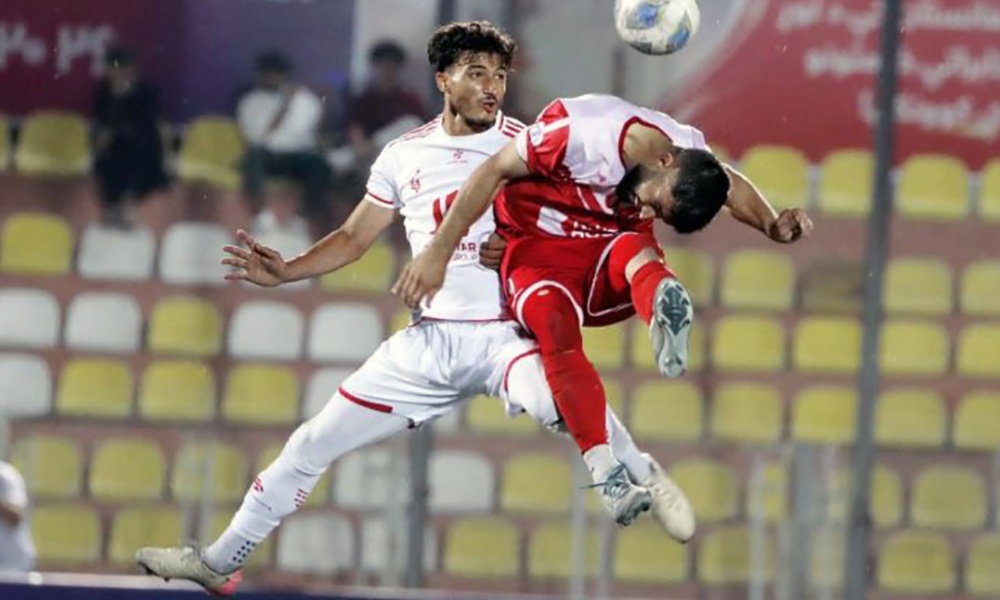
Sorkh Poshan Khafi continued their strong start to the sixth season of the Afghanistan Champions League with a 3-1 victory over Toofan Herat on Sunday.
The win keeps Sorkh Poshan Khafi unbeaten in the competition and strengthens their position among the early leaders.
Sorkh Poshan Khafi took control of the match and found the net three times, while Toofan Herat managed one goal in response.
Sorkh Poshan Khafi’s Yaser Safi was named Player of the Match following an impressive individual performance that helped his team secure another important victory.
Enayatullah Kohi scored the only goal for Toofan Herat, while Yaser Safi netted his team’s first goal. This was followed by Naweed Mahbobi’s goal and later Sahel Sarwari netted the third goal for Sorkh Poshan.
The result extends Sorkh Poshan Khafi’s winning run after they opened their campaign with victories over Aino Mina and Arman FC. They are also currently sitting at the top of the leader board with 9 points.
For Toofan Herat, the defeat is another setback after the side had started the competition with a win over Istiqlal Kabul. They will now look to respond in their next fixture and get their campaign back on track.
With three wins from three matches, Sorkh Poshan Khafi have made an impressive start to the Afghanistan Champions League and will be looking to maintain their momentum as the competition continues.
Live and exclusive on ATN
Ariana Television Network (ATN) is broadcasting all Afghanistan Champions League matches live and exclusively in Afghanistan.
Fans can follow ATN’s social media platforms for match schedules, live updates, results, highlights and other Afghanistan Champions League content throughout the season
Sport
ACL: Arman FC fight back to beat Khurasan Faryab 2-1
Arman responded strongly after the break, increasing the pressure and eventually finding the equaliser through Tanin Azizi.
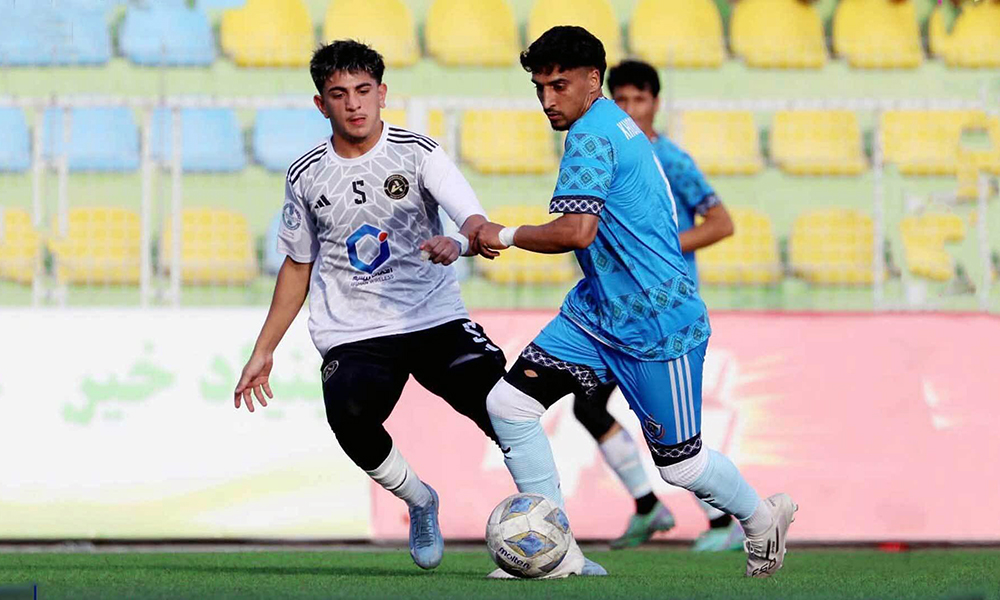
Arman FC staged a second-half comeback on Sunday to beat Khurasan Faryab 2-1 in the Afghanistan Champions League, ending a run of two consecutive defeats.
Khurasan Faryab took a 1-0 lead before half-time, putting Arman FC under pressure as they looked to avoid a third straight loss in the competition.
Arman responded strongly after the break, increasing the pressure and eventually finding the equaliser through Tanin Azizi.
The comeback continued as Suliman Aria scored Arman’s second goal to put his side ahead and complete the turnaround.
Aria was central to Arman’s response and was named the best player on the field after an influential display.
The victory gives Arman FC a valuable boost following their two previous defeats and allows the team to regain some momentum in the Afghanistan Champions League.
For Khurasan Faryab, the defeat came despite taking the lead into half-time, as Arman’s second-half performance turned the match around.
Arman will now look to build on the result in their next Champions League fixture as they seek to maintain their improved form.
Ariana Radio and Television Network (ATN) is broadcasting all ACL matches live and exclusively across Afghanistan. Fans can follow ATN social media pages for updated news, schedules and other information.


Sorkh Poshan Khafi beat Toofan Herat 3-1 in Afghanistan Champions League

ACL: Arman FC fight back to beat Khurasan Faryab 2-1

Tahawol: Impact of middle East war on Afghanistan

Pakistan says Kohat attackers had roots in Afghanistan

Saar: Pakistan blames Afghanistan for deadly attack

Four mediators struggle to secure lasting Pakistan-Afghanistan ceasefire

Syria and Saudi Arabia condemn Kabul bombing, express solidarity with Afghanistan

Afghanistan’s trade diversification challenges Pakistan

Saudi energy group signs major Afghanistan deals covering gas exploration and pipeline plans

ATN secures exclusive rights to broadcast T20I series in India across Afghanistan
Tahawol: Impact of middle East war on Afghanistan
Saar: Pakistan blames Afghanistan for deadly attack

Tahawol: Kabul’s warning over any threat from Pakistan discussed

Debate on Afghanistan and New Investment Opportunities

Tahawol: Reasons behind Qatari, Turkish security officials’ Kabul visit discussed
-
 Latest News5 days ago
UN warns of mounting humanitarian and human rights pressures in Afghanistan
-

 Regional5 days ago
Saudi Arabia calls alleged Mecca attack a ‘red line’ as Houthis deny involvement
-
 Latest News5 days ago
Five Years On: IEA touts economic growth despite international isolation
-
 Sport5 days ago
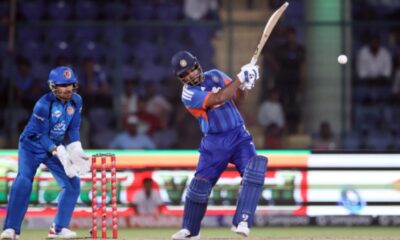
India take 2-0 lead in 3-match series against Afghanistan
-

 Latest News4 days ago
Five years out of school: Amnesty raises alarm over Afghan girls’ education
-
 Latest News4 days ago
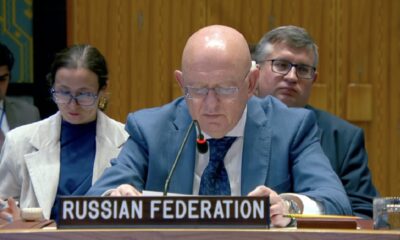
Russia urges dialogue and economic support for Afghanistan, warns against excessive pressure
-

 Sport4 days ago
ACL: Ariana Khost win, Aino Mina and Khurasan Faryab draw
-
 Latest News3 days ago
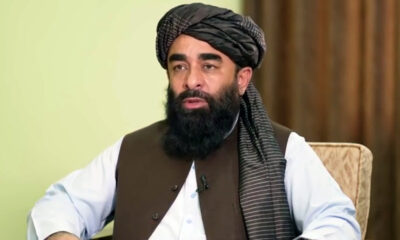
Afghanistan seeks stronger ties with Saudi Arabia, dialogue with Pakistan: Mujahid