
Business
Pakistan-Afghanistan trade falls 12% in July
Pakistan’s exports to Afghanistan were recorded at $102 million, a sharp 28 percent decline from $142 million in June.

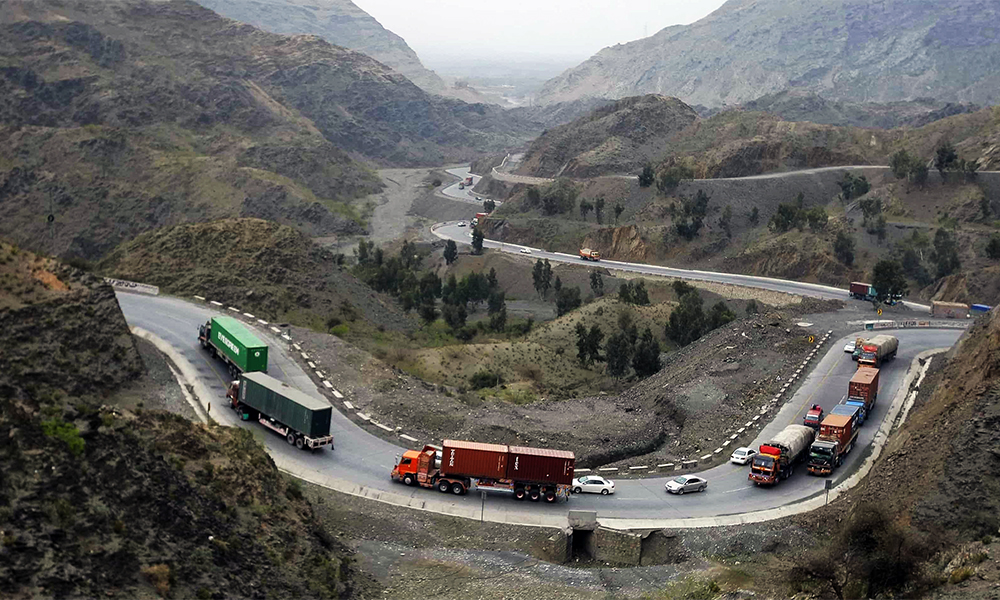
Pakistan-Afghan trade volume fell by 12 percent on a month-on-month basis in July 2025, while year-on-year figures showed a marginal two percent decline, according to official data.
Total bilateral trade dropped to $138 million in July, compared to $158 million in June 2025. On a yearly comparison, trade slipped slightly from $141 million in July 2024.
Pakistan’s exports to Afghanistan were recorded at $102 million, a sharp 28 percent decline from $142 million in June.
Compared with July last year, exports eased by two percent from $104 million. Imports from Afghanistan, however, surged on a monthly basis, rising 129 percent from $16 million in June to $37 million in July. Year-on-year, imports dipped by 3 percent from $38 million in July 2024.
Sector-wise, several Pakistani exports to Afghanistan showed strong growth.
Cement exports rose 182 percent year-on-year to $10.46 million in July 2025, while fruit and vegetable shipments climbed 215 percent to $9.63 million.
Exports of animal or vegetable oils increased 203 percent, iron and steel 180 percent, and prepared animal fodder and oil cakes 575 percent. Paper and paperboard sales more than doubled, and rice exports rose 11 percent to $19.44 million.
In contrast, sugar exports fell to zero in July, while miscellaneous food items and motorcycles dropped 82 percent, malt extracts 62 percent, and pharmaceutical products 10 percent.
On the import side, Pakistan’s purchases of Afghan agricultural products rose significantly.
Imports of grapes surged 562 percent, tomatoes 212 percent, apricots 116 percent, and cucumbers nine percent year-on-year. However, cotton imports declined 61 percent, coal 25 percent, oilseeds 52 percent, and cereals 24 percent.
Despite July’s slowdown, bilateral trade between Pakistan and Afghanistan showed strong growth in the previous fiscal year.
In FY2024-25, trade volume reached $1.99 billion, a 25 percent increase from $1.60 billion in FY2023-24. Pakistan’s exports drove much of this growth, rising 31 percent to $1.39 billion, while imports from Afghanistan increased 13 percent to $607 million.
Among the standout performers was sugar, whose exports skyrocketed by over 4,300 percent to $262.77 million in FY2024-25 from just $5.93 million a year earlier.



Business
Dogharoun handles 60% of Iran’s exports to Afghanistan
Modoudi invited machinery manufacturing companies in Iran to establish operations in the area.
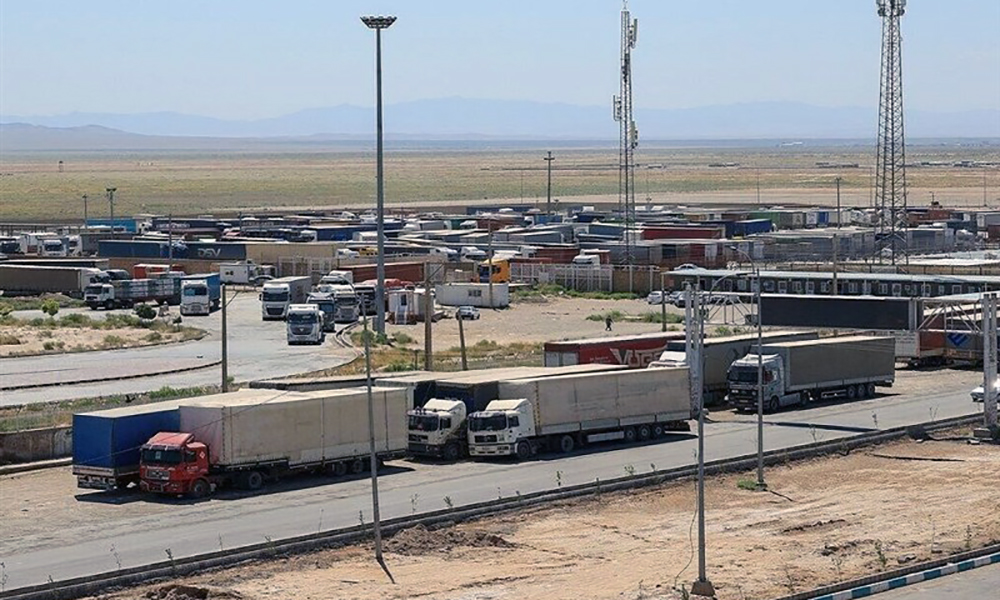
Mohammadreza Modoudi, CEO of the Dogharoon Free Zone, has criticized what he described as the neglect of Dogharoun’s potential, saying Iran ranks first among all countries in terms of exports of goods to Afghanistan.
He said 60 percent of this large volume of exports passes through the Dogharoun border crossing, adding that, despite this, the region’s significant potential has been overlooked.
Modoudi invited machinery manufacturing companies in Iran to establish operations in the area.
He said it is time to take a realistic approach and transform Dogharoun from a transit route into a major hub for production, value-chain development and a driving force for international trade.
Business
EU and FAO launch €5m programme to strengthen Afghanistan’s agrifood sector
FAO Representative in Afghanistan Richard Trenchard said agrifood businesses had shown potential to grow and create jobs despite difficult conditions.
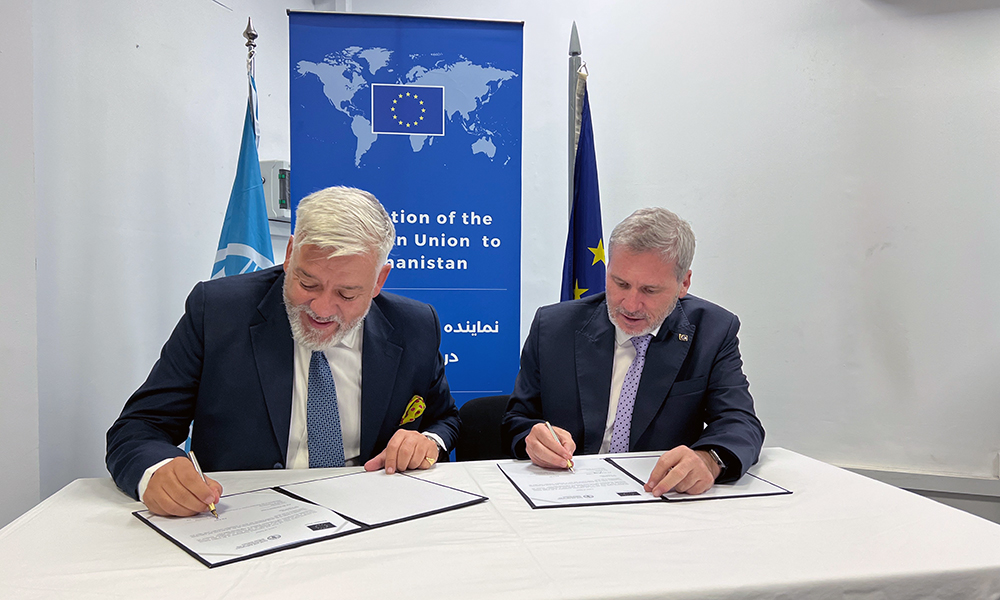
The European Union (EU) and the Food and Agriculture Organization of the United Nations (FAO) have launched a €5 million initiative to help Afghan farmers and agribusinesses access markets, improve incomes and withstand climate and economic shocks.
The programme will target vulnerable households, including returnees, internally displaced people and host communities, particularly in areas affected by food insecurity, climate risks and limited economic opportunities. Women and youth will be key beneficiaries.
Four one-stop service hubs will connect farmers and rural entrepreneurs with agricultural advice, specialised services, businesses and markets. Farmers will also gain access to FAO climate analysis and early-warning information to help them make timely production and marketing decisions.
The initiative will restore 2,000 hectares of degraded forests and rangelands and support 250 women- and community-led nurseries, combining environmental protection with new livelihood opportunities.
FAO will also provide matching grants and technical and business support to established agrifood and environmentally sustainable enterprises with growth potential. Participating businesses will contribute their own resources, helping expand processing, source from more local farmers and create rural jobs.
Nicola Bellomo, the EU’s new Chargé d’Affaires for Afghanistan, said the programme reflected the EU’s commitment to food security and economic empowerment.
“Afghanistan’s agricultural potential remains undervalued and constrained by the country’s extreme climate vulnerability,” Bellomo said, adding that the partnership would strengthen agricultural services, support agribusiness growth and promote nature-based solutions.
FAO Representative in Afghanistan Richard Trenchard said agrifood businesses had shown potential to grow and create jobs despite difficult conditions.
“When farmers can produce with confidence, businesses can grow and products can reach markets, agriculture becomes a powerful engine for recovery and resilience,” he said.
Business
UAE firm eyes investment in Salang’s second tunnel and pharmaceutical factories
The proposals will be submitted to the Inter-Ministerial Investment Committee for further review and discussion.
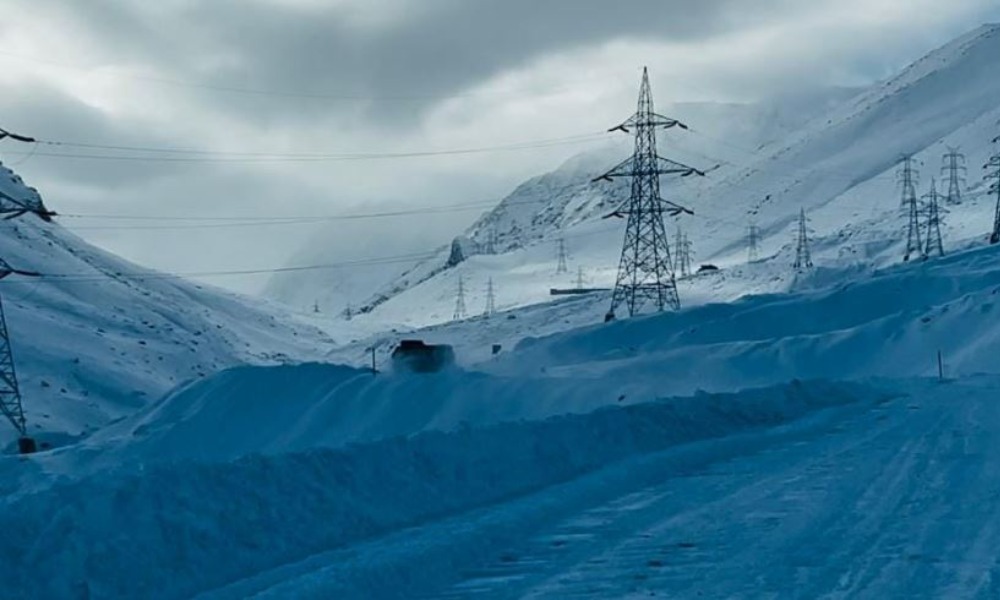
A United Arab Emirates-based company, HHM Global Industry Group, has expressed interest in investing in the construction of the second Salang Tunnel and establishing pharmaceutical factories in Afghanistan.
The issue was discussed at a regular meeting of the Inter-Ministerial Investment Committee, held on September 8, 2026, at the Marble Palace under the Economic Deputy Office of the Prime Minister’s Office.
The committee welcomed the company’s interest in investing in Afghanistan and assured its representatives that the relevant ministries and government agencies are prepared to provide comprehensive cooperation.
Following extensive discussions, company officials were asked to prepare detailed investment proposals for the construction of the second Salang Tunnel, pharmaceutical manufacturing facilities, as well as other potential investment projects.
The proposals will be submitted to the Inter-Ministerial Investment Committee for further review and discussion.
If implemented, the proposed investments could contribute to the development of Afghanistan’s transport infrastructure and strengthen domestic pharmaceutical production.


Afghanistan to face Japan and Nepal in Asian Games cricket group stage

Four-day polio vaccination campaign begins across Afghanistan

Humanoid robot sales tally hit 7,000 globally last year

Ariana Afghan Airlines Boeing 737-300 cargo plane arrives in Kabul

Iran and US trade threats after Houthi attacks escalate regional conflict

Four mediators struggle to secure lasting Pakistan-Afghanistan ceasefire

Afghanistan’s trade diversification challenges Pakistan

Saudi energy group signs major Afghanistan deals covering gas exploration and pipeline plans

ATN secures exclusive rights to broadcast T20I series in India across Afghanistan

Afghanistan squad announced for three-match T20I series against India

Tahawol: Impact of middle East war on Afghanistan

Saar: Pakistan blames Afghanistan for deadly attack

Tahawol: Kabul’s warning over any threat from Pakistan discussed

Debate on Afghanistan and New Investment Opportunities

Tahawol: Reasons behind Qatari, Turkish security officials’ Kabul visit discussed
-

 Latest News4 days ago
Five years out of school: Amnesty raises alarm over Afghan girls’ education
-
 Latest News4 days ago
Russia urges dialogue and economic support for Afghanistan, warns against excessive pressure
-

 Sport5 days ago
ACL: Ariana Khost win, Aino Mina and Khurasan Faryab draw
-
 Latest News3 days ago
Afghanistan seeks stronger ties with Saudi Arabia, dialogue with Pakistan: Mujahid
-
 Regional4 days ago
US officials met Iran-backed Houthis in Oman over the weekend
-
 Latest News5 days ago
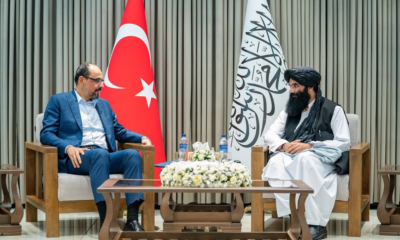
Sirajuddin Haqqani meets Turkish intelligence chief
-

 Tahawol5 days ago
Tahawol: Afghanistan’s readiness for US relations discussed
-
 Latest News4 days ago
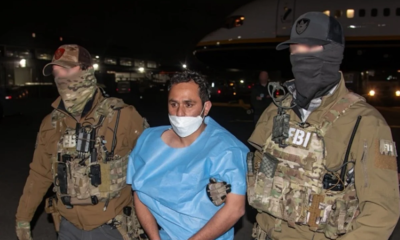
US sentences Afghan man to 20 year in case linked to 2021 Kabul airport bombing