
Health
Afghan health minister hails India’s support, calls medical visas vital for patients
Jalali said India is planning to build a 30-bed hospital in Kabul’s Bagrami district, which is expected to include an oncology center, a trauma unit, and maternal and child healthcare clinics.

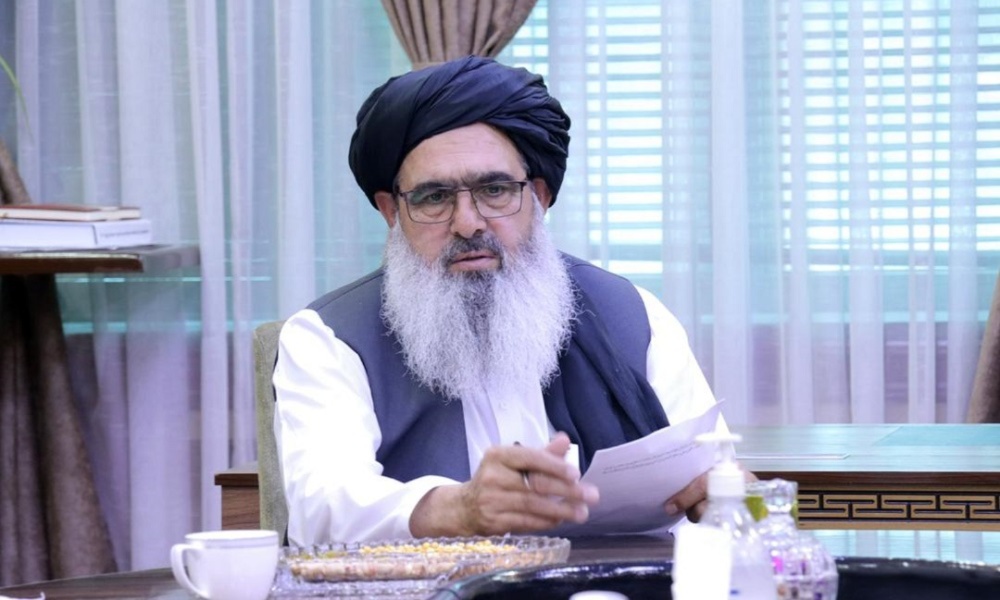
Afghanistan’s Minister of Public Health, Noor Jalal Jalali, has praised India’s long-standing support for Afghanistan’s healthcare sector, describing Indian medical visas as a “vital humanitarian channel” for Afghan patients.
In an interview with an Indian television network, during his official visit to New Delhi, Jalali said Afghans have long relied on India for medical treatment, noting that the facilitation of medical visas has enabled thousands of patients to access advanced healthcare services in recent years.
He welcomed India’s contributions to Afghanistan’s health infrastructure, highlighting the Indira Gandhi Institute of Child Health in Kabul as one of the country’s most important pediatric hospitals.
India has supported the facility through the establishment of a thalassemia center, a modern diagnostic unit, upgrades to heating systems, and plans to provide a CT scan machine.
Jalali said India is also planning to build a 30-bed hospital in Kabul’s Bagrami district, which is expected to include an oncology center, a trauma unit, and maternal and child healthcare clinics.
He added that India has fitted around 75 Afghan patients with prosthetic limbs under the Jaipur Foot program and donated 20 ambulances.
During talks with India’s Minister of Health and Family Welfare, Jalali called for expanded cooperation in medical equipment, pharmaceutical regulation, training of healthcare workers, and the supply of essential medicines, particularly cancer drugs. He said India has pledged to provide these medicines on an urgent basis.
The Afghan health minister stressed the importance of capacity building, including training Afghan doctors in India and deploying Indian medical teams to Afghanistan.
He also said agreements have been reached to cooperate in traditional medicine, including Ayurveda and Unani practices, with plans to establish a Traditional Medicine Institute and Research Center in Afghanistan.
Jalali noted that Afghanistan has diversified its pharmaceutical import routes to ensure a steady supply of medicines and address concerns over counterfeit and substandard drugs through stronger regulation.
He described Afghanistan–India relations as people-centric and rooted in humanitarian values, expressing hope that cooperation in healthcare, pharmaceuticals, and medical infrastructure will continue to deepen.






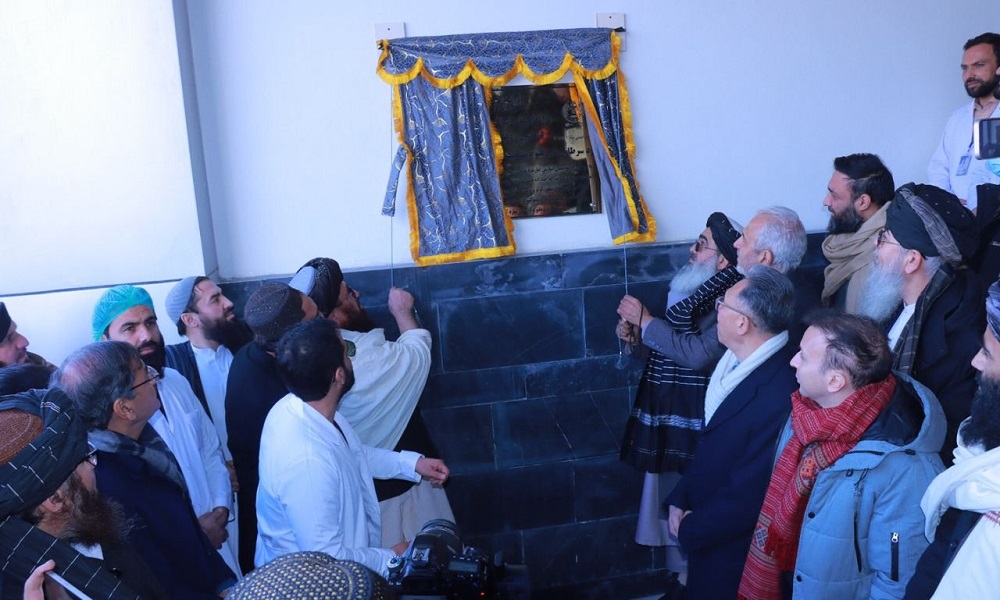
The Ministry of Public Health announced on Thursday that Afghanistan has inaugurated its first national hospital dedicated to the diagnosis and treatment of cancer, marking a major step forward in the country’s healthcare services.
The facility, named the National Cancer Diagnostic and Therapeutic Hospital, has officially begun operations and will provide specialized care for cancer patients across the country.
Speaking at the inauguration ceremony, Public Health Minister Noor Jalal Jalali said the 200-bed hospital aims to offer hope and improved treatment options for patients suffering from cancer.
“Fortunately, we are jointly opening a 200-bed hospital for cancer patients, and we hope that this hospital will become a source of hope and healing for those in need,” Jalali said.
The minister added that specialized training programs will soon be launched at the hospital to educate and train domestic medical specialists. He noted that reforms have already been implemented to improve facilities and ensure better healthcare services.
Jalali also emphasized international cooperation in the project, saying that radiotherapy services will be introduced at the hospital with support from India. According to the ministry, India has so far provided $1 million in assistance, including 10 tons of medicines and medical equipment, to support cancer treatment in Afghanistan.
The opening of the hospital is expected to reduce the need for Afghan patients to seek costly cancer treatment abroad and improve access to specialized care inside the country.
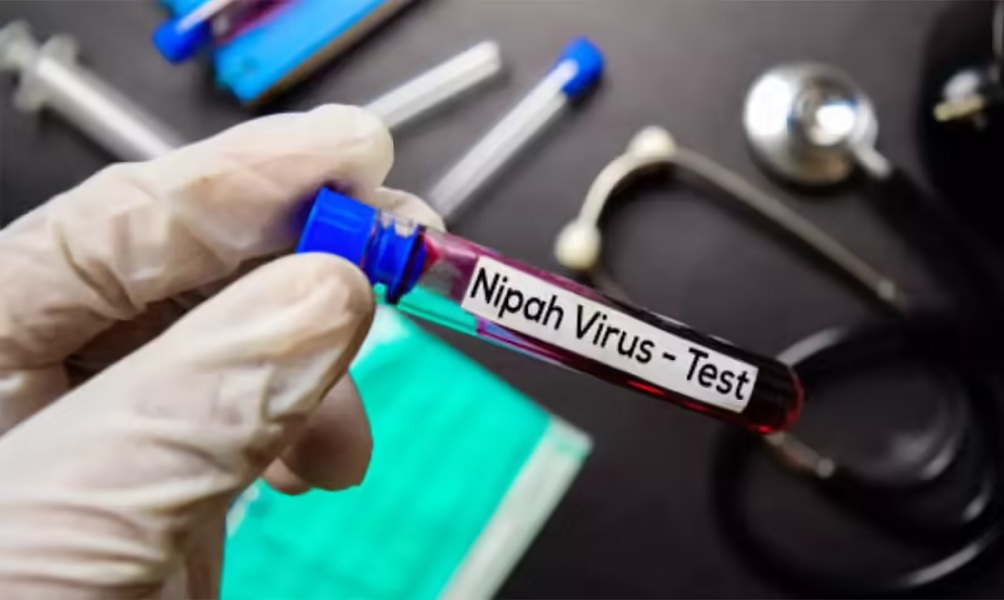
Authorities in Pakistan have ordered enhanced screening of people entering the country for signs of infections of the deadly Nipah virus after India confirmed two cases, adding to the number of Asian countries stepping up controls.
Thailand, Singapore, Hong Kong, Malaysia, Indonesia and Vietnam have also tightened screening at airports, Reuters reported.
The Nipah virus can cause fever and brain inflammation and has a high mortality rate. There is also no vaccine. But transmission from person to person is not easy and typically requires prolonged contact with an infected individual.
“It has become imperative to strengthen preventative and surveillance measures at Pakistan’s borders,” the Border Health Services department said in a statement.
“All travelers shall undergo thermal screening and clinical assessment at the Point of Entry,” which includes seaports, land borders and airports, the department added.
The agency said travellers would need to provide transit history for the preceding 21-day period to check whether they had been through “Nipah-affected or high-risk regions”.
There are no direct flights between Pakistan and India and travel between the two countries is extremely limited, particularly since their worst fighting in decades in May last year.
In Hanoi, the Vietnamese capital’s health department on Wednesday also ordered the screening of incoming passengers at Noi Bai airport, particularly those arriving from India and the eastern state of West Bengal, where the two health workers were confirmed to have the virus in late December.
Passengers will be checked with body temperature scanners to detect suspected cases. “This allows for timely isolation, epidemiological investigation,” the department said in a statement.
That follows measures by authorities in Ho Chi Minh City, Vietnam’s largest city, who said they had tightened health controls at international border crossings.
India’s health ministry said this week that authorities have identified and traced 196 contacts linked to the two cases with none showing symptoms and all testing negative for the virus.
Nipah is a rare viral infection that spreads largely from infected animals, mainly fruit bats, to humans. It can be asymptomatic but it is often very dangerous, with a case fatality rate of 40% to 75%, depending on the local healthcare system’s capacity for detection and management, according to the World Health Organization.
The virus was first identified just over 25 years ago during an outbreak among pig farmers in Malaysia and Singapore, although scientists believe it has circulated in flying foxes, or fruit bats, for thousands of years.
The WHO classifies Nipah as a priority pathogen. India regularly reports sporadic infections, particularly in the southern state of Kerala, regarded as one of the world’s highest-risk regions for Nipah.
As of December 2025, there have been 750 confirmed Nipah infections globally, with 415 deaths, according to the Coalition for Epidemic Preparedness Innovations, which is funding a vaccine trial to help stop Nipah.
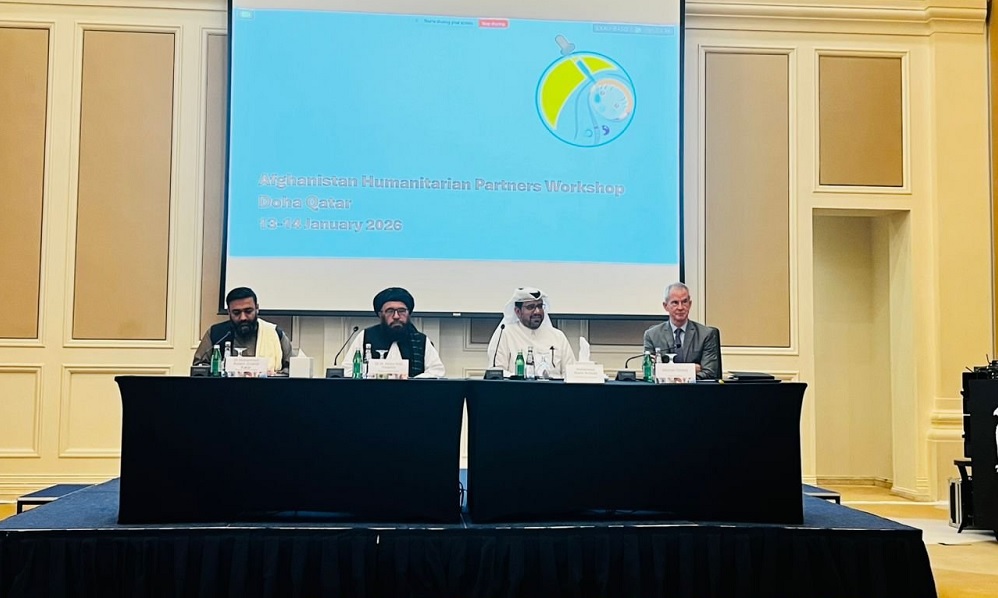
Abdul Wali Haqqani, Afghanistan’s Deputy Public Health Minister for Health Services, has called for increased international assistance to strengthen the country’s health sector, stressing the need for sustained and growing financial support.
Speaking at the an international conference in Qatar, Haqqani highlighted critical needs in vaccination programs, primary healthcare, maternal and child health, and preparedness for emergency and epidemic diseases.
He emphasized that aligning international health assistance with Afghanistan’s national health policy would not only improve service quality but also ensure more effective and transparent management of resources.
The deputy minister added that the Ministry of Public Health views such global forums as vital for enhancing cooperation, building trust, and delivering equitable and sustainable healthcare services to the Afghan population.


Tahawol: IEA calls UNSC’s Daesh concerns baseless

IEA ambassador meets top Chinese diplomat for Asia

Saar: Afghanistan’s role in regional affairs discussed

Afghanistan facing deepening hunger crisis after US Aid Cuts: NYT reports

US, Ukraine, Russia delegations agree to exchange 314 prisoners, says Witkoff

Turkey withdraws from Afghanistan-Pakistan mediation amid rising tensions

ICG report says Pakistan most impacted by IEA’s return in Afghanistan

Afghanistan–China joint market opens in Kabul

Pakistan approves re-export of stranded Afghan transit trade cargo

ATN secures broadcast rights to Carabao Cup semis across Afghanistan
Tahawol: IEA calls UNSC’s Daesh concerns baseless
Saar: Afghanistan’s role in regional affairs discussed

Tahawol: Discussion on UNSC meeting on Daesh threats

Saar: Rising expectations for US-Iran talks in Oman

Tahawol: Regional security concerns regarding Afghanistan reviewed
-

 Sport5 days ago
AFC Futsal Asian Cup: Afghanistan to face Iran in crucial Group D clash
-

 Sport4 days ago
AFC Futsal Asian Cup 2026: Final eight confirmed
-

 Sport4 days ago
Afghanistan in new kit for T20 World Cup warm-up against Scotland
-

 Sport4 days ago
Iran see off spirited Afghanistan to finish top of Group D
-

 Sport2 days ago
Japan trumps Afghanistan 6-0 in AFC Futsal Asian Cup quarter-final
-

 Sport2 days ago
Hosts and heavyweights advance as AFC Futsal Asian Cup reaches semifinals
-
 Regional5 days ago
Gas leak caused blast in Iran’s Bandar Abbas, Iranian media say
-

 International Sports3 days ago
Pakistan to boycott T20 World Cup group match against India