
Latest News
Afghanistan harvested 40 metric tons of saffron last year: Agriculture ministry


Ghulam Mohammad Kazim Shahamat, spokesman for the Ministry of Agriculture, Irrigation, and Livestock, says saffron cultivation and production is on the rise in Afghanistan, with output reaching 40 metric tons last year and efforts to further expand the sector ongoing.
According to Shahamat, effective steps have been taken to promote the cultivation and production of saffron in the country.
He emphasized that saffron is one of Afghanistan’s key export commodities, and for that reason, practical and technical support to farmers continues.
“According to the Ministry of Agriculture’s statistics, in the year 1403 [solar year], the total area under saffron cultivation in 30 provinces of the country reached 9,500 hectares. From these fields, approximately 40 metric tons of saffron were harvested in total, with Herat province leading the way, producing 90 percent of the country’s total saffron yield,” he added.
According to data from the Ministry of Industry and Commerce, Afghanistan exported saffron worth $39 million last year. However, this figure represents an 8 percent decrease compared to the previous year.
Meanwhile, some experts have said that the expansion of saffron cultivation not only creates job opportunities for the people but also strengthens the national economy.
Meanwhile, industry stakeholders are calling on the Islamic Emirate to make greater efforts in marketing Afghan saffron.
Some economic analysts believe that before focusing on the cultivation and production of agricultural goods, the government should prioritize marketing strategies so that products can quickly reach markets after harvest and farmers do not incur losses.
Afghan saffron is exported to countries such as India, Spain, Saudi Arabia, the United States, the United Arab Emirates, France, Australia, Turkey, and several others. However, financial restrictions and the lack of direct trade relations with the world have also negatively affected this sector.

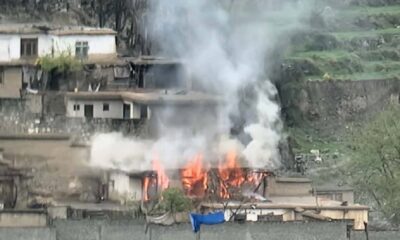



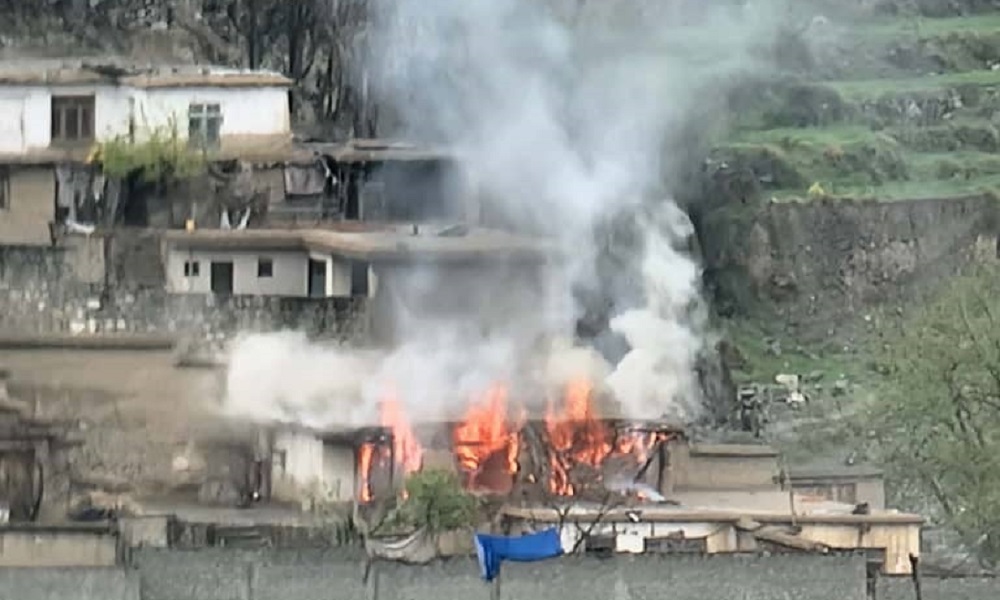
Farid Dehqan, spokesperson for the Khas Kunar police command, said that rocket attacks by the Pakistani military regime are still ongoing in the province.
These attacks come despite earlier announcements by the Pakistani military of a temporary ceasefire for Eid.
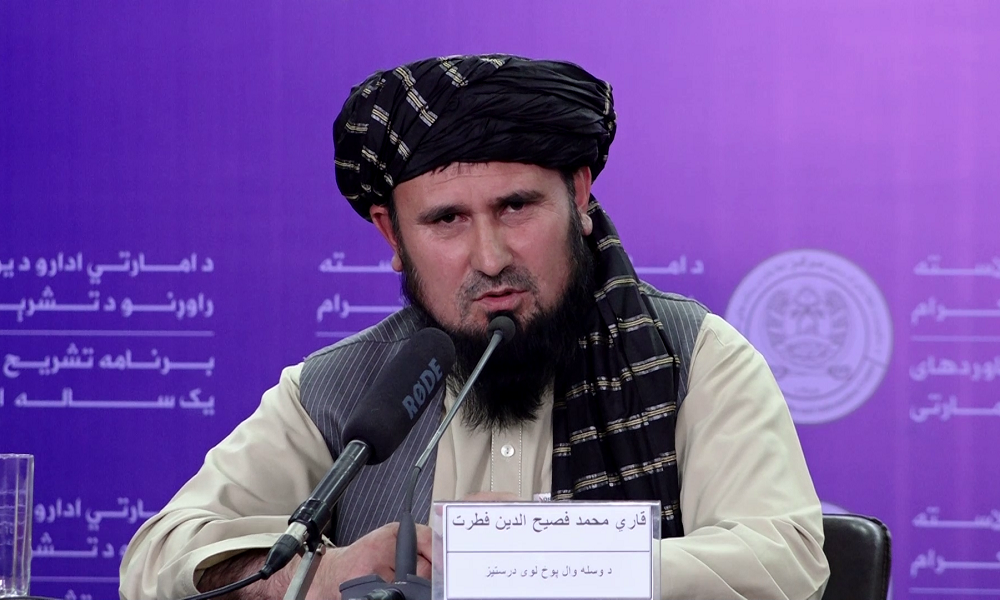
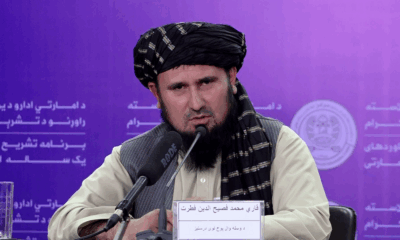
Afghanistan’s Chief of Armed Forces, Fasihuddin Fitrat, said in his Eid message that Pakistan’s military regime has violated the ceasefire along the Durand line.
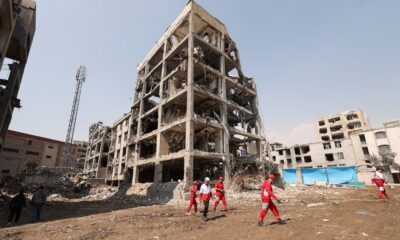
According to the Eid message released by the Ministry of Defense, several civilians were killed in attacks carried out by Pakistani forces in border areas.
Fitrat added that the continuation of Pakistan’s attacks despite the ceasefire “demonstrates a lack of commitment and deception” on the part of the country.
He stressed that the Islamic Emirate has refrained from retaliatory action in order to prevent further deterioration of the situation and has remained committed to the ceasefire.
However, he warned that if such attacks are repeated, “the ceasefire will become meaningless,” and the Islamic Emirate will deliver a “decisive response” to Pakistan’s actions.
It is worth noting that the Islamic Emirate and Pakistan reached a temporary ceasefire on the occasion of Eid al-Fitr through mediation by Qatar, Turkey, and Saudi Arabia.
Latest News
Security Sources: Pakistani military shelling in Kunar and Nuristan leaves female doctor dead
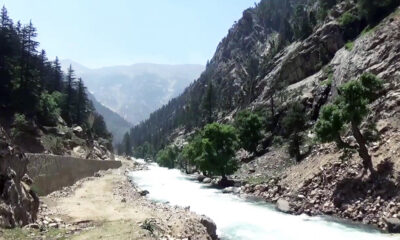
The sources said the vehicle was struck by gunfire and subsequently fell into the Kunar River.
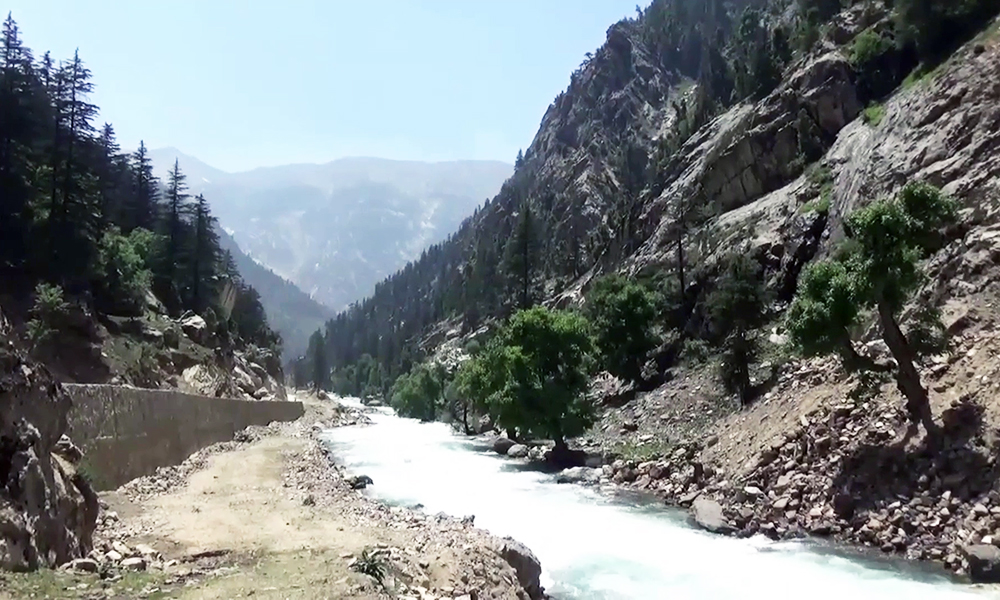
Security sources report that several security incidents in the eastern provinces of Kunar and Nuristan have resulted in the death of a female doctor, injuries to others, and several people reported missing.
According to the sources, early Thursday morning at around 9:30 a.m., Pakistani military forces opened fire on a Toyota vehicle in the Dokalam Baghcha area of Nari district in Kunar province.
The sources said the vehicle was struck by gunfire and subsequently fell into the Kunar River. As a result of the incident, a female doctor was killed and another person was injured. Five other individuals who were reportedly in the vehicle remain missing, the sources added.
In a separate incident, security sources stated that around 11:00 a.m. in the Seno area of Shultan district, Kunar province, Pakistani forces carried out artillery shelling that left one person injured. The injured individual was transferred to the provincial hospital for medical treatment.
Meanwhile, security sources in Nuristan say that despite Pakistan’s announced ceasefire, the main road between Kamdesh and Barg-e-Matal districts has been completely closed to traffic since Thursday morning.
According to the sources, the closure of the route has caused serious difficulties for local residents, preventing any movement in the area. The sources also claim that Pakistani military posts are located within close proximity of the road and have opened fire on people attempting to pass through the area.


Afghanistan national buzkashi falls short in Kokpar World Championship semifinals

Pakistan’s rocket attacks still ongoing on Nari district, Kunar

FIFA Council highlights football’s role in peace, announces record investments

FIFA sanctions Israeli Football Association over discrimination violations

IEA defense ministry accuses Pakistan of ceasefire violations

Pakistani military jet downed in Afghanistan’s Jalalabad, pilot captured alive

Afghan Air Force conducts airstrikes in Islamabad, other cities

Afghanistan welcomes investment and technology partnerships with India

Prominent Muslim scholar issues fatwa calling for Afghanistan-Pakistan ceasefire

Afghan air force strikes key Pakistani military installations in retaliatory operation

Tahawol: Temporary ceasefire draws broad support

Saar: Emphasis on resolving conflicts through diplomacy

Tahawol: Global reactions to Pakistan’s recent attacks discussed

Saar: Consequences of Pakistani airstrikes on Afghans discussed

Tahawol: Pakistan’s new attacks on Kabul hospital discussed
-
 Latest News4 days ago
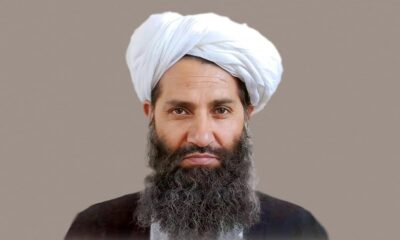
IEA Supreme Leader issues Eid-ul-Fitr message urging unity and support for Islamic system
-
 Latest News5 days ago
Afghan airstrike targets a military camp in South Waziristan
-

 Business4 days ago
Turkmenistan, Afghanistan discuss steps to speed up land acquisition for TAPI pipeline
-

 Sport5 days ago
IPL 2026 kicks off in under two weeks; Afghan players set to shine
-
 Latest News2 days ago
IEA announces temporary pause in defensive operations against Pakistan for Eid
-
 Sport3 days ago
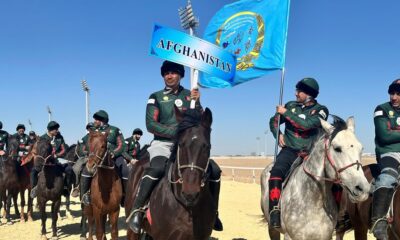
Afghanistan national buzkashi team defeats Hungary 14–0
-
 Latest News2 days ago
Pakistan opposes normal Afghanistan–India relations: Shaheen
-

 Latest News4 days ago
CAIR-Texas calls for probe after Afghan refugee dies in ICE custody