
Latest News
Amnesty international urges Pakistan to halt Afghan deportations
Amnesty International said that all Afghan nationals are required to leave the cities of Islamabad and Rawalpindi by 31 March

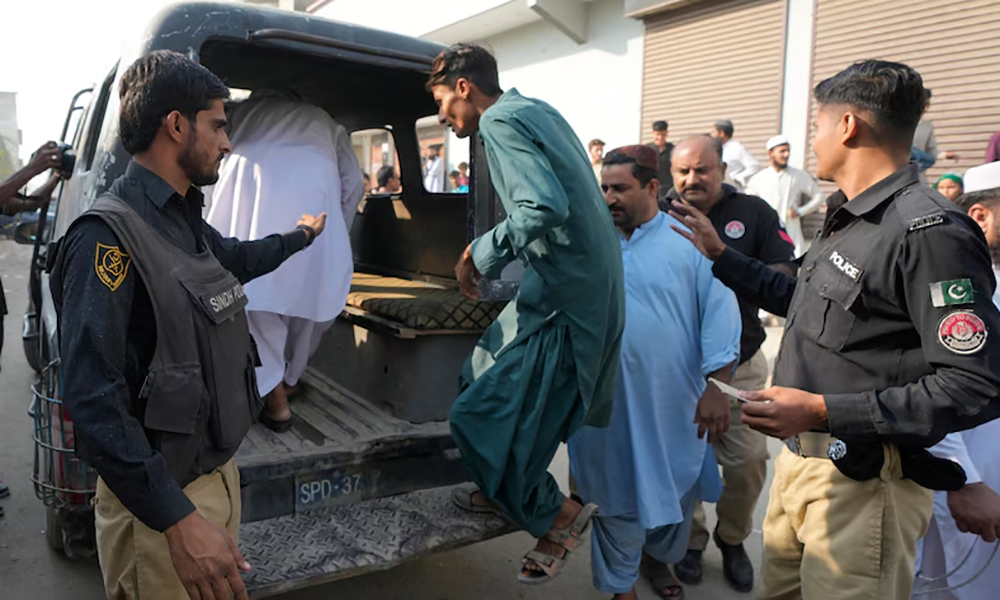
Amnesty International on Wednesday called on Pakistan to immediately withdraw its “Illegal Foreigners Repatriation Plan”, which primarily targets Afghan refugees, ahead of the authorities’ 31 March deadline.
Pakistani government has asked all “illegal foreigners” and Afghan Citizen Card holders to leave the country before March 31, warning they would otherwise be deported from April 1.
Amnesty International said that all Afghan nationals are required to leave the cities of Islamabad and Rawalpindi by 31 March
It said that “arbitrarily and forcibly expelling Afghan nationals, including refugees and asylum seekers, will only add to their plight”.
“The Pakistani government’s unyielding and cruel deadline, which is less than a week away, to remove Afghan refugees and asylum seekers from two major cities, resulting in the deportation of many at risk, shows little respect for international human rights law, particularly the principle of non-refoulement,” said Isabelle Lassée, deputy regional director for South Asia at Amnesty International.
The exact details of the Pakistan government’s ‘Illegal Foreigners Repatriation Plan’ used for deportations has never been made public, but it comes amid a campaign to wrongfully demonize Afghan nationals as so-called criminals and terrorists, Amnesty said.
Isabelle Lassée said that the Pakistani government is only making “a scapegoat of a community that has long been disenfranchised and fleeing persecution.”
Human rights lawyer Moniza Kakar pointed out that forcing Afghan refugees to relocate even within Pakistan is devastating for families. “Many PoR card holders are people who’ve been here for decades, asking them to relocate means you’re asking them to leave homes, businesses, communities and lives they’ve built for years,” she said.
Lawyer Umer Gillani, who has challenged the deportation orders in Pakistan’s Supreme Court and Islamabad High Court, argued that the March 31 deadline was not legally enforceable. “The official notification has not been issued under any particular law; it is just an executive instruction,” he stated.
Meanwhile, the International Organization for Migration (IOM) reported a sharp decline in Afghan returns and deportations during the first half of March. Between March 1 and 15, returns dropped by 67 per cent, while deportations fell by 50 per cent compared to the previous reporting period (February 16-28).










Latest News
Pakistan to repatriate nearly 20,000 Afghans awaiting US resettlement
Authorities will also share verified data of the affected individuals with relevant departments to support implementation.
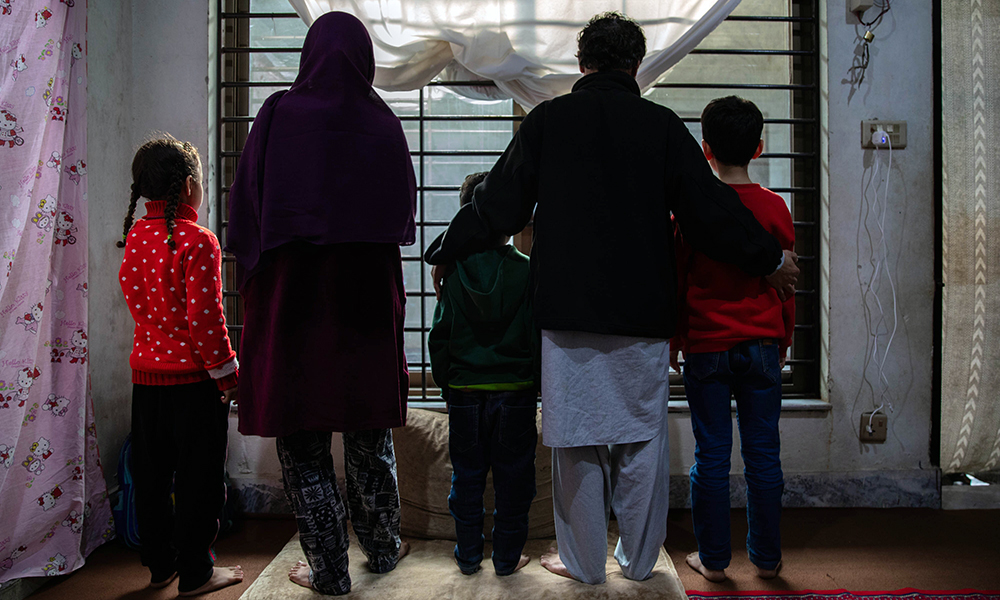
Pakistan will repatriate nearly 20,000 Afghan nationals currently awaiting resettlement in the United States, The Nation reported, citing official sources.
The move affects 19,973 Afghans living across Pakistan.
A federal directive will instruct provincial chief secretaries and police chiefs in Punjab, Sindh, Khyber Pakhtunkhwa, Balochistan, Azad Kashmir, Gilgit-Baltistan, and the Islamabad Capital Territory to begin the repatriation process immediately.
Authorities will also share verified data of the affected individuals with relevant departments to support implementation.
Following the Islamic Emirate’s return to power in 2021, more than 100,000 Afghans fled to Pakistan, many of whom had worked with the US and UK governments, international organizations, or aid agencies.
Thousands have remained stranded in Pakistan for over four years while awaiting US resettlement clearance.
Prospects for relocation have dimmed amid a suspension of case processing by the US administration, according to The Nation.
Under Pakistan’s Illegal Foreigners Repatriation Plan (IFRP), all Afghan nationals still awaiting US relocation will now be returned to Afghanistan.
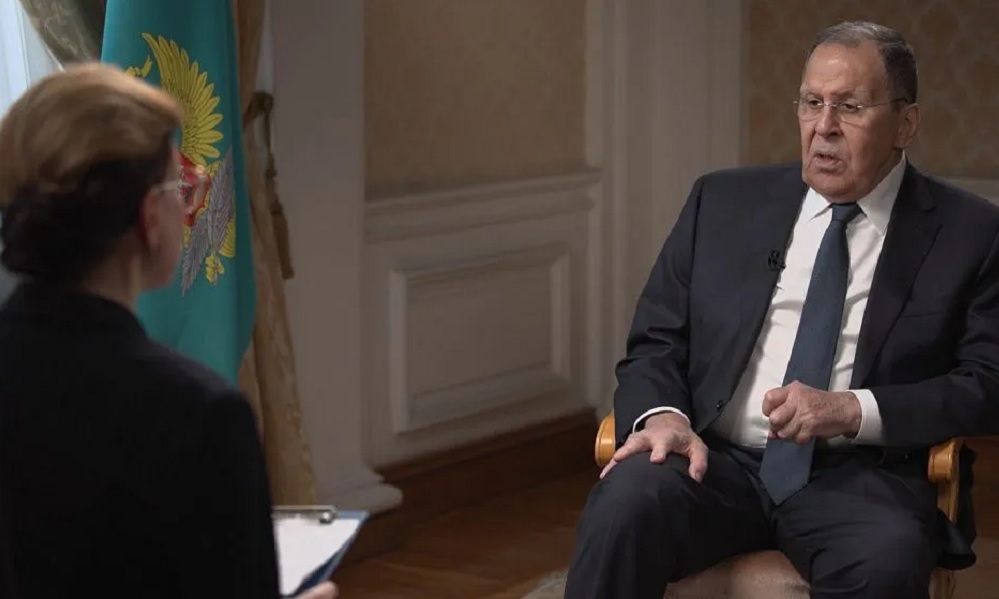
Terrorist activities continue to be observed along Afghanistan borders and along the India–Pakistan–Afghanistan corridor, Russian Foreign Minister Sergei Lavrov said in an interview published on Monday.
Speaking to Russia-based media outlet TV BRICS, Lavrov pointed to ongoing concerns in the Middle East, including its Asian regions.
He highlighted the importance of collaboration with India at the United Nations to advance a global counter-terrorism convention.
Lavrov stated that while the draft convention has already been prepared, consensus on its adoption has not yet been reached.
Russia has repeatedly expressed concern about militant threats from Afghanistan. The Islamic Emirate, however, has dismissed the concerns saying that it will not allow Afghanistan’s soil to be used against any country.
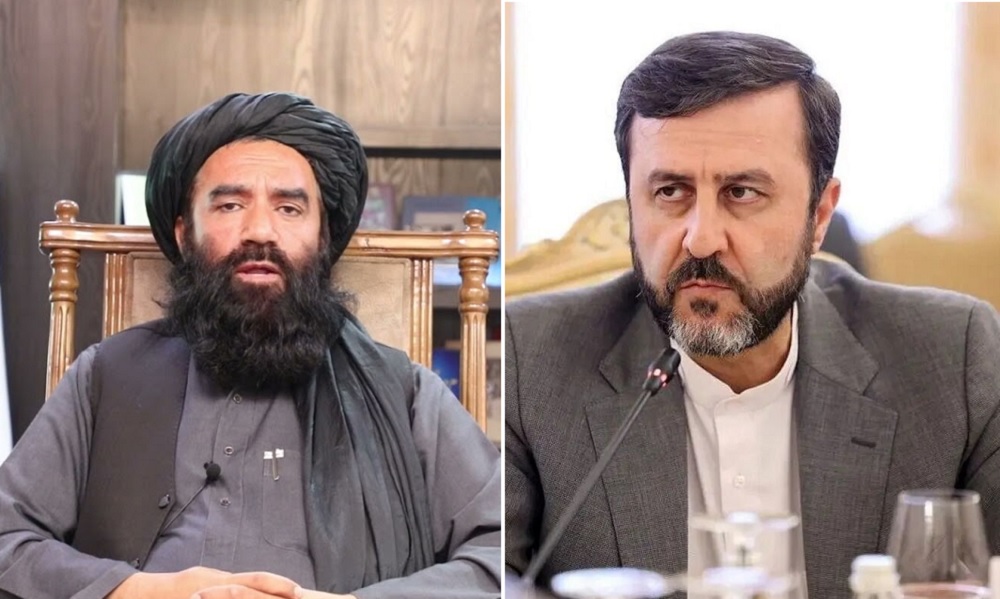
Noorullah Noori, Afghanistan’s Minister of Borders and Tribal Affairs, held a phone conversation with Kazem Gharibabadi, Iran’s Deputy Foreign Minister for Legal and International Affairs, to discuss bilateral border cooperation.
According to the Iranian news agency IRNA, both sides reaffirmed their commitment to strengthening border collaboration, with a particular focus on the ongoing renovation and updating of border markers. They also agreed to accelerate joint technical and legal meetings to enhance coordination.
As part of the agreement, the next meeting of senior border officials from Afghanistan and Iran is scheduled to take place in Iran in 1405 (2026–2027).


Tahawol: Pakistan’s Foreign Policy Failure of Towards Afghanistan discussed

Saar: Regional Problems, Opportunities, and Challenges discussed

Pakistan to repatriate nearly 20,000 Afghans awaiting US resettlement

Terrorist activities observed along Afghanistan borders, says Lavrov

Afghan border minister holds phone talks with Iran’s deputy foreign minister

Afghanistan–China joint market opens in Kabul

Pakistan approves re-export of stranded Afghan transit trade cargo

ATN secures broadcast rights to Carabao Cup semis across Afghanistan

Pakistan army orders evacuation of Tirah Valley, fears of mass displacement grow

Afghan traders sign deal to import pharmaceuticals from Bangladesh
Tahawol: Pakistan’s Foreign Policy Failure of Towards Afghanistan discussed
Saar: Regional Problems, Opportunities, and Challenges discussed

Saar: Afghanistan’s relations and opportunities with regional countries

Tahawol: Kabul’s response to Pakistan’s new accusation discussed

Saar: Discussion on Iran-US talks in Oman
-
 Latest News3 days ago
Afghanistan to grant one- to ten-year residency to foreign investors
-
 Latest News5 days ago
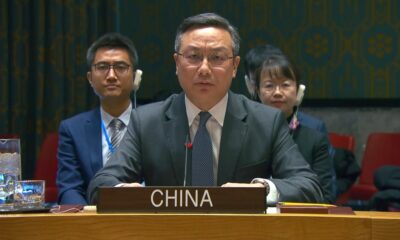
Terrorist threat in Afghanistan must be taken seriously, China tells UNSC
-

 Sport4 days ago
Indonesia shock Japan to reach historic AFC Futsal Asian Cup final
-

 Sport5 days ago
Milano Cortina 2026 Winter Olympics: What You Need to Know
-

 Sport3 days ago
Iran clinch AFC Futsal Asian Cup 2026 in penalty shootout thriller
-

 Latest News5 days ago
US Justice Department to seek death penalty for Afghan suspect in National Guard shooting
-
 Latest News3 days ago
Afghanistan says Pakistan is shifting blame for its own security failures
-
 Latest News5 days ago
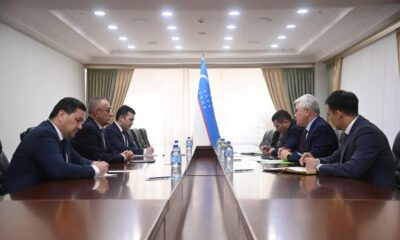
Uzbekistan, Kazakhstan discuss cooperation on Afghanistan