
Latest News
CAIR-CA calls on Trump to lift new immigration ban on Afghan nationals
Ayloush added that Trump’s subsequent statement about pausing immigration from “third world countries” further endangers vulnerable communities and fuels discrimination.


The California chapter of the Council on American-Islamic Relations (CAIR-CA) has urged the Trump administration to immediately lift its newly imposed suspension on all immigration and visa processing for Afghan nationals, calling the move “collective punishment” that could jeopardize tens of thousands of refugees, asylum seekers, and families awaiting reunification.
The administration’s sweeping restrictions were announced after the arrest of Rahmanullah Lakanwal, a 29-year-old Afghan national accused of fatally shooting one National Guard specialist and injuring another near the White House on November 26.
Lakanwal, who entered the United States in 2021 under Operation Allies Welcome, pleaded not guilty on Tuesday to charges including first-degree murder and assault with intent to kill. Appearing remotely from a hospital bed, he told the judge he was in severe pain. His attorney entered the plea on his behalf.
According to D.C. police, Lakanwal allegedly opened fire on a group of Guardsmen while shouting “Allahu Akbar,” killing Specialist Sarah Beckstrom, 20, and seriously wounding Staff Sgt. Andrew Wolfe, 24. He was later subdued after attempting to reload. Prosecutors described the case as “exceedingly strong,” and a judge ordered him held without bond.
The incident has triggered heated political debate over immigration vetting and Afghan resettlement programs.
US President Donald Trump labeled the shooting a “terrorist attack” and blamed the Biden administration for admitting Afghan evacuees, while reiterating plans to sharply restrict migration and deport millions.
In response, federal agencies moved to halt all visa issuance, immigration requests, and asylum decisions for Afghan nationals indefinitely, pending further review of “security and vetting protocols.”
U.S. Citizenship and Immigration Services also said it will reexamine green card approvals for nationals of 19 countries named in the administration’s expanded travel ban—most of them Muslim-majority, African, or Caribbean nations. New guidance instructs officers to factor in “negative, country-specific indicators” when reviewing immigration cases.
CAIR-CA condemned the shooting and said the suspect must face full accountability, but warned that the administration’s policy response targets innocent people.
“This sweeping ban is nothing less than collective punishment,” CAIR-CA CEO Hussam Ayloush said. “Using the criminal actions of one individual to punish an entire community is a thinly veiled attempt to escalate a cruel, anti-immigrant agenda.”
Ayloush added that Trump’s subsequent statement about pausing immigration from “third world countries” further endangers vulnerable communities and fuels discrimination.
CAIR-LA Immigrants’ Rights Senior Managing Attorney Amina Fields said the new restrictions could devastate families already navigating years-long immigration processes.
“Instead of supporting vulnerable Afghan families, the administration is slamming the door in their faces,” she said. “Halting immigration channels and threatening to uproot people who have already been fully vetted will tear families apart and could cost lives.”
Advocates say the full impact of the ban remains unclear, but applicants with pending cases could face indefinite delays, potential loss of legal status, and prolonged separation from relatives.
CAIR-CA urged affected individuals to consult immigration attorneys as new guidance takes effect.

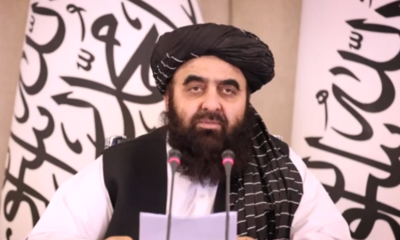


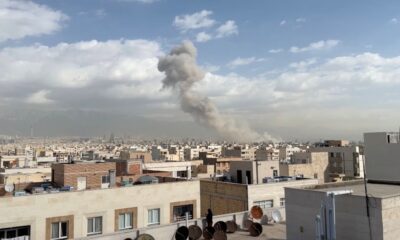

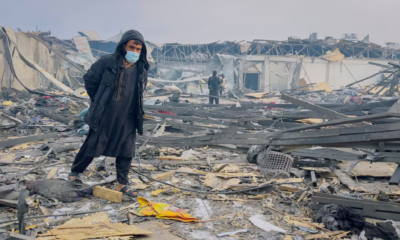

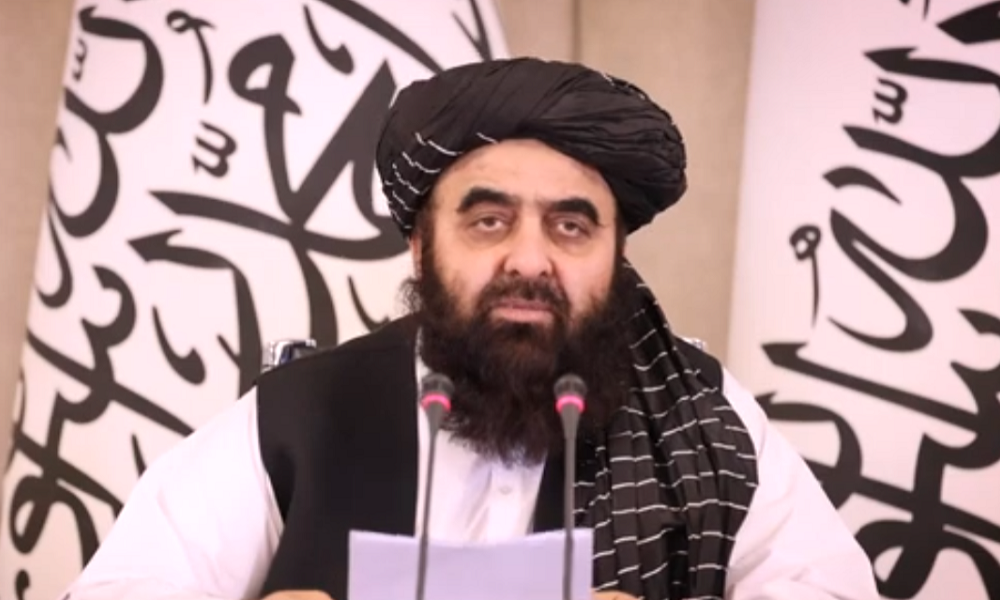
Afghanistan’s Foreign Minister Amir Khan Muttaqi has strongly condemned a Pakistani airstrike on Kabul, saying it killed more than 408 people and wounded over 260, most of them patients at a drug rehabilitation centre.
Speaking to diplomats and representatives from various organizations in Kabul, Muttaqi said the late-night strike targeted one of the most vulnerable groups in society—people undergoing treatment for drug addiction with support from humanitarian organisations.
He described the attack as a serious violation of humanitarian and Islamic principles, accusing Pakistan of deliberately hitting civilian facilities.
He said the strike came despite ongoing mediation efforts by regional countries, including China, and followed earlier goodwill gestures by
Afghanistan, such as the release of Pakistani detainees during Ramadan.
According to Muttaqi, repeated attacks since February—including strikes on civilian areas in multiple provinces—have eroded trust in diplomatic solutions.
Muttaqi warned that Afghan forces would continue “proportionate and legitimate” defensive responses if attacks persist, stressing that Afghanistan does not seek conflict but will defend its sovereignty and territory.
He also urged the international community, particularly regional and Muslim countries, to condemn the strike, warning that continued escalation by Pakistan risks destabilising the wider region and undermining major economic and development initiatives.
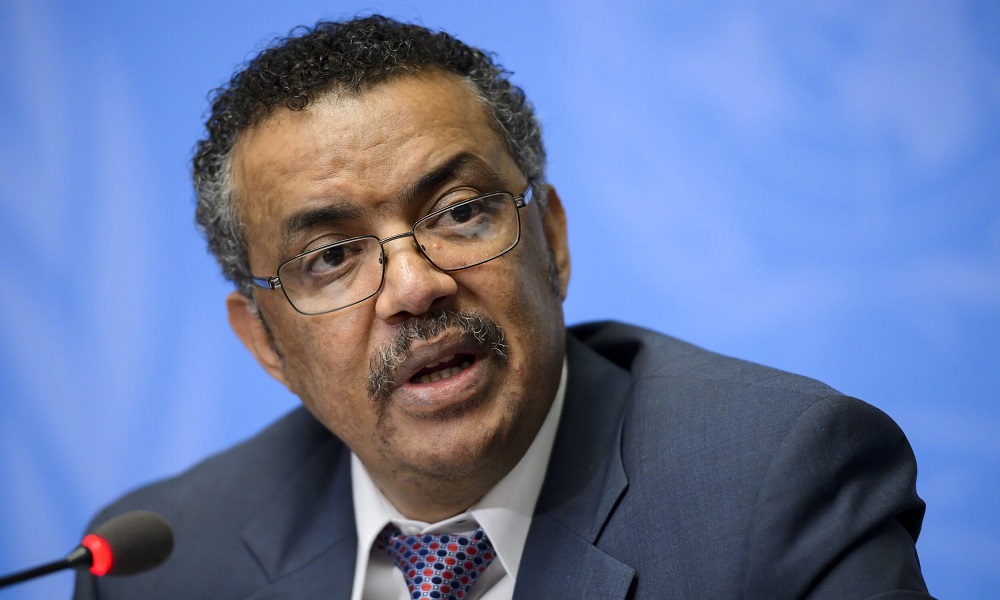
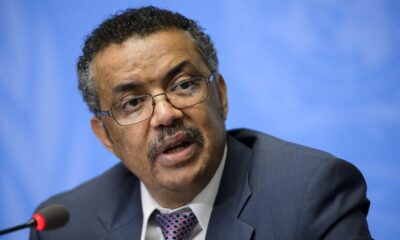
Tedros Adhanom Ghebreyesus, Director-General of the World Health Organization, said Tuesday that the escalating conflict between Kabul and Islamabad has placed additional strain on Afghanistan’s health system and increased risks to the health and well-being of vulnerable populations.
According to Ghebreyesus, since late February, at least six health facilities in Afghanistan have been affected by the rising tensions between Afghanistan and Pakistan.
He added that the World Health Organization is working to verify reports of attacks on the Omid Drug Rehabilitation Hospital in Kabul.
He called on Afghanistan and Pakistan to de-escalate tensions and prioritize peace.
Writing on X, he said: “Peace is the best medicine.”
Following Monday night’s attack by Pakistan’s military regime on the Omid Drug Rehabilitation Hospital in Kabul, 408 people were killed and more than 250 others were injured.
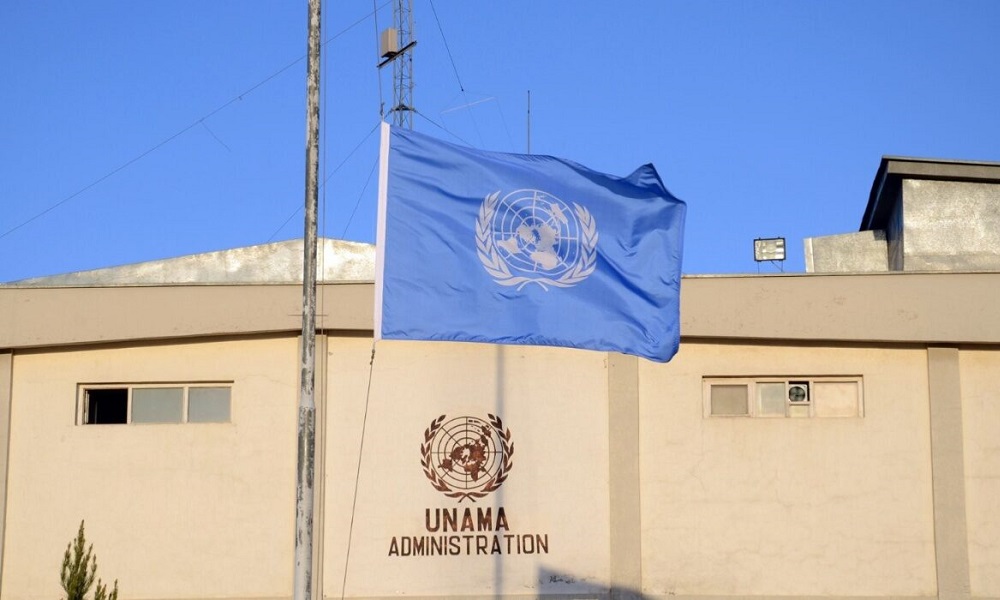
The United Nations Assistance Mission in Afghanistan (UNAMA) said Tuesday that in Afghanistan, civilians are bearing the cost of the ongoing conflict between Kabul and Islamabad.
In a statement, UNAMA said that under international law, all parties to the conflict must respect and protect the sick and wounded, healthcare workers, hospitals, and ambulances.
The organization added that these laws prohibit any attacks on hospitals and ambulances.
According to UNAMA, between 24 February and before 16 March, it has recorded at least 74 civilian deaths and 212 others injured in Afghanistan as a result of the hostilities.
UNAMA once again called for de-escalation and a permanent ceasefire, urging Afghanistan and Pakistan to act in accordance with their obligations under international law and to protect civilians.
Following a Monday night attack by Pakistan’s military regime on the Omid Drug Rehabilitation Hospital in Kabul, at least 400 people were killed and around 250 others were injured.


Tahawol: Pakistan’s new attacks on Kabul hospital discussed

Saar: Pakistani military’s airstrike on Kabul hospital discussed

Afghanistan condemns deadly Kabul airstrike, warns of continued self-defence

WHO Chief urges Kabul and Islamabad to prioritize peace

Afghanistan national buzkashi team defeats Hungary 14–0

Pakistani military jet downed in Afghanistan’s Jalalabad, pilot captured alive

Afghan Air Force conducts airstrikes in Islamabad, other cities

IEA releases three Pakistani soldiers to mark Ramadan

Afghanistan’s Chief of Armed Forces underscores readiness and equipment for national defense

Afghanistan welcomes investment and technology partnerships with India
Tahawol: Pakistan’s new attacks on Kabul hospital discussed
Saar: Pakistani military’s airstrike on Kabul hospital discussed

Tahawol: China’s efforts for Afghanistan-Pakistan talks

Saar: UNSC’s upcoming vote on UNAMA mandate

Tahawol: Afghan, Chinese FMs’ phone talks discussed
-
 Latest News3 days ago
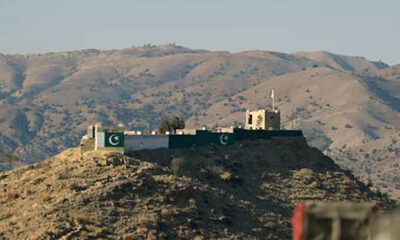
14 Pakistani soldiers killed after military post falls along Durand line: MoD
-
 Latest News4 days ago
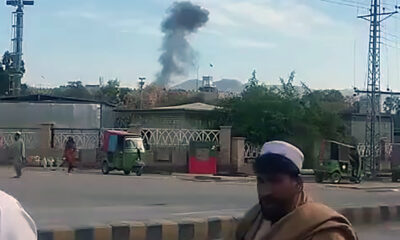
Afghan airstrikes target Pakistani military sites in retaliation for air attacks
-
 Latest News4 days ago
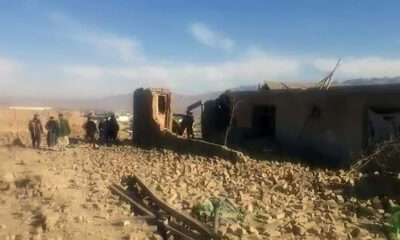
IEA condemns Pakistan’s airstrikes in several Afghan provinces
-
 Latest News1 day ago
IEA Supreme Leader issues Eid-ul-Fitr message urging unity and support for Islamic system
-
 Latest News2 days ago
Regional criticism grows amid Pakistan strikes inside Afghanistan
-
 Latest News4 days ago
UNAMA: Four civilians killed, 14 injured in Pakistani airstrike in Kabul
-
 World4 days ago
White House AI czar says US should ‘declare victory and get out’ of Iran war
-
 Regional4 days ago
Seven police personnel killed in IED blast in northwest Pakistan