
Health
Child deaths in Gambia linked to cough syrups made in India – WHO

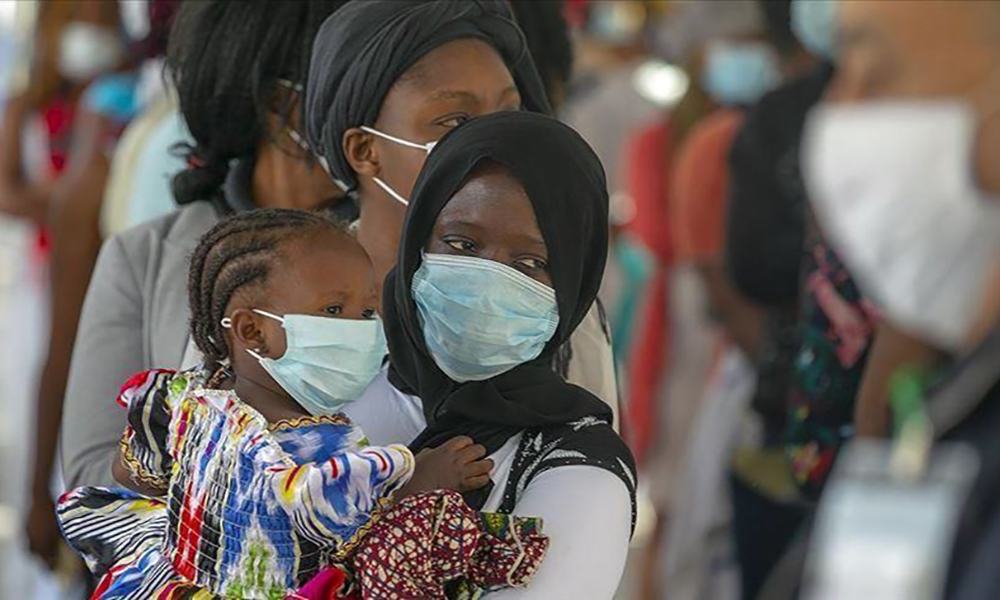
The deaths of dozens of young children in Gambia from acute kidney injuries may be linked to contaminated cough and cold syrups made by an Indian drug manufacturer, the World Health Organization said on Wednesday.
The findings, announced by WHO Director-General Tedros Adhanom Ghebreyesus, followed tests on several medicinal syrups that were suspected of causing 66 child deaths in the tiny West African country.
Tedros told reporters that the U.N. agency was conducting an investigation with Indian regulators and the company that made the syrups, New Delhi-based Maiden Pharmaceuticals Ltd.
Maiden Pharma declined to comment, while calls and messages to the Drugs Controller General of India went unanswered. India’s health ministry did not respond to a request for comment, Reuters reported.
According to Reuters the WHO issued a medical product alert on Wednesday asking regulators to remove Maiden Pharma goods from the market.
The products may have been distributed elsewhere through informal markets, but had so far been identified only in Gambia, the WHO said in its alert.
The alert covers four products: Promethazine Oral Solution, Kofexmalin Baby Cough Syrup, Makoff Baby Cough Syrup and Magrip N Cold Syrup, read the report.
Lab analysis confirmed “unacceptable” amounts of diethylene glycol and ethylene glycol, which can be toxic and lead to acute kidney injury, the WHO said.
Medical officers in Gambia raised the alarm in July, after dozens of children began falling ill with kidney problems. The deaths confounded medics before a pattern emerged: dozens of patients younger than five were falling ill three to five days after taking a locally sold paracetamol syrup.
Gambia’s director of health services, Mustapha Bittaye, said similar problems have been detected in other syrups but that the ministry is awaiting confirmation of the results, Reuters reported.
He said the number of deaths has tapered off in recent weeks and that the sale of products made by Maiden Pharmaceuticals was banned. However, until recently, some of the syrups were still being sold in private clinics and in hospitals, he said.
Gambia’s Medicines Control Agency sent a letter on Tuesday to health professionals ordering them to stop selling any of the products listed by WHO.
Maiden Pharmaceuticals manufactures medicines at its facilities in India, which it then sells domestically as well as exporting them to countries in Asia, Africa and Latin America, according to its website.





Health
WHO warns aid cuts disrupting healthcare services across Afghanistan
Speaking to Ariana News, WHO Representative in Afghanistan said cuts in humanitarian assistance have placed the country’s health sector under increasing pressure.
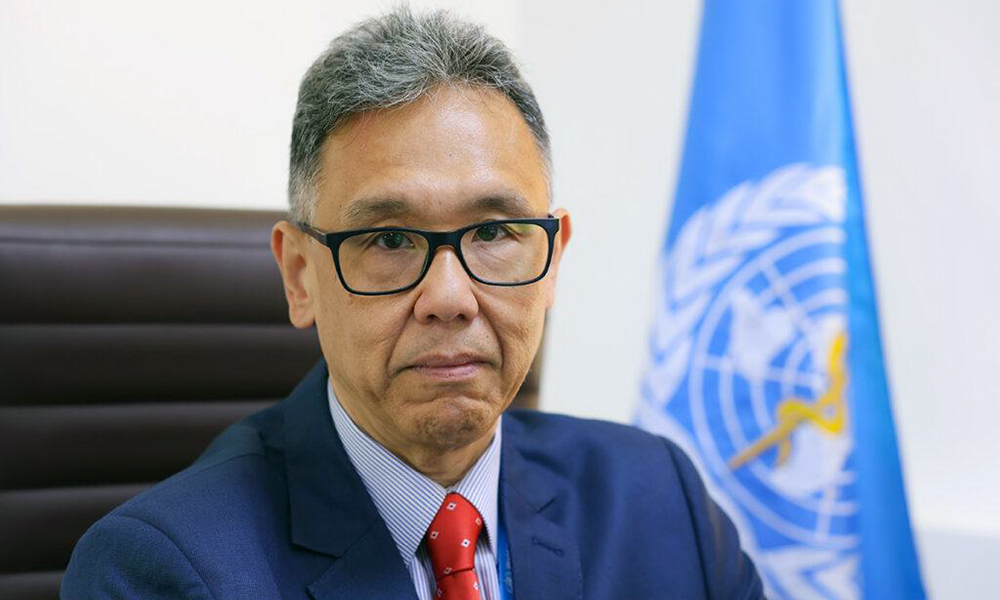
The World Health Organization (WHO) has warned that declining international humanitarian funding is disrupting healthcare services across Afghanistan, forcing some health facilities to close and limiting access to essential medical care.
Speaking to Ariana News, WHO Representative in Afghanistan Edwin Ceniza Salvador said cuts in humanitarian assistance have placed the country’s health sector under increasing pressure, with many healthcare centers struggling to remain operational.
He said the funding shortfall is largely due to the growing number of humanitarian crises around the world, which have diverted international financial resources away from Afghanistan.
Salvador stressed that while continued humanitarian support remains essential, Afghanistan must also increase domestic investment in healthcare to build a more sustainable system.
“We have unfortunately seen a decline in global humanitarian funding in recent months because new emergencies have emerged in different parts of the world,” Salvador said. “As a result, many health facilities in Afghanistan are facing difficulties, and some have been forced to close. Alongside continued humanitarian support, greater domestic investment and increased funding for the health sector are essential.”
He noted that Afghanistan continues to face the effects of years of conflict, natural disasters and drought, making humanitarian assistance a critical lifeline for millions of people.
Despite the funding challenges, Salvador said the country has made progress in key health indicators, including increased childhood vaccination coverage and a decline in maternal mortality. However, he said expanding access to healthcare will require broader cooperation across government institutions and development partners.
The WHO warning comes amid growing concern from UN agencies over shrinking humanitarian funding for Afghanistan. Aid organizations have warned that reduced international assistance, coupled with the return of millions of Afghan migrants and the increasing impact of natural disasters, could further strain the country’s already fragile healthcare system and deepen the humanitarian crisis.
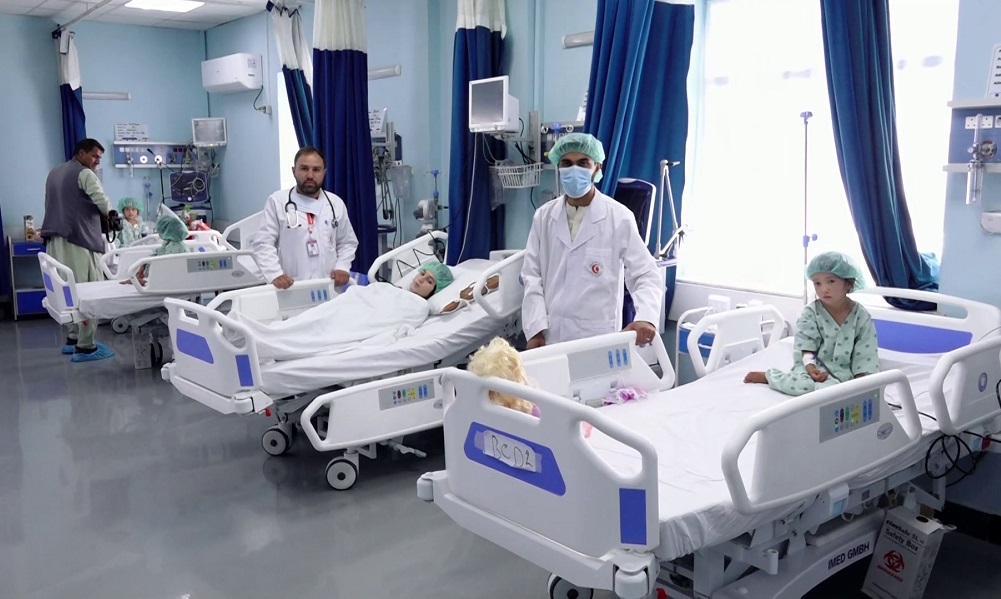
A pediatric hospital for treating heart diseases, particularly congenital heart defects such as holes in the heart, has been inaugurated in Kabul by the Afghan Red Crescent Society.
Officials from the organization say the hospital has the capacity to treat up to 2,000 patients annually and will provide free diagnosis, treatment, and heart surgery services around the clock.
Shahabuddin Delawar, head of the Afghan Red Crescent Society, said the construction costs of the facility were covered through the organization’s own budget.
Previously, many patients suffering from heart conditions, especially children with holes in the heart, had to seek treatment at private hospitals or medical centers abroad due to limited access to specialized services inside the country.
Abdul Salam Hanafi, Administrative Deputy Prime Minister, said during the inauguration ceremony that the opening of the facility would help provide treatment for a large number of patients in need. He added that economic challenges had previously prevented many patients from accessing necessary medical services.
The head of the Afghan Red Crescent Society said local and foreign specialist doctors at the hospital will provide free, 24-hour cardiac services to patients, with efforts underway to ensure quality medical care.
Meanwhile, specialists at the hospital said modern medical equipment for diagnosing and treating heart diseases has been prepared at the facility.
The opening of the hospital offers new hope for patients, particularly children with congenital heart conditions, allowing them to receive free and specialized cardiac treatment inside Afghanistan and reducing the need for costly treatment abroad.
Health
OCHA warns Afghanistan’s maternal health system under mounting strain
The agency estimated that the country recorded 638 maternal deaths for every 100,000 live births in 2024 — the highest rate in Asia and the seventh highest globally.
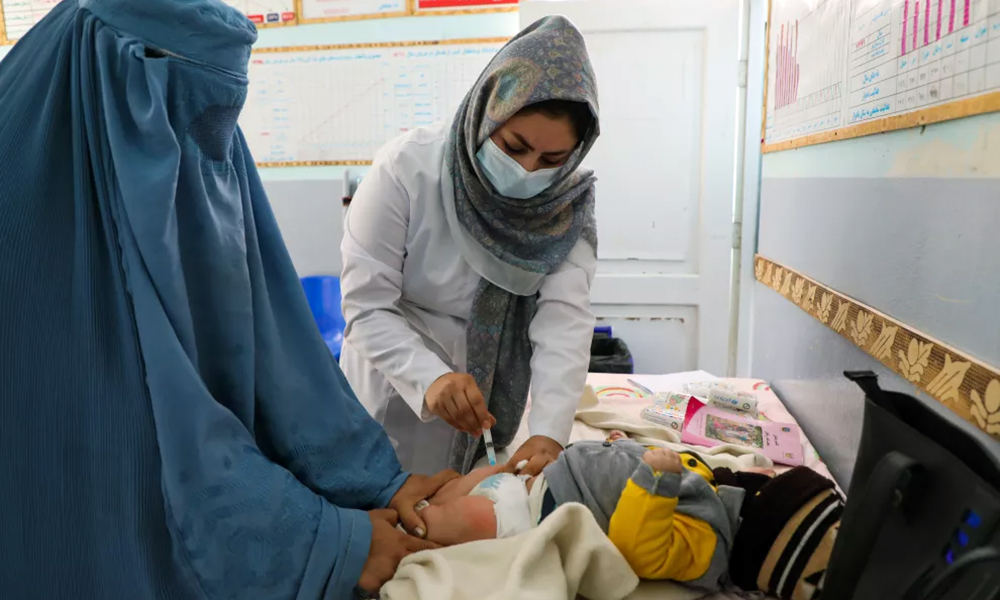
The United Nations Office for the Coordination of Humanitarian Affairs (OCHA) has warned that Afghanistan’s maternal healthcare system is facing mounting pressure as humanitarian needs continue to grow, leaving millions of women and girls at risk of losing access to essential health services.
In its Afghanistan Humanitarian Update for June 2026, OCHA said more than 10.7 million women and girls are expected to require humanitarian assistance this year, making them among the populations most severely affected by the country’s prolonged humanitarian crisis.
The agency said ongoing restrictions affecting women’s movement, education and employment, coupled with economic hardship and declining humanitarian funding, have significantly reduced access to healthcare and other essential services while increasing protection risks and deepening vulnerabilities.
According to OCHA, Afghanistan continues to have one of the world’s highest maternal mortality rates. The agency estimated that the country recorded 638 maternal deaths for every 100,000 live births in 2024 — the highest rate in Asia and the seventh highest globally.
OCHA said the situation has been exacerbated by shortages of female healthcare workers, inadequate funding, limited supplies of essential medicines and gaps in emergency obstetric and neonatal care. These challenges are contributing to preventable deaths among mothers and newborns, particularly in rural and hard-to-reach communities where access to medical facilities remains limited.
The UN agency also warned of the long-term impact of restrictions on girls’ education, saying they threaten the future of Afghanistan’s healthcare workforce. Citing UNICEF estimates, OCHA said the country could lose more than 25,000 female teachers and health professionals by 2030 if current restrictions remain in place, potentially worsening shortages of female doctors, nurses and midwives.
During a recent assessment mission to Bamyan Province, OCHA highlighted the growing burden on local health facilities. Bamyan Provincial Hospital, the province’s main referral centre, continues to provide critical maternal and newborn services and houses the area’s only neonatal intensive care unit. However, the hospital is struggling to meet increasing demand with limited resources.
The agency said many expectant mothers arrive only after developing serious pregnancy-related complications because of long travel distances, poor road infrastructure and a lack of reliable referral services, reducing the chances of timely treatment.
OCHA called for sustained international support to strengthen Afghanistan’s fragile health system, warning that continued investment in maternal and newborn healthcare will be essential to reducing preventable deaths and ensuring that women, particularly those in remote areas, can access life-saving medical services.


UN: Two staff members detained in Afghanistan’s Herat

Total darkness, then sunset as full eclipse wows spectators in Spain

Afghan envoy invites Fazlur Rehman to Kabul amid push for better Pak-Afghan ties

Afghanistan clinch Ireland series with record ODI score

Iran says no progress on reviving interim peace deal with US

Pakistan’s governance system has ‘collapsed’: Mohsin Naqvi

Spain sweep FIFA World Cup player awards after historic triumph

Iran, Afghanistan and Tajikistan discuss expanding regional transit cooperation

Afghan health minister, Gavi discuss expanding routine immunization

Afghanistan temporarily eases fuel import standards to help curb rising prices

Tahawol: Afghanistan’s future in the global press discussed

Saar: The Islamic Emirate’s five-year rule discussed

Tahawol: Hamid Karzai’s call for Afghan reconciliation discussed

Saar: Preparations for IEA’s fifth anniversary discussed

Tahawol: Iran’s acknowledgment of Afghanistan’s cooperation discussed
-

 Sport4 days ago
Afghanistan secure direct qualification for 2027 Men’s ODI World Cup
-
 Latest News4 days ago
Pakistan-backed armed groups in Balochistan using former Afghan government forces: report
-

 Sport3 days ago
Abasin Defenders stun Kabul Zalmi in Kabul Premier League
-
 Regional4 days ago
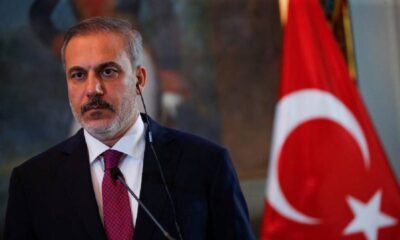
Turkey, Pakistan, Saudi Arabia defence pact technically same as NATO’s Article 5, Turkish minister says
-

 Sport3 days ago
Kabul Premier League gets underway with high-scoring opener
-
 Latest News4 days ago
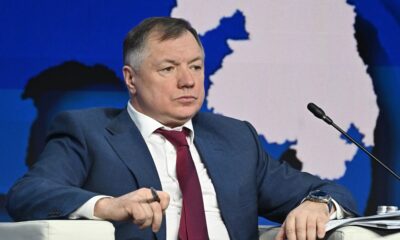
Russia eyes railway route via Afghanistan as alternative to Strait of Hormuz
-
 Latest News4 days ago
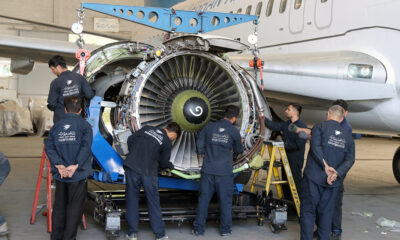
Ariana Airlines brings $2.3 million Boeing 737 engine from US to Kabul
-
 Latest News4 days ago
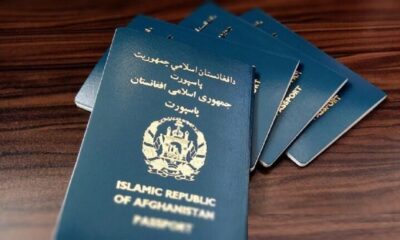
Afghanistan issues more than 650,000 passports in one year