
Latest News
Coronavirus: UNHCR warns against neglecting Afghan refugees

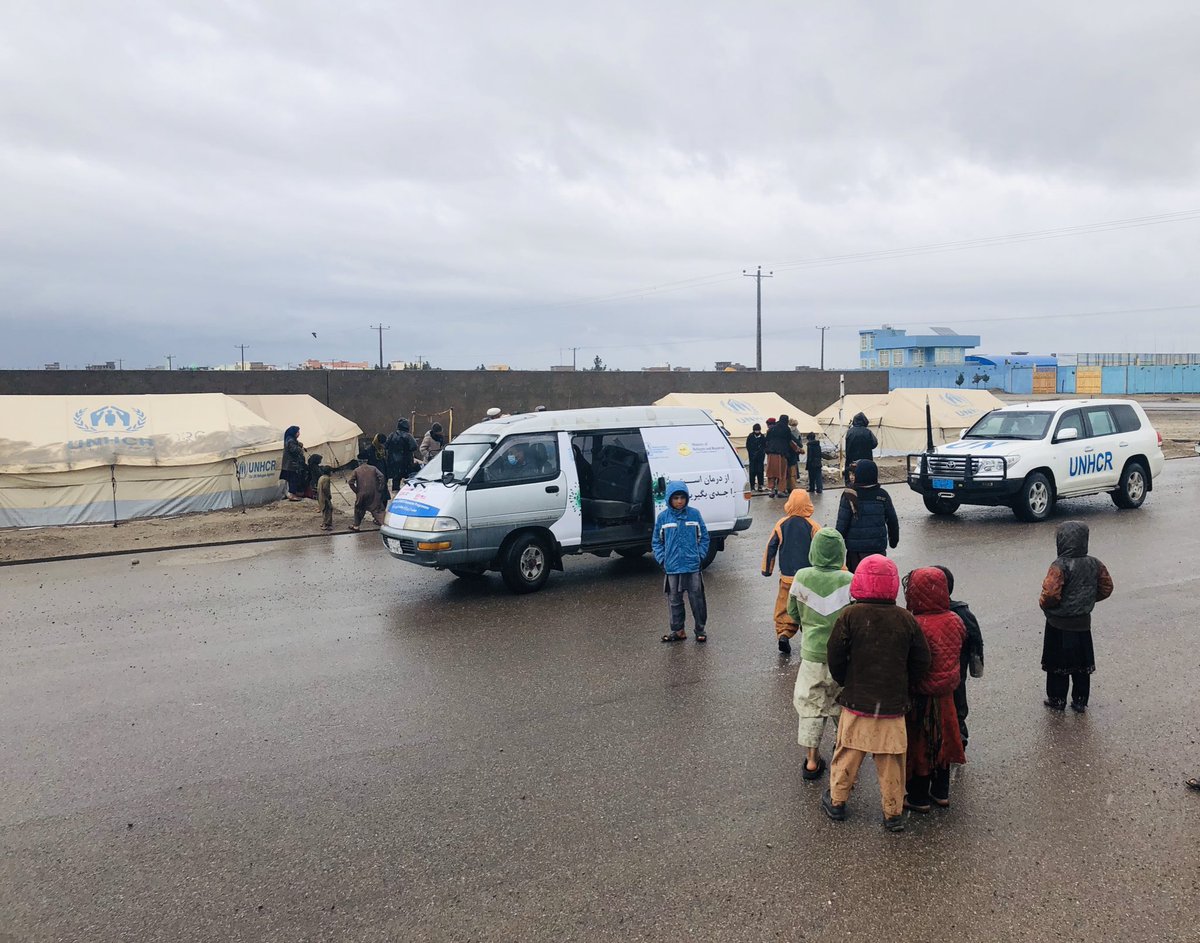
 The United Nations High Commissioner for Refugees (UNHCR) urges greater support to Afghanistan, Pakistan, and Iran in the context of the COVID-19 pandemic.
The UN refugee agency has warned that leaving Afghan refugees and their host communities behind would have a far-reaching and negative impact on global efforts to fight the Coronavirus.
The COVID-19 poses a very great threat to developing countries, the UNHCR said, adding that an outbreak would put extraordinary strain on already fragile local health-care services and likely result in avoidable suffering and death.
As the race against time continues globally, UNHCR appeals to the international community to boost solidarity with all three countries, and have at this critical time to prevent a larger-scale outbreak of the coronavirus among the most vulnerable communities.
“Despite persistent risks and insecurity, Afghans continue to return from both Iran and Pakistan. Tens of thousands of Afghan citizens have crossed over from Pakistan to Afghanistan since the temporary re-opening of the border last week. From Iran, while the number of Afghans nationals returning peaked at some 60,000 in March, around 1,500 individuals are currently returning every day,” the UNHCR said in a statement.
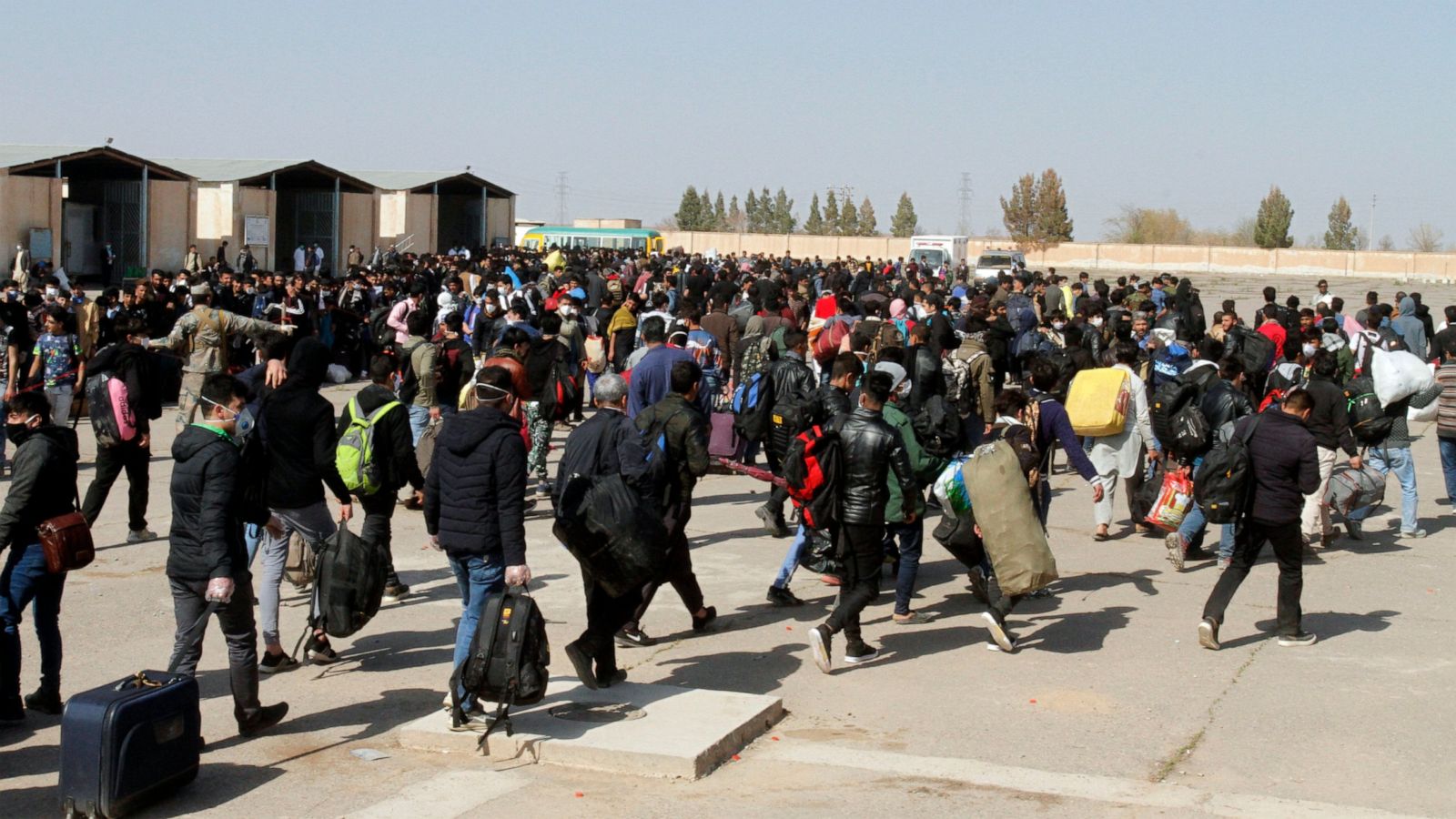 According to the statement, Afghanistan faces the prospect of overwhelmed medical and social services, with a dramatic increase in Afghans returning home, hundreds of thousands of people living in displacement sites and rising poverty levels.
Pakistan and Iran, which host some 90 percent of the world’s 2.7 million Afghan refugees are experiencing immense strain on their health systems and economies. Lockdown measures and a sharp downturn in economic activity have left many Afghan refugees confronted with an inability to meet even their most basic needs.
“For Afghan refugees in Iran and Pakistan, the impacts of COVID-19 go far beyond health. In both countries, those who are employed are commonly hired as daily laborers,” the statement said.
The refugee agency added that Amidst various levels of lockdown across the region, such work has abruptly ceased and refugees with no income and their hosts are now faced with economic threats to their survival.
Afghans in Iran and Pakistan widely report serious difficulties in paying medical expenses and meeting the most basic living costs of food and accommodation, leading to many being forced to borrow money, the agency noted.
Iran – facing the epicenter of the outbreak in South-West Asia – as facilitated exemplary inclusion of Afghans on its territory.
“UNHCR welcomes Iran’s recent confirmation that COVID-19 related tests and treatment are free of charge for all individuals, including for refugees. Additionally, the country’s Universal Public Health Insurance has been automatically extended for refugees as well as Iranian nationals – ensuring uninterrupted access to healthcare for all refugees,” read the statement.
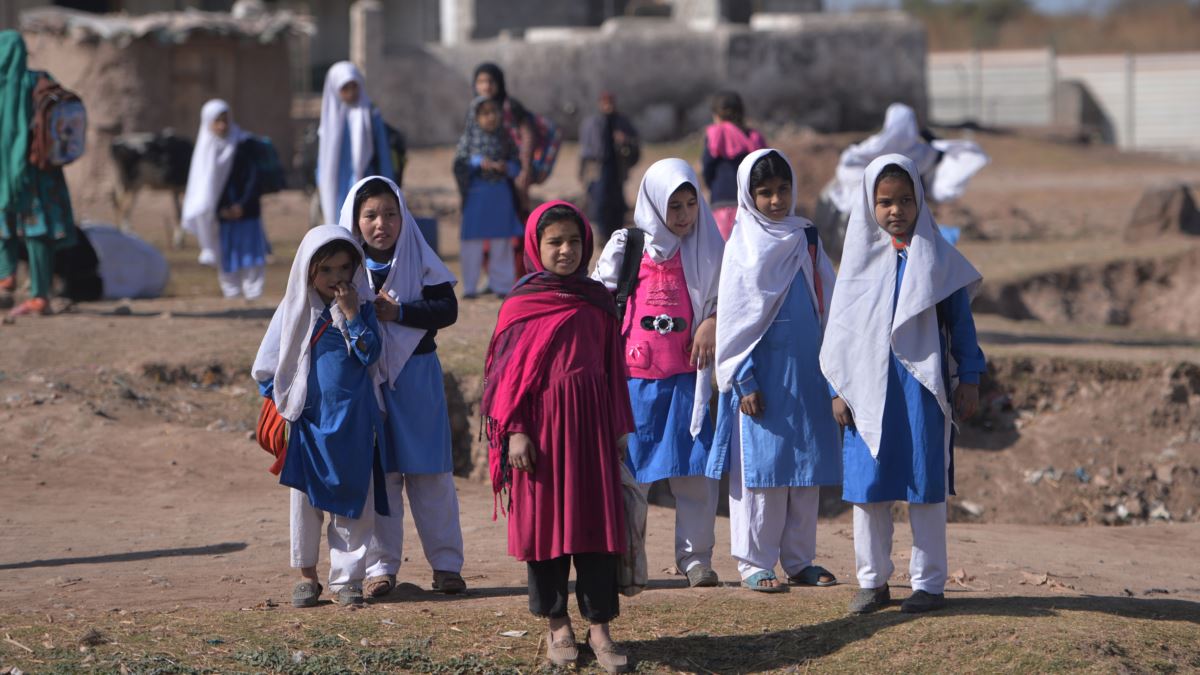 In Pakistan, relevant departments have also been directed to include both refugees and internally displaced people in relief and response measures.
In all three countries, UNHCR is adapting our operations constantly to these unique circumstances.
UNHCR has temporarily suspended supporting voluntary returns of refugees from Iran and Pakistan in an attempt to limit the risk of refugees and staff contracting the virus, the statement underlined.
In Afghanistan, UNHCR is supporting the Government’s prevention efforts through awareness-raising in the most vulnerable communities and priority areas of return. Speakers mounted atop cars and trucks drive through towns and villages to spread accurate and reliable information that will save lives.
UNHCR is also helping the government better manage the flow of people into Afghanistan through hiring additional staff to boost the teams at the border and improving reception facilities allowing for more space. UNHCR has provided masks, disinfectants and other protective gear to government officials working at the border and in the communities so that they can protect themselves against the spread of COVID-19.
“We are in the process of procuring more hygiene kits to be distributed among returnees and displaced communities as well as for the frontline staff of government institutions and our partners; scaling up the construction of water and sanitation facilities and further enhancing support for border surveillance and returnee monitoring in Afghanistan,” UNHCR highlighted.
In Iran, UNHCR has airlifted essential medicines, medical equipment, and personal protective equipment to support and strengthen national health services. To address the critical and urgent lack of hygiene materials in Iran, UNHCR has also distributed soap and disposable paper towels to some 7,500 refugee households living in refugee settlements across the country, whose living situations in close-quarters make then more vulnerable to COVID-19. More airlifts are expected in the coming weeks.
UNHCR has increased its capacity at Afghanistan’s borders to Iran to better be able to support the tracking and contact tracing of individuals. Psychosocial support services continue to operate via phone.
In Pakistan, renewed emphasis has been placed on water and sanitation projects. UNHCR has provided 10 fully equipped ambulances and 28 large housing unit facilities to the provincial health departments and disaster management authorities in Balochistan, Khyber Pakhtunkhwa, and Punjab. Medical equipment and sanitation products are also being distributed to rural health facilities in support of refugees and their host communities.
More support is desperately needed for Afghanistan, Iran, and Pakistan as part of collective efforts to combat COVID-19 worldwide. Despite the work being done across the subregion, the risk of the pandemic become unmanageable is now acute.
UNHCR’s funding appeal of some US$315 million required for the Afghan situation is merely 17 percent funded.








Latest News
Russia deems US military presence in Afghanistan unacceptable
Kabulov’s remarks came in response to growing concerns regarding the U.S. military’s presence in the Middle East, particularly amid rising tensions with Iran.
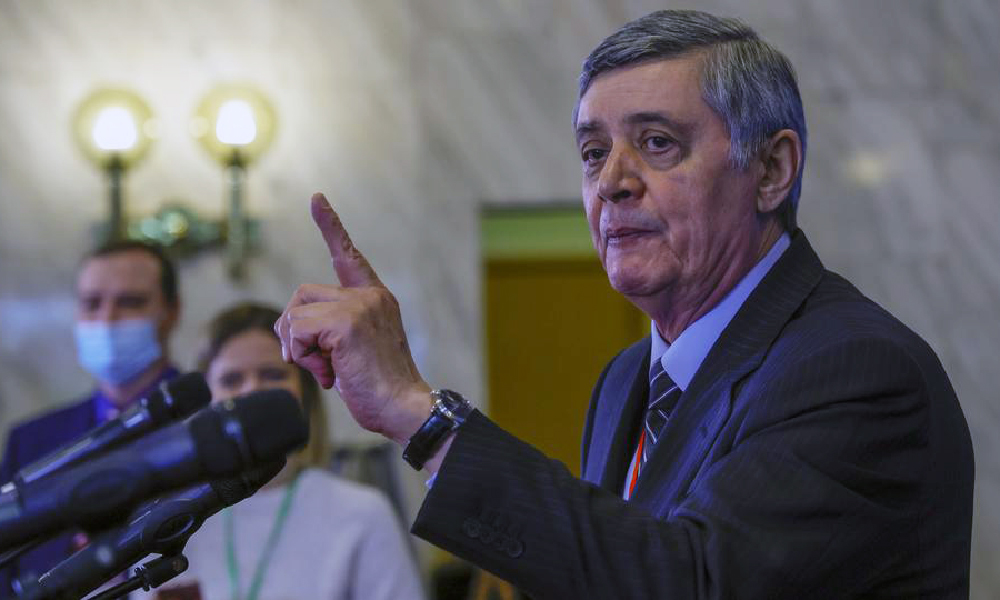
Russia has strongly condemned any potential return of U.S. military forces to Afghanistan, specifically the possibility of reopening Bagram Air Base, calling such moves “categorically unacceptable.” The statement was made by Zamir Kabulov, the Russian President’s special representative for Afghanistan and senior adviser to the Russian Foreign Ministry, in an interview with RIA Novosti.
Kabulov emphasized that Moscow opposes the establishment of any U.S. or NATO military infrastructure on Afghan soil or in neighboring regions, under any pretext. He also expressed hope that the Taliban-led government in Afghanistan, known as the Islamic Emirate of Afghanistan, would share Russia’s stance on the issue.
Kabulov’s remarks came in response to growing concerns regarding the U.S. military’s presence in the Middle East, particularly amid rising tensions with Iran. There have been reports suggesting that the U.S. might seek access to Bagram Air Base again as part of a strategic pivot in the region.
Recalling the previous administration under former U.S. President Donald Trump, Kabulov noted that the U.S. had persistently sought to regain control of Bagram Air Base following its chaotic withdrawal from Afghanistan in August 2021. “There is nothing new in these demands,” Kabulov stated, referring to the ongoing push by the U.S. to re-establish a military foothold in the region.
Russia’s firm stance reflects its broader geopolitical concerns regarding the influence of the U.S. and NATO near its borders, particularly in Central Asia and Afghanistan.
Latest News
Over 2.13 million Afghan refugees repatriated from Pakistan
Officials say over 150,000 individuals were returned from Punjab alone, where enforcement efforts are being led by the Punjab Home Department’s Foreign National Security Cell.

More than 2.13 million Afghan nationals have been repatriated from Pakistan to Afghanistan as part of an ongoing campaign targeting undocumented foreign residents, according to Pakistani authorities cited by local media.
Officials say over 150,000 individuals were returned from Punjab alone, where enforcement efforts are being led by the Punjab Home Department’s Foreign National Security Cell. The campaign includes inspections of thousands of residential areas and hundreds of markets, resulting in numerous detentions and legal cases against Afghan nationals found without valid documentation.
The repatriation process comes amid heightened tensions along key border crossings between the two countries. Hundreds of migrants have recently been sent back via the Chaman crossing, particularly during disruptions at other transit points.
The Torkham crossing—a major gateway for cross-border movement—has faced repeated closures. Although it briefly reopened, local officials in Nangarhar Province report that it was shut again after only a few hours. Authorities in Pakistan have not provided a clear explanation for the latest closure.
According to Sediqullah Quraishi, head of Nangarhar’s Information Department, the crossing was opened temporarily on Thursday before being closed again without official clarification.
Meanwhile, hundreds of Afghan migrants remain in temporary holding centers across Punjab, where they are undergoing registration and processing ahead of their return to Afghanistan. The large-scale repatriation effort continues to raise humanitarian and logistical concerns, particularly as border access remains unpredictable.
Latest News
Human Rights Watch calls Pakistani airstrike on Kabul rehab center ‘unlawful’
Patricia Gossman, senior associate Asia director at Human Rights Watch, said available evidence suggests the strike hit a well-known civilian medical facility.
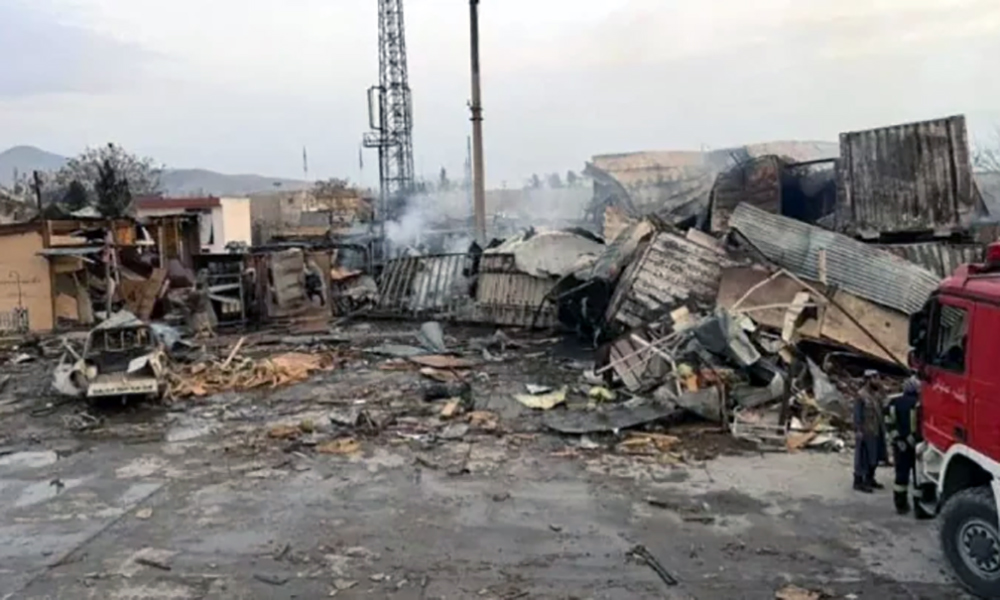
Human Rights Watch has condemned a recent Pakistani airstrike on a rehabilitation facility in Kabul, calling it “unlawful” and warning it could amount to a war crime.
The strike, which reportedly took place on March 16, targeted the Omid Drug Rehabilitation Center, located within the former Camp Phoenix complex in eastern Kabul. According to international agencies, at least 143 people were killed and more than 250 others injured, most of them patients undergoing treatment.
Patricia Gossman, senior associate Asia director at Human Rights Watch, said available evidence suggests the strike hit a well-known civilian medical facility.
“The available evidence indicates that the Pakistani airstrike against a well-known Kabul medical facility killing dozens of patients was unlawful,” she said, adding that authorities must determine why the site was targeted and who should be held accountable.
An employee of the center told the organization that three buildings were struck, including a dining hall, a residential building housing hundreds of patients, and a guard post. At the time of the attack, more than 1,000 patients were reportedly at the facility, many gathered to break their fast during Ramadan.
Human Rights Watch said satellite imagery and visual evidence show extensive destruction across the compound, with multiple structures either destroyed or severely damaged. The organization added that it found no indication the facility was being used for military purposes.
Under international humanitarian law, medical facilities are afforded special protection. The group stressed that attacks failing to distinguish between civilian and military targets, or those causing disproportionate civilian harm, may constitute serious violations of the laws of war.
Human Rights Watch has called on Pakistan to carry out a prompt, impartial investigation and ensure accountability if violations are confirmed.


Russia deems US military presence in Afghanistan unacceptable

Over 2.13 million Afghan refugees repatriated from Pakistan

Human Rights Watch calls Pakistani airstrike on Kabul rehab center ‘unlawful’

Torkham crossing closes again hours after brief reopening

Trump signature to appear on US currency, ending 165-year tradition

Pakistani military jet downed in Afghanistan’s Jalalabad, pilot captured alive

Afghan Air Force conducts airstrikes in Islamabad, other cities

Prominent Muslim scholar issues fatwa calling for Afghanistan-Pakistan ceasefire

Afghan air force strikes key Pakistani military installations in retaliatory operation

IEA: Special circle in Pakistan has launched mission to destabilize region

Tahawol: Discussion on day 27 of Iran–US war

Saar: Islamic Emirate confident of Durand Line control

Tahawol: Efforts to release Mohammad Rahim from Guantanamo Bay Detention Camp

Saar: End of ceasefire between Afghanistan-Pakistan reviewed

Tahawol: Escalating threats between Iran-US discussed
-

 Latest News4 days ago
Pakistan seeks Russian mediation to resolve Afghanistan tensions
-
 Business5 days ago
Afghani strengthens nearly 10% against US dollar amid banking sector reforms
-
 Latest News4 days ago
World must re-engage to prevent all-out Afghanistan-Pakistan war: Financial Times
-
 Latest News3 days ago
Around 2.3 million tourists visited Afghanistan’s recreational areas during Eid: Ghufran
-

 Sport3 days ago
Afghanistan squad hit by withdrawals ahead of AFC Asian Cup Qualifiers
-
 Latest News3 days ago
Islamic Emirate releases American prisoner Dennis Coyle
-
 Latest News4 days ago
Airstrike on Kabul drug rehabilitation centre sparks legal concerns
-
 Latest News5 days ago
Water crisis deepens in Afghanistan as families struggle for access