
Health
Ebola serum for Africa patients within weeks, says WHO

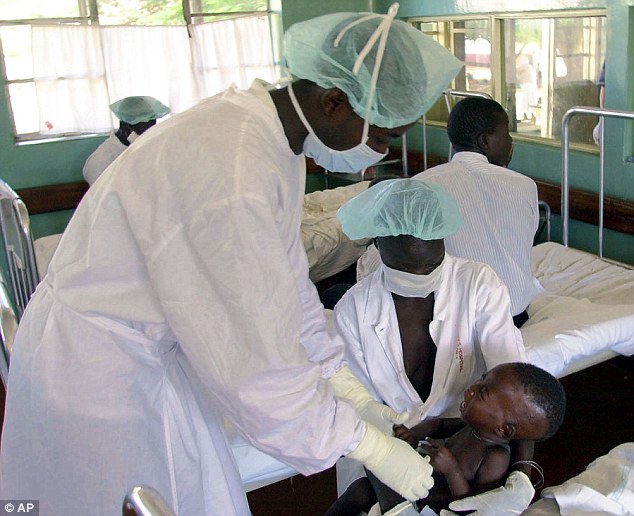

Serum made from the blood of recovered Ebola patients could be available within weeks in Liberia, one of the country’s worst hit by the virus, says the World Health Organization.
Speaking in Geneva, Dr Marie Paule Kieny said work was also advancing quickly to get drugs and a vaccine ready for January 2015.
The Ebola outbreak has already killed more than 4,500 people.
Most of the deaths have been in Guinea, Liberia and Sierra Leone.
Dr Kieny, WHO assistant director general for health system and innovation, said: “There are partnerships which are starting to be put in place to have capacity in the three countries to safely extract plasma and make preparation that can be used for the treatment of infective patients.
“The partnership which is moving the quickest will be in Liberia where we hope that in the coming weeks there will be facilities set up to collect the blood, treat the blood and be able to process it for use.”
It is still unclear how much will become available and whether it could meet demand.
NBC freelance cameraman Ashoka Mukpo – who contracted Ebola in West Africa – is declared free of the virus and will leave hospital in the US state of Nebraska
Riots break out in Sierra Leone’s diamond-rich Kono district after angry youths resisted efforts to “quarantine” a house where a 90-year-old woman suspected to have Ebola lived. The youths were said to be angry because there were no treatment centres in Kono, the BBC’s Umaru Fofana says. Police imposed a daytime curfew in the area
UK International Development Secretary Justine Greening visits Sierra Leone to assess the impact of the government’s $200m (£125m) aid package
The US Homeland Security Department says all visitors arriving from Liberia, Guinea and Sierra Leone will undergo enhanced screening at one of five airports
The Dominican Republic joins a group of Caribbean countries that have banned visitors from the three West African nations
Serum
If a person has successfully fought off the infection, it means their body has learned how to combat the virus and they will have antibodies in their blood that can attack Ebola.
Doctors can then take a sample of their blood and turn it into serum – by removing the red blood cells but keeping the important antibodies – which can be used to treat other patients.
The Spanish nurse who became the first person to contract Ebola outside West Africa tested negative for the virus after reportedly receiving human serum containing antibodies from Ebola survivors.
Dr Kieny said the treatment was not without risks, and WHO has already issued guidelines to ensure safety. Any donor blood will need to be screened for infections such a hepatitis and HIV, for example.

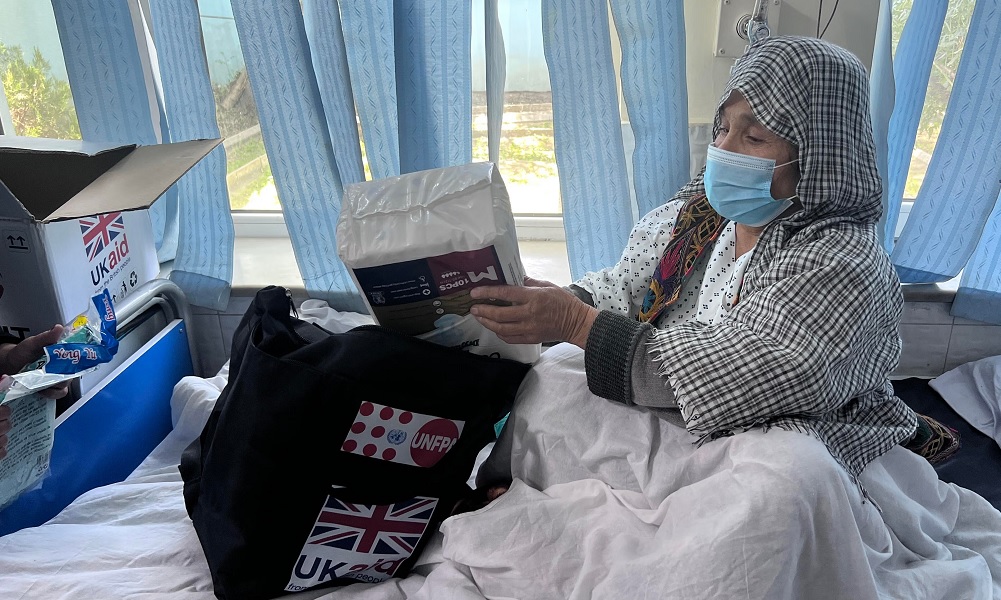
United Nations Population Fund (UNFPA) Afghanistan says the country has the world’s fifth-highest number of obstetric fistula cases, with an estimated 15,000 women and girls suffering from the childbirth-related injury.
In a post on X, UNFPA Afghanistan said obstetric fistula continues to cause disability and social isolation for thousands of Afghan women and girls.
The agency stressed that preventing and treating the condition requires access to healthcare services, safe surgical procedures, and essential medical supplies.
Obstetric fistula is a serious childbirth injury that usually occurs after prolonged or obstructed labor without timely medical care. The condition can lead to chronic health complications and often leaves affected women facing stigma and exclusion from their communities.
Health
Afghanistan launches second nationwide polio vaccination campaign of 2026
Officials urged parents to ensure that all children under five years old receive the vaccine during the campaign period.
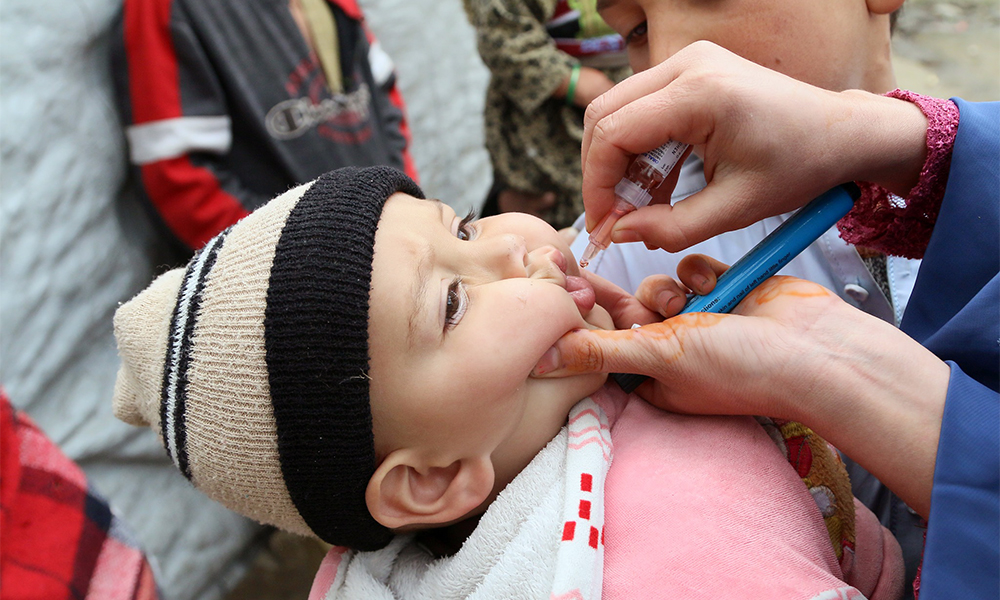
Afghanistan’s Ministry of Public Health has launched the second polio vaccination campaign of 2026 in cooperation with international partner organizations.
According to the ministry, more than 8.3 million children under the age of five are expected to receive polio vaccines during the campaign, which will be implemented in 194 districts across 20 provinces.
The campaign is being carried out from May 18 to May 21 in provinces across the central, southern, eastern, western, southeastern, northern and northeastern regions of the country.
In Kandahar, Helmand, Uruzgan and Zabul provinces, the campaign will take placce from May 19 to May 22.
Public Health Minister Noor Jalal Jalali said the ministry remains committed to stopping the spread of wild poliovirus in Afghanistan and will continue vaccination drives and supplementary health services until the disease is fully eradicated.
He also called on religious scholars, tribal elders, parents and influential community figures to support vaccinators and participate in efforts to protect children from polio.
The ministry emphasized that polio is a viral disease with no cure and can only be prevented through vaccination. Children infected with the virus may suffer permanent paralysis or death.
Officials urged parents to ensure that all children under five years old receive the vaccine during the campaign period.
The Ministry of Public Health added that vaccination teams will be present at designated locations across communities throughout the campaign.


Deadly shooting near Kabul’s Sarai Shahzada leaves four dead

Major pharma firms eye investment in Afghanistan

Iran shifts FIFA World Cup 2026 training base from US to Mexico

At least 24 killed in deadly train bombing in Pakistan’s Balochistan

UNFPA: Afghanistan has world’s fifth-highest number of obstetric fistula cases

New Afghanistan-China transport corridor launched via Turkmenistan

Afghanistan signs $46 million deal to develop standard laboratory complexes

Bayat Power extends gas supply deal with Afghan Gas

Germany to launch online visa system for Afghan study and work applicants in Pakistan

Afghanistan launches first 5G trial in Kabul to boost telecom services

Saar: Discussion on UN concerns over Afghan refugees’ challenges

Tahawol: Push for agreement between Iran and US discussed

Saar: Afghanistan in China-Russia’s limelight discussed

Tahawol: Call for handing over Afghanistan’s UN seat to IEA discussed

Saar: Pakistan’s emphasis on peaceful ties with Kabul discussed
-
 Latest News4 days ago
India announce squads for Afghanistan Test and ODI series
-
 Latest News4 days ago
Mullah Baradar launches $150 million Lajward residential complex in Balkh
-
 Latest News4 days ago
Fazlur Rehman says Pakistan’s Afghanistan policy has failed
-

 Sport2 days ago
Mohammadi crowned champion of 2nd season of Ariana Snooker Championship
-
 Business3 days ago
Kabul, Tashkent push industrial cooperation with planned factory transfers
-
 Regional4 days ago
British woman detained in Iran resumes hunger strike alongside husband
-
 World5 days ago
US Senate advances measure curbing Trump’s Iran war powers
-

 Tahawol5 days ago
Tahawol: Reason for postponing US attack on Iran reviewed