
Latest News
EU tells the public to hold 72 hours of emergency supplies
The Commission would now “develop guidelines to reach a population self-sufficiency of minimum 72 hours”, according to the new strategy’s action plan.

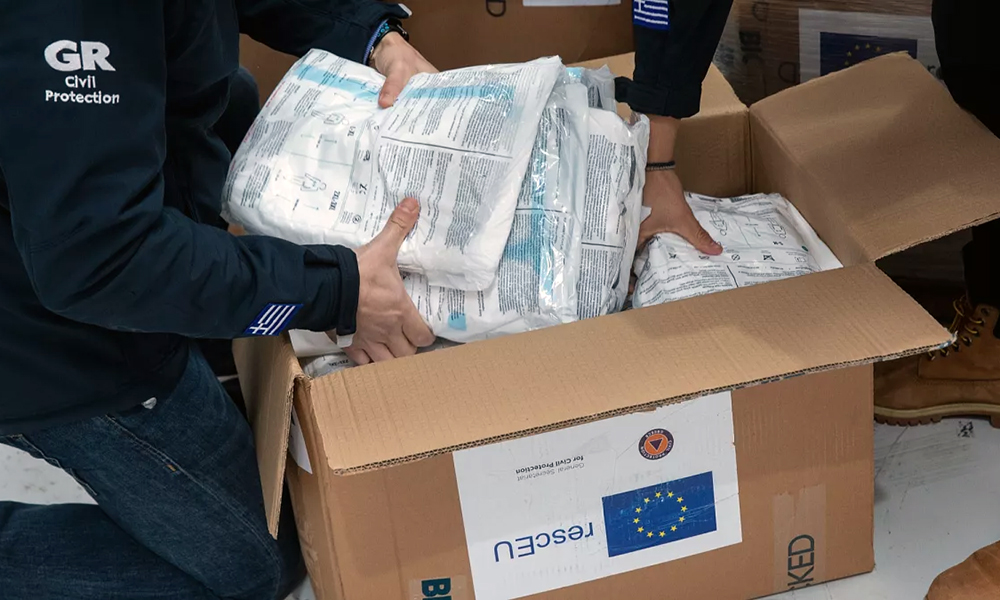
Europe should enhance stockpiling of critical equipment and encourage the public to maintain sufficient supplies for at least 72 hours in case of emergencies, the European Commission said on Wednesday.
The Commission said in its new EU Preparedness Union Strategy that the bloc was preparing for risks including natural disasters, cyber attacks and geopolitical crises, including the possibility of armed aggression against EU countries, Reuters reported.
“Families living in flood zones should know what to do when the waters rise. Early warning systems can prevent regions hit by wildfires from losing precious time,” European Commission President Ursula von der Leyen said in a statement.
The strategy focuses on improving early warning systems, ensuring the continuity of essential services such as healthcare and drinking water and helping citizens prepare for responding to crises.
Hadja Lahbib, the European commissioner in charge of preparedness and crisis management, said that concerns differed across the bloc but that all citizens should make an effort to be prepared for emergencies.
“Ready for anything – this must be our new European way of life,” she said in a post on X.
The Commission would now “develop guidelines to reach a population self-sufficiency of minimum 72 hours”, according to the new strategy’s action plan.
In a video posted on social media, Lahbib listed items important to have to survive 72 hours in a crisis, from food and water to a flashlight, power bank, radio, cash and medication, read the report.










Latest News
Pakistan to repatriate nearly 20,000 Afghans awaiting US resettlement
Authorities will also share verified data of the affected individuals with relevant departments to support implementation.
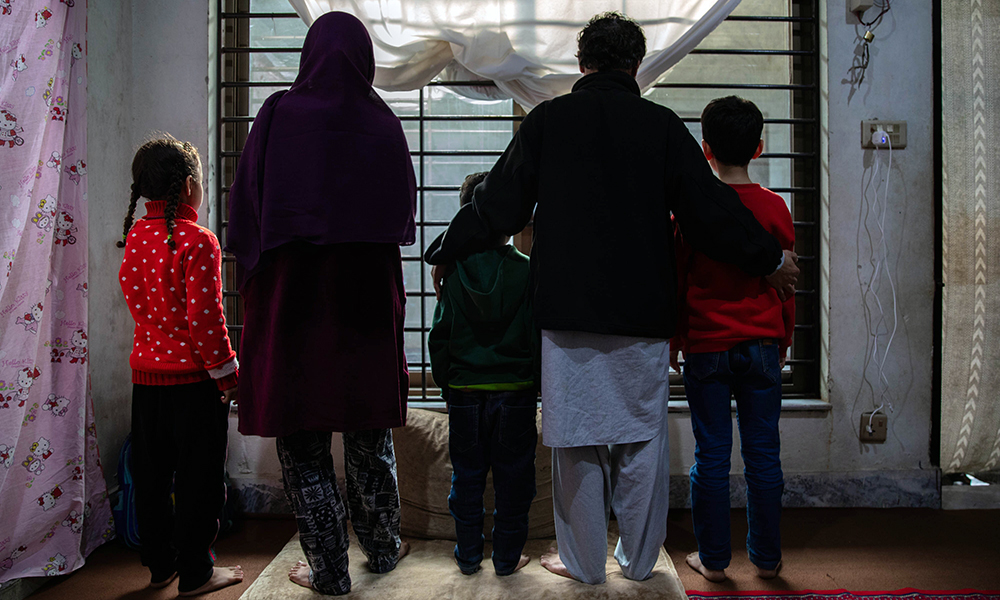
Pakistan will repatriate nearly 20,000 Afghan nationals currently awaiting resettlement in the United States, The Nation reported, citing official sources.
The move affects 19,973 Afghans living across Pakistan.
A federal directive will instruct provincial chief secretaries and police chiefs in Punjab, Sindh, Khyber Pakhtunkhwa, Balochistan, Azad Kashmir, Gilgit-Baltistan, and the Islamabad Capital Territory to begin the repatriation process immediately.
Authorities will also share verified data of the affected individuals with relevant departments to support implementation.
Following the Islamic Emirate’s return to power in 2021, more than 100,000 Afghans fled to Pakistan, many of whom had worked with the US and UK governments, international organizations, or aid agencies.
Thousands have remained stranded in Pakistan for over four years while awaiting US resettlement clearance.
Prospects for relocation have dimmed amid a suspension of case processing by the US administration, according to The Nation.
Under Pakistan’s Illegal Foreigners Repatriation Plan (IFRP), all Afghan nationals still awaiting US relocation will now be returned to Afghanistan.
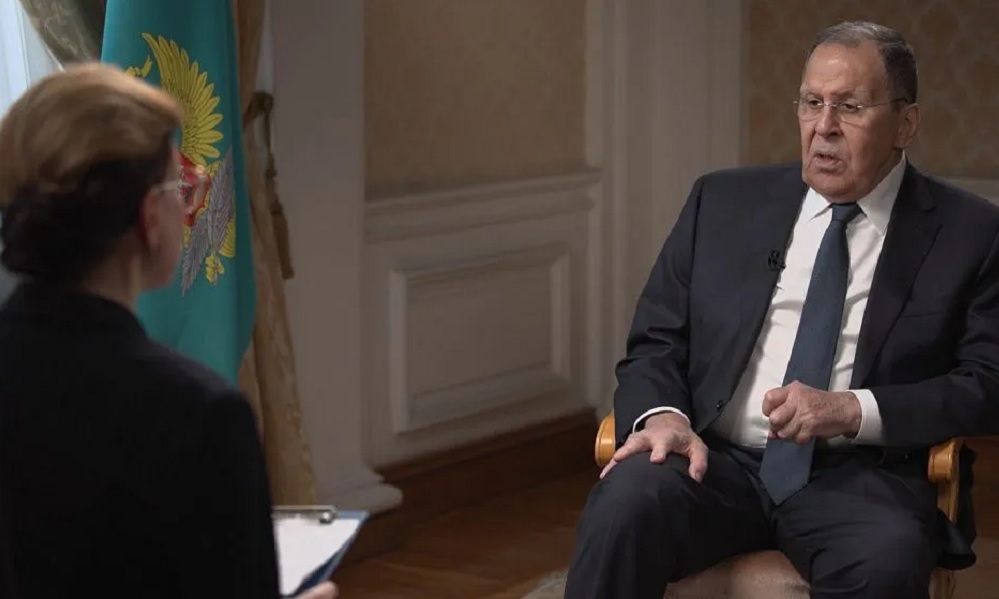
Terrorist activities continue to be observed along Afghanistan borders and along the India–Pakistan–Afghanistan corridor, Russian Foreign Minister Sergei Lavrov said in an interview published on Monday.
Speaking to Russia-based media outlet TV BRICS, Lavrov pointed to ongoing concerns in the Middle East, including its Asian regions.
He highlighted the importance of collaboration with India at the United Nations to advance a global counter-terrorism convention.
Lavrov stated that while the draft convention has already been prepared, consensus on its adoption has not yet been reached.
Russia has repeatedly expressed concern about militant threats from Afghanistan. The Islamic Emirate, however, has dismissed the concerns saying that it will not allow Afghanistan’s soil to be used against any country.
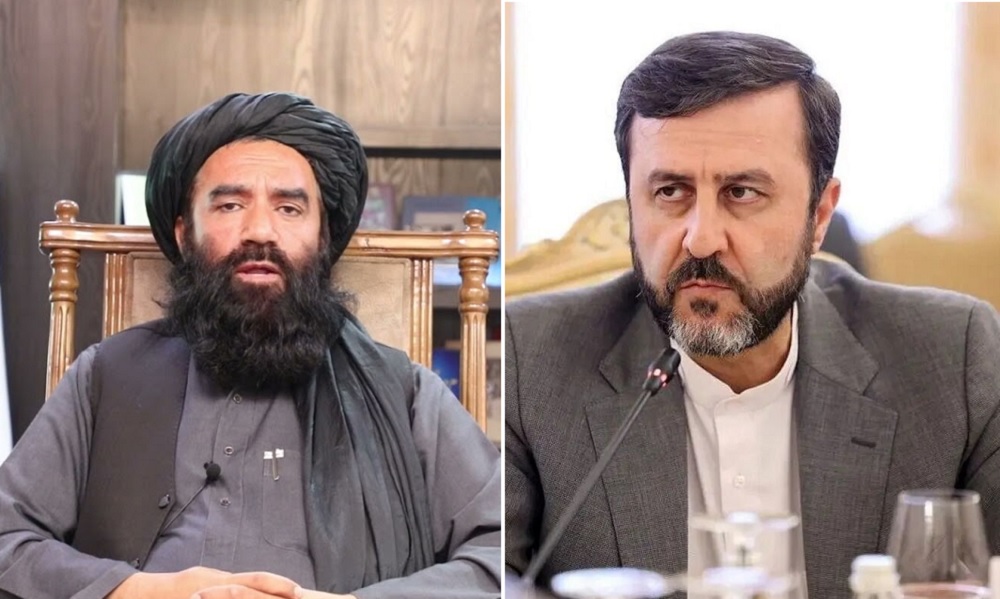
Noorullah Noori, Afghanistan’s Minister of Borders and Tribal Affairs, held a phone conversation with Kazem Gharibabadi, Iran’s Deputy Foreign Minister for Legal and International Affairs, to discuss bilateral border cooperation.
According to the Iranian news agency IRNA, both sides reaffirmed their commitment to strengthening border collaboration, with a particular focus on the ongoing renovation and updating of border markers. They also agreed to accelerate joint technical and legal meetings to enhance coordination.
As part of the agreement, the next meeting of senior border officials from Afghanistan and Iran is scheduled to take place in Iran in 1405 (2026–2027).


Tahawol: Pakistan’s Foreign Policy Failure of Towards Afghanistan discussed

Saar: Regional Problems, Opportunities, and Challenges discussed

Pakistan to repatriate nearly 20,000 Afghans awaiting US resettlement

Terrorist activities observed along Afghanistan borders, says Lavrov

Afghan border minister holds phone talks with Iran’s deputy foreign minister

Afghanistan–China joint market opens in Kabul

Pakistan approves re-export of stranded Afghan transit trade cargo

ATN secures broadcast rights to Carabao Cup semis across Afghanistan

Pakistan army orders evacuation of Tirah Valley, fears of mass displacement grow

Afghan traders sign deal to import pharmaceuticals from Bangladesh
Tahawol: Pakistan’s Foreign Policy Failure of Towards Afghanistan discussed
Saar: Regional Problems, Opportunities, and Challenges discussed

Saar: Afghanistan’s relations and opportunities with regional countries

Tahawol: Kabul’s response to Pakistan’s new accusation discussed

Saar: Discussion on Iran-US talks in Oman
-
 Latest News2 days ago
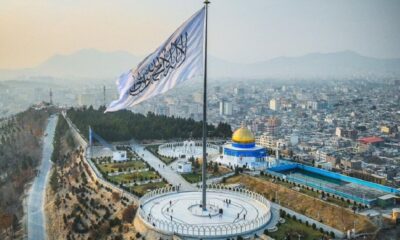
Afghanistan to grant one- to ten-year residency to foreign investors
-
 Latest News5 days ago
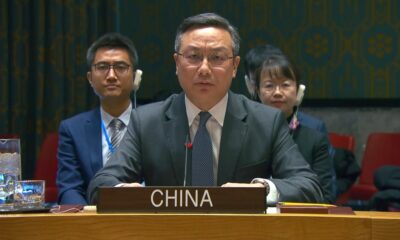
Terrorist threat in Afghanistan must be taken seriously, China tells UNSC
-

 Sport4 days ago
Indonesia shock Japan to reach historic AFC Futsal Asian Cup final
-

 Sport5 days ago
Milano Cortina 2026 Winter Olympics: What You Need to Know
-

 Sport2 days ago
Iran clinch AFC Futsal Asian Cup 2026 in penalty shootout thriller
-

 Latest News5 days ago
US Justice Department to seek death penalty for Afghan suspect in National Guard shooting
-
 Latest News3 days ago
Afghanistan says Pakistan is shifting blame for its own security failures
-
 Latest News5 days ago
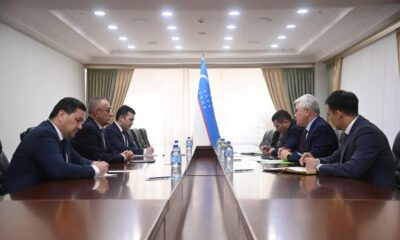
Uzbekistan, Kazakhstan discuss cooperation on Afghanistan