
Latest News
House-to-house polio vaccination campaign to recommence across Afghanistan

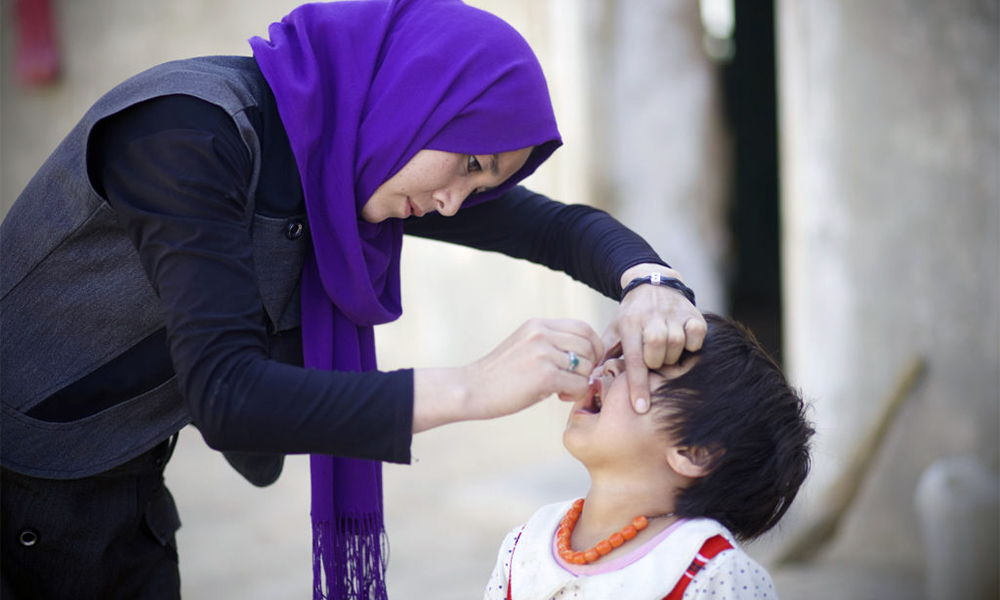
A nation-wide polio vaccination campaign will resume in Afghanistan next month, UNICEF announced Monday.
In a statement issued by the organization, the World Health Organization and UNICEF welcomed the decision by the Islamic Emirate of Afghanistan (IEA) leadership supporting the resumption of house-to-house polio vaccination campaign.
The vaccination campaign, which begins on November 8, will be the first in over three years to reach all children in Afghanistan, including more than 3.3 million children in some parts of the country who have previously remained inaccessible to vaccination campaigns.
“This is an extremely important step in the right direction,” said Dapeng Luo, WHO Representative in Afghanistan.
“We know that multiple doses of oral polio vaccine offer the best protection, so we are pleased to see that there is another campaign planned before the end of this year. Sustained access to all children is essential to end polio for good. This must remain a top priority,” he said.
With only one case of wild poliovirus reported so far in 2021, Afghanistan has an extraordinary opportunity to eradicate polio. Restarting polio vaccination now is crucial for preventing any significant resurgence of polio within the country and mitigating the risk of cross-border and international transmission.
“This decision will allow us to make a giant stride in the efforts to eradicate polio,” said Hervé Ludovic De Lys, UNICEF Representative in Afghanistan.
“To eliminate polio completely, every child in every household across Afghanistan must be vaccinated, and with our partners, this is what we are setting out to do,” he said.
The polio programme has started preparations to rapidly implement the nationwide vaccination campaign, which is a result of ongoing high-level dialogue between the UN and the IEA leadership to swiftly and urgently meet the health needs of the people in Afghanistan.
“This is not only a win for Afghanistan but also a win for the region as it opens a real path to achieve wild poliovirus eradication,” said Dr Ahmed Al Mandhari, WHO Regional Director for the Eastern Mediterranean.
In addition to this, UNICEF reported that as the overall health system in Afghanistan remains vulnerable, all parties have agreed to immediately start measles and COVID-19 vaccination campaigns in order to mitigate against the risk of a rise in diseases and deaths.
This will be complemented with the support of the polio eradication programme and with outreach activities that will urgently begin to deliver other life-saving vaccinations through the national expanded programme for immunization, UNICEF reported.
While the safety and security of health workers remains a prime concern for the polio programme, the IEA leadership has expressed their commitment for the inclusion of female frontline workers and for providing security and assuring the safety of all health workers across the country.




Latest News
UN expert calls for accountability after Pakistani airstrikes kill civilians in Afghanistan
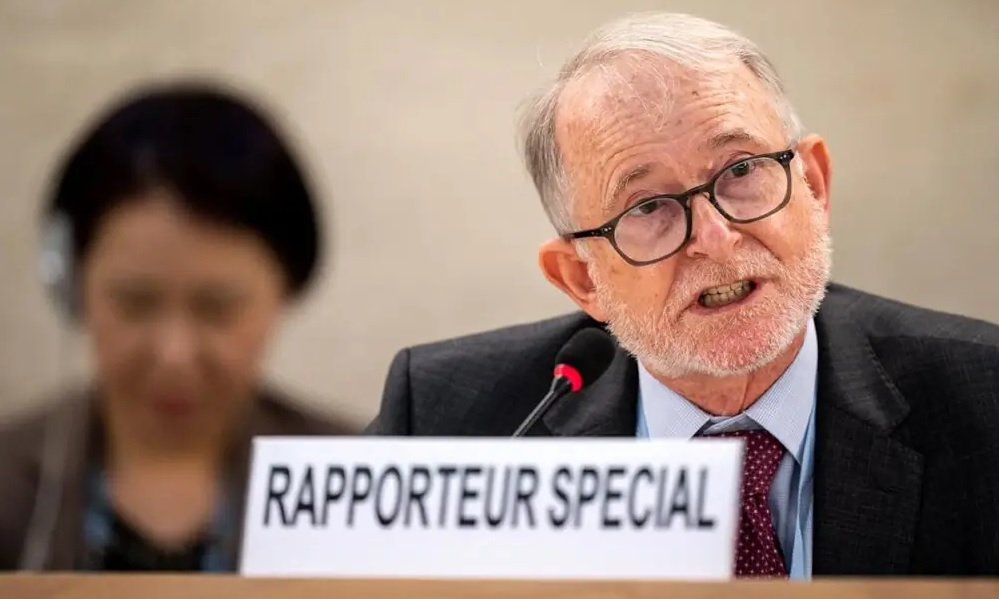
UN Special Rapporteur on the situation of human rights in Afghanistan Richard Bennett has called for accountability following Pakistani airstrikes in Afghanistan’s Kunar and Helmand provinces that killed multiple civilians.
“Accountability is paramount after another air strike that has killed civilians, most of them children,” Bennett said in a post on X.
He questioned whether the incident resulted from “incompetence, negligence or worse,” adding that there was no justification for what he described as “irreparable harm” to civilians.
Bennett said the reported incident appeared to violate international human rights and humanitarian law.
The United Nations Assistance Mission in Afghanistan (UNAMA) said it had confirmed that at least 10 civilians were killed and nine others injured in the airstrikes carried out on Thursday.
Latest News
Four members of one family killed in Helmand in Pakistan airstrike
The family, originally from Ghazni province, reportedly operated a small restaurant in the area.
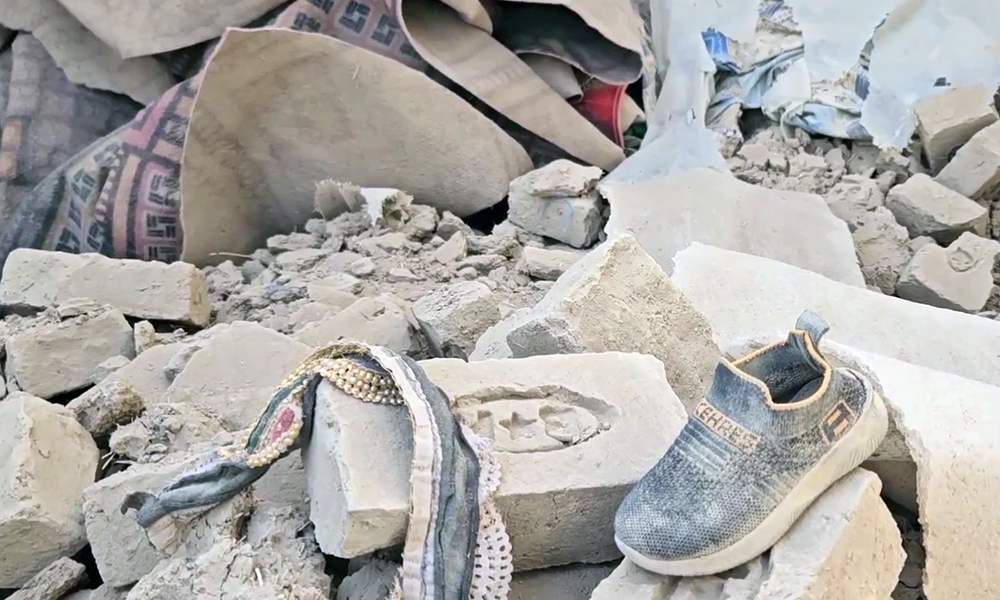
Four members of a family were killed and seven others wounded in an airstrike in Safar area of Garmser district in southern Afghanistan’s Helmand province, according to local reports.
The family, originally from Ghazni province, reportedly operated a small restaurant in the area.
The bodies of those killed and the wounded were transported by helicopter to Ghazni province for burial and medical treatment, according to the reports.
Latest News
UNAMA acting chief visits Islam Qala border to assess support for returnees
UN launched a $529 million response plan aimed at assisting around 2.7 million Afghans expected to return from Iran and Pakistan between April and December 2026.
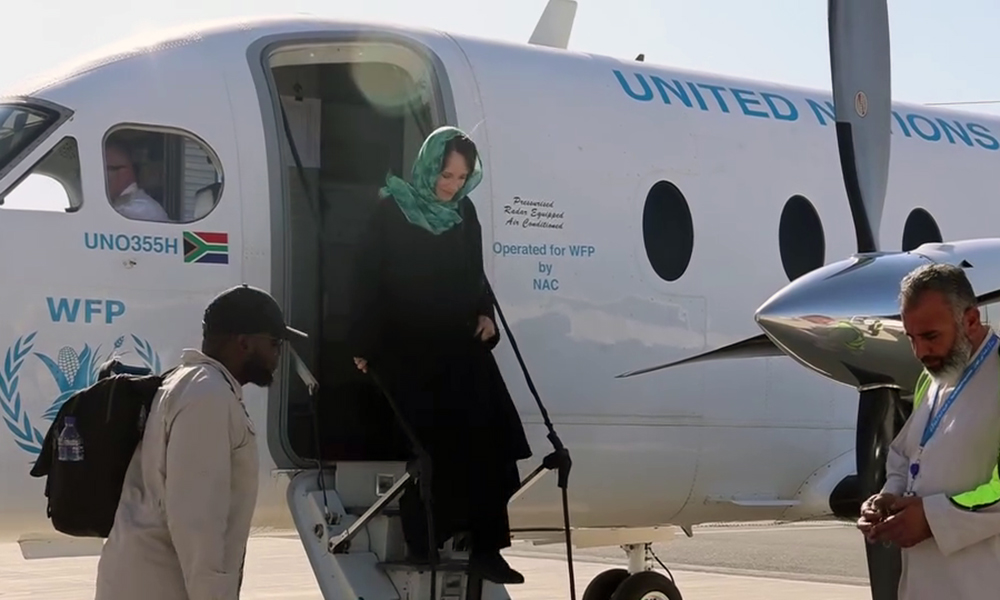
Georgette Gagnon, UNAMA’s acting head, visited western Afghanistan, including the Islam Qala border crossing, to see firsthand UN efforts to support millions of Afghans returning from neighboring Iran and Pakistan.
Earlier this year, the UN launched a $529 million response plan aimed at assisting around 2.7 million Afghans expected to return from Iran and Pakistan between April and December 2026.


Afghanistan to face Pakistan, India and Australia at 2027 Cricket World Cup

Saudi-led coalition says Houthis attacked power station for Prophet’s Mosque in Medina

UN expert calls for accountability after Pakistani airstrikes kill civilians in Afghanistan

Tahawol: Pakistan’s airstrikes on civilians in Afghanistan discussed

Arman FC crush Toofan Herat 4-0 in ACL clash

Saudi energy group signs major Afghanistan deals covering gas exploration and pipeline plans

Iranian clubs to face Gulf opponents at neutral venues in Asian Champions League Elite

Khalilzad: Afghanistan ready to attract major investment

El Niño likely to intensify, may become strongest ever recorded, WMO says

Khyber Chamber demands reopening of Torkham crossing
Tahawol: Pakistan’s airstrikes on civilians in Afghanistan discussed

Tahawol: Improvement in Afghanistan-China relations discussed

Saar: Expanding ties with regional and global countries discussed

Tahawol: Absence of Afghanistan’s envoy at UNGA discussed

Saar: Assessment of war between Afghanistan and US discussed
-
 Latest News5 days ago
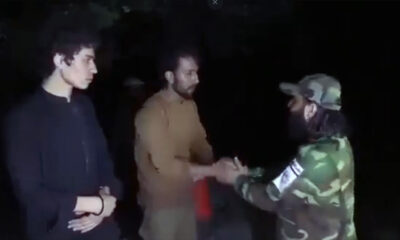
Afghanistan says 28 killed, 32 captured in Nuristan operation
-

 Sport5 days ago
Afghan bodybuilder Ali Bilal finishes runner-up at Mr Olympia for third straight year
-
 Sport4 days ago
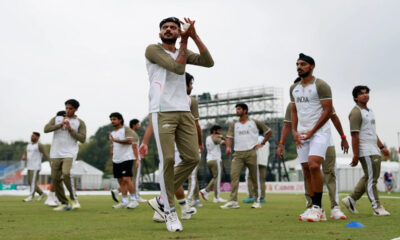
Afghanistan vs India Asian Games quarter-final abandoned without a toss
-
 Latest News5 days ago
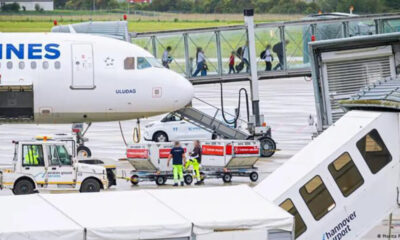
Germany reports 488 Afghans for possible deportation, 267 have no criminal convictions
-
 Regional4 days ago
Floods, landslides kill 56 in India and 14 in Nepal
-

 World4 days ago
Trump says men arrested at UK air base used by US planned ‘big damage’
-
 Regional3 days ago
US, Iran separately talk with mediators in latest bid to end war
-

 World4 days ago
Serbia’s President Vucic resigns ahead of October parliamentary elections