
Latest News
IEA appeals for support from Islamic countries at OIC summit


The Islamic Emirate of Afghanistan (IEA) on Sunday called on Muslim countries to “politically” and “financially” support Afghanistan.
Speaking at the Organization of Islamic Cooperation (OIC) summit in Islamabad, Afghanistan’s acting Foreign Minister Amir Khan Muttaqi stated: “We stand ready, as a member of a single-family, to listen to and accept all requests, concerns, and advice of Islamic countries in relation to Afghanistan that can lead towards a proper and just roadmap and direct us out of the current crisis.”
He told the attending representatives of Islamic countries that the political isolation of Afghanistan is not beneficial for anyone.
“It is imperative that all support the prevailing stability and back it both politically and economically,” Muttaqi said.
He stated that the people of Afghanistan have been devastated by wars, drought, the COVID-19 pandemic, and poverty.
Muttaqi appealed for help from Islamic countries to push the US to release billions of dollars in frozen assets.
He noted that the US’s continued sanctions on the IEA is “harming Afghans” and that it is “a clear violation of the human rights of Afghans, and can be interpreted as enmity with an entire nation”.
“We urge participants of this great gathering to remind US officials that persecution of Afghans and weakening of the Afghan government is not in the interest of anyone. This is not conducive to improving ties.”
“Such actions harm American prestige and exacerbate the refugee crisis, the detrimental effects of which will not spare the wider world.”
Muttaqi, meanwhile, stated that Afghanistan now has a responsible, non-corrupt, and committed government that shall safeguard Afghans from difficulties moving forward.
He said that the government considers human rights, women’s rights, and participation by all capable Afghans from various regions its duty.
“We continue to be targets of partisan propaganda by a number of media outlets whereby the present picture of Afghanistan is displayed in a distorted manner to the world. And this despite peace prevailing throughout Afghanistan after the 15th of August and none facing danger to their lives due to political or other factors.”
“After forty years of instability and war, every Afghan currently has an opportunity to reside in their homeland without fear or threats.”
Muttaqi stated that the new government has managed to secure its geography and territorial integrity,and has established security.
He said the government does not pose a threat to any other countries, “as a ruling system [IEA] reserves the right to have formal relations with the world and be a responsible member of the wider international community.”
“We assure the entire world and specifically Islamic countries that the territory of Afghanistan will not be used against anyone and we shall work in tandem to combat the cultivation and trafficking of narcotics.”
Muttaqi also called on members of the OIC to reopen their embassies in Kabul.
Representatives from 70 countries and organizations attended Sunday’s meeting in Islamabad, including at least 20 foreign ministers. The aim of the meeting was to explore ways to aid Afghanistan.




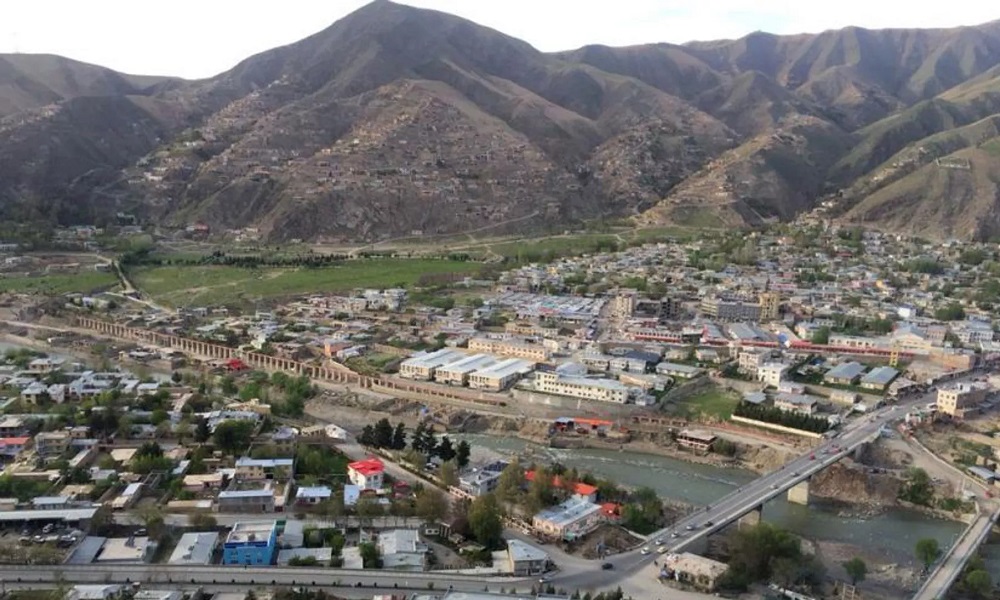
Two people have been killed amid protests against a poppy eradication campaign in northeastern Badakhshan province, local officials said.
Authorities said counter-narcotics forces were deployed on Friday to Atan Jalo area of Argo district to destroy poppy fields. Clashes erupted after a number of farmers and residents reportedly attempted to block the operation.
Officials said a child was killed during Friday’s unrest, while another person died on Saturday as protests and tensions continued in the area.
According to local authorities, demonstrators also temporarily blocked the Kishm–Faizabad highway, disrupting traffic for several hours before it was reopened following coordinated efforts by security officials, religious scholars, and community elders.
Officials blamed “drug traffickers and criminal groups” for inciting the unrest and said security forces have since regained control of the area.
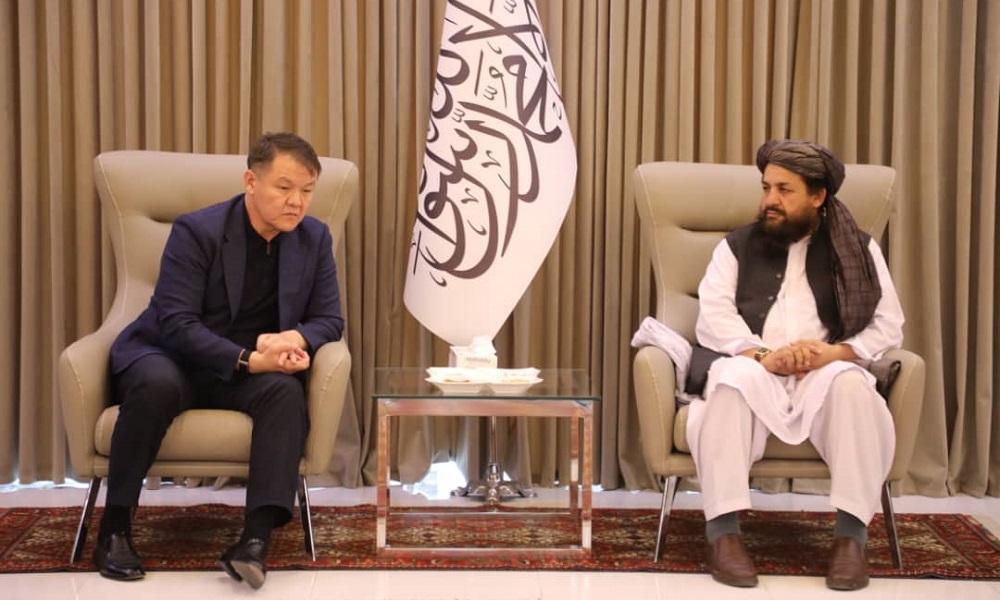
A high-ranking Uzbek delegation comprising government officials and private sector representatives from the Republic of Karakalpakstan arrived in Kabul on Saturday to discuss the expansion of trade and economic cooperation with Afghanistan.
The delegation is headed by Amanbay Orinbayev, Chairman of the Supreme Council of Karakalpakstan.
According to a statement from the Ministry of Industry and Commerce, the delegation is expected to hold talks with Nooruddin Azizi, the Minister of Industry and Commerce, focusing on strengthening bilateral trade and economic relations.
The ministry said the visiting delegation will also participate in trade connectivity meetings and business-to-business sessions aimed at enhancing commercial cooperation between the two sides.
As part of the visit, the Uzbek delegation is also scheduled to travel to Balkh province, where members will attend additional trade meetings and inaugurate an exhibition showcasing Uzbekistan’s domestic products.


Tahawol: Discussion on unknown fate of Middle East crisis

Saar: Problems and challenges of Afghan refugees in the world discussed

Afghan cricket delegation travels to China for technical cooperation

Two killed in protests against poppy field destruction in Badakhshan

High-ranking Uzbek delegation arrives in Kabul to boost trade ties

Bayat Power extends gas supply deal with Afghan Gas

Etihad Airways to expand Kabul–Abu Dhabi flights to daily service amid surging demand

Afghanistan’s new cricket head coach Richard Pybus arrives in Kabul

Afghanistan moves toward self-sufficiency in car battery production

Germany to launch online visa system for Afghan study and work applicants in Pakistan
Tahawol: Discussion on unknown fate of Middle East crisis
Saar: Problems and challenges of Afghan refugees in the world discussed

Tawsia: Discussion on Afghanistan’s economic path and position

Tahawol: Pressure on Afghan refugees from Tajikistan to Europe discussed

Saar: Ongoing criticism of Pakistan’s Afghanistan policy discussed
-
 Business2 days ago
New Afghanistan-China transport corridor launched via Turkmenistan
-
 Latest News5 days ago
Pakistan’s Achakzai pushes for Afghanistan dialogue amid economic strain
-
 Business3 days ago
Uzbekistan launches new cargo corridor linking China and Afghanistan
-
 Business3 days ago
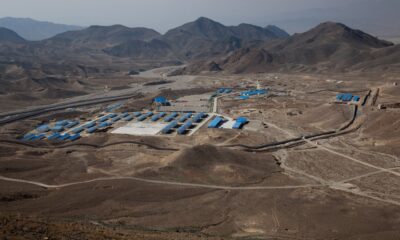
Afghanistan presses Chinese contractor over delays in Mes Aynak copper project
-
 Latest News5 days ago
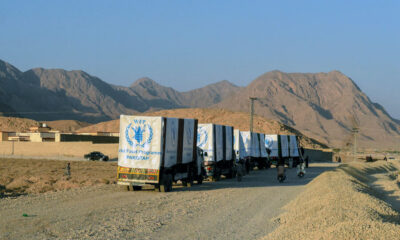
Food prices surge 20% in Afghanistan as Hormuz crisis disrupts supply routes
-

 International Sports5 days ago
Mumbai Indians pull off record chase as IPL action continues
-
 Health5 days ago
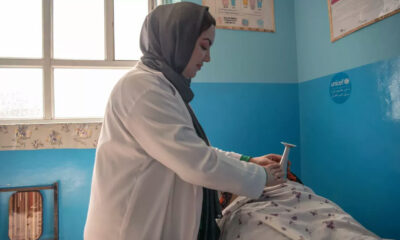
Midwives Day: UN urges greater investment to protect mothers and newborns in Afghanistan
-
 Latest News5 days ago
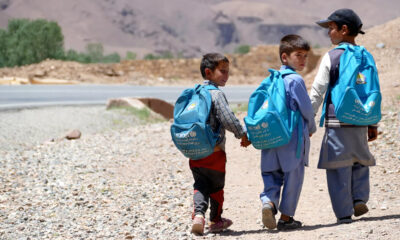
UNICEF report highlights progress and ongoing challenges for Afghan children