
Latest News
IEA rejects Pakistan’s claim of Daesh recruiting in Afghanistan

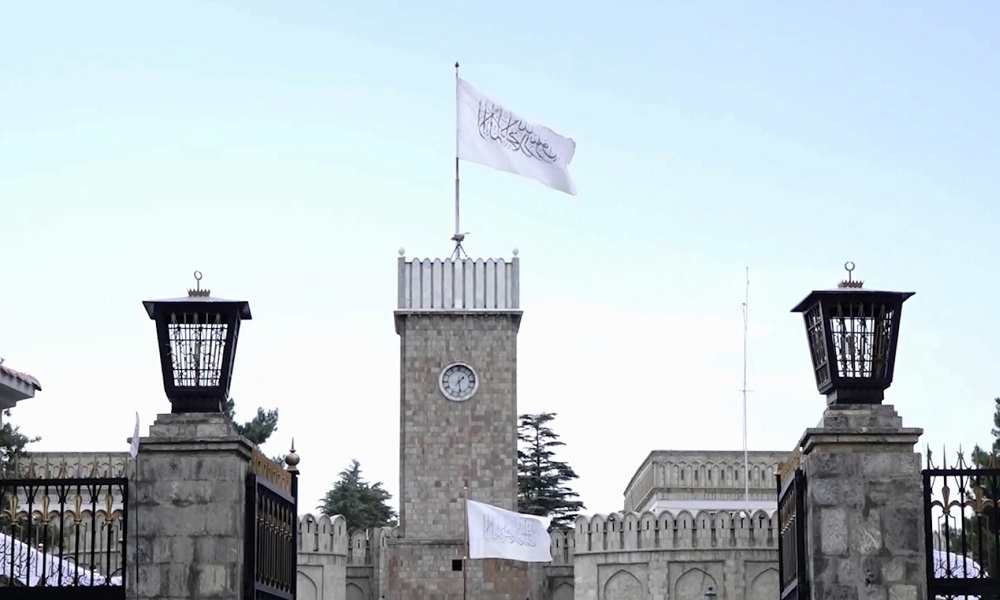
The Islamic Emirate of Afghanistan (IEA) has rejected claims made by Pakistan’s representative to the UN Security Council, Munir Akram, that Afghanistan is an ISIS (Daesh) “recruitment center”.
According to a statement issued by the foreign ministry, the IEA said the claims were unfounded and accused Pakistan of trying to shift focus away from its own internal issues.
The ministry reiterated that since the IEA’s return to power significant strides have been made to eradicate Daesh and other extremist groups in Afghanistan.
The foreign ministry stated that Pakistan is using these allegations as a distraction from its own instability. The ministry urged the international community to recognize the progress made in Afghanistan and to refrain from placing blame on the country.
This comes after Monday’s UN Security Council meeting where the threat of Daesh was discussed. The UN’s Under-Secretary-General for Counter-Terrorism, Vladimir Voronkov, said ISIS-K in Afghanistan (Daesh) “supporters plotted attacks in Europe and were actively seeking to recruit individuals from Central Asian States”.
Voronkov provided details on the global terrorism landscape during the past six months, and said “in Afghanistan, ISIL-Khorasan (Daesh) continued to pose a significant threat”.
Russia’s Ambassador to the United Nations also raised the issue of ISIS-K in Afghanistan and said the “access terrorist groups like ISIS have to leftover American weapons in Afghanistan” was concerning.
Afghanistan meanwhile does not have an Islamic Emirate representative at the UN and has repeatedly called for their seat to be handed over to them, stating any discussions on or including Afghanistan were meaningless without the IEA’s participation.
The Islamic Emirate has also repeatedly rejected claims of Daesh being active in Afghanistan and have said that the group has been eradicated in the country.
On the subject of US weapons in the country, the IEA has described such concerns as baseless and repeatedly stated that all US weapons and military equipment left behind are secured by the government, with no group or individual having access to them.



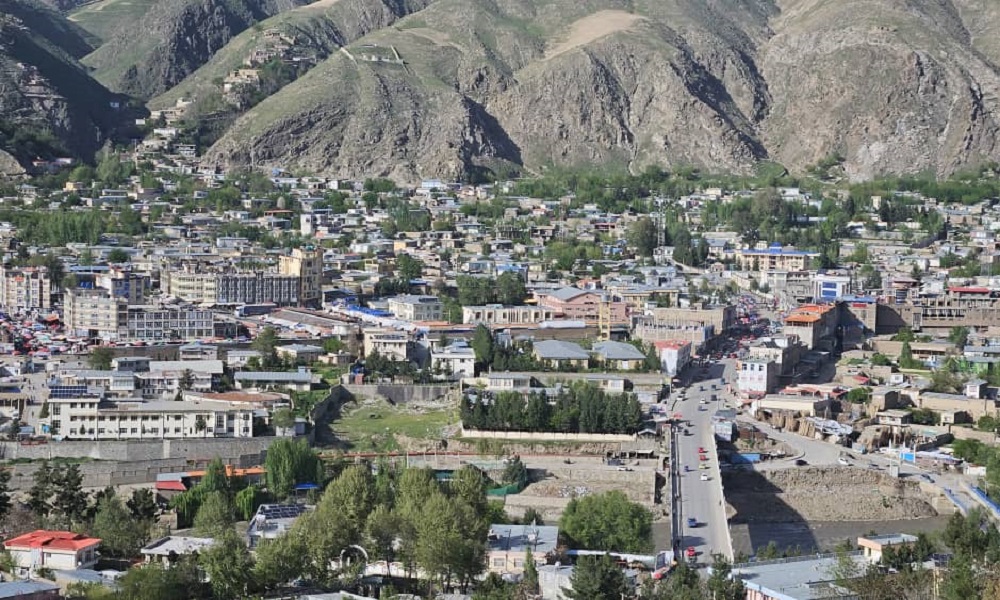
Ehsanullah Kamgar, spokesperson for the Badakhshan Provincial Police Command, said that 12 people were killed and three others were seriously injured in a traffic accident in Arghanjkhwah district of the province.
Kamgar added that the incident occurred at noon on Saturday in the Samdar area of Arghanjkhwah district.
According to him, the victims include men, women and children.
He explained that the incident happened when a Flancoach -type vehicle veered off the road due to poor road conditions and plunged into a ravine.
The injured were transferred to health centers for treatment, and the condition of some of them has been reported as critical.
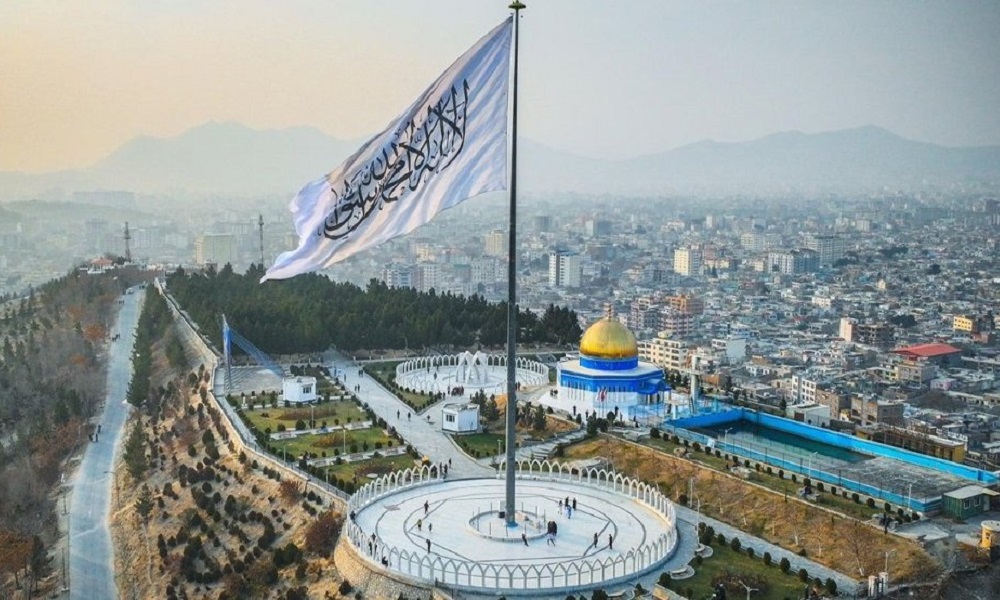
The Islamic Emirate of Afghanistan has approved a plan to grant foreign investors residency permits ranging from one to ten years in exchange for investment in the country.
The decision was endorsed during a regular meeting of the Economic Commission, chaired by Deputy Prime Minister for Economic Affairs Mullah Abdul Ghani Baradar.
According to a statement from the deputy PM’s office, a designated committee has been tasked with determining the length of residency based on the volume of investment, which will be categorized under specific criteria.
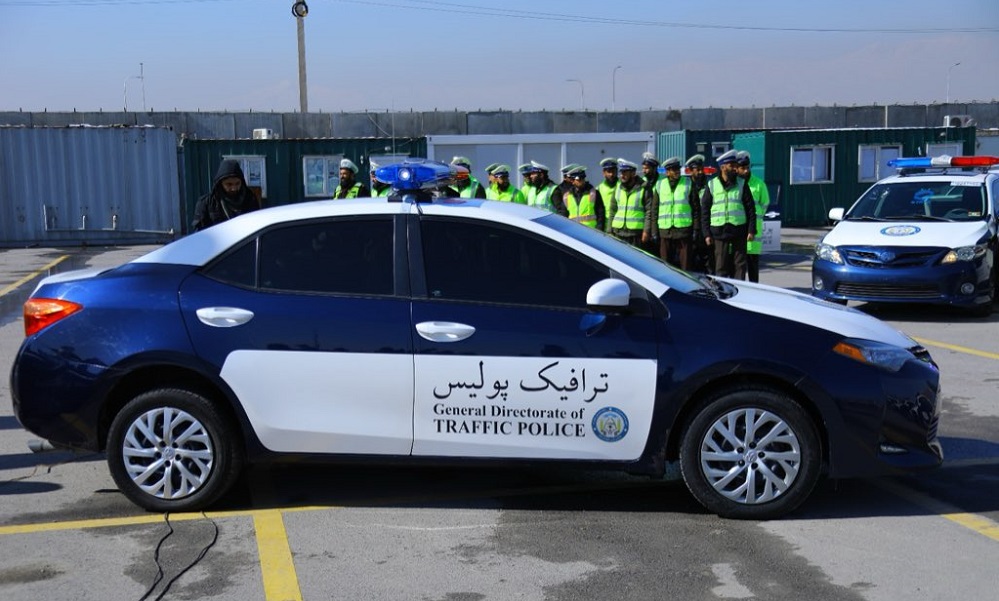
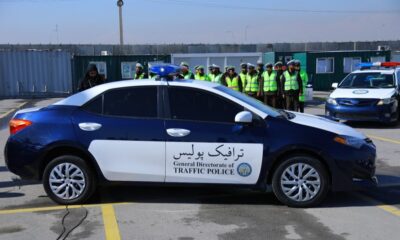
The Ministry of Interior has announced the delivery of several new, modern cars to the General Directorate of Traffic Police, replacing the older fleet that consisted mostly of trucks.
According to a ministry statement, the new vehicles, equipped with special traffic police colors, markings, and modern equipment, are expected to play a key role in maintaining traffic order in cities and on main roads, preventing accidents, and providing faster services to the public.


Tahawol: Kabul’s response to Pakistan’s new accusation discussed

Saar: Discussion on Iran-US talks in Oman

Iran clinch AFC Futsal Asian Cup 2026 in penalty shootout thriller

Traffic accident in Badakhshan leaves 12 dead, 3 injured

Afghanistan to grant one- to ten-year residency to foreign investors

ICG report says Pakistan most impacted by IEA’s return in Afghanistan

Afghanistan–China joint market opens in Kabul

Pakistan approves re-export of stranded Afghan transit trade cargo

ATN secures broadcast rights to Carabao Cup semis across Afghanistan

Pakistan army orders evacuation of Tirah Valley, fears of mass displacement grow
Tahawol: Kabul’s response to Pakistan’s new accusation discussed
Saar: Discussion on Iran-US talks in Oman

Tawsia: Afghanistan’s interest in buying Russian oil and gas

Tahawol: IEA calls UNSC’s Daesh concerns baseless

Saar: Afghanistan’s role in regional affairs discussed
-
 Sport4 days ago
Japan trumps Afghanistan 6-0 in AFC Futsal Asian Cup quarter-final
-
 Sport4 days ago
Hosts and heavyweights advance as AFC Futsal Asian Cup reaches semifinals
-
 Latest News3 days ago
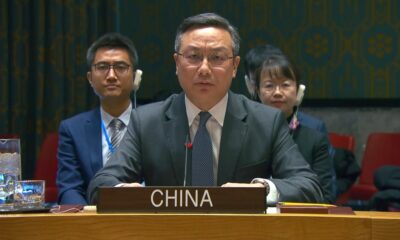
Terrorist threat in Afghanistan must be taken seriously, China tells UNSC
-
 Latest News4 days ago
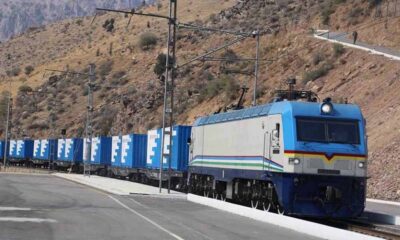
Uzbekistan, Pakistan advance Trans-Afghan railway project
-

 Business5 days ago
Afghanistan seeks expanded ties with Russia in energy, mining and infrastructure
-
 Sport3 days ago
Winter Olympics finally underway, ATN to broadcast exclusively across Afghanistan
-
 Sport3 days ago
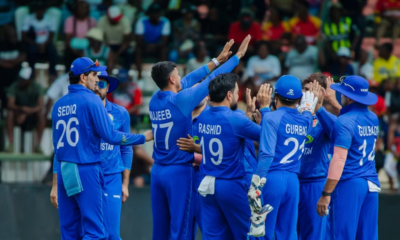
Afghanistan beat West Indies in final T20 WC warm-up match
-
 Regional4 days ago
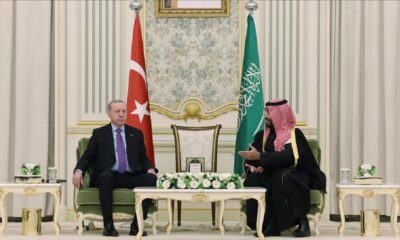
Turkish President Erdogan meets Saudi Crown Prince in Riyadh