
Latest News
IEA working to transform Afghanistan from conflict zone into hub of cooperation: Muttaqi
In his remarks, Muttaqi acknowledged both challenges and opportunities in Afghanistan’s relationship with Iran.

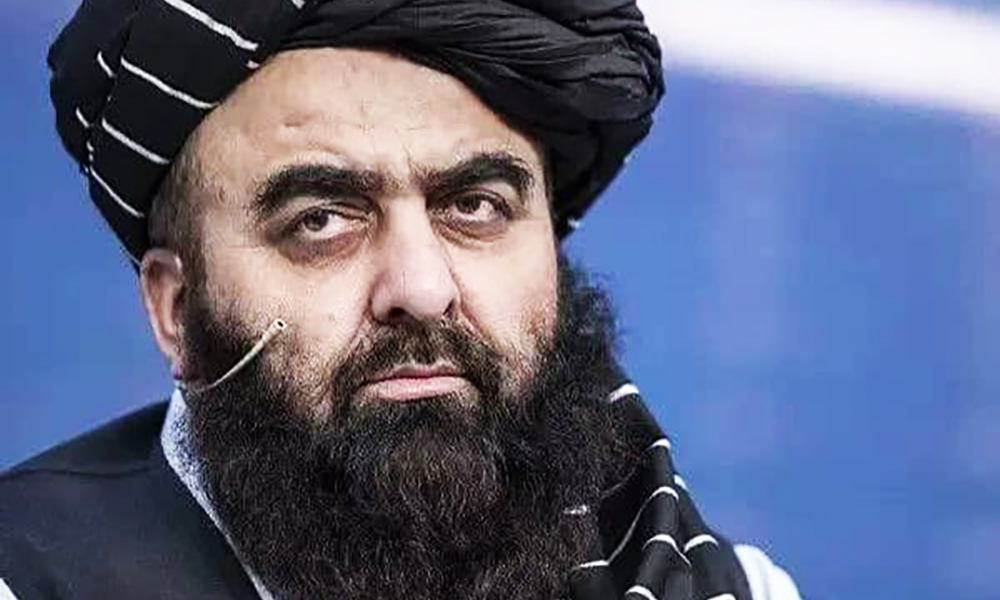
Afghanistan’s Acting Foreign Minister, Amir Khan Muttaqi, has said the Islamic Emirate is working to transform Afghanistan from a point of contention among global powers into a center of understanding and cooperation among nations.
Speaking at the Tehran Dialogue Forum, Muttaqi emphasized that Afghanistan has entered a new phase in its political life, after nearly half a century of turmoil, and can now play a positive role as a regional hub for connectivity, trade, and energy transit in both regional and international developments.
In his remarks, Muttaqi acknowledged both challenges and opportunities in Afghanistan’s relationship with Iran.
He stressed that the Islamic Emirate holds no ill intentions toward Iran and is committed to upholding its water rights from the Helmand River in accordance with existing treaties.
“Afghanistan has entered a new phase in its political life after 47 years of disorder, particularly following the last two decades of foreign occupation. Today, the country can serve as a crossroads for regional convergence, trade, and energy transit,” Muttaqi said.
“In less than four years, we have successfully ensured nationwide security and eliminated threats from ISIS and other destabilizing elements.”
He also highlighted that the Islamic Emirate pursues a balanced, economy-driven foreign policy.
“We proceed cautiously and deliberately,” he said, “crafting a foreign policy that is both balanced and centered on economic cooperation. We are engaging with all parties and collaborating with regional and extra-regional countries based on mutual respect and shared interests.
Our goal is to safeguard current security and stability while fostering economic prosperity through close regional partnerships.”
Addressing a question on Iran’s water rights, Muttaqi reiterated that the Islamic Emirate considers the delivery of water under the Helmand Treaty not only a legal obligation but a religious duty.
“This is both a religious and moral responsibility for us. If a fellow Muslim is suffering from thirst and we are in a position to help, we see it as both a virtuous act and sound policy.
“The people of the Islamic Republic of Iran should have no concerns; we harbor no ill intent.”
Muttaqi also touched on the issue of Afghan refugees in Iran, expressing deep appreciation for the hospitality extended by Iran over the past four decades. “Afghanistan will not forget Iran’s support in hosting Afghan refugees during difficult times.”
Meanwhile, Iranian police chief General Ahmad Reza Radan, in a separate meeting with Iranian security officials, asserted that the identification and deportation of Afghan migrants would continue.



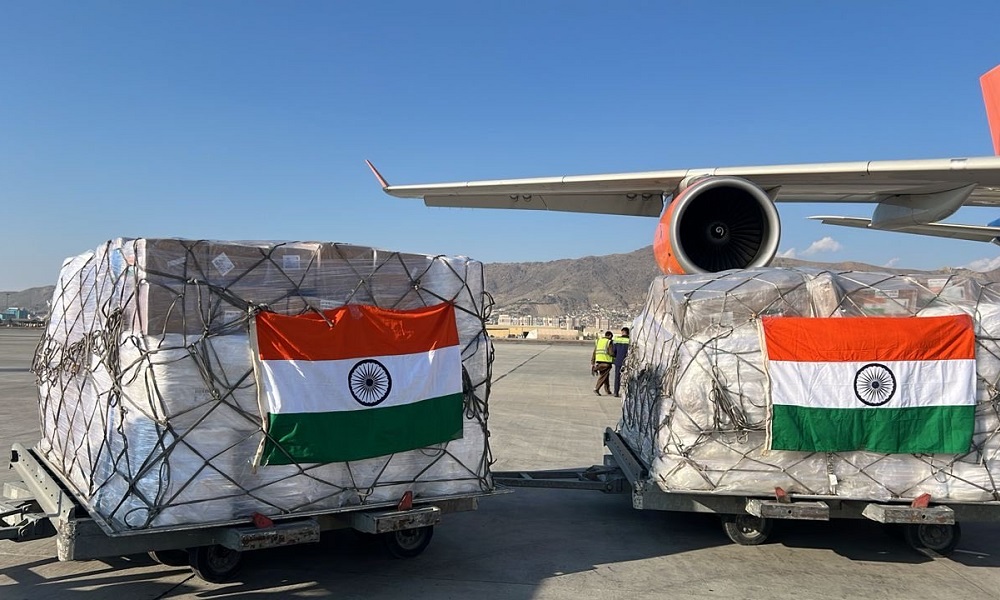
Randhir Jaiswal, spokesperson for India’s Ministry of External Affairs, announced on Friday that a 2.5-ton consignment, including emergency medicines, medical disposables, kits, and equipment has been delivered to Kabul.
According to him, the aid shipment is intended to support the swift recovery of those injured in the recent airstrike by Pakistan’s military regime.
He emphasized that India stands with the people of Afghanistan and will continue to provide all possible humanitarian assistance.
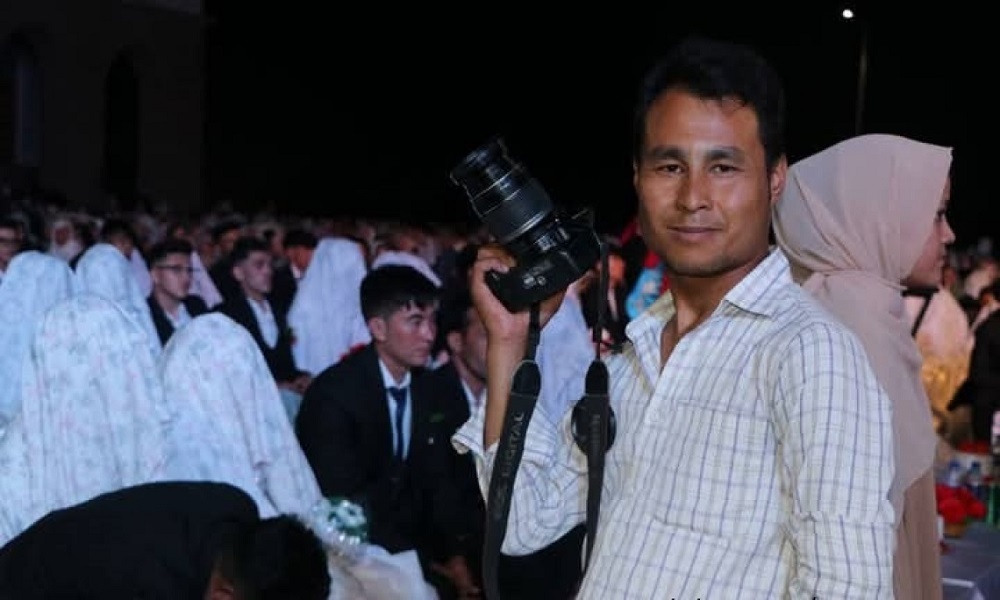
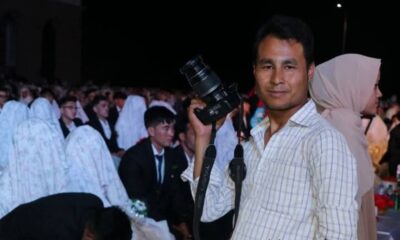
The Afghanistan Journalists Center (AFJC) has announced that Mahdi Ansary, a reporter for the Afghan News Agency (AFKA), has been released after serving one and a half years in Bagram prison.
In a statement welcoming his release, AFJC emphasized that the fundamental rights of this journalist—who had been tried and imprisoned on charges of cooperating with exiled and foreign media—were “seriously” violated.
Ansari was arrested on October 5, 2023, after returning from his workplace in Kabul.
He was sentenced on January 1, 2024 by the Kabul Primary Court to one and a half years in prison on charges of “propaganda against the Islamic Emirate.”
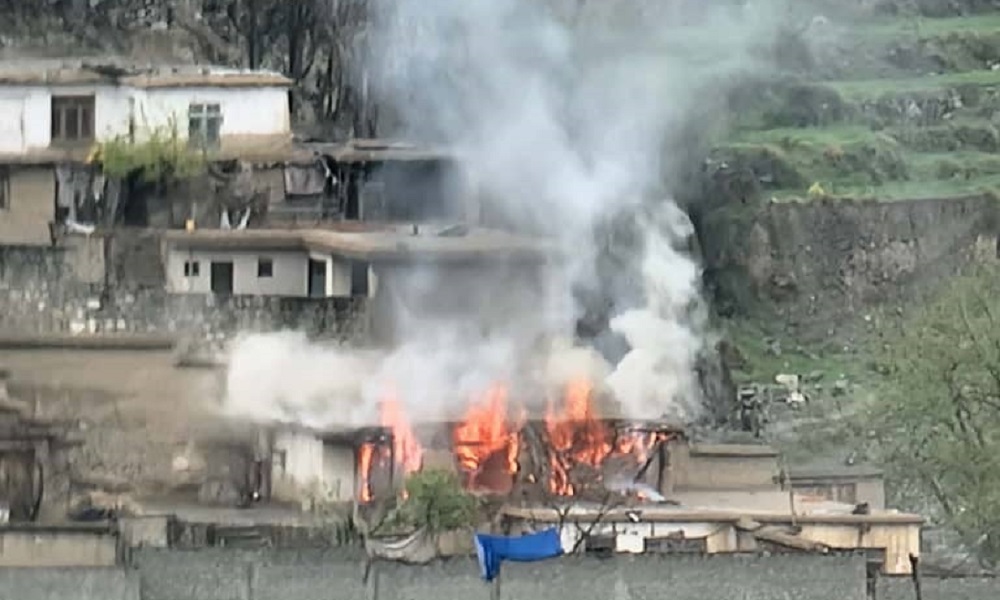
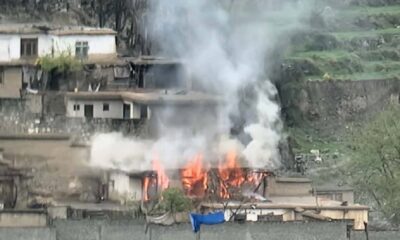
Farid Dehqan, spokesperson for the Khas Kunar police command, said that rocket attacks by the Pakistani military regime are still ongoing in the province.
These attacks come despite earlier announcements by the Pakistani military of a temporary ceasefire for Eid.


Tawsia: Assessment of Afghanistan’s economic activities in 1404

India sends 2.5-ton medical shipment to Afghanistan

Trump compares Iran strikes to Pearl Harbor in meeting with Japan’s leader

Afghanistan national buzkashi falls short in Kokpar World Championship semifinals

Mahdi Ansary, local journalist, released from prison

Pakistani military jet downed in Afghanistan’s Jalalabad, pilot captured alive

Afghan Air Force conducts airstrikes in Islamabad, other cities

Afghanistan welcomes investment and technology partnerships with India

Prominent Muslim scholar issues fatwa calling for Afghanistan-Pakistan ceasefire

Afghan air force strikes key Pakistani military installations in retaliatory operation
Tawsia: Assessment of Afghanistan’s economic activities in 1404

Tahawol: Temporary ceasefire draws broad support

Saar: Emphasis on resolving conflicts through diplomacy

Tahawol: Global reactions to Pakistan’s recent attacks discussed

Saar: Consequences of Pakistani airstrikes on Afghans discussed
-
 Latest News4 days ago
IEA Supreme Leader issues Eid-ul-Fitr message urging unity and support for Islamic system
-

 Business5 days ago
Turkmenistan, Afghanistan discuss steps to speed up land acquisition for TAPI pipeline
-
 Latest News2 days ago
IEA announces temporary pause in defensive operations against Pakistan for Eid
-
 Latest News3 days ago
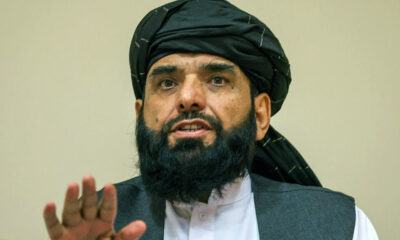
Pakistan opposes normal Afghanistan–India relations: Shaheen
-
 Sport3 days ago
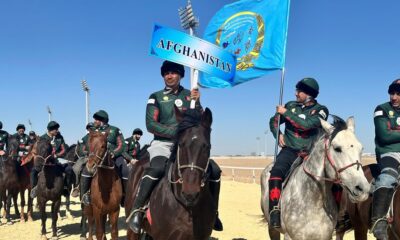
Afghanistan national buzkashi team defeats Hungary 14–0
-
 Latest News5 days ago
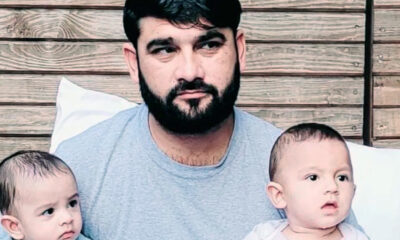
CAIR-Texas calls for probe after Afghan refugee dies in ICE custody
-
 Latest News4 days ago
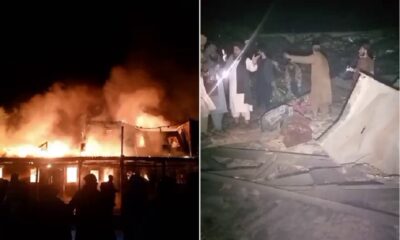
IEA condemns alleged airstrike by Pakistan on drug treatment hospital in Kabul
-
 Latest News4 days ago
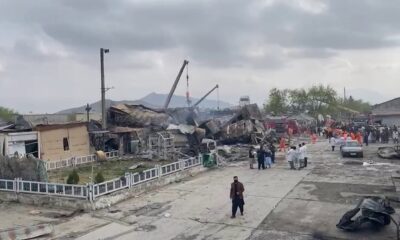
Afghanistan warns Pakistan of ‘teeth-breaking’ response after deadly Kabul bombing