
Latest News
IMU leader killed in ANDS operation in north: MoD

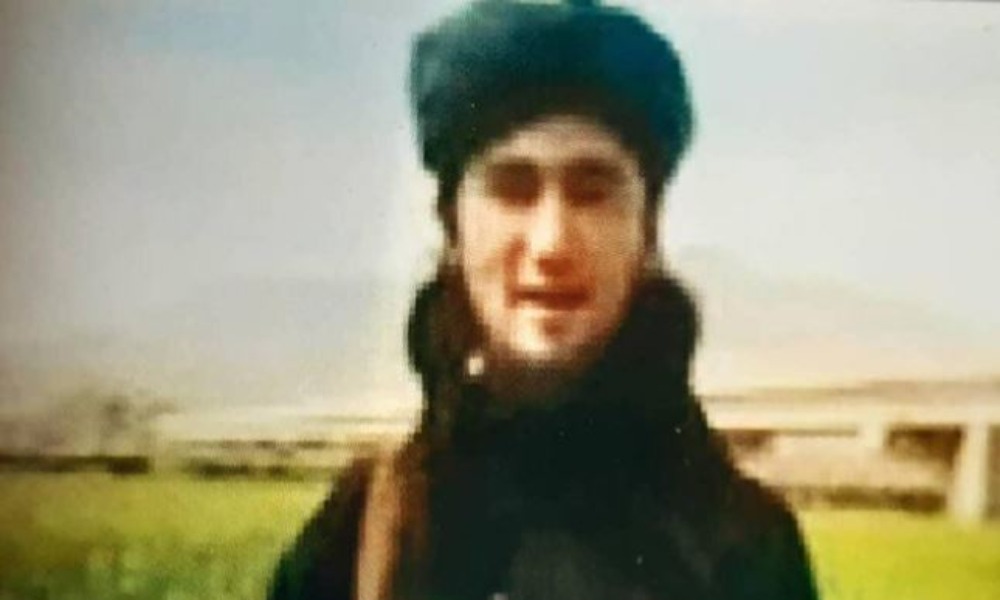
Aziz Yuldash, the leader of the Islamic Movement of Uzbekistan (IMU), was killed in an operation by Afghan forces in the northern province of Faryab, Ministry of Defense statement said on Thursday.
The operation was launched in Sayed Gul village in Ghormach district in the province, and Yuldash’s son, Hekmat, was wounded in the operation, read the statement.
“Yuldash had been involved in terrorist attacks and killing of Afghans in the northern provinces,” the statement said.
The Ministry of Defense did not provide further details.
This comes after two days ago (Tuesday) Mohammad Hanif Alias Abdullah leader of Al-Qaeda for the Indian Sub-continent was killed by the National Directorate of Security (NDS) Special Forces in an operation in the Bakwa district of Farah province.
Hanif, a Pakistani national and a very close aide to Asim Omer, was given shelter and protection by the Taliban, NDS statement said.
He also was deputy so-called Amir for AQIS for a period, the statement noted.
The statement further indicated that Hanif also had close ties with the Taliban and assisted and trained the Taliban members in explosives, car bombs, and improvised explosive devices.
The Taliban, however, did not comment yet.
Back in July this year the United Nations Security Council stated in a report that beside AlQaeda a number of other terrorist groups are also active in Afghanistan, most operating under the umbrella of the Taliban but some aligned with Daesh.
The death of Abdukholik, the head of the Uzbek fighters in Daesh, in January 2020, contributed to the departure of some of the Uzbek component of the group, in particular family members.
One group of Central Asian fighters went to Faryab province, where they joined the 1,500-strong Islamic Movement of Uzbekistan (IMU) group. Another reportedly traveled to Kabul province, planning to leave Afghanistan via Iran for Turkey to join the local pro-Daesh Central Asian diaspora.
The Taliban has rejected their ties with al-Qaeda and other terrorist groups.





Latest News
People need sports and recreation, says Anas Haqqani
Haqqani said Afghanistan has the capacity to grow in various sectors and would not face problems similar to those experienced during the presence of the Soviet Union and the United States in the country.
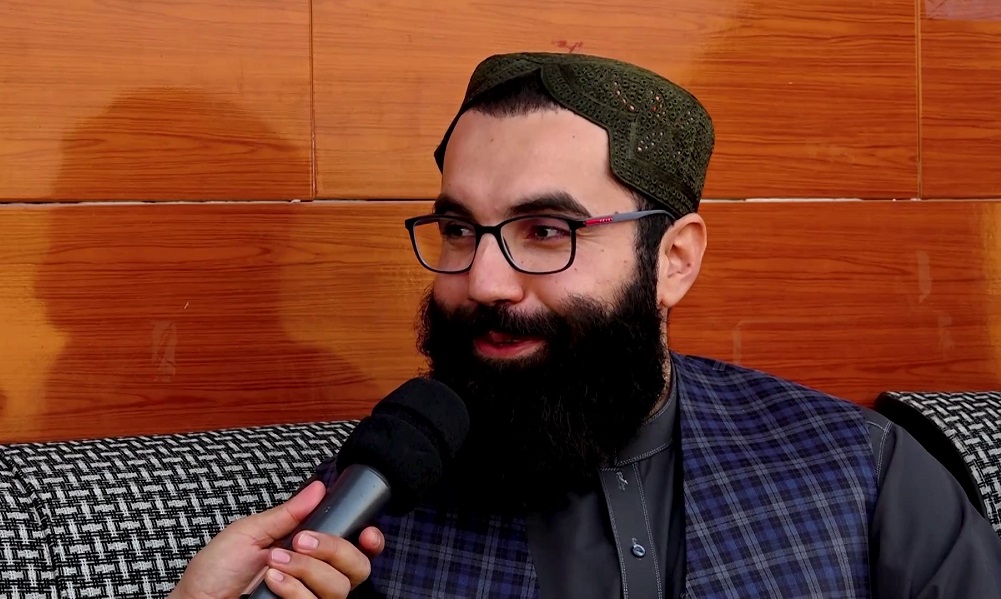
Anas Haqqani, a senior member of the Islamic Emirate, says sports and recreation are among human needs and that people should make time for them, whether they are involved in politics or education.
He made the remarks on Sunday while attending matches of the Afghanistan Champions League (ACL) at the Afghanistan Football Federation stadium in Kabul. He described the participation of foreign players in the competition as an important step forward for Afghan football.
“Whether a person is engaged in education or politics, they need to make time for sports and recreation. For us, this was also a very enjoyable atmosphere and experience,” Haqqani said.
He added that he is passionate about football and volleyball, has professional knowledge of football, and continues to practise volleyball. He also said he had experience playing and training in cricket.
Haqqani said Afghanistan has the capacity to grow in various sectors and would not face problems similar to those experienced during the presence of the Soviet Union and the United States in the country.
“Afghanistan has the capacity to make progress in every field and compete with other nations in every sector,” he said.
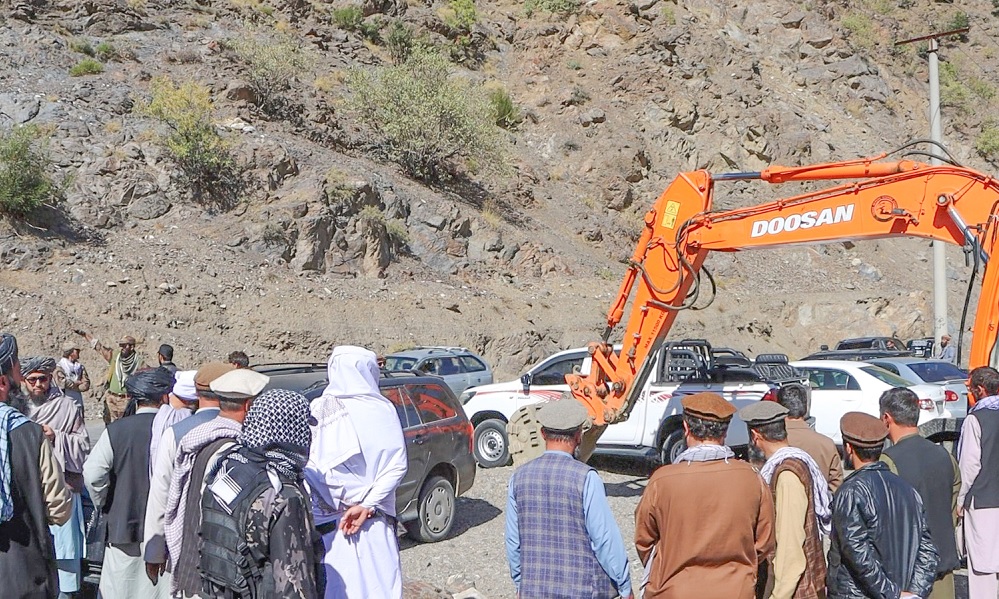
The Ministry of Public Works of the Islamic Emirate of Afghanistan (IEA) has launched a 40 million afghani (AFN) project to rehabilitate 45 kilometres of the main road in Panjshir province, aiming to improve road conditions and facilitate safer travel.
The project was officially inaugurated in the presence of Panjshir Governor Mohammad Agha Hakim, provincial Public Works Director Mohammad Fahim Muwahid, local officials and tribal elders.
The rehabilitation work begins in the Dalan Sang area of Shutul district and extends to Doabi in Baharak Bazaarak. It includes repairing and patching the road surface, constructing gabion retaining walls, building culverts and roadside drainage channels, as well as other related works.
According to the Ministry of Public Works, the project has been contracted to the private sector. Its implementation is expected to prevent further deterioration of the road and ease transportation difficulties for residents.
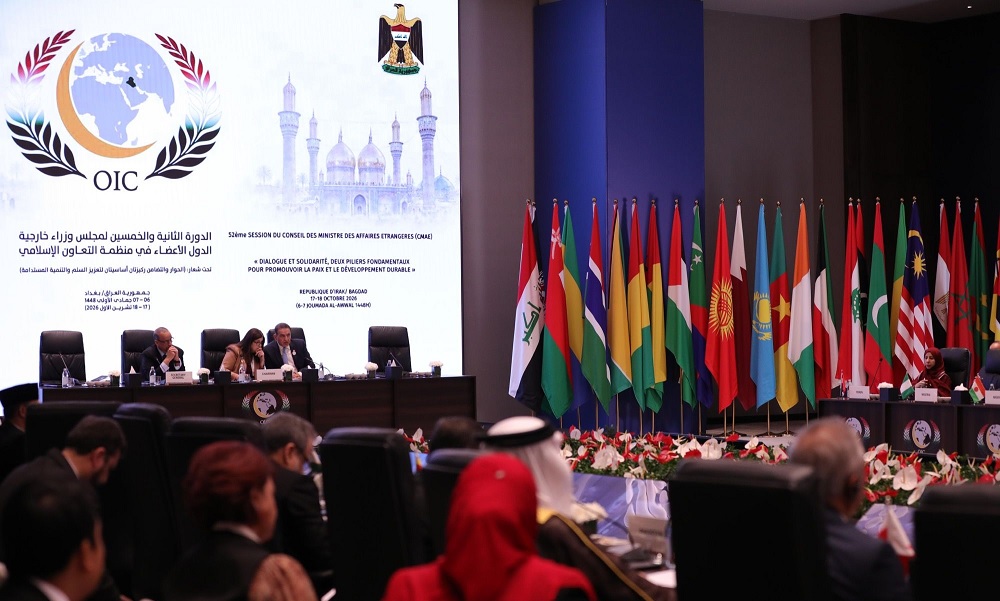
“In Afghanistan, we will continue dialogue with the de facto authorities on the rights of women and girls to education and work, based on Islamic values, and support the humanitarian and economic needs of the Afghan people,” he said addressing the OIC Council of Foreign Ministers in Baghdad, Iraq.
At the meeting, Turkish Foreign Minister Hakan Fidan also said the situation in Afghanistan, Sudan and Somalia was challenging and should be at the top of the meeting’s agenda.


People need sports and recreation, says Anas Haqqani

IEA launches 40 million afghani road rehabilitation project in Panjshir

Violent protests spread across Europe as Albanian PM blames ‘foreign hand’

Greek coast guard says 12 migrants die in Aegean sea crossings

Afghanistan finish runners-up after 6-0 defeat to Brazil in futsal final

Cricket Bonanza: Afghanistan set for packed international schedule

Afghanistan says 28 killed, 32 captured in Nuristan operation

Silk Road highway in Wakhan corridor now reaches the China border

CNN, MS NOW and Politico sue Trump, challenging White House ban

Dogharoun handles 60% of Iran’s exports to Afghanistan
Violent protests spread across Europe as Albanian PM blames ‘foreign hand’

Tahawol: Afghanistan’s empty seat at OIC Meeting

Saar: Islamic Emirate–Pakistan clashes discussed

France rocked by nationwide clashes, looting and fires

Tahawol: Russian economic delegation’s visit to Kabul
-
 Latest News4 days ago
India, Russia hold security talks on Afghanistan and Pakistan amid regional tensions
-
 Latest News4 days ago
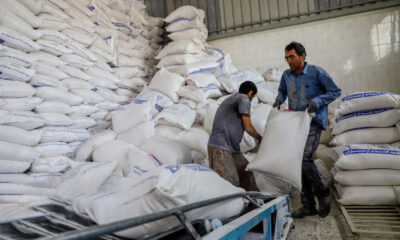
Uzbekistan gains ground in Afghanistan’s flour market as Kazakhstan loses exports
-
 Sport1 day ago
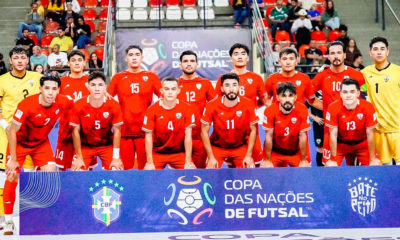
Afghanistan reach Brazil futsal tournament final after beating Cape Verde 4-2
-
 Latest News5 days ago
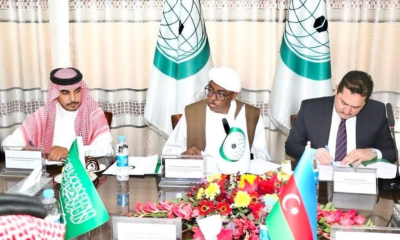
OIC envoy briefs Kabul diplomats on talks with Afghan authorities
-
 Regional4 days ago
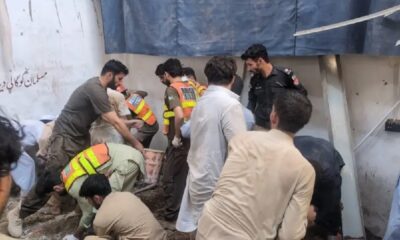
School roof collapse kills teacher, 21 children in NW Pakistan
-
 Latest News4 days ago
Iran says nearly 60,000 Afghan students attend its universities, urges more refugee aid
-
 Latest News4 days ago
Afghanistan, Saudi Arabia discuss solar and wind energy cooperation
-
 Business3 days ago
Regional partners seek progress on Trans-Afghan corridor and CASA railway