
Latest News
Japan Signs Two Agreements for Health Services, Eradication of Polio in Afghanistan

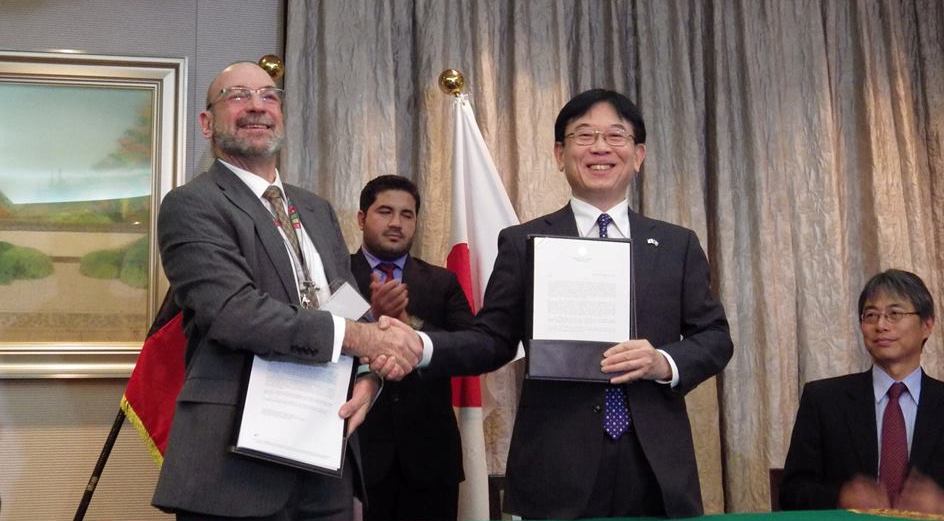
 The Japan Embassy in Kabul has signed two agreements with the UNICEF and UNDP and donated 17.7 million USD to provide life-saving vaccines for children and promote rural development in border areas in Afghanistan.
The embassy announced, “the new projects are to help eradicate polio and prevent the spread of other deceases in Afghanistan, and to improve the livelihood in Tajik-Afghan cross-border areas for improvement of self-reliance and stability of the region.”
The projects approximately worth $8.6 million and $9.1 million, respectively, will help to procure the vaccines to protect 10.3 million children against polio, reach 1.37 million children with routine immunization and 2.5 million women of child bearing age in Afghanistan, and improve the livelihood of 1.8 million people living in border districts in Tajikistan and Afghanistan.
In the UNICEF’s Project “Infectious Diseases Prevention for Children in Afghanistan” (USD 8.6m), the contribution from the people of Japan will be used to procure routine vaccines for an annual cohort of some 1.37 million children under the age of one.
The vaccines include BCG against tuberculosis, Oral Polio Vaccine (OPV) for poliomyelitis, Meals vaccine and Hepatitis B.
In addition, some 2.5 million women of child-bearing age will benefit from the purchase of Tetanus Toxoid vaccine. These vaccines will be available for free at all health facilities and through the polio campaign.
At the signing ceremony, Ferozudin Feroz, Minister of Public Health said, “With continued support from the Government of Japan, we have succeeded in ensuring the provision of health services including the immunization services for the children and mothers of Afghanistan. We assure you that we will maintain our focus on routine immunization as one of the key pillars for stopping the circulation of the polio virus in Afghanistan. We hope that you will continue to keep routine immunization in Afghanistan as one of your top priorities, and I wish to thank you in advance for your future support to the Routine Immunization Programme in Afghanistan.”
The UNDP’s Project“Livelihood Improvement in Tajik-Afghan Cross-Border Areas (LITACA) Phase II” (USD 9.1 M) will be built on the past achievements of LITACA Phase I, which was also funded by the Government of Japan.
The project aims to improve living standards of the people in six districts in four provinces in Afghanistan (Shahr-e-buzurg District in Badakhshan Province, Cha Ab, Yang-e-Qala and Dasht-e-Qala Districts in Takhar Province, Imam Sahib District of Kunduz Province, and Khulm District of Balkh province) and eight districts in Khatlon Province in Tajikistan.
Furthermore, the project intends to promote stability and security of these cross-border areas, by ensuring self-reliance of the local people, reducing poverty, supporting economic development of the regions and encouraging cross-border collaboration among the communities. LITACA II will be implemented in line with the Citizen’s Charter of the Government of Afghanistan.
Japan has been assisting Afghanistan’s nation-building efforts in various fields including security, infrastructure, agriculture, rural development, human capacity development, education, health, culture and humanitarian assistance. The cumulative Japanese assistance to Afghanistan since 2001 amounts to $6.4 billion.
Edited by: Muhammad ZackArya

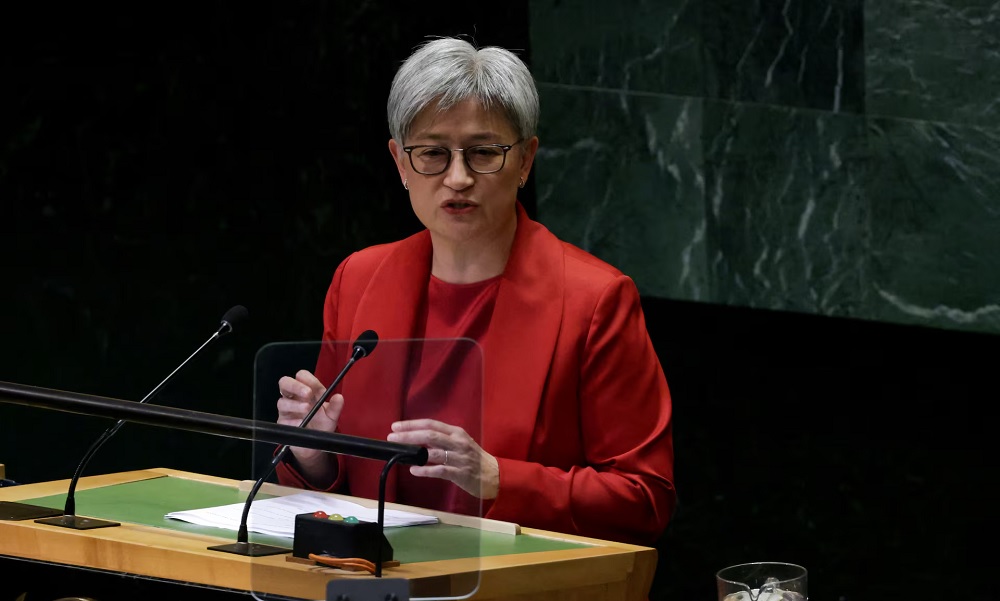
Australia on Saturday announced financial sanctions and travel bans on four senior officials of the Islamic Emirate of Afghanistan (IEA), citing what it described as a worsening human rights situation in the country, particularly for women and girls.
Foreign Minister Penny Wong said the targeted officials were involved “in the oppression of women and girls and in undermining good governance or the rule of law.”
Australia had been part of the NATO-led international mission in Afghanistan before withdrawing its troops in August 2021.
Wong said the sanctions target three IEA ministers and the IEA’s chief justice, accusing them of restricting women’s and girls’ access to education, employment, freedom of movement, and participation in public life.
The officials include Mohammad Khalid Hanafi, Minister for the Propagation of Virtue and the Prevention of Vice; Neda Mohammad Nadeem, Minister of Higher Education; Abdul Hakim Sharei, Minister of Justice; and Chief Justice Abdul Hakim Haqqani.
According to Wong, the measures fall under Australia’s new sanctions framework, which allows Canberra to “directly impose its own sanctions and travel bans to increase pressure on the Taliban (IEA), targeting the oppression of the Afghan people.”
Responding to the announcement, Saif-ul-Islam Khaibar, spokesperson for the Ministry for the Propagation of Virtue and the Prevention of Vice, criticized the sanctions.
He claimed that countries imposing such measures “are themselves violators of women’s rights” and called Australia’s move an insult to the religious and cultural values of Afghans.
Khaibar added that the IEA has “stopped rights violations of hundreds of thousands of women over the past four years.”
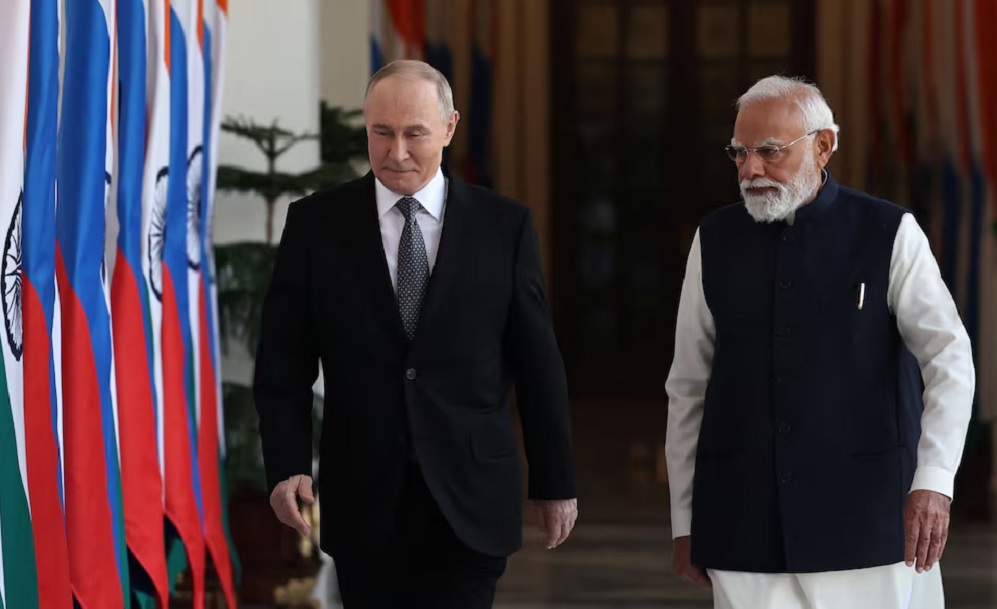
During Russian President Vladimir Putin’s visit to New Delhi, India and Russia issued a joint statement highlighting their close coordination on Afghanistan. Both sides appreciated the ongoing dialogue between their respective Security Councils and underscored the significance of the Moscow Format meetings in promoting regional stability.
The leaders welcomed counter-terrorism efforts targeting international terrorist groups, including ISIS, ISKP, and their affiliates, expressing confidence in a comprehensive and effective approach to combating terrorism in Afghanistan. They also stressed the urgent need to ensure uninterrupted humanitarian assistance to the Afghan people.
India and Russia have maintained close ties on regional security, particularly concerning developments in Afghanistan following the Islamic Emirate’s return to power in 2021. The Moscow Format, a diplomatic platform including Afghanistan’s neighbors, has played a key role in facilitating dialogue on peace, stability, and counter-terrorism in the region.
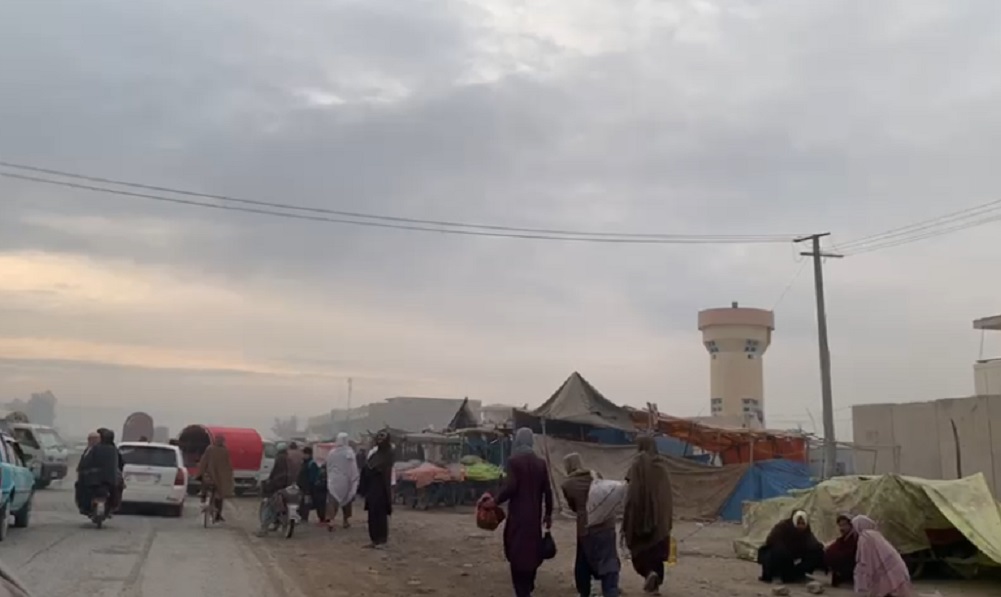
Five civilians were killed and five others wounded in firing by Pakistani troops on Spin Boldak district of Kandahar province late on Friday, sources told Ariana News.
The attack comes two days after a new round of peace talks between Afghanistan and Pakistan reportedly ended without a breakthrough, though both sides agreed to continue their fragile ceasefire.
The recent talks in Saudi Arabia were the latest in a series of meetings hosted by Qatar, Turkey and Saudi Arabia aimed at easing tensions after deadly clashes near the Durand Line in October. Dozens were killed in the clashes in October.
Islamabad claims that Afghanistan-based militants carried out the recent attacks in Pakistan. Kabul denies the allegations, saying it cannot be held responsible for security inside Pakistan.
Zabihullah Mujahid, spokesman for the Islamic Emirate, said Afghan forces had responded to the recent Pakistani attacks.


Pakistan says trade with Afghanistan will remain suspended until security assurances

Australia imposes sanctions, travel bans on four IEA officials

India and Russia stress counter-terrorism, humanitarian support for Afghanistan

FIFA confirms all 12 groups for 2026 World Cup

Five civilians killed in firing by Pakistani forces on Kandahar’s Spin Boldak

Islamic Development Bank to build standard cardiac hospital in Kabul

Pakistan will lose big market in both Afghanistan, Central Asia: Sarhadi

Afghanistan records $580m in fruit exports in six months

Türkiye leads Riyadh 2025 Islamic Solidarity Games medal table

Tashkent: Central Asian leaders say regional stability hinges on Afghanistan

Tawsia: Kabul’s conditions for trade with Pakistan discussed

Tahawol: Kabul’s terms for trade with Islamabad discussed

Saar: Strengthening Afghanistan-Iran economic ties discussed

Saar: US reviewing its withdrawal from Afghanistan discussed

Tahawol: Moves toward peace between Kabul-Islamabad discussed
-

 International Sports4 days ago
Star-studded squads set to ignite DP World ILT20 Season 4
-
 Latest News4 days ago
10 Afghans killed in Farah border shooting by Iranian forces
-
 Business4 days ago
Ariana Airlines deepens cooperation with Turkish Airlines
-
 Latest News4 days ago
UN Security Council to review rising Afghanistan–Pakistan tensions
-
 Latest News4 days ago
China urges Tajikistan to protect citizens after border attack
-
 Latest News3 days ago
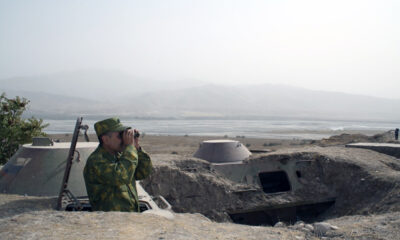
Situation along Afghan-Tajik border “not stable,” says Dushanbe
-
 Regional4 days ago
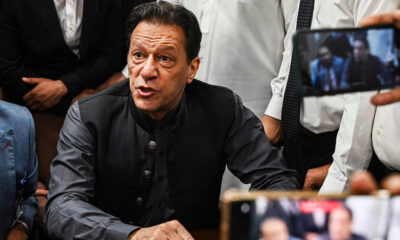
Sons of Pakistan’s jailed Imran Khan voice fears for his safety
-
 Latest News3 days ago
New meeting between Afghanistan and Pakistan held in Saudi Arabia