
Sport
JOC executive says Tokyo Games should be held without spectators

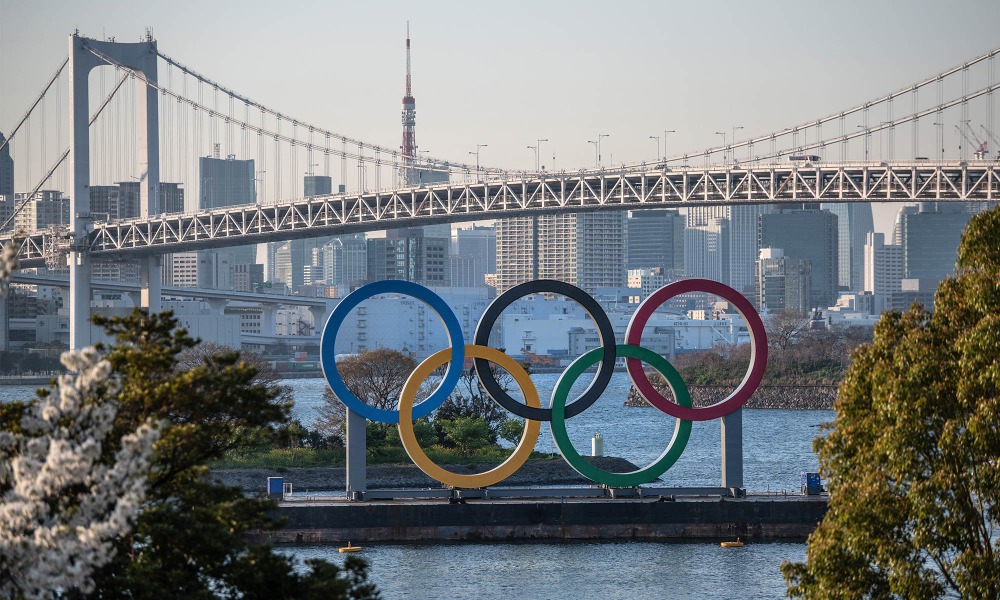
One of Japan’s sporting legends and an executive of the country’s Olympic committee said on Friday the Tokyo Games should be held without spectators to ensure the safety of the public and accused the organisers of using a “double standard”.
The Japanese Olympic Committee (JOC) board member Kaori Yamaguchi, an Olympic judo medallist, said the government was “confusing” the people by asking them to stay at home and imposing curbs while putting on the global sports showpiece.
Polls have shown most Japanese oppose holding the Games this year, worried about a slow vaccination rollout and the flood of athletes and officials from overseas. Japan has effectively been closed to foreign visitors since the pandemic broke out.
“There’s this fear inside everyone that if people start moving around Japan again, the infections would spread right at the time when they have peaked out and people can live safe lives again,” said Yamaguchi, one of the few lone voices openly critical of the Olympics in the world of Japanese sports.
“If we were to limit the virus and be careful about it, I’d say we should hold the Games without spectators,” Yamaguchi told Reuters in a Zoom interview.
Already postponed from last year because of the pandemic, a scaled-down version of the Games with no foreign spectators is set to start on July 23 despite public fears it could drain medical resources and spread the coronavirus as Japan appears to have contained the fourth wave of infections.
The decision on the domestic spectators — and whether to lift the state of emergency in Tokyo and several other areas — is expected later this month.
The government’s most senior medical adviser, Shigeru Omi, has been voicing his concerns in parliament over the last week, warning that the biggest risk was the increased movement of the public, which has contributed to past rises in infections.
Despite the opposition, the Japanese government and the organisers have dug in their heels, saying the Games would go ahead “barring Armageddon”, as one International Olympic Committee (IOC) member put it.
Yamaguchi, who won a bronze medal at the 1988 Seoul Games, has expressed her dismay at such pronouncements, adding she thought the organisers “avoided dialogue” and that the IOC “seems to think that public opinion in Japan is not important.”
During the interview, she also accused Prime Minister Yoshihide Suga and Olympics Minister Tamayo Marukawa of “not sufficiently explaining” to people why they should think the Games are “safe and secure”.
“Even though the infections have eased, they ask people to be careful, to not drink alcohol, to not go out, but they also say: ‘enjoy the Olympics’ — so the citizens are confused by this double standard,” said Yamaguchi.
Japan has recorded more than 760,000 COVID-19 cases and more than 13,800 deaths, while only 12% of its population has received at least one vaccination shot — far behind other major economies.
Yamaguchi added that the appropriate message the organisers should be sending to the public right now was: “we’re not getting carried away”.
“I’m not saying people shouldn’t have fun, but I want them to have this stance: we still haven’t won with corona, we’re still in danger.
“It’s the same as in sports: the most dangerous moment is when you think you’ve won. Typically, that’s when you get beaten up.”





Sport
IPL 2026: Ishan Kishan named Sunrisers’ interim captain ahead of opening clash
Kishan, 27, arrives at the leadership role on the back of strong recent form and growing stature in international cricket.
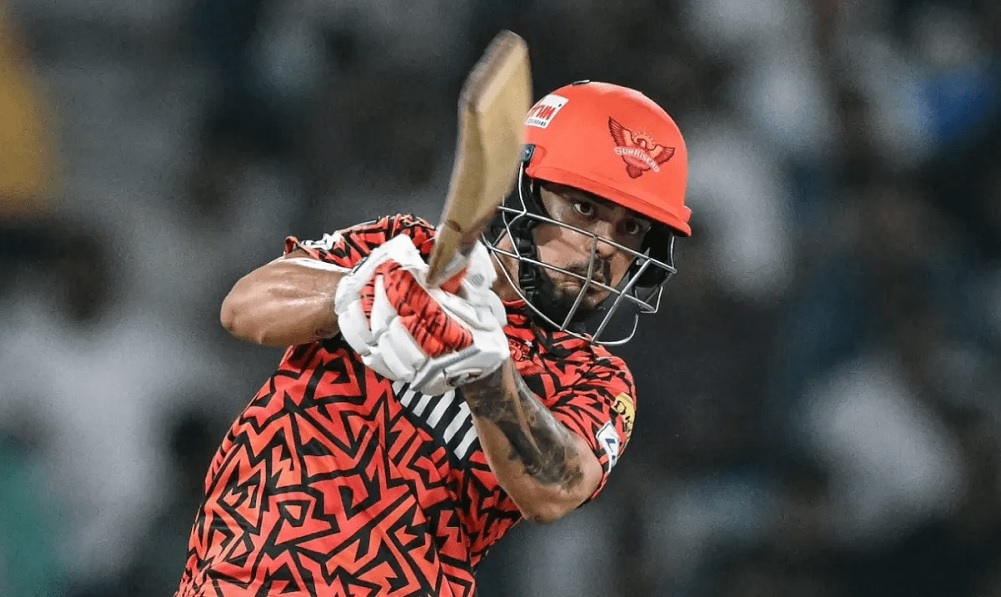
With just days to go before the curtain rises on the Indian Premier League 2026 season, anticipation is building among fans worldwide for what promises to be another high-octane edition of cricket’s most lucrative T20 competition.
The 2026 campaign is set to get underway on Saturday, March 28, meaning there are less than five days remaining until the opening match.
Defending champions Royal Challengers Bengaluru will host Sunrisers Hyderabad in Bengaluru, kicking off a tournament expected to deliver fresh rivalries, emerging stars, and dramatic finishes.
New leadership shift at Sunrisers
In one of the major developments ahead of the new season, Sunrisers Hyderabad—champions of the 2016 edition—have appointed Ishan Kishan as interim captain. The decision comes as regular skipper Pat Cummins continues his recovery from injury and is set to miss the opening matches.
Kishan, 27, arrives at the leadership role on the back of strong recent form and growing stature in international cricket. The explosive left-handed batter was a key contributor to India’s victorious campaign at the ICC Men’s T20 World Cup 2026 and has quickly become one of the most dynamic players in the shortest format.
He joined Sunrisers for INR 11.25 crore (about $1.2 million) during the mega auction ahead of the 2025 season and made an immediate impact.
Last season, Kishan scored 354 runs in 14 matches at an average of 35.40, maintaining an impressive strike rate of 152.58. He also announced himself in style with a blistering unbeaten 106 off just 47 deliveries in his debut match against Rajasthan Royals.
Young Indian talent Abhishek Sharma has been named vice-captain and will support Kishan in leading the side during the early phase of the tournament.
Opening clash and season expectations
Sunrisers face a tough start as they take on the defending champions RCB in the tournament opener, a match that is already generating significant buzz. With several teams undergoing squad reshuffles and strategic changes following recent auctions, IPL 2026 is expected to showcase a new competitive balance across franchises.
Broadcast details for Afghanistan
Fans in Afghanistan will be able to follow every moment of the action live, as Ariana Radio and Television Network (ATN) holds exclusive broadcasting rights for the tournament in the country. Matches will be aired live and exclusively on Ariana Television.
Viewers are also encouraged to follow Ariana TV and Ariana News across social media platforms for the latest updates, breaking news, and in-depth coverage throughout the tournament.
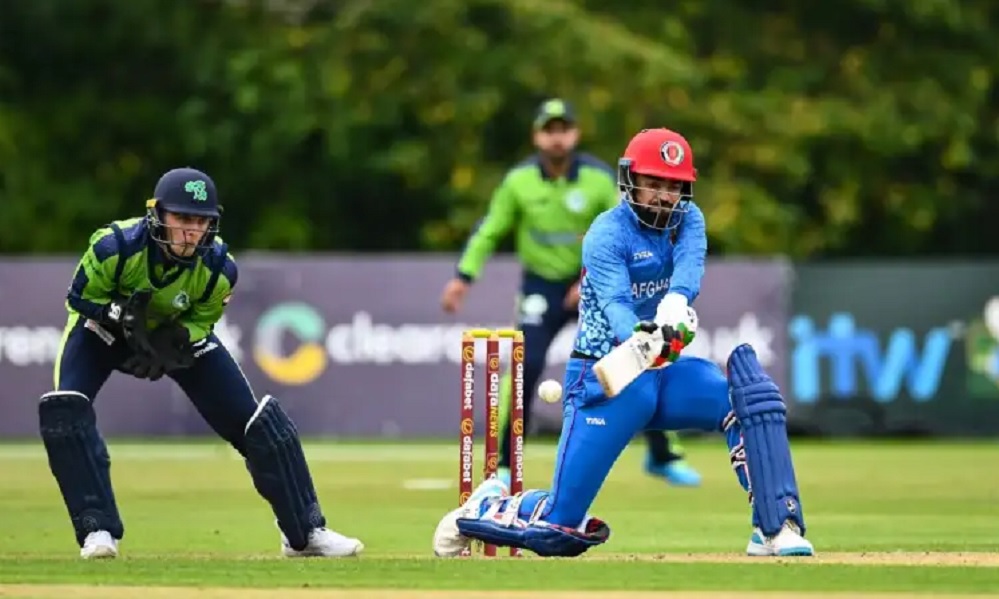
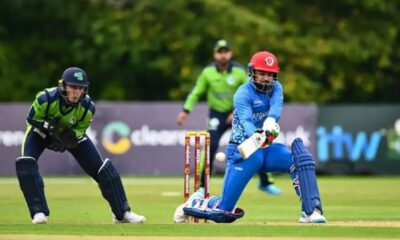
Ireland cricket officials have announced that they will host Afghanistan for a five-match ODI series from August 5–14.
Other international teams including Australia and England have either cancelled or avoided scheduling bilateral series against Afghanistan since the Islamic Emirate regained power in 2021.
“Cricket Ireland has made a decision to play Afghanistan in Belfast this year,” CI chief executive Sarah Keane said on Friday. “I’m not going to fob you off by saying that there’s financial reasons and there’s legal reasons. There aren’t. This has been a decision by Cricket Ireland in what it believes is the best interest of the organisation as a whole, and the decision was made by the board this week.”


Airstrike on Kabul drug rehabilitation centre sparks legal concerns

Trump backs down on strikes on Iran’s power network, says US and Tehran holding talks

Iran says coastal attack will lead to full Gulf closure and mine-laying

Afghanistan expresses condolences after deadly helicopter crash in Qatar

IPL 2026: Ishan Kishan named Sunrisers’ interim captain ahead of opening clash

Pakistani military jet downed in Afghanistan’s Jalalabad, pilot captured alive

Afghan Air Force conducts airstrikes in Islamabad, other cities

Prominent Muslim scholar issues fatwa calling for Afghanistan-Pakistan ceasefire

Afghan air force strikes key Pakistani military installations in retaliatory operation

IEA: Special circle in Pakistan has launched mission to destabilize region

Tahawol: Possibility of US ground forces entering Iran war discussed

Saar: Using US prisoners as political pressure

Tahawol: Pakistan’s efforts to destabilise Afghanistan

Saar: Decline in international assistance to Afghanistan

Tawsia: Assessment of Afghanistan’s economic activities in 1404
-
 Latest News5 days ago
IEA announces temporary pause in defensive operations against Pakistan for Eid
-

 Latest News4 days ago
Pakistani shelling hits Kunar districts despite ‘pause in hostility’ over Eid
-

 Sport3 days ago
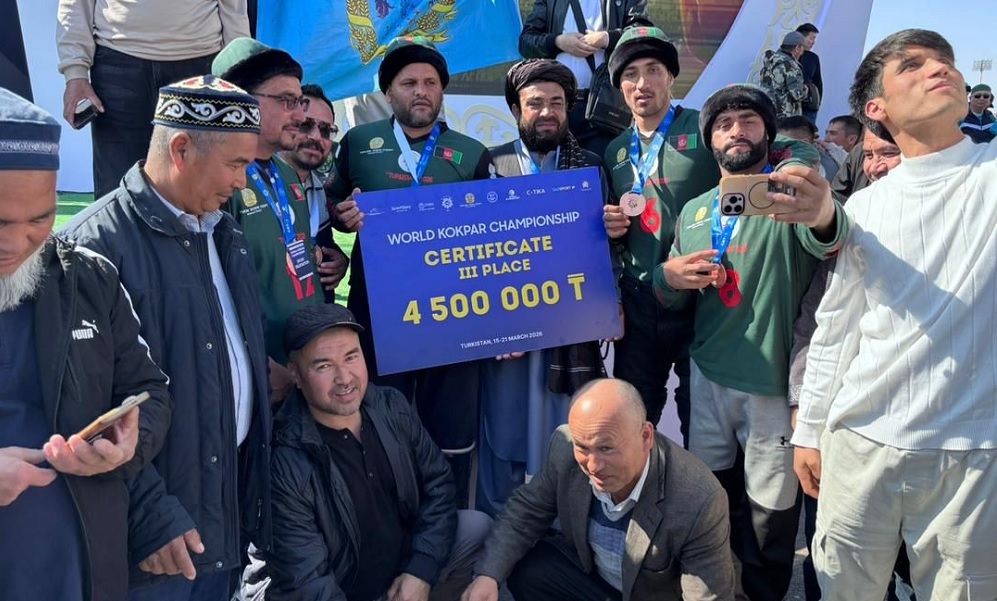
Afghanistan national buzkashi falls short in Kokpar World Championship semifinals
-

 Regional4 days ago
Pakistan among top nuclear threats to America, US intelligence chief tells senate
-

 Latest News5 days ago
UNAMA puts death toll from Pakistan’s attack on Kabul’s Omid Hospital at 143
-
 Latest News4 days ago
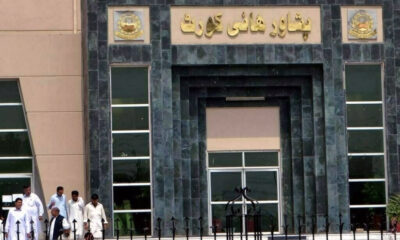
Peshawar High Court grants bail to 68 detained Afghan nationals, including minors
-
 Sport2 days ago
Ireland to host Afghanistan for ODI series in August
-

 World4 days ago
US weighs troop deployment as Iran war enters new phase