
Latest News
Miller confirms withdrawal process in Afghanistan is underway

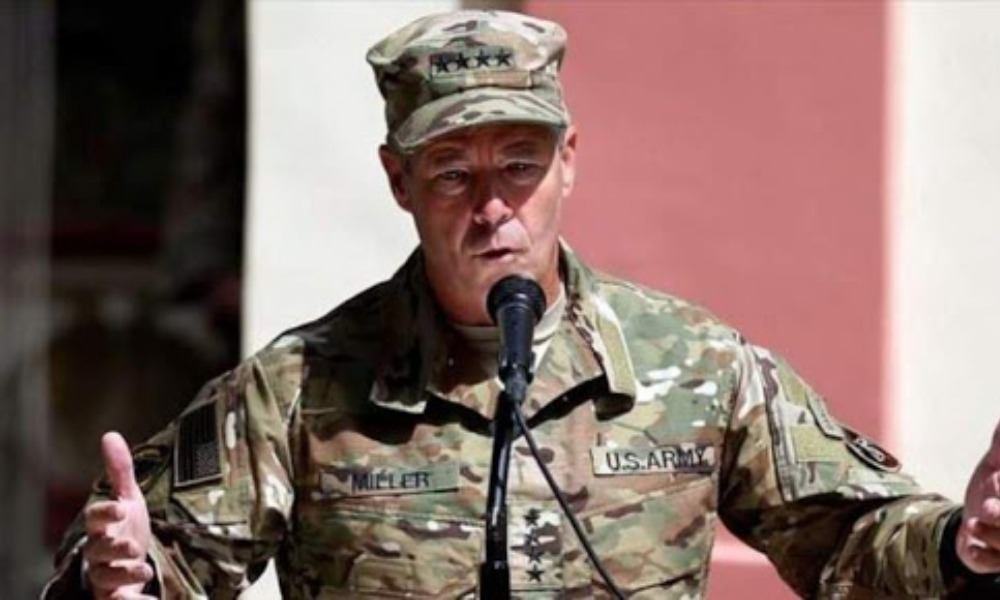
US-Forces commander in Afghanistan General Austin Scott Miller said Sunday the evacuation of some bases has already started in Afghanistan.
“We will turn over the bases primarily to the Ministry of Defense and other Afghan forces,” Miller told reporters in a press conference in Kabul on Sunday, adding that: “The notification day will be the first of May but at the same time as we start taking local actions, we have already begun that”.
The US is expected to hand over three military bases and one airport to the Afghan forces in the next two weeks as part of the US plan for the full troop withdrawal from Afghanistan by September 11, sources said last week.
According to a security source, the bases concerned are the Kandahar airport, Camp Shorabak (formerly Camp Bastion) in Helmand, Camp Eggers in Kabul, and the COP (Dash Towp) in Chak district of Maidan Wardak.
Miller meanwhile said that if Afghanistan reached a peace agreement, we would still to leave Afghanistan.
Meanwhile, CIA Director William Burns reportedly made a surprise visit to Kabul this week to discuss the withdrawal process with Afghan officials.
The Associated Press reported Saturday that two credible sources had confirmed the visit. In Washington, the CIA declined to comment when asked by AP about the director’s schedule and the agency’s role in Afghanistan.
On Taliban relation with Al-Qaeda Miller said that: “Taliban still have link to al-Qaeda.”
He also expressed concern about the escalation of violence by the Taliban in Afghanistan.
“Violence from the Taliban is still high and this is having a negative impacts on the peace process, and if the violence escalates after the withdrawal, it will be dangerous for the whole region,” Miller said.
Miller says the only reasonable way forward is a political path to peace, otherwise “the violence is senseless,” he says.
The Taliban have intensified clashes across the country as the foreign troops are getting ready to withdraw from Afghanistan.
The Defense Ministry, however, claimed that the group has been defeated on the battlefield.
“We have the capacity to support Afghan forces remotely,” Miller said.
His comments comes after the head of U.S. forces in the Middle East said on Thursday that he was concerned about the ability of the Afghan security forces to hold territory after the withdrawal of all foreign troops from the country in the coming months.
President Joe Biden announced last week that the United States will withdraw its remaining 2,500 troops from Afghanistan by Sept. 11, the 20th anniversary of the al Qaeda attacks that triggered America’s longest war.





Latest News
Germany deports first Afghan without criminal record since 2021, Reuters reports
Germany resumed deportations to Afghanistan in 2024 despite continued debate over the safety of returnees following the political changes in the country in 2021.
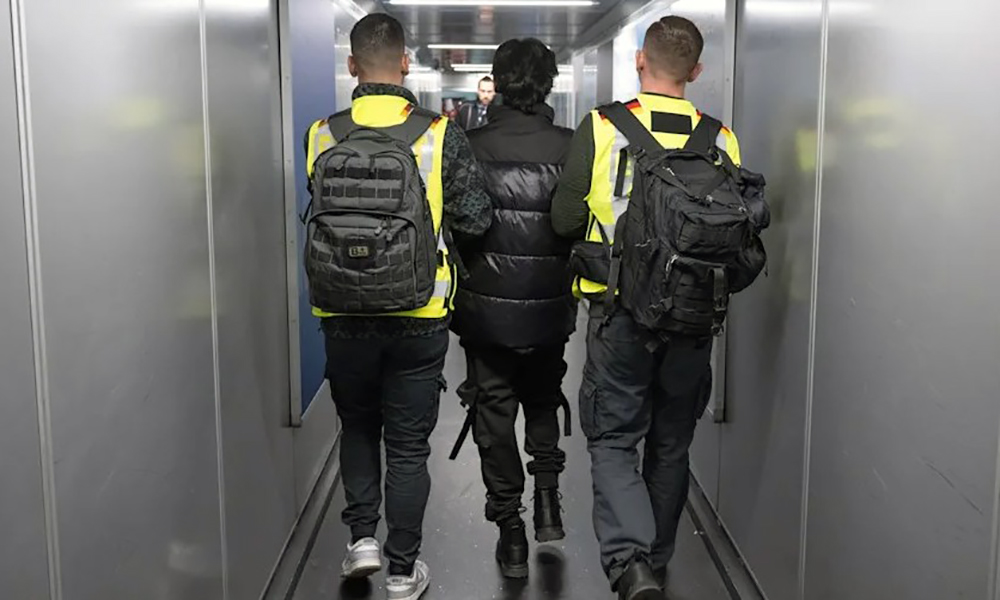
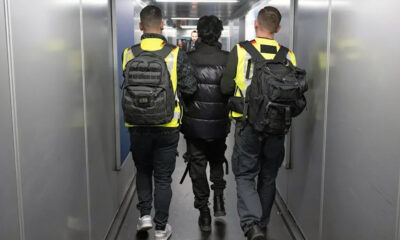
Germany has deported an Afghan national without a criminal record for the first time since the Islamic Emirate returned to power in Afghanistan in 2021, Reuters reported, citing German Interior Minister Alexander Dobrindt.
According to Dobrindt, the man became eligible for deportation after exhausting all legal avenues in his asylum case. He had previously attempted to settle in another European country but was found to be residing there illegally. After being transferred back to Germany under European migration procedures, he was deported to Afghanistan.
Reuters reported that the individual was among 31 Afghan men returned to Afghanistan on a deportation flight on Tuesday. The remaining 30 deportees had been convicted of criminal offenses, according to German authorities.
Germany resumed deportations to Afghanistan in 2024 despite continued debate over the safety of returnees following the political changes in the country in 2021.
Human rights organizations have repeatedly raised concerns over the policy. Reuters, citing Amnesty International, reported that Germany has deported more than 200 Afghans since the deportation program resumed in 2024, and that at least one deportee was later killed after returning to Afghanistan.
The deportations continue to draw criticism from rights groups, which have urged European governments to consider the humanitarian and human rights implications of returning asylum seekers to Afghanistan.
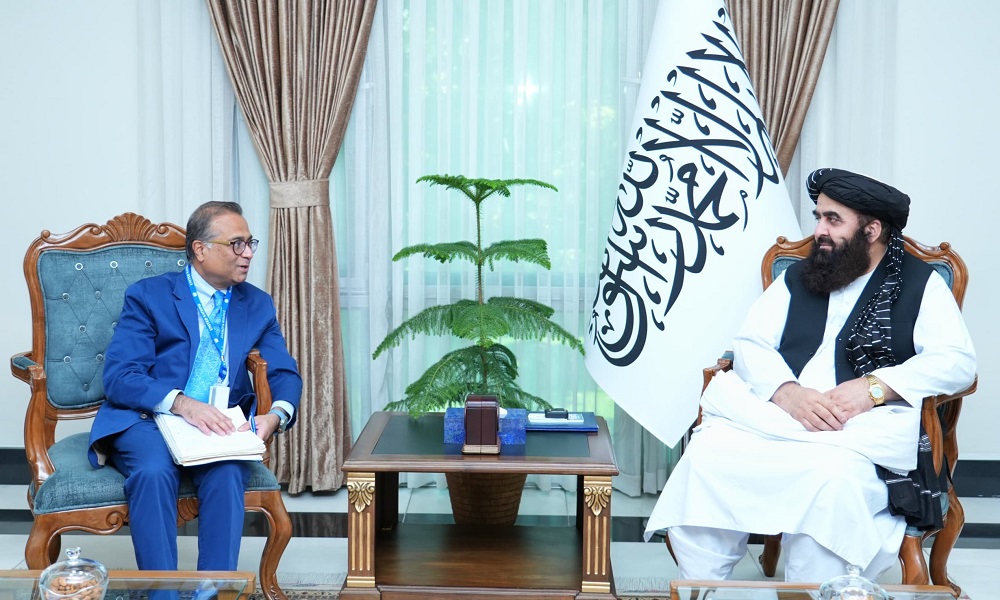
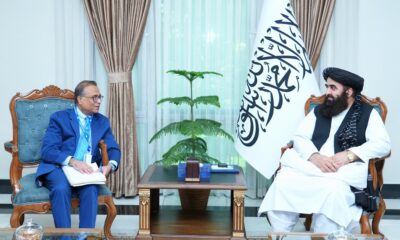
Afghanistan’s Foreign Minister Amir Khan Muttaqi met on Tuesday with Turhan Saleh, the newly appointed representative of the United Nations Development Programme (UNDP) in Afghanistan.
The Ministry of Foreign Affairs said the two sides discussed UNDP’s development activities in Afghanistan, the reintegration of returning migrants, cooperation in the health and agriculture sectors, alternative livelihoods for combating narcotics, environmental protection, climate change, and responses to natural disasters.
Muttaqi stressed the importance of implementing development and infrastructure projects alongside humanitarian assistance, saying the Islamic Emirate would continue cooperation with the United Nations in these areas.
The ministry added that Saleh assured the coordination of UNDP programs with Afghanistan’s priorities and said the organization would continue supporting development projects and capacity-building efforts based on the needs of the Afghan people.
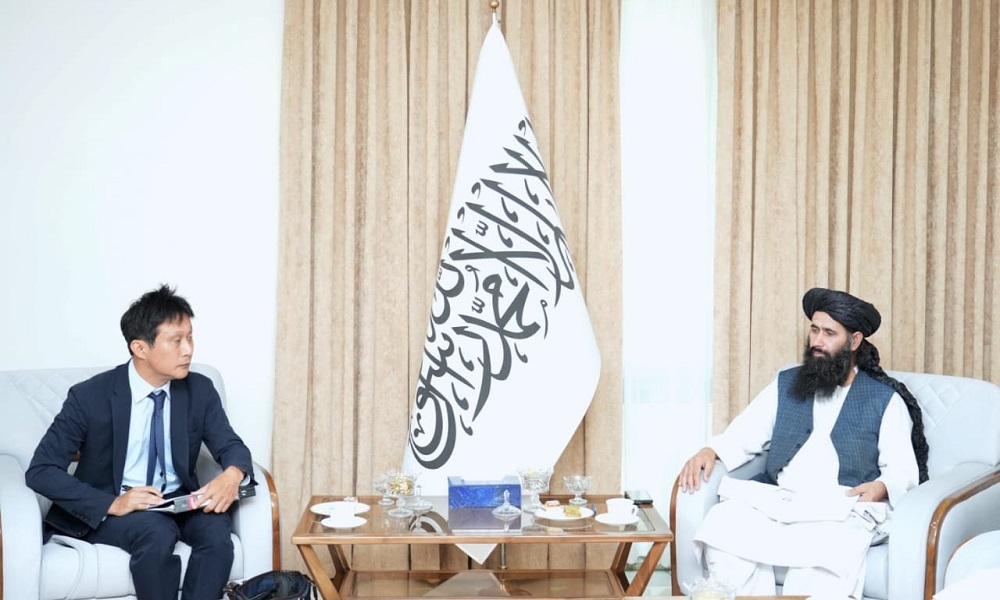
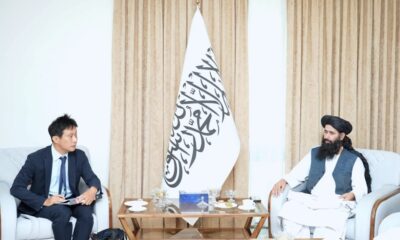
Mohammad Naeem, Deputy Minister of Foreign Affairs for Finance and Administration of the Islamic Emirate, met on Tuesday with Japanese Ambassador to Kabul, Kenichi Matsumoto.
According to the Ministry of Foreign Affairs, the two sides discussed Afghanistan-Japan bilateral relations, areas of mutual interest, and ways to strengthen continued cooperation between Kabul and Tokyo.
The Japanese ambassador expressed hope for further strengthening ties between the two countries. He also praised the Islamic Emirate’s efforts to combat narcotics, the improved security situation, and other developments in Afghanistan. He additionally welcomed the Brussels meeting between the Islamic Emirate and the European Union.
Naeem thanked Japan for what he described as its positive approach and continued cooperation with the Afghan people, stressing the importance of expanding bilateral relations and enhancing mutual engagement.
The two sides concluded the meeting by emphasizing the importance of holding regular consultations to strengthen coordination and bilateral cooperation.


Oman presents Iran with Gulf-backed plan for voluntary fees to use Hormuz

Germany deports first Afghan without criminal record since 2021, Reuters reports

Tahawol: Iran–US relations amid recent developments

Saar: Attack in Pakistan-controlled Chitral

Qosh Tepa and Akhawat to face off in AWPL final

India offers 1,000 online scholarships for Afghan students for 2026-27 academic year

Cricket world pays tribute to Afghanistan fast bowler Shapoor Zadran

Turkey spent over $120 million to prepare airport for Qatar-donated U.S. presidential aircraft

Thousands pay final respects as Afghan cricketer Shapoor Zadran buried in Kabul

Afghanistan U-15 team qualifies for FIFA U-15 World Cup
Tahawol: Iran–US relations amid recent developments
Saar: Attack in Pakistan-controlled Chitral

Tahawol: Afghanistan–Uzbekistan Economic Cooperation Enters New Phase

Saar: Growing Criticism in Pakistan Over Islamabad’s Afghanistan Policy

Tahawol: Trump halting major Iran escalation
-
 Latest News3 days ago
Badakhshan Governor, Army Chief reaffirm commitment to Afghanistan’s security
-
 Latest News5 days ago
Five armed men killed while attempting to cross Durand Line into Badakhshan
-
 Latest News4 days ago
U.S. government plan to interview Afghan refugees raises deportation concerns
-
 Latest News5 days ago
Iran reiterates call for inclusive government in Afghanistan
-
 Latest News4 days ago
Afghanistan, Turkey discuss expanding agricultural cooperation
-
 Regional3 days ago
US pauses strikes on Iran as diplomatic efforts gather pace amid regional tensions
-
 Business5 days ago
Over 205,000 Afghans visit Uzbekistan for trade and business in six months
-
 Latest News4 days ago
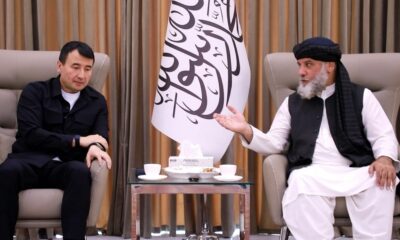
Uzbekistan delegation arrives in Kabul to attend trade forum