
Health
Millions of Afghan children inoculated against measles, polio in nationwide campaign

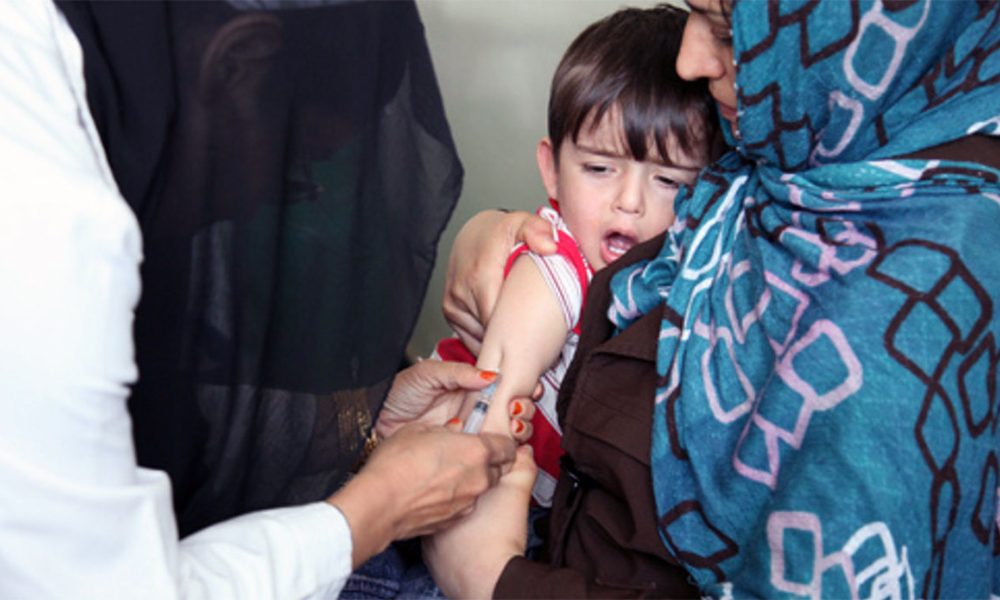
Millions of Afghan children have been vaccinated during the first nationwide integrated measles and polio campaign in Afghanistan since the Islamic Emirate of Afghanistan (IEA) came to power in August 2021, the World Health Organization (WHO) said Thursday.
Afghanistan has vaccinated 5.36 million nine- to 59-month old children against measles while 6.1 million infants to 59-month-olds received oral polio vaccine during the vaccination drive held from 26 November to 12 December.
Based on the data from Afghanistan’s Ministry of Public Health Expanded Programme on Immunization, the campaign covered 329 districts in all 34 provinces of the country – with 4,341 vaccination teams of four members on each team.
“It warms my heart that we were able to protect Afghan children from measles and polio as we enter the harsh winter season in the country”, said Luo Dapeng, the World Health Organization Representative in Afghanistan.
“I thank all the health workers, partners and donors who made this possible”.
Measles is a dangerous disease, with complications that can include severe diarrhea and dehydration; pneumonia, ear and eye complications; encephalitis or swelling of the brain; and death.
This year, many outbreaks were reported in Afghanistan, mostly among children under age five.
There is no specific treatment for measles and the only reliable protection from measles is vaccination.
“While measles is highly contagious, it is also a preventable disease”, said Dapeng. “We must not lose the decades of progress we have achieved in immunizing and protecting Afghan children”.
As of November, 5,484 cases were confirmed, with approximately 300 deaths attributed to measles infection.
Prior to the nationwide drive, a series of subnational measles immunization campaigns were conducted in 141 districts covering approximately three million children.
“The measles vaccine is safe and has been in use for more than 50 years”, the senior WHO official said.
“The benefits of vaccination are clear, as evidence shows measles vaccination saved over 23 million lives worldwide over the past 20-year period”.
WHO and the UN Children’s Fund (UNICEF) supported the measles campaign in Afghanistan with vaccine procurement and delivery and the development of immunization guidelines and communication materials.
The UN agencies also helped to build the capacity of health workers to manage and implement the drive and ensure that all eligible children are protected through safe and effective vaccines for measles and polio, WHO reported.




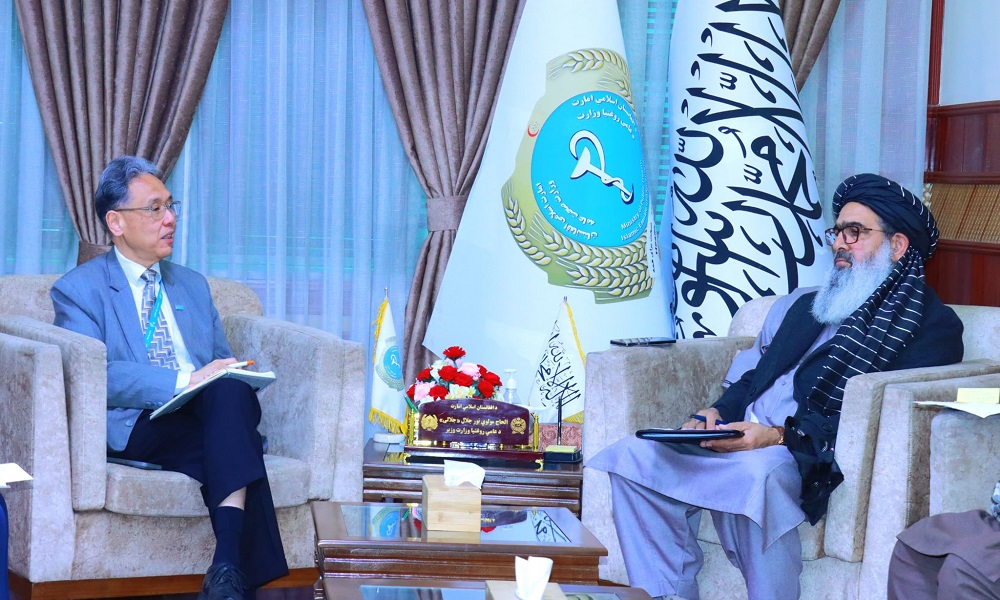
Afghanistan’s Minister of Public Health, Noor Jalal Jalali, met with the head of the World Health Organization in Afghanistan, Edwin Ceniza Salvador, to discuss expanding healthcare services and strengthening coordination in the country.
According to a statement issued Tuesday by the Ministry of Public Health, the meeting was attended by officials from the WHO and other representatives and focused on key health sector priorities and areas of mutual cooperation.
Participants discussed the expansion of health services across Afghanistan, capacity-building initiatives for healthcare workers, and the development of cancer-related services. They also reviewed operational coordination, transparency in the delivery of health services, and preparations for upcoming health-related meetings.
During the meeting, Jalali emphasized the importance of aligning health projects and services with the ministry’s national policies and strategic documents.
He stressed that all health initiatives should be implemented based on the priorities and needs identified by the Ministry of Public Health.
The minister also urged WHO officials to enhance transparency and strengthen coordination with the ministry while taking practical steps to improve the quality of health services and ensure broader public access to healthcare across the country.
For his part, Salvador reaffirmed the WHO’s commitment to maintaining close cooperation with the Afghan health ministry and to delivering essential health services in accordance with the ministry’s policies and priorities.
Health
Afghanistan faces acute shortage of specialist doctors, officials urge ethics and expansion of health services
Noor Jalal Jalali, the Minister of Public Health, said the ministry is making sustained and intensive efforts to address the gap and expand access to healthcare services in remote and underserved areas of the country.
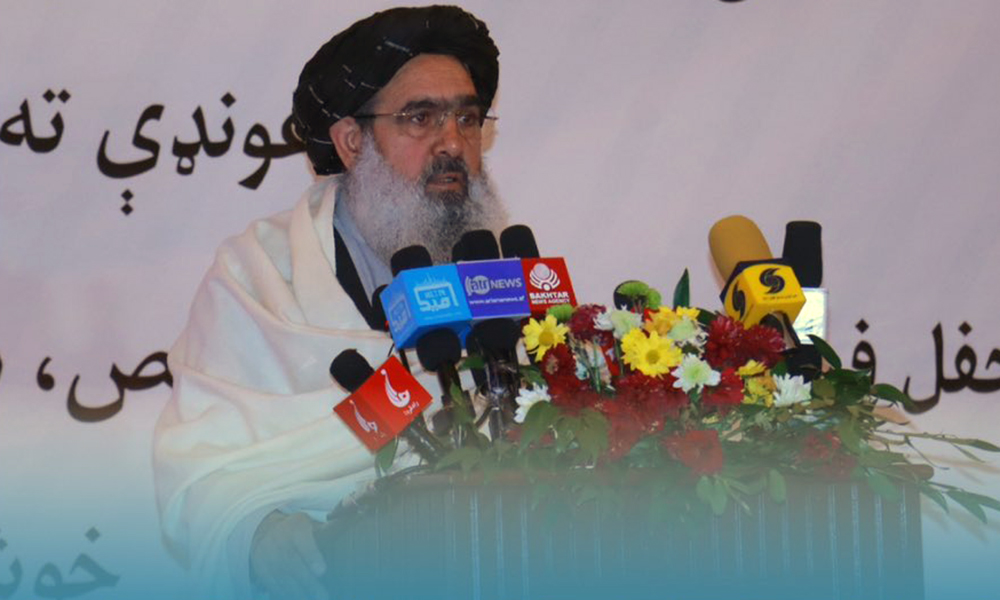
Afghanistan is continuing to face a serious shortage of specialist doctors, health officials said during the graduation ceremony of specialist physicians from the General Directorate of Medical Specialization for the year 1404.
Noor Jalal Jalali, the Minister of Public Health, said the ministry is making sustained and intensive efforts to address the gap and expand access to healthcare services in remote and underserved areas of the country.
According to Jalali, hospitals are still absent across 318 districts nationwide. He added that initial construction work for hospitals has been completed in 100 of these areas, stressing that strengthening health infrastructure and training qualified specialists remain top priorities for the ministry.
Jalali also called on doctors and health officials to uphold their professional and religious responsibilities by treating patients with compassion, dignity, and good conduct. He emphasized that medical practice should not be driven by material gain, but by the pursuit of public service and the well-being of the people.
Speaking at the same ceremony, Hamdullah Nomani, Minister of Communications and Information Technology noted a decline in public trust toward some medical professionals, saying that despite the presence of many committed and ethical doctors, the behavior of a few motivated solely by financial gain has undermined patient confidence. He urged newly graduated specialists to serve with sincerity and restore public trust in Afghanistan’s healthcare system.
Meanwhile, Abdul Wali Sadiqi, the financial and administrative deputy minister of public health, advised graduates to remain committed to their profession, fulfill their responsibilities honestly, and serve the public with dedication. He stressed that efforts in national service should match those made in personal affairs.
In addition, Abdul Baqi Haqqani, head of the National Examinations Authority, highlighted that humans carry two fundamental responsibilities: worship of Allah and preservation of health, underscoring the vital role doctors play in safeguarding public health.
Health sector experts say Afghanistan now needs skilled and professional medical personnel more than ever, calling for increased investment in specialist training and healthcare infrastructure to meet the country’s growing needs.
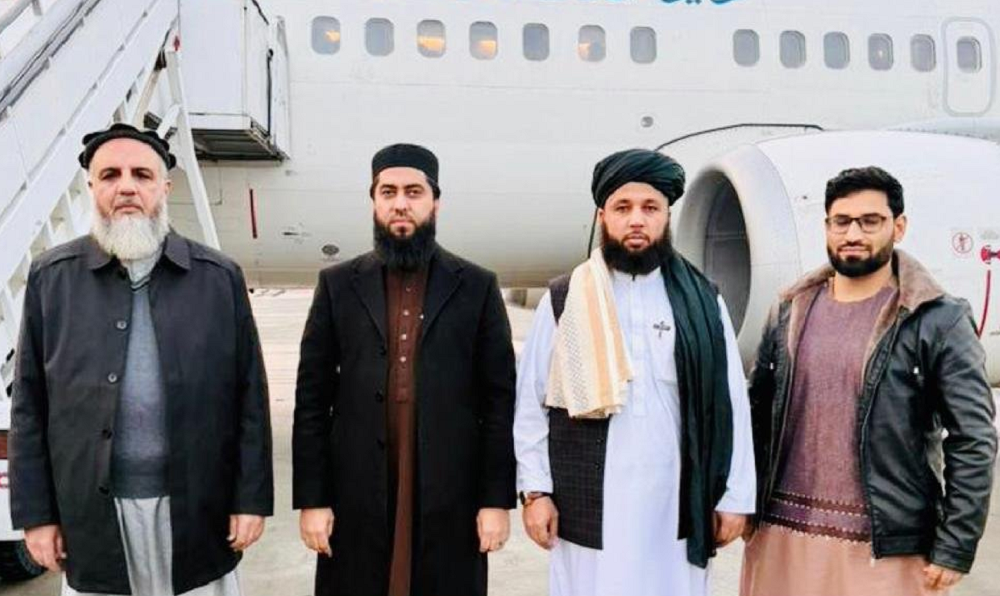
Naemullah Ayoubi, Director General of Drug and Health Products Regulation at Afghanistan’s Ministry of Public Health, has departed for Turkey on an official visit accompanied by a technical delegation.
The Ministry of Public Health said the delegation will hold meetings with officials from Turkey’s pharmaceutical regulatory authority and discuss a number of key issues related to the regulation of medicines and health products.
The delegation is also scheduled to visit several pharmaceutical manufacturing factories in Turkey.
According to the ministry, the visit aims to strengthen coordination between the two countries in the production and import of medicines, in order to ensure the availability of high-quality and affordable pharmaceuticals for people in Afghanistan in both the short and long term.


Tahawol: Discussion on day 27 of Iran–US war

Turkey invites IEA’s commerce minister to Antalya Diplomacy Forum

Saar: Islamic Emirate confident of Durand Line control

Afghan, Malaysian PMs discuss situation between Kabul and Islamabad

Myanmar trump Afghanistan 2-1 in Asian Cup Qualifier

Pakistani military jet downed in Afghanistan’s Jalalabad, pilot captured alive

Afghan Air Force conducts airstrikes in Islamabad, other cities

Prominent Muslim scholar issues fatwa calling for Afghanistan-Pakistan ceasefire

Afghan air force strikes key Pakistani military installations in retaliatory operation

IEA: Special circle in Pakistan has launched mission to destabilize region
Tahawol: Discussion on day 27 of Iran–US war
Saar: Islamic Emirate confident of Durand Line control

Tahawol: Efforts to release Mohammad Rahim from Guantanamo Bay Detention Camp

Saar: End of ceasefire between Afghanistan-Pakistan reviewed

Tahawol: Escalating threats between Iran-US discussed
-
 Latest News5 days ago
Deadly violence likely without dialogue between Afghanistan and Pakistan: ICG
-

 Latest News4 days ago
Pakistan seeks Russian mediation to resolve Afghanistan tensions
-
 International Sports5 days ago
FIFA World Cup 2026: Play-Off Tournament takes centre stage
-
 Sport5 days ago
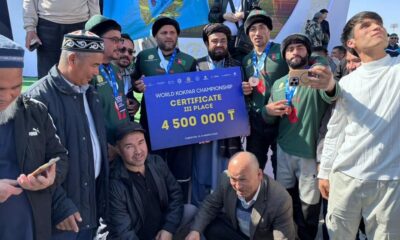
Afghanistan secures third place at 2026 World Kokpar Championship
-
 Business4 days ago
Afghani strengthens nearly 10% against US dollar amid banking sector reforms
-
 Latest News4 days ago
World must re-engage to prevent all-out Afghanistan-Pakistan war: Financial Times
-

 Sport3 days ago
Afghanistan squad hit by withdrawals ahead of AFC Asian Cup Qualifiers
-
 Latest News3 days ago
Around 2.3 million tourists visited Afghanistan’s recreational areas during Eid: Ghufran