
Latest News
On eve of takeover anniversary, Ghani defends decision to flee Afghanistan


On the eve of the anniversary of the Islamic Emirate’s takeover of Kabul, Afghanistan’s former president on Sunday defended what he said was a split-second decision to flee, saying he wanted to avoid the humiliation of surrender to the insurgents.
Ashraf Ghani also told CNN that on the morning of August 15, 2021, with the IEA at the gates of the Afghan capital, he was the last one at the presidential palace after his guards had disappeared. He said the defense minister told him earlier that day that Kabul could not be defended, Associated Press reported.
Ghani had previously sought to justify his actions on the day Kabul fell but offered more details Sunday. He alleged that one of the cooks in the palace had been offered $100,000 to poison him and that he felt his immediate environment was no longer safe.
“The reason I left was because I did not want to give the Taliban (IEA) and their supporters the pleasure of yet again humiliating an Afghan president and making him sign over the legitimacy of the government,” he said. “I have never been afraid.”
Critics say Ghani’s sudden and secret departure August 15 left the city rudderless as U.S. and NATO forces were in the final stages of their chaotic withdrawal from the country after 20 years.
Ghani also denied persistent allegations that he took tens of millions of dollars in cash with him as he and other officials fled in helicopters.
In a report issued last week, a congressional watchdog said it’s unlikely Ghani and his senior advisers transported that much cash on the escape helicopters, AP reported.
“The hurried nature of their departure, the emphasis on passengers over cargo, the payload and performance limitations of the helicopters, and the consistent alignment in detailed accounts from witnesses on the ground and in the air all suggest that there was little more than $500,000 in cash on board the helicopters,” wrote the Office of the Special Inspector General for Afghanistan Reconstruction, which has tried to monitor the massive U.S. spending in the country over the years.
The agency added, “It remains a strong possibility that significant amounts of U.S. currency disappeared from Afghan government property in the chaos of the Taliban (IEA) takeover, including millions from the presidential palace” and the vault of the National Directorate of Security. The report, however, said the watchdog was unable to determine how much money was stolen and by whom.
In the end, the IEA seized the capital without significant fighting last August, capping a weekslong military blitz in which they rapidly captured provincial capitals without much resistance from the increasingly demoralized Afghan security forces.

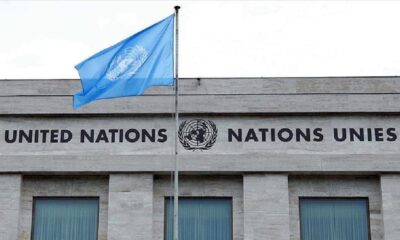





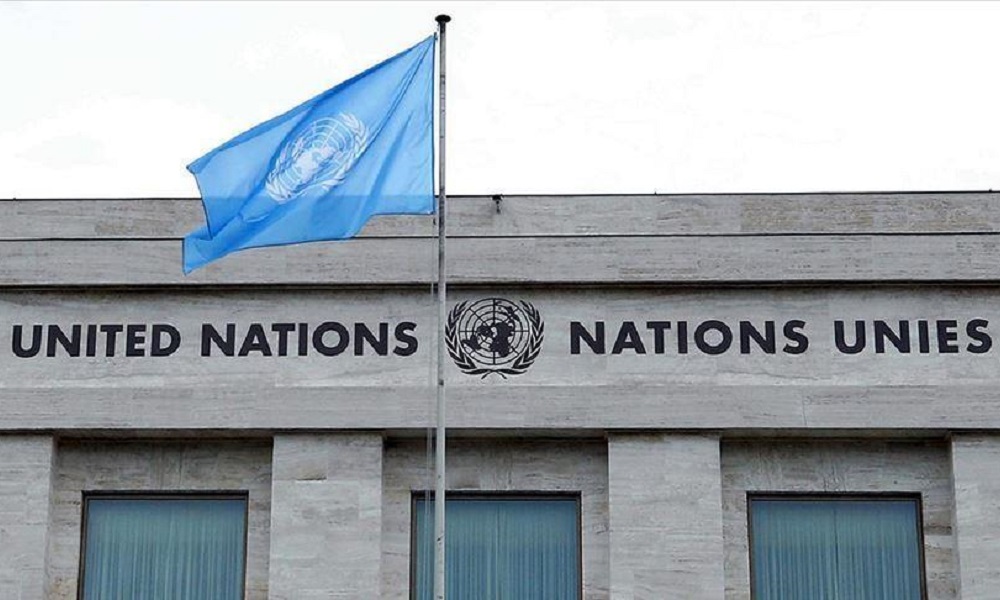
United Nations human rights experts have called for an urgent and lasting ceasefire between Afghanistan and Pakistan following a sharp escalation in cross-Durand Line fighting that has caused widespread civilian suffering.
In a statement issued Tuesday, the experts warned that renewed hostilities since late February have resulted in at least 289 civilian casualties in Afghanistan, including 76 deaths and 213 injuries.
More than 115,000 people have reportedly been displaced, with extensive damage to homes, hospitals, markets, and displacement camps. The violence has also forced school closures and disrupted trade in affected regions.
The latest unrest follows the collapse of a ceasefire agreement reached in October 2025. Fighting reignited after Pakistani airstrikes targeted positions linked to Tehreek-e-Taliban Pakistan (TTP), prompting retaliatory attacks along the disputed Durand Line.
Concerns over civilian harm
UN experts strongly condemned a March 16 airstrike by Pakistan that struck a drug rehabilitation centre in Kabul, reportedly causing mass civilian casualties. They also raised concerns over attacks inside Pakistan attributed to TTP groups, which have also resulted in civilian harm.
“Both sides must commit to a permanent ceasefire, address the root causes of the conflict, and ensure accountability for violations of international law,” the experts said.
They emphasized the obligation of all parties to adhere to international human rights and humanitarian law, particularly the protection of civilians and civilian infrastructure. The experts also called for independent, transparent investigations into alleged violations.
Disputed claims and rising tensions
Pakistan has defended its military operations, saying they were carried out in response to alleged support by Afghan authorities for the TTP, a group under UN sanctions. Authorities in Afghanistan have rejected the claims denying any involvement.
UN experts noted that Pakistan has not publicly presented credible evidence linking TTP attacks directly to Afghan authorities.
They further stressed that under international law, states must not support or tolerate armed groups conducting cross-Durand Line attacks and must resolve disputes through peaceful means.
Calls for dialogue
The United Nations experts confirmed they have been in contact with officials from both countries, urging restraint, de-escalation, and a return to dialogue.
With tensions continuing to rise, they warned that ongoing violence risks further civilian casualties and deepening instability unless immediate steps are taken toward a sustainable peace agreement.
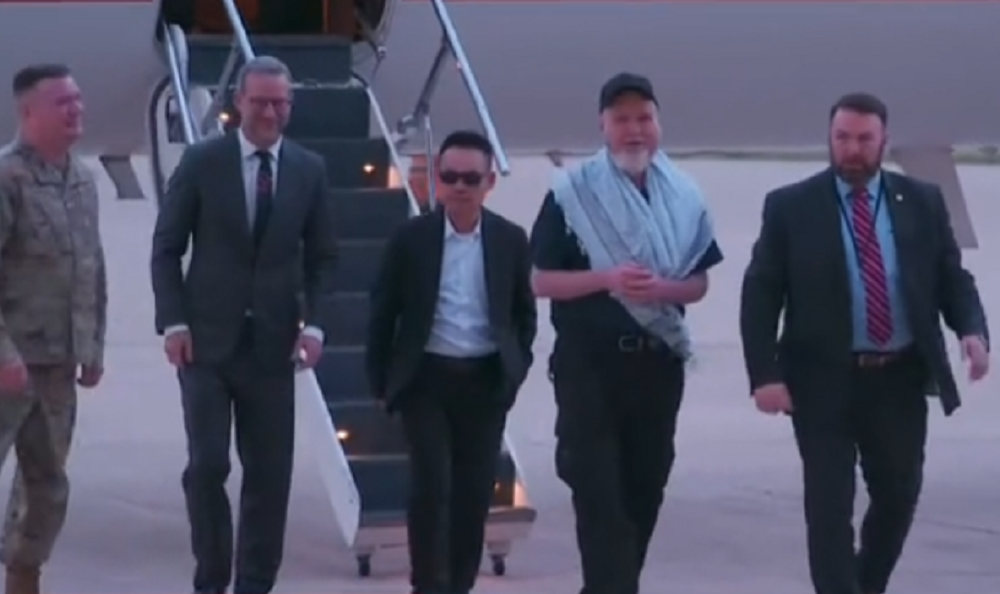
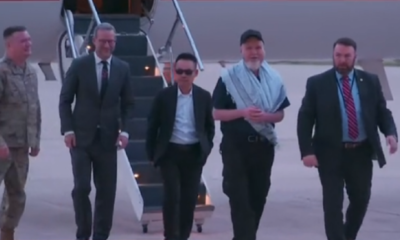
An American citizen, Dennis Coyle, arrived in the United States on Wednesday after being released by the Islamic Emirate in Afghanistan, marking a significant development amid ongoing diplomatic efforts between Washington and Kabul.
U.S. officials confirmed that Coyle arrived on American soil, landing at a major international airport in Texas, where he was met by close family members, including immediate relatives who had long campaigned for his release. Emotional scenes were reported as family members welcomed him home after an extended period in detention.
While authorities have not disclosed full details surrounding his release, officials indicated that quiet diplomatic engagement played a key role in securing his freedom. The case had drawn attention from human rights groups and policymakers, who had called for his release on humanitarian grounds.
Sources familiar with the situation said Coyle is expected to undergo medical evaluations following his return, a standard procedure for detainees released after prolonged confinement. Family members have requested privacy as he begins the process of reintegration.
Coyle’s release comes at a time of complex relations between the United States and the Islamic Emirate, with limited formal diplomatic ties but ongoing indirect engagement on humanitarian and security issues.
Analysts say the development could signal potential openings for further negotiations, particularly regarding other detainees still held in Afghanistan and abroad. It also follows renewed calls by families of other prisoners—including Afghan nationals held overseas—for similar humanitarian consideration.
U.S. officials have not confirmed whether additional releases are under discussion, but emphasized their continued commitment to securing the return of all American citizens detained abroad.
For now, Coyle’s return marks a positive development, offering hope to other families awaiting similar outcomes.
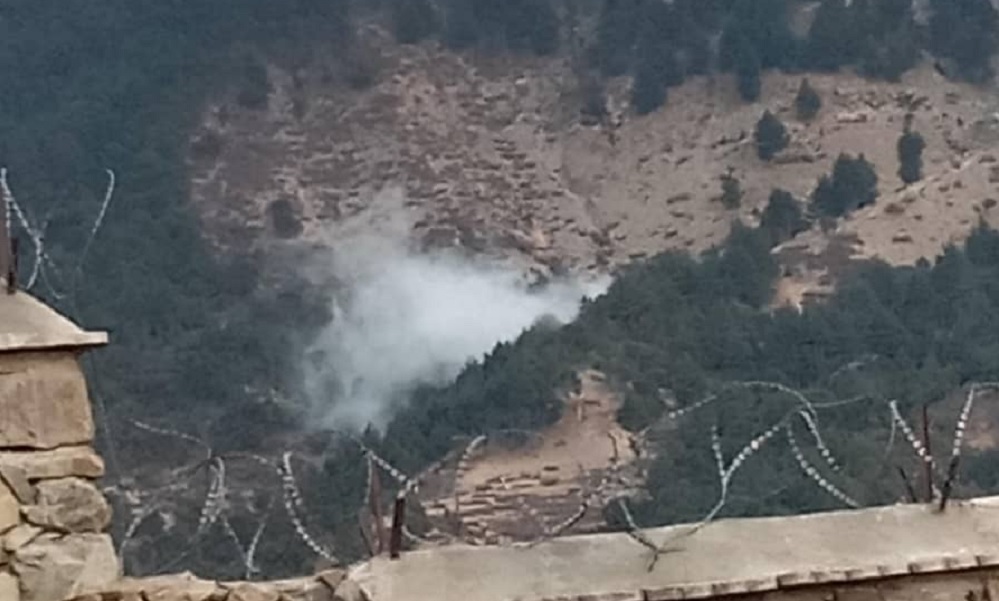
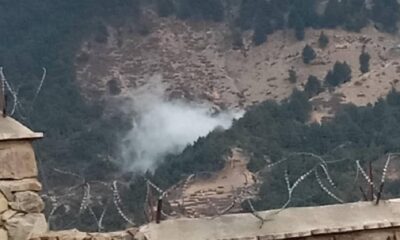
At least two civilians have been killed and eight others wounded following fresh shelling by Pakistan across the disputed Durand Line in Afghanistan’s Kunar province, local authorities said Wednesday.
Officials reported that over the past 24 hours, Pakistani forces fired approximately 85 rockets targeting residential areas across several districts, causing damage to civilian homes and heightening fears among local communities.
According to Zia-ur-Rahman Spin Ghar, head of information at the provincial Directorate of Information and Culture, the heaviest casualties were recorded in Nari district, where one civilian was killed and six others injured. In Sarkano district, another civilian lost their life, while two more people were wounded.
Additional rockets struck areas including Shultan, Marawara, and the outskirts of Asadabad. While no casualties were reported in those strikes, residents described widespread panic and property damage.
Escalating tensions
The latest incident comes amid a broader escalation in cross-Durand Line violence between Afghanistan and Pakistan in recent weeks. Residents in frontier provinces have repeatedly reported shelling, displacement, and disruption to daily life.
Spin Ghar also confirmed that Afghan forces responded with retaliatory strikes, claiming to have destroyed three Pakistani military outposts and killed one Pakistani soldier. There has been no immediate confirmation from Pakistani authorities.
Growing humanitarian concerns
The ongoing hostilities have raised concerns about civilian safety in these areas where communities often find themselves caught in the crossfire. Aid groups warn that continued shelling could lead to further displacement and strain already limited local resources.
With no clear signs of de-escalation, observers say urgent dialogue is needed to prevent further civilian casualties and stabilize the volatile region.


UN experts call for lasting ceasefire as Afghan–Pakistan violence escalates

Saar: End of ceasefire between Afghanistan-Pakistan reviewed

Doyle returns to US after release by Islamic Emirate in Afghanistan

Two civilians killed, eight injured in fresh shelling by Pakistan in Kunar

EU urges de-escalation between Afghanistan and Pakistan, raises rights concerns

Pakistani military jet downed in Afghanistan’s Jalalabad, pilot captured alive

Afghan Air Force conducts airstrikes in Islamabad, other cities

Prominent Muslim scholar issues fatwa calling for Afghanistan-Pakistan ceasefire

Afghan air force strikes key Pakistani military installations in retaliatory operation

IEA: Special circle in Pakistan has launched mission to destabilize region
Saar: End of ceasefire between Afghanistan-Pakistan reviewed

Tahawol: Escalating threats between Iran-US discussed

Tahawol: Possibility of US ground forces entering Iran war discussed

Saar: Using US prisoners as political pressure

Tahawol: Pakistan’s efforts to destabilise Afghanistan
-
 Latest News3 days ago
Deadly violence likely without dialogue between Afghanistan and Pakistan: ICG
-

 Sport4 days ago
Ireland to host Afghanistan for ODI series in August
-
 Latest News5 days ago
Mojtaba Khamenei calls for improved Afghanistan–Pakistan relations, offers help
-
 Latest News4 days ago
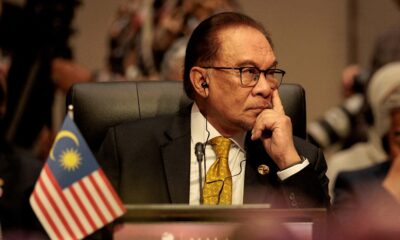
Malaysian PM welcomes temporary Afghanistan–Pakistan truce, urges lasting peace
-

 Latest News2 days ago
Pakistan seeks Russian mediation to resolve Afghanistan tensions
-

 International Sports3 days ago
FIFA World Cup 2026: Play-Off Tournament takes centre stage
-
 Sport3 days ago
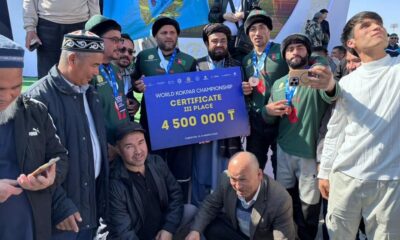
Afghanistan secures third place at 2026 World Kokpar Championship
-
 Business3 days ago
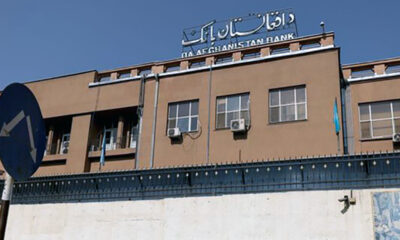
Afghani strengthens nearly 10% against US dollar amid banking sector reforms