
Latest News
Pakistan and Turkmenistan agree to fast-track gas pipeline project involving Afghanistan and India
The Turkmenistan-Afghanistan-Pakistan-India (TAPI) pipeline will originate from Galkynysh, the world’s second-biggest gas field, and end at the Indian city of Fazilka near the Pakistan border.

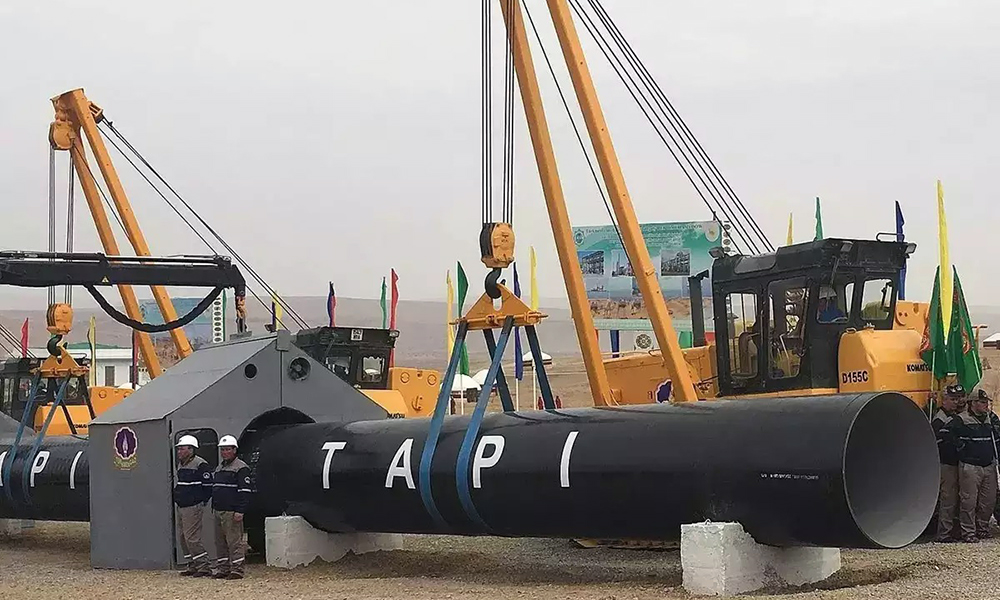
Pakistan and Turkmenistan agreed on Wednesday to fast-track a major pipeline project that will allow the Central Asian state to supply natural gas to Pakistan and India via Afghanistan, thereby enhancing economic activity across the region and benefiting all involved countries.
The understanding between the two states was reached during a meeting between Federal Minister for Petroleum Dr. Musadik Malik and Turkmenistan’s Foreign Affairs Rasit Meredow who arrived on a two-day visit to Islamabad on Tuesday.
The Turkmenistan-Afghanistan-Pakistan-India (TAPI) pipeline will originate from Galkynysh, the world’s second-biggest gas field, and end at the Indian city of Fazilka near the Pakistan border.
If the project is implemented, it will help Turkmenistan supply about 33 billion cubic meters (bcm) of natural gas each year along a route covering a distance of over 1,800 kilometers.
According to an official statement released by the Ministry of Energy’s Petroleum Division, Pakistan and Turkmenistan are working to “expedite” the pipeline project.
“TAPI pipeline project will lower energy costs, which can boost industrial growth, create jobs and foster economic development,” it quoted Pakistan’s petroleum minister as saying during the meeting. “Reliable and affordable energy supplies are vital for industrial sectors and overall economic stability.”
“This project, aimed at fostering economic integration and energy security, has witnessed substantial progress through collaborative efforts,” he continued, stressing the importance of continued engagement between the two countries.
Malik added Pakistan was fully committed to the project which was vital for regional energy cooperation and infrastructure development.
The visiting dignitary expressed appreciation for the warm welcome extended to his delegation by the Pakistani authorities.
“Together we will chalk out a roadmap for cooperation between both countries,” he added.
The meeting was also attended by the CEO of TAPI Pipeline Company Limited.
Other participants of the meeting emphasized the project’s strategic importance in enhancing regional connectivity, promoting economic growth and meeting the energy demands of participating nations.
The TAPI project was envisaged in the early 1990s and officially agreed upon in December 2010.
It has primarily been delayed due to security concerns, geopolitical tensions, funding challenges and bureaucratic hurdles.
Related Stories:
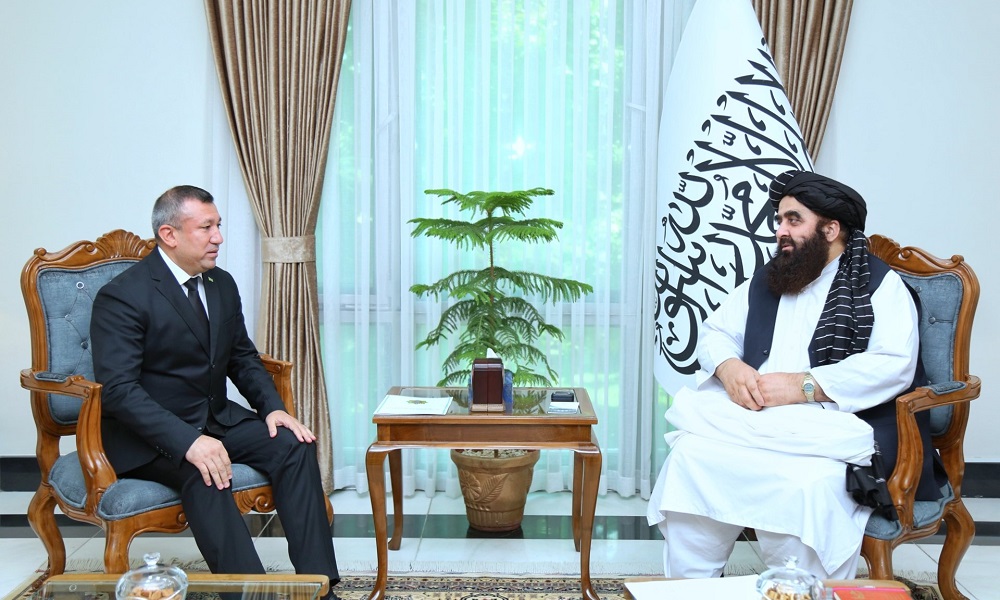
Acting FM discusses TAPI project with Turkmenistan’s envoy in Kabul
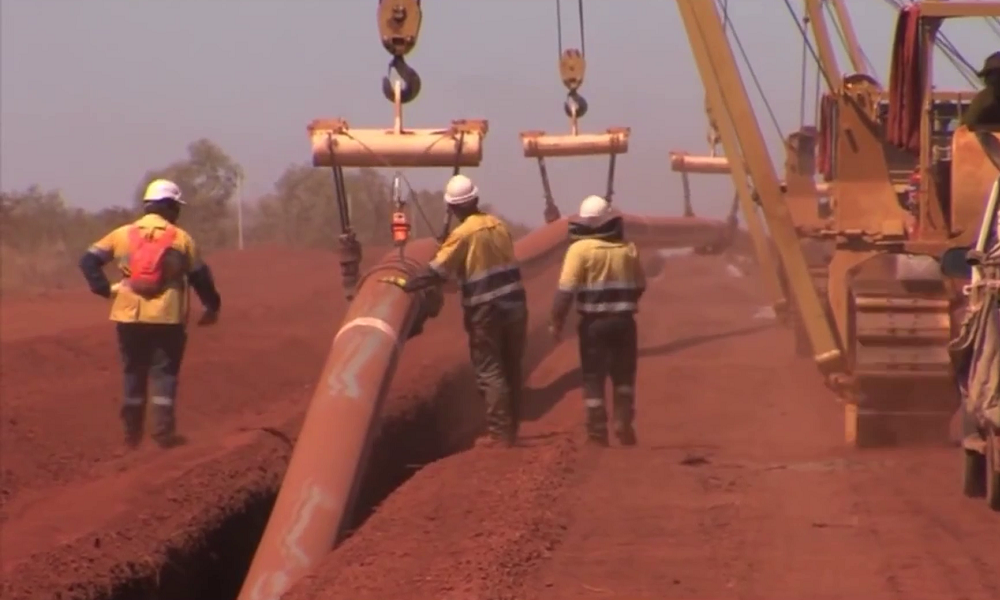
TAPI gas company CEO satisfied with project’s progress


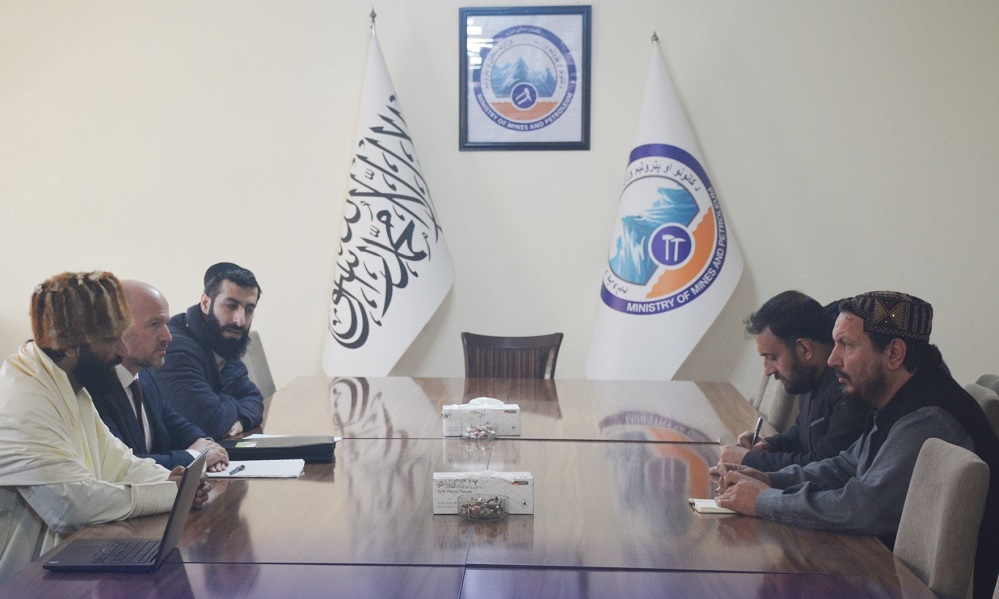
The German company Green International has expressed interest in investing in Afghanistan’s rich mineral resources, following a meeting with officials from the Ministry of Mines and Petroleum.
The discussion focused on opportunities in oil and gas extraction and processing, as well as solid and metallic mineral projects. Representatives of Green International highlighted their expertise and capacity to contribute to Afghanistan’s mining sector, aiming to attract further reputable international investors.
Meraj Mohammad Meraj, chief of staff of the Minister of Mines and Petroleum, welcomed the company’s interest, saying: “Afghanistan is a mineral-rich country. The Ministry of Mines and Petroleum encourages investment from all nations and will provide support and facilities to facilitate foreign investment.”
This engagement reflects the Afghan government’s ongoing efforts to strengthen international partnerships and promote foreign investment, crucial for economic growth and development in the country’s natural resource sector.
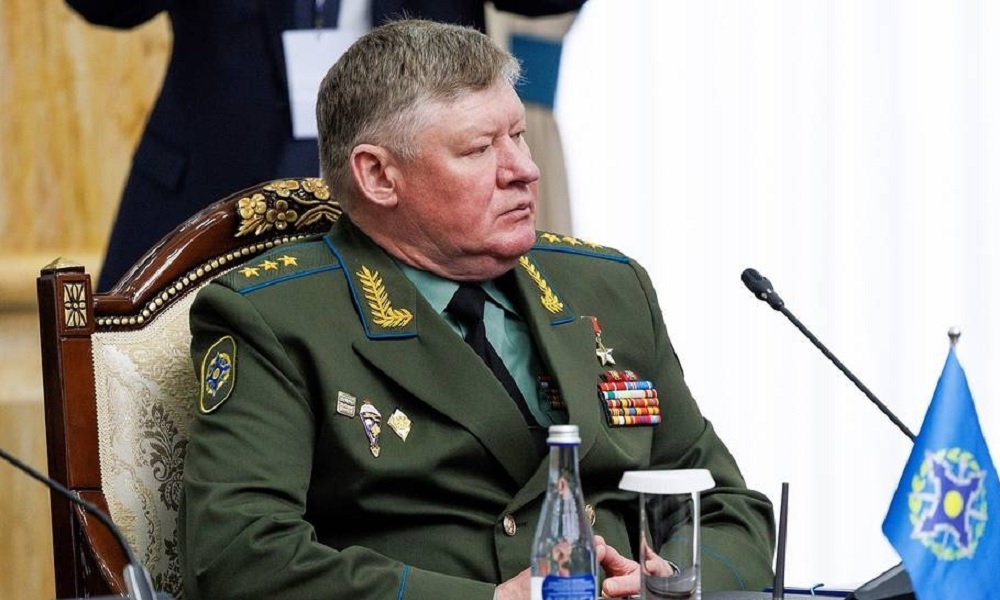
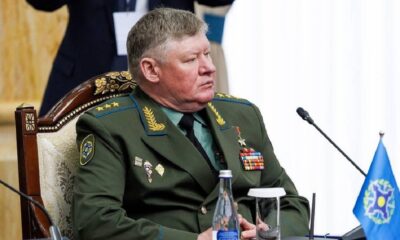
Andrey Serdyukov, Chief of the Joint Staff of the Collective Security Treaty Organization, has warned that militant groups based in Afghanistan pose a significant threat to regional security, with the potential to export terrorism to neighboring countries.
“The proliferation of radical ideologies and drug trafficking continues to pose serious challenges,” Serdyukov said during a news briefing.
He also highlighted that Western nations are actively seeking to expand their influence in the South Caucasus, a region he described as volatile due to unresolved conflicts and emerging geopolitical tensions. “This situation is particularly concerning, largely driven by Western efforts to establish a stronger presence in the South Caucasus,” he added.
Concluding his assessment, Serdyukov noted that the overall security situation across the CSTO’s area of responsibility remains tense and unpredictable. “As international relations continue to deteriorate, the risk of conflict is likely to grow,” he warned.
Regional countries have repeatedly expressed concern over militant threats originating from Afghanistan. The Islamic Emirate of Afghanistan, however, has dismissed such claims, asserting that it will not allow Afghan territory to be used against any other nation.

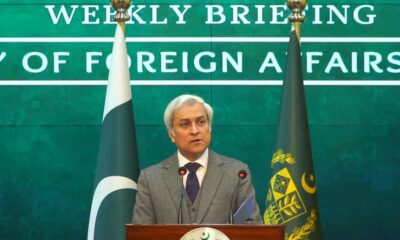
Amid tensions between Pakistan and Afghanistan, Islamabad on Thursday renewed its call for the Islamic Emirate to take decisive action against militant groups operating from Afghan territory.
Speaking at his weekly press briefing in Islamabad, Foreign Office spokesperson Tahir Andrabi stressed that Pakistan is neither closing the door on diplomacy nor opening the door to conflict between the two neighbouring nations.
“Diplomacy continues even in wars. Diplomacy continues even during skirmishes,” he remarked, adding that Pakistan wishes peace and prosperity for “our Afghan brothers and sisters.”
Referring to a recent report by the United Nations Security Council, Andrabi said the document strongly reinforces Pakistan’s longstanding concerns regarding the Tehreek-e-Taliban Pakistan and the situation in Afghanistan.
“The report confirms Pakistan’s position that the TTP’s resurgence is linked to the post-2021 takeover by the Afghan interim government. This is an important document, and we are following up with the relevant UN bodies, Security Council members, and other international stakeholders,” he said.
The Islamic Emirate of Afghanistan has repeatedly denied the presence of foreign militant groups in Afghanistan, arguing that it cannot be held responsible for Pakistan’s internal security challenges.


German firm keen to invest in Afghanistan’s mining sector

CSTO official warns Afghanistan-based militants pose major threat to regional stability

Pakistan says it has not closed door on diplomacy, nor seeking war with Afghanistan

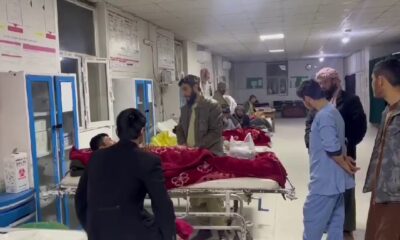
Three hurt jumping from building amid earthquake in Balkh

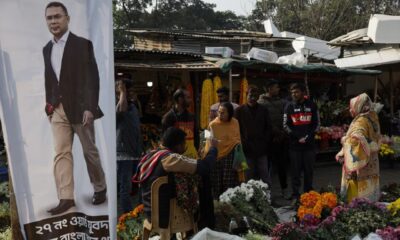
Bangladesh’s BNP wins two-thirds majority in landmark election

Pakistan army orders evacuation of Tirah Valley, fears of mass displacement grow

Afghan traders sign deal to import pharmaceuticals from Bangladesh

AFC Futsal Asian Cup 2026: Day One Review

Afghan envoy in UAE holds talks with Etihad Airways on launch of direct flights

Over 5.2 million Afghans return from Iran, Pakistan in 2025; IFRC warns of growing crisis

Tahawol: U.S. review of Afghanistan policy discussed

Saar: Discussion on close ties between Daesh and Pakistan

Tahawol: IEA’s rejection of global corruption index report discussed

Saar: Pakistan’s double game in Afghan war discussed

Tahawol: Tajikistan’s expanding relations with Afghanistan reviewed
-

 International Sports5 days ago
Winter Olympics gain momentum as medal table takes shape
-

 Sport4 days ago
Champions League Elite action continues as qualification race tightens
-

 International Sports3 days ago
IPL 2026: Franchise sales gather pace as global investors circle teams
-
 Latest News5 days ago
Tajik foreign minister urges international community to help Afghanistan address its challenges
-

 Sport4 days ago
Early medal leaders emerge as Winter Olympics continue in Italy
-
 Latest News4 days ago
Terrorist activities observed along Afghanistan borders, says Lavrov
-

 Sport5 days ago
New Zealand cruise past Afghanistan by five wickets in T20 World Cup
-
 Latest News4 days ago
Pakistan president claims situation in Afghanistan is ‘similar to or worse than pre-9/11’’