
Latest News
Pakistan denies reports of allowing US to use its territory for strikes in Afghanistan
Spokesperson for the Islamic Emirate of Afghanistan (IEA), who said that American drones were regularly entering Afghan airspace from Pakistani territory.


Pakistan’s military has denied reports claiming that the United States is using Pakistani territory or airspace to conduct drone strikes or military operations in Afghanistan, calling the allegations “completely baseless.”
Military spokesperson Lieutenant General Ahmed Sharif Chaudhry told reporters that “no such arrangement exists between Islamabad and Washington,” stressing that Pakistan’s territory “will never be used for any action against another country.”
His remarks followed comments by Zabihullah Mujahid, spokesperson for the Islamic Emirate of Afghanistan (IEA), who said that American drones were regularly entering Afghan airspace from Pakistani territory. Mujahid said Kabul had formally requested Islamabad to prevent the use of its land and airspace for such operations.
Chaudhry rejected those claims and emphasized that Pakistan conducts its own counterterrorism operations independently, without coordination or cooperation with the United States. He said Pakistani forces had eliminated 112 foreign fighters in various security operations over the past few months.
The military’s response comes just days before a new round of Pakistan–Afghanistan talks, set to begin on November 6 in Turkey.
The discussions will follow six days of negotiations that were held in Istanbul last month. The talks focused on border security, counterterrorism, and trade cooperation.
Regional analysts say Pakistan’s latest comments reflect the increasing sensitivity surrounding airspace violations and cross-border security allegations, which have further strained ties between Kabul and Islamabad since the withdrawal of foreign troops from Afghanistan in 2021.
The Islamic Emirate of Afghanistan maintains that respecting territorial sovereignty is key to maintaining peaceful relations and has urged neighboring countries to cooperate through dialogue and mutual understanding.

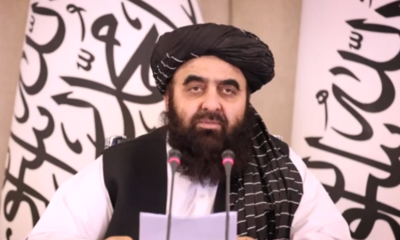


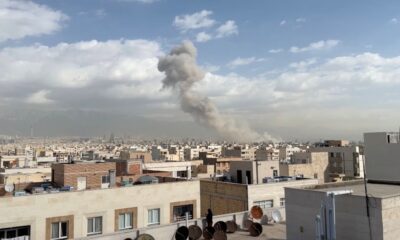

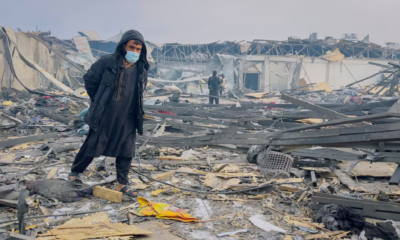

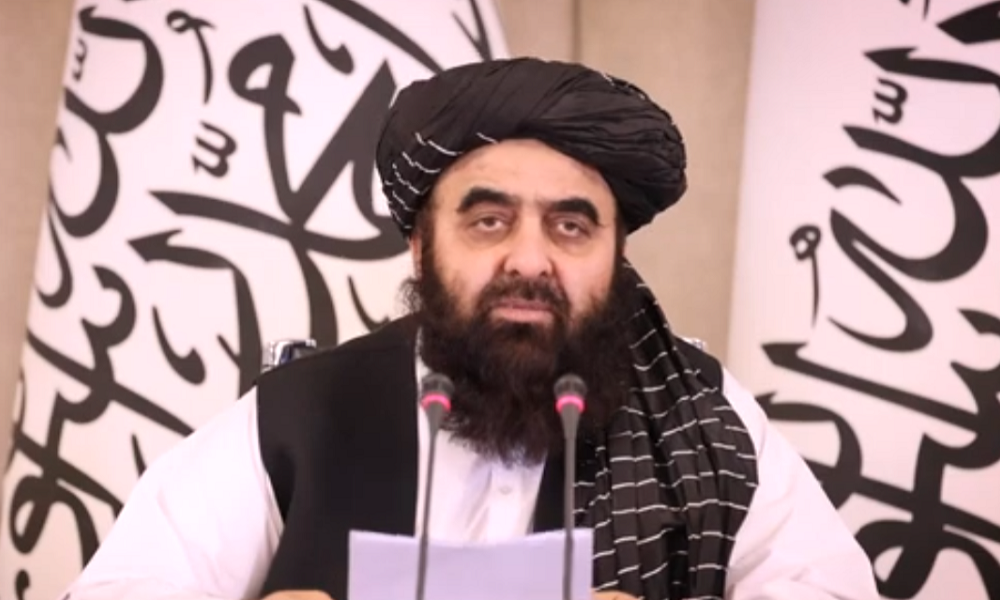
Afghanistan’s Foreign Minister Amir Khan Muttaqi has strongly condemned a Pakistani airstrike on Kabul, saying it killed more than 408 people and wounded over 260, most of them patients at a drug rehabilitation centre.
Speaking to diplomats and representatives from various organizations in Kabul, Muttaqi said the late-night strike targeted one of the most vulnerable groups in society—people undergoing treatment for drug addiction with support from humanitarian organisations.
He described the attack as a serious violation of humanitarian and Islamic principles, accusing Pakistan of deliberately hitting civilian facilities.
He said the strike came despite ongoing mediation efforts by regional countries, including China, and followed earlier goodwill gestures by
Afghanistan, such as the release of Pakistani detainees during Ramadan.
According to Muttaqi, repeated attacks since February—including strikes on civilian areas in multiple provinces—have eroded trust in diplomatic solutions.
Muttaqi warned that Afghan forces would continue “proportionate and legitimate” defensive responses if attacks persist, stressing that Afghanistan does not seek conflict but will defend its sovereignty and territory.
He also urged the international community, particularly regional and Muslim countries, to condemn the strike, warning that continued escalation by Pakistan risks destabilising the wider region and undermining major economic and development initiatives.
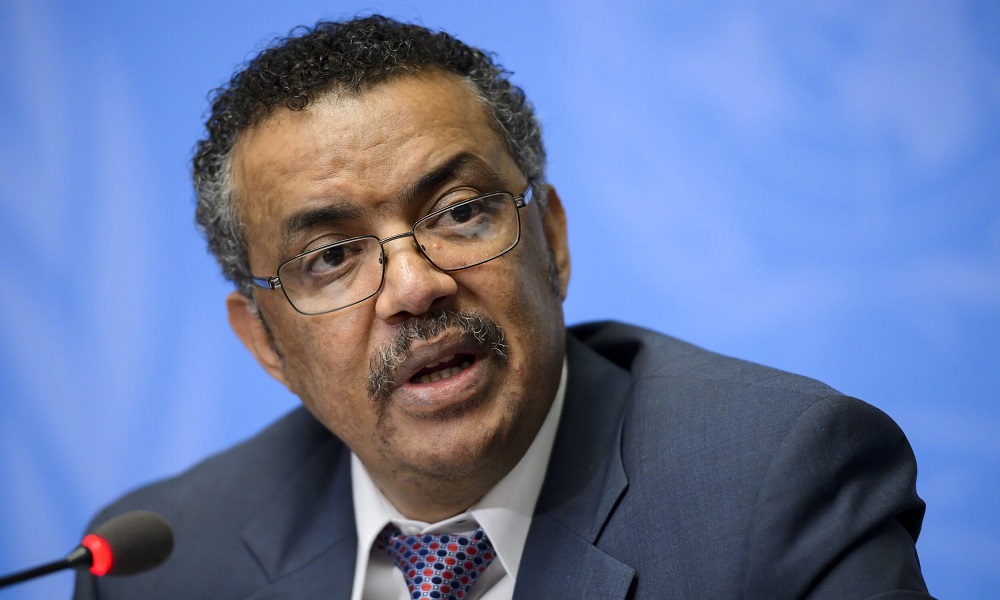
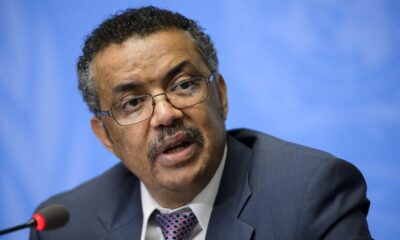
Tedros Adhanom Ghebreyesus, Director-General of the World Health Organization, said Tuesday that the escalating conflict between Kabul and Islamabad has placed additional strain on Afghanistan’s health system and increased risks to the health and well-being of vulnerable populations.
According to Ghebreyesus, since late February, at least six health facilities in Afghanistan have been affected by the rising tensions between Afghanistan and Pakistan.
He added that the World Health Organization is working to verify reports of attacks on the Omid Drug Rehabilitation Hospital in Kabul.
He called on Afghanistan and Pakistan to de-escalate tensions and prioritize peace.
Writing on X, he said: “Peace is the best medicine.”
Following Monday night’s attack by Pakistan’s military regime on the Omid Drug Rehabilitation Hospital in Kabul, 408 people were killed and more than 250 others were injured.
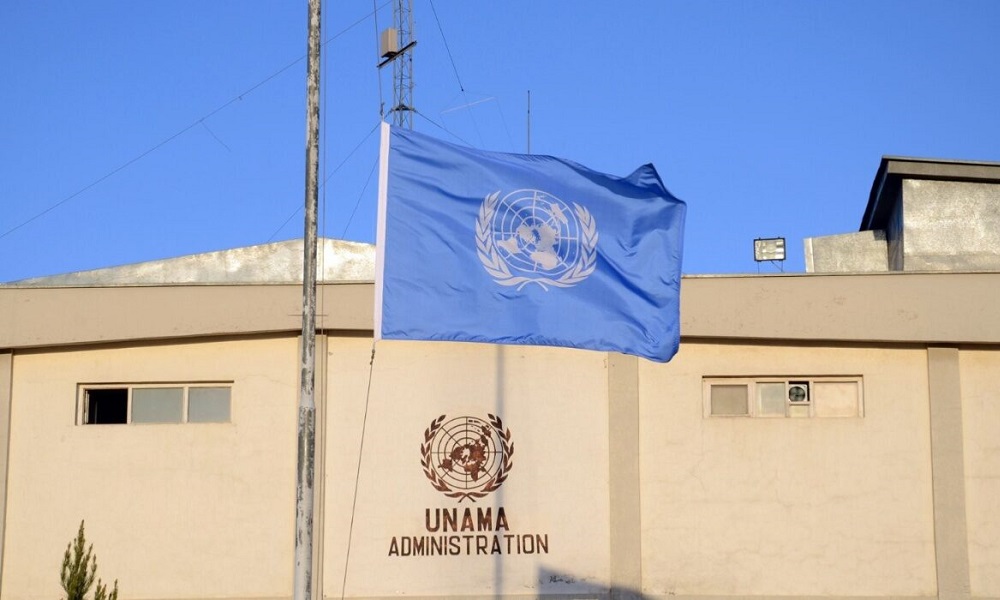
The United Nations Assistance Mission in Afghanistan (UNAMA) said Tuesday that in Afghanistan, civilians are bearing the cost of the ongoing conflict between Kabul and Islamabad.
In a statement, UNAMA said that under international law, all parties to the conflict must respect and protect the sick and wounded, healthcare workers, hospitals, and ambulances.
The organization added that these laws prohibit any attacks on hospitals and ambulances.
According to UNAMA, between 24 February and before 16 March, it has recorded at least 74 civilian deaths and 212 others injured in Afghanistan as a result of the hostilities.
UNAMA once again called for de-escalation and a permanent ceasefire, urging Afghanistan and Pakistan to act in accordance with their obligations under international law and to protect civilians.
Following a Monday night attack by Pakistan’s military regime on the Omid Drug Rehabilitation Hospital in Kabul, at least 400 people were killed and around 250 others were injured.


Tahawol: Pakistan’s new attacks on Kabul hospital discussed

Saar: Pakistani military’s airstrike on Kabul hospital discussed

Afghanistan condemns deadly Kabul airstrike, warns of continued self-defence

WHO Chief urges Kabul and Islamabad to prioritize peace

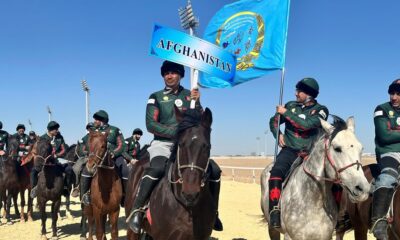
Afghanistan national buzkashi team defeats Hungary 14–0

Pakistani military jet downed in Afghanistan’s Jalalabad, pilot captured alive

Afghan Air Force conducts airstrikes in Islamabad, other cities

IEA releases three Pakistani soldiers to mark Ramadan

Afghanistan’s Chief of Armed Forces underscores readiness and equipment for national defense

Afghanistan welcomes investment and technology partnerships with India
Tahawol: Pakistan’s new attacks on Kabul hospital discussed
Saar: Pakistani military’s airstrike on Kabul hospital discussed

Tahawol: China’s efforts for Afghanistan-Pakistan talks

Saar: UNSC’s upcoming vote on UNAMA mandate

Tahawol: Afghan, Chinese FMs’ phone talks discussed
-
 Latest News4 days ago
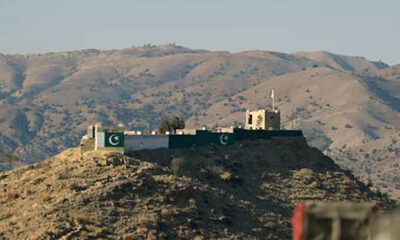
14 Pakistani soldiers killed after military post falls along Durand line: MoD
-
 Latest News5 days ago
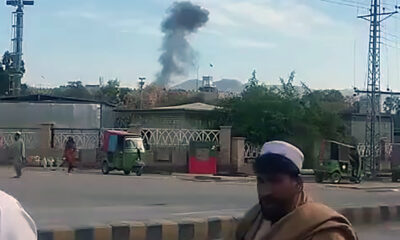
Afghan airstrikes target Pakistani military sites in retaliation for air attacks
-
 Latest News2 days ago
IEA Supreme Leader issues Eid-ul-Fitr message urging unity and support for Islamic system
-
 Latest News5 days ago
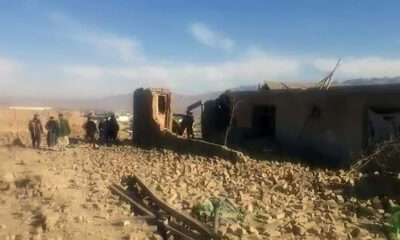
IEA condemns Pakistan’s airstrikes in several Afghan provinces
-
 Latest News3 days ago
Regional criticism grows amid Pakistan strikes inside Afghanistan
-
 Latest News5 days ago
UNAMA: Four civilians killed, 14 injured in Pakistani airstrike in Kabul
-
 World4 days ago
White House AI czar says US should ‘declare victory and get out’ of Iran war
-

 Business2 days ago
Turkmenistan, Afghanistan discuss steps to speed up land acquisition for TAPI pipeline