
Regional
Pakistan picks new chief of powerful spy agency ISI
The reported move comes as the political role of the agency faces intense scrutiny. One former ISI chief has been arrested for supporting the political cause of jailed former prime minister Imran Khan, who, in turn, alleges that the agency, under current chief Naveed Anjum, is being used against him.

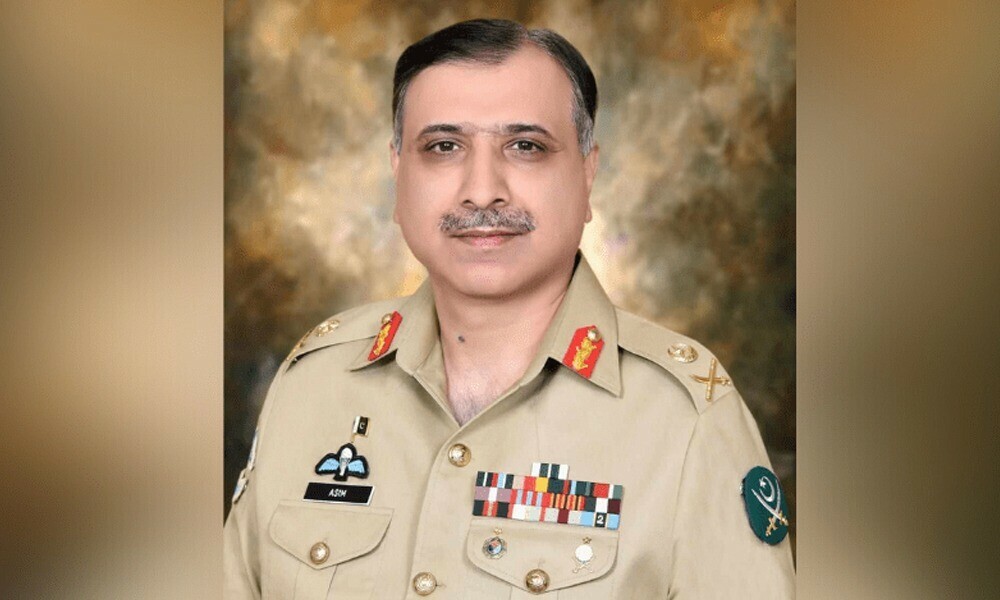
Pakistan has picked Lieutenant-General Muhammad Asim Malik as the new director general of the Inter-Services Intelligence (ISI), its top spy agency, Reuters reported citing a security source and a local TV channel, the first change in the key post since 2021.
The Pakistani military’s public relations department did not immediately respond to a request for comment, Reuters reported.
The reported move comes as the political role of the agency faces intense scrutiny. One former ISI chief has been arrested for supporting the political cause of jailed former prime minister Imran Khan, who, in turn, alleges that the agency, under current chief Naveed Anjum, is being used against him.
Several senior judges have also alleged, in a letter to the chief justice that was published in local media, that ISI agents were applying pressure on them to decide cases against Khan.
The source with knowledge of the move told Reuters that Malik, currently serving as the army’s Adjudicate General and a graduate of Fort Leavenworth in the United States, would take over on Sept. 30 as the chief of the ISI.
Local television channel Geo News also reported the same.
The post of ISI director general, usually a serving military officer, is one of the most powerful positions in Pakistan, at the intersection of domestic politics, the military and foreign relations.
While the ISI chief technically reports to the prime minister, he is controlled by Pakistan’s army chief.
A standoff between Khan and the army over the appointment of the ISI chief in 2021 is believed to have led to a falling out with top generals, which was followed by his ouster from the premiership months later.
Pakistan’s army, which denies pressurising judges or any role in politics, ruled Pakistan for more than three decades from 1958 and continues to exercise control over key areas of governance in the country.


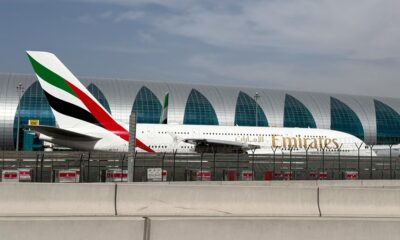

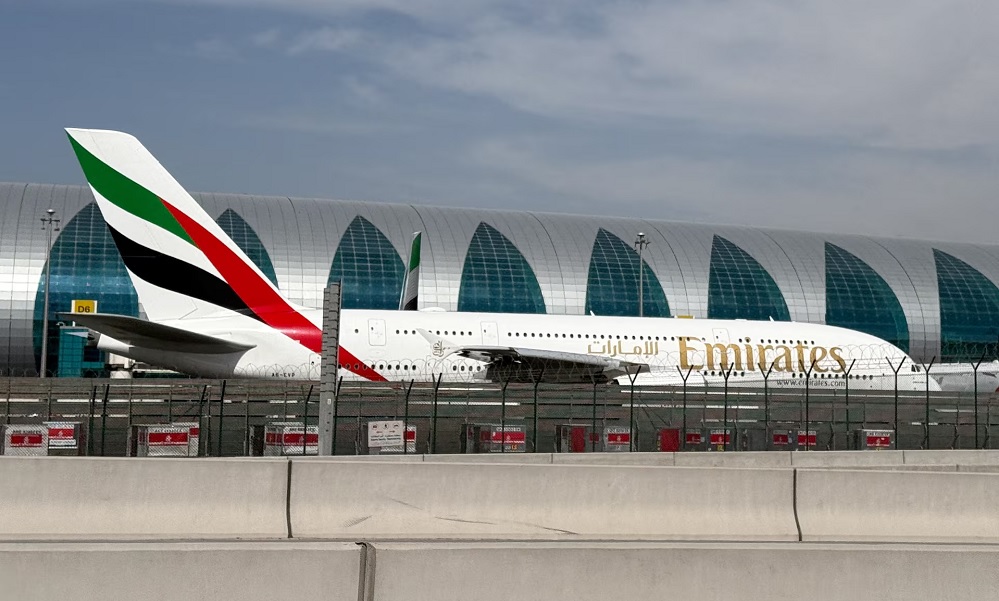
Dubai-based airline Emirates’ website said on Wednesday that Iranian nationals were not allowed to enter or transit the United Arab Emirates.
The website of another carrier, Flydubai, said Iranian nationals holding a UAE “Golden Visa” were exempt and permitted to enter and transit the country, Reuters reported.
The restrictions come amid heightened tensions between Iran and Gulf states.
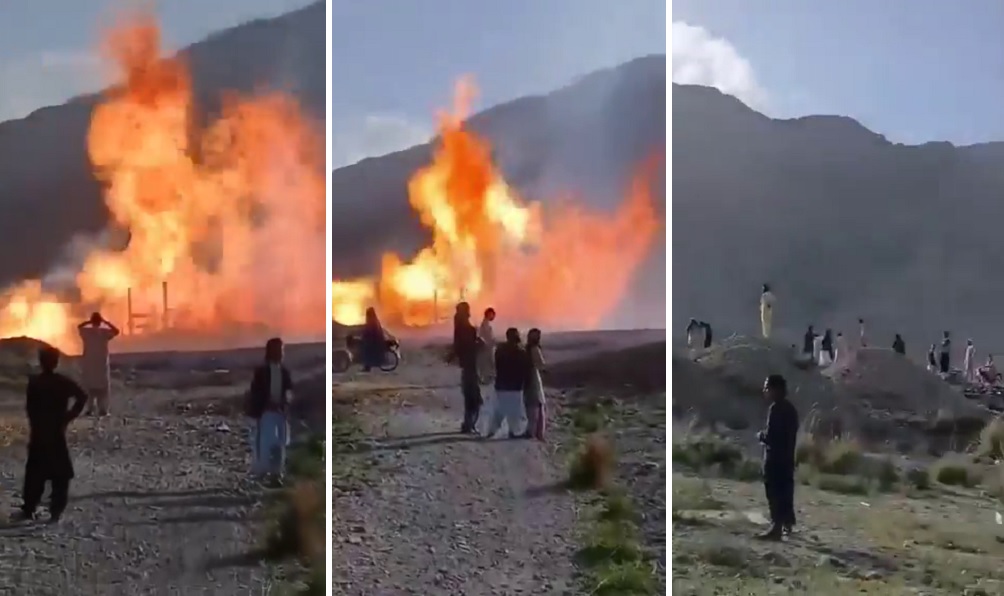
A natural gas pipeline was blown up in southern Pakistan on Monday, suspending supply to several districts, an official said.
No one has claimed responsibility for the attack.
An 18-inch-diameter main gas supply pipeline was blown up by unknown people on the outskirts of Quetta city, the capital of restive Balochistan province, a spokesman for Sui Southern Gas Company said, Reuters reported.
It suspended gas supply to several parts of the city and at least five more districts, he said.
Separatist insurgents and militants operate in the region.
The separatists have long been fighting against the state, targeting the government and military, and blame the central government in Islamabad for depriving the locals of what they say is their due share in the region’s mineral-rich resources.
Engineers were working to repair the pipeline, the SSGC spokesman said.
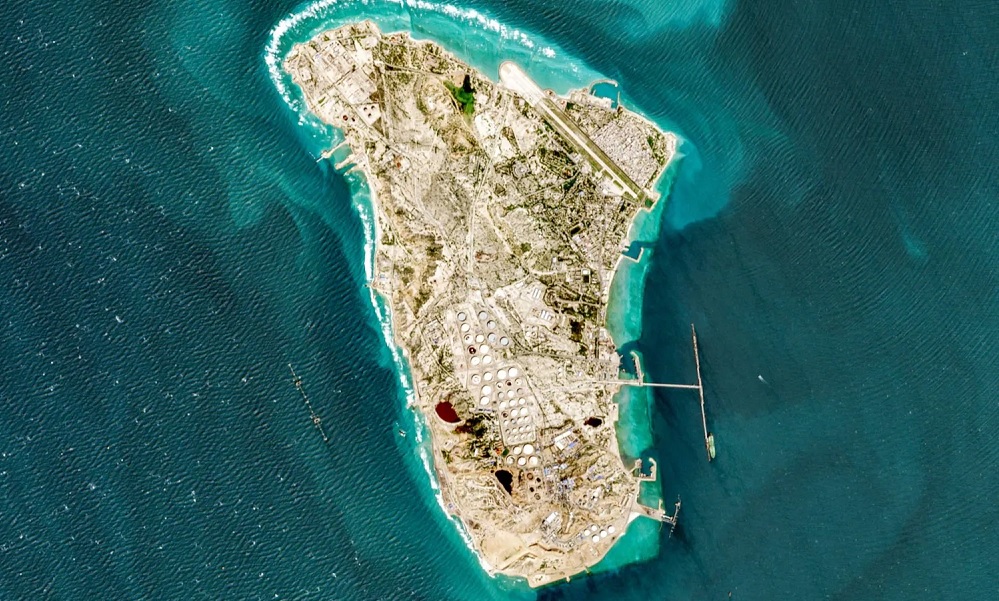
A small but strategically critical island in the Persian Gulf has emerged as a potential flashpoint in escalating tensions between the United States and Iran, with analysts warning that any attempt to seize it could have far-reaching economic and military consequences.
Kharg Island, which accounts for the vast majority of Iran’s oil exports, has reportedly been discussed within US policy circles as a possible target. The island, located about 26 km Iran’s coast near the Strait of Hormuz, plays a central role in the country’s energy trade and government revenue, Reuters reported.
According to reports, US President Donald Trump has deployed thousands of US troops to the Middle East, while leaving open the possibility of a ground operation. In recent remarks, he suggested that control of Iran’s oil infrastructure could form part of Washington’s strategy, even as diplomatic efforts are publicly emphasised.
Military analysts say that while US forces could potentially capture the island quickly, holding it would be significantly more difficult and could prolong the conflict.
Former US Central Command chief Joseph Votel noted that although a relatively small force might secure the island initially, sustaining operations would require extensive logistical support and expose troops to considerable risk.
Iran has reportedly reinforced defences on Kharg Island, deploying additional air defence systems and laying mines in surrounding waters. Officials in Tehran have also issued strong warnings, with senior figures threatening severe retaliation if US ground forces attempt to land.
Iran’s Speaker of Parliament Mohammad Bagher Ghalibaf said recently Iran was prepared for such a scenario, accusing the US of signalling negotiations publicly while preparing for military escalation behind the scenes.
Regional allies have also expressed concern, cautioning that any ground invasion could trigger wider retaliation across the Gulf, potentially targeting energy infrastructure and civilian sites.
Despite speculation, the White House has maintained that no decision has been taken to deploy ground troops, stressing that all options remain under consideration.
Experts say however that seizing Kharg Island could effectively cut off Iran’s primary source of income, dealing a severe blow to its economy. However, they warn that such a move could also destabilise global energy markets and escalate the conflict further.
The situation is compounded by disruptions in the Strait of Hormuz, where shipping traffic has slowed significantly amid rising tensions. Analysts caution that prolonged disruption could have serious implications for global supply chains and oil prices.
While some policymakers view control of the island as a potential bargaining chip in future negotiations, others argue it could entrench a prolonged standoff, with Iran retaining control over production while the US controls export routes.
Energy and foreign policy experts warn that any attempt to seize the island would likely send shockwaves through global markets and risk drawing the region into a broader and more sustained conflict.


Afghan delegation heads to China for talks with Pakistan

US eases asylum freeze for vetted migrants, keeps Afghanistan ban

Punjab Kings edge Gujarat Titans in thrilling IPL clash as tournament gathers pace

Peshawar jirga urges Pakistan, Afghanistan to halt clashes and pursue peace through dialogue

Emirates airline says Iranian nationals barred from entering or transiting UAE

Prominent Muslim scholar issues fatwa calling for Afghanistan-Pakistan ceasefire

IEA Supreme Leader issues Eid-ul-Fitr message urging unity and support for Islamic system

14 Pakistani soldiers killed after military post falls along Durand line: MoD

Ronaldo’s private jet flies out of Saudi Arabia following US Embassy drone strike in Riyadh

Afghanistan steps in to replace Iran in supplying fruits and vegetables to Russia

Tahawol: Escalation of conflict in Middle East discussed

Saar: Formation of Jirga in Khyber Pakhtunkhwa

Tahawol: Pakistani military shelling in Kunar

Saar: Impact of Middle East conflict on Afghanistan

Tahawol: Efforts for Kabul-Islamabad de-escalation
-
 Latest News5 days ago
Russia deems US military presence in Afghanistan unacceptable
-
 Latest News5 days ago
IEA says Iranian drivers no longer need visas to enter Afghanistan
-
 Latest News4 days ago
Afghan defense forces stand ready to protect national sovereignty: MoD
-

 International Sports3 days ago
Injury concerns mount ahead of FIFA World Cup 2026 as stars sidelined
-
 Latest News2 days ago
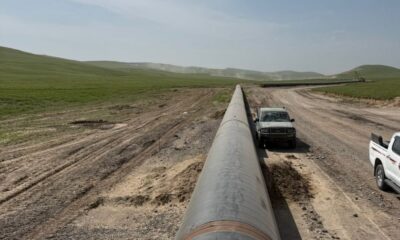
TAPI gas pipeline advances 25 km in Afghanistan
-

 World5 days ago
US Vice President Vance emerges as key figure in Iran peace efforts: Report
-
 Business3 days ago
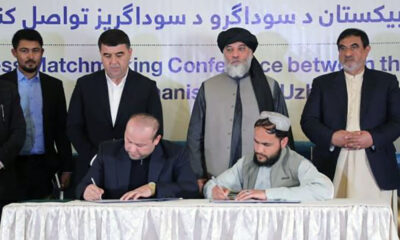
Afghanistan, Uzbekistan ink $514.8 million deals to deepen trade ties
-
 Latest News5 days ago
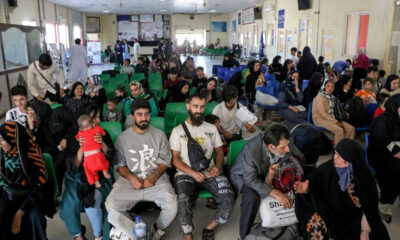
Afghans in Iran face growing uncertainty as war enters second month