
Regional
Recreation Park opened in Khost

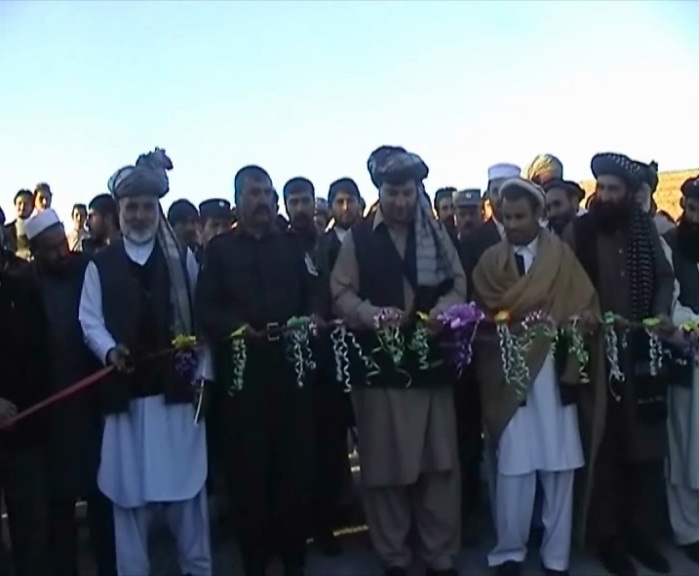

Construction work has been completed for a new recreational park in Khost Province, according to municipality of Khost officials.
The current recreation park was built by the municipality of Khost at a cost of 48 million Afghanis on the west side of the city and is now ready for utilization.
The Governor of Khost, Abdul Jabar Naemi, said, “The park has been made on 200 acres of land the top of the hill called Maton.”
According to Jabar, the recreational park is surrounded by trees to protect and prevent any damage to the property of the park in the future.
The road to the Park has been asphalted and a parking area for vehicles has been provided.
The new park has been created in an ideal location where it will add to the beauty of the city. It will also be a suitable place that will provide for many of the recreational needs of the residents.

Regional
Iranian proposal rejected by Trump would open strait before nuclear talks, Iran official says
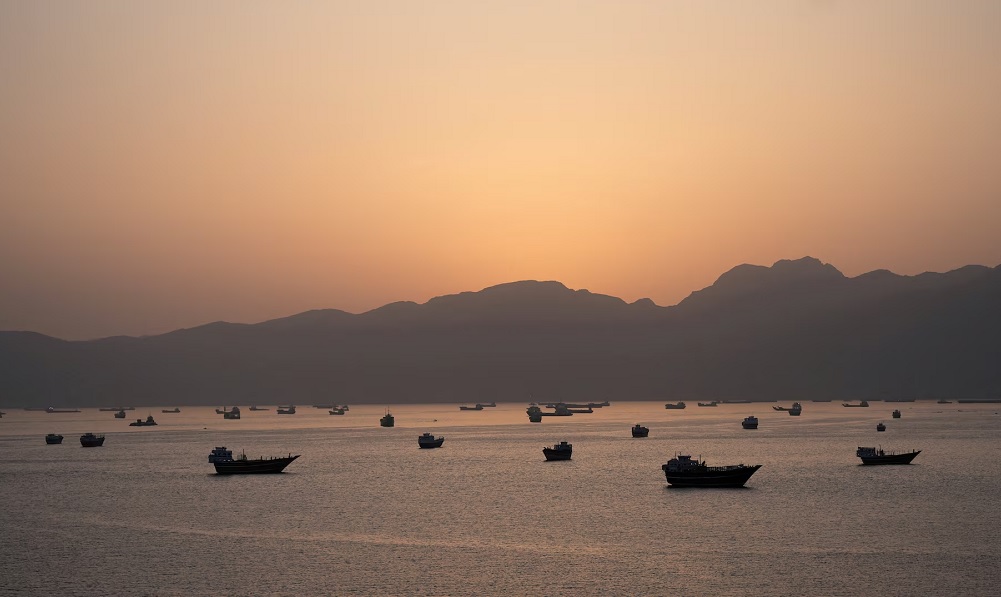
An Iranian proposal so far rejected by U.S. President Donald Trump would open shipping in the Strait of Hormuz and end the U.S. blockade of Iran while leaving talks on Iran’s nuclear programme for later, a senior Iranian official said on Saturday.
Four weeks since the United States and Israel suspended their bombing campaign against Iran, no deal has been reached to end a war that has caused the biggest disruption ever to global energy supplies, Reuters reported.
Iran has been blocking nearly all shipping from the Gulf apart from its own for more than two months. Last month the U.S. imposed its own blockade of ships from Iranian ports.
Trump said on Friday he was “not satisfied” with Iran’s latest proposal, without spelling out in detail which elements he opposes.
“They’re asking for things that I can’t agree to,” he told reporters at the White House.
Washington has repeatedly said it will not end the war without a deal that prevents Iran from ever obtaining a nuclear weapon, the primary aim Trump cited when he launched the strikes in February in the midst of nuclear talks. Iran says its nuclear programme is peaceful.
Speaking on condition of anonymity to discuss confidential diplomacy, the senior Iranian official said Tehran believed its latest proposal to shelve nuclear talks for a later stage was a significant shift aimed at facilitating an agreement.
Under the proposal, the war would end with a guarantee that Israel and the United States would not attack again. Iran would open the strait, and the United States would lift its blockade.
Future talks would then be held on curbs to Iran’s nuclear programme in return for the lifting of sanctions, with Iran demanding Washington recognise its right to enrich uranium for peaceful purposes, even if it agrees to suspend it.
“Under this framework, negotiations over the more complicated nuclear issue have been moved to the final stage to create a more conducive atmosphere,” the official said.
Reuters and other news organisations already reported over the past week that Tehran was proposing to reopen the strait before nuclear issues were resolved; the official confirmed that this new timeline had now been spelled out in a formal proposal conveyed to the United States through mediators.
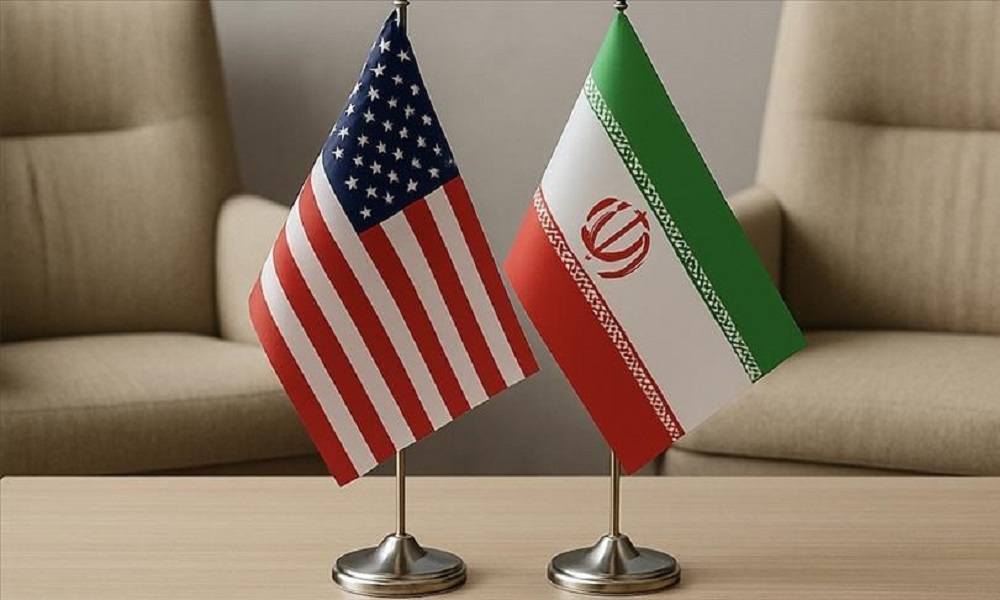
Tehran has submitted a new proposal for negotiations with the United States through Pakistani mediators, the Islamic Republic News Agency reported on Friday, in a move that could revive stalled diplomatic efforts.
The report did not disclose details of the proposal. However, global oil prices, which had surged amid escalating tensions, fell following the announcement.
Energy markets have been volatile in recent days, driven by concerns over disruptions in the Strait of Hormuz, a critical route for global oil and gas shipments. Fears of supply constraints have intensified amid heightened military and political tensions in the region.
It remains unclear whether the Iranian proposal has been formally delivered to Washington.
A ceasefire has reportedly been in place since April 8. Nonetheless, reports that Donald Trump was to be briefed on potential military options aimed at pressuring Iran to negotiate had earlier pushed oil prices to a four-year high on Thursday.
According to sources cited by Reuters, Iran has activated its air defense systems and is preparing for a potential escalation. Officials reportedly anticipate the possibility of a limited but intense U.S. strike, which could be followed by further action involving regional allies.
Regional
Iran’s wartime leadership moves into hands of Revolutionary Guards
Mojtaba Khamenei, who was elevated after his father’s death, now reportedly serves more as a figure who endorses decisions rather than directing policy himself.
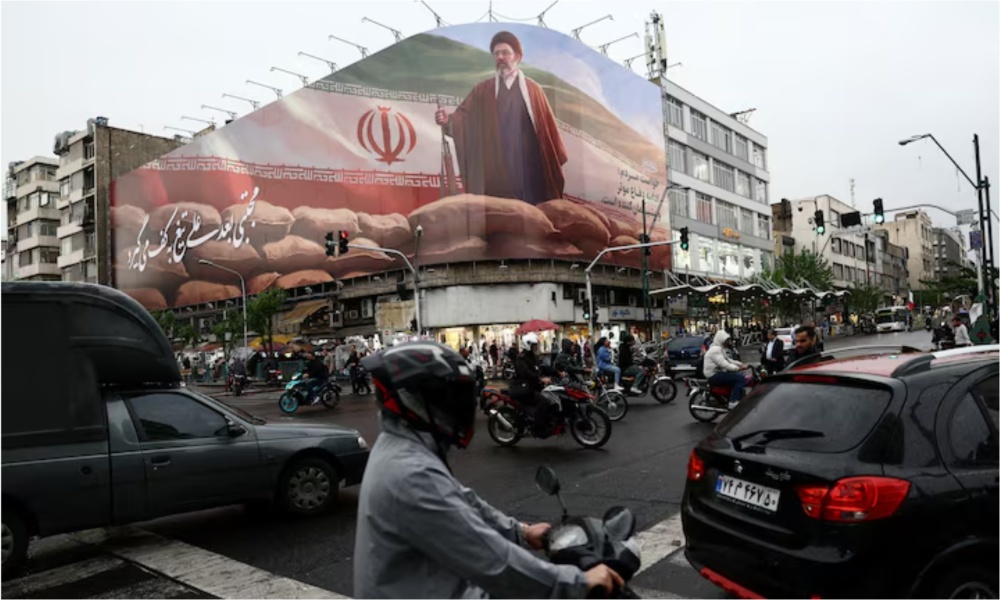
Iran’s Islamic Revolutionary Guard Corps (IRGC) has emerged as the dominant force in the country’s wartime leadership, reducing the role traditionally held by the supreme leader following the reported death of Ayatollah Ali Khamenei, Reuters reported Wednesday.
According to officials, analysts and sources familiar with internal deliberations, Iran is no longer operating under a single undisputed authority at the top of its political system, marking a major shift from the model that has defined the Islamic Republic since 1979.
Sources told Reuters that Mojtaba Khamenei, who was elevated after his father’s death, now serves more as a figure who endorses decisions rather than directing policy himself.
Real influence is said to rest with the IRGC, the Supreme National Security Council, and senior figures in the supreme leader’s office.
Reuters reported that wartime pressures have concentrated authority within a smaller hardline circle, with commanders shaping military strategy, diplomacy and domestic security policy.
Iran’s diplomatic engagement with Washington has reportedly been led by Foreign Minister Abbas Araqchi, while parliamentary speaker Mohammad Bagher Ghalibaf, a former Guards commander, has become an important link between political and military elites. On security matters, IRGC commander Ahmad Vahidi has been identified by sources as a key power broker.
Analysts told Reuters the shift reflects a broader transfer of power from clerical institutions to the security establishment. They said policy choices now appear centered on preserving leverage in the conflict, particularly over the Strait of Hormuz, while resisting Western pressure on nuclear and regional issues.
Despite ongoing military and economic pressure from the United States and Israel, Reuters reported there were no visible signs of major internal divisions or political collapse, suggesting the Guards and security services now firmly steer Iran’s wartime strategy.


Afghan war crimes report on frontline of new Australian display

Iranian proposal rejected by Trump would open strait before nuclear talks, Iran official says

641 million afghani contract signed for Aybak–Ruyi Du Ab road project in Samangan

Four women, two children drown in Helmand River incidents in Nawa district

Germany to launch online visa system for Afghan study and work applicants in Pakistan

IEA supreme leader orders replacement of foreign terminology in official documents

Afghanistan hosts inaugural Afghanistan–Central Asia Consultative Dialogue to strengthen regional cooperation

Tripartite agreement to launch new Russia–Turkmenistan–Afghanistan transit corridor

Kazakhstan eyes rare metals mining projects in Afghanistan and Rwanda

Bayat Power extends gas supply deal with Afghan Gas

Documentary on Treasure of the Soil

Tawsia: Prioritizing Afghan workers’ employment discussed

Tahawol: Concerns over current situation in Middle East

Documentary on Impartial Victims

Saar: Severe humanitarian crisis in Afghanistan reviewed
-
 Latest News5 days ago
Dozens of Kunar University staff and students wounded in Pakistani rocket attack
-
 Latest News5 days ago
Pakistan rocket attack on Kunar leaves 4 dead, dozens injured
-
 World4 days ago
Trump rejects latest Iranian proposal to end war, US official says
-

 International Sports3 days ago
ATN brings AFC U17 Asian Cup action to Afghan audiences
-

 Science & Technology3 days ago
Afghanistan launches first 5G trial in Kabul to boost telecom services
-
 Tahawol5 days ago
Tahawol: Kabul and Riyadh Push to Expand Ties
-
 Latest News4 days ago
Russian envoy Zamir Kabulov arrives in Kabul for high-level talks
-
 Regional3 days ago
Iran’s wartime leadership moves into hands of Revolutionary Guards