
World
Syria’s Sharaa tells Putin he will respect past deals with Moscow
Two Syrian sources told Reuters that Sharaa would use the talks to formally request that Moscow hand over Assad to face trial over alleged crimes against Syrians.

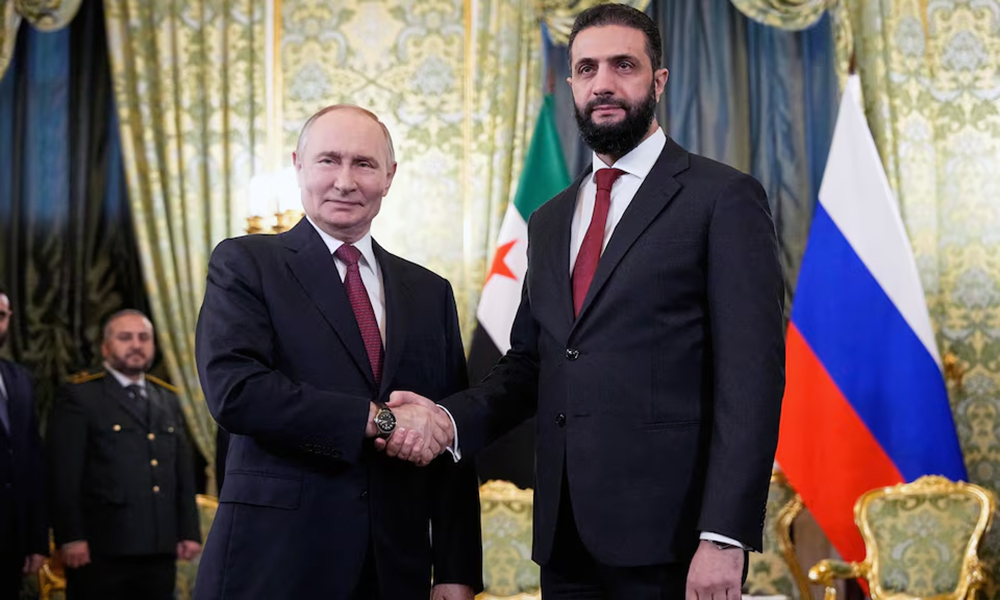
Syrian President Ahmed al-Sharaa told Russian President Vladimir Putin on Wednesday he would honour all past deals struck between his country and Moscow, a pledge suggesting Moscow’s two main military bases in Syria are safe, Reuters reported.
Sharaa, who once headed the Syrian branch of al Qaeda and who toppled predecessor Bashar al-Assad, a close Russian ally, late last year, was speaking at the start of Kremlin talks with Putin on his first visit to Russia since coming to power.
“There are bilateral relations and shared interests that bind us with Russia, and we respect all agreements made with it. We are working on redefining the nature of relations with Russia,” Sharaa, who was speaking in Arabic, told Putin.
Putin told him that Moscow was ready to do all it could to act on what he called “many interesting and useful beginnings” that had already been discussed between the two sides when it came to renewing relations.
Russian Deputy Prime Minister Alexander Novak told reporters after the talks that Moscow was willing to work on oil projects in Syria and help it to restore energy, rail and other infrastructure destroyed during years of civil war. The two leaders had discussed this at length, he said.
“Russian companies have been working in Syria for a long time, at oil fields. There are fields that require development, those that are mothballed, and new fields. We are ready to participate,” Novak said.
The Kremlin said before the talks that the fate of Russia’s two main bases in Syria – the Hmeimim air base in Syria’s Latakia province, and its naval facility at Tartous on the coast – would be discussed, read the report.
Russia has a military presence at Qamishli airport – in the northeast near the borders of Turkey and Iraq – as well.
Russian Foreign Minister Sergei Lavrov said on Monday that Moscow believed Damascus wanted the military bases to stay and spoke about using them as logistics hubs to get aid to Africa.
Syrian officials are seeking guarantees that Russia will not help rearm remnants of Assad’s forces, a Syrian source said before the talks. Sharaa is hoping that Russia might also help rebuild the Syrian army, the same source said.
Sharaa’s visit was sensitive. Russia used its military muscle to back Assad for years against Syrian rebels who came to power in December last year led by Sharaa. Moscow then granted asylum to Assad and his family when they fled the country.
The Assads now live discreetly in Moscow, according to Russian media.
Two Syrian sources told Reuters that Sharaa would use the talks to formally request that Moscow hand over Assad to face trial over alleged crimes against Syrians.
Russia prides itself on being able to protect its foreign allies and was not likely to agree to hand over Assad to Damascus. Lavrov said on Monday that Russia had given Assad refuge because his life had been under threat, Reuters reported.
Sharaa, who is hoping to secure economic concessions from Russia, including the resumption of wheat supplies on favourable terms and compensation for war damage, was also expected to press for Moscow’s backing to resist Israeli demands for a wider demilitarised zone in southern Syria.
One of the two sources said he might also raise the issue of redeploying Russian military police as a guarantor against further Israeli encroachments.

World
Trump says further US attacks on Iran ‘highly unlikely’ as peace talks gain momentum
Although Trump played down the prospect of renewed attacks, he warned that US forces remained prepared to respond if circumstances changed.
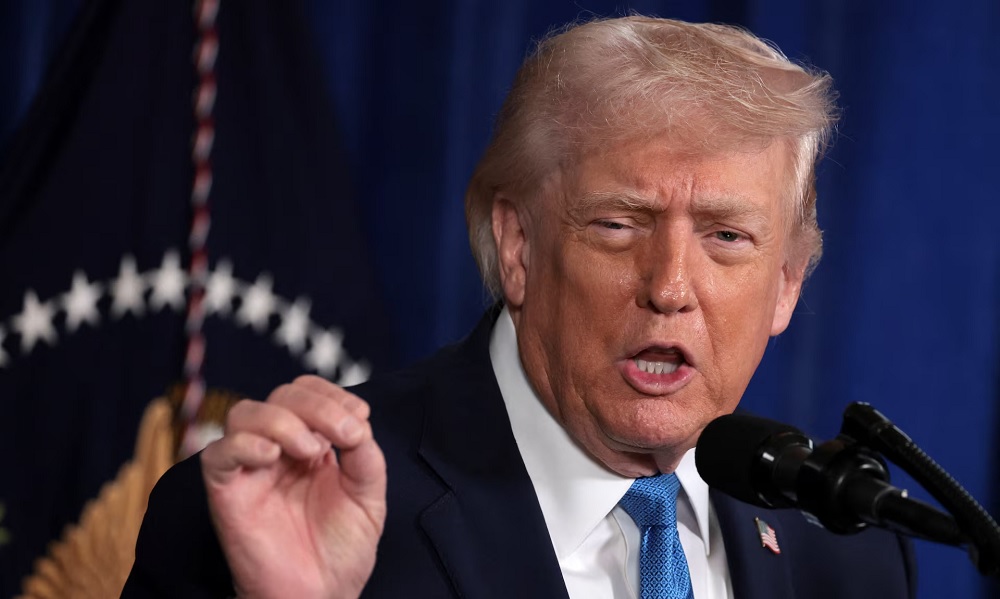
US President Donald Trump has said further American military strikes against Iran are “highly unlikely”, signalling a possible shift towards de-escalation as diplomatic efforts to end the conflict gather momentum.
Speaking to reporters at the White House on Monday, Trump said Iran was effectively defeated militarily and suggested Washington was prepared to maintain the current situation while negotiations continued.
“Iran militarily is effectively over,” Trump said, adding that there was “positive momentum” behind efforts to reach an agreement.
“We’re just keeping it the status quo,” he said, explaining that the decision was largely being taken at the request of neighbouring countries.
Although Trump played down the prospect of renewed attacks, he warned that US forces remained prepared to respond if circumstances changed.
“We’re locked and loaded,” he said, while describing further strikes as “highly unlikely”.
The comments come amid growing pressure on the Trump administration to bring the conflict to an end, following bruising midterm election results for Republicans last week.
Several senior party figures, including Vice-President JD Vance, have pointed to the war as a factor behind the party’s poor performance.
Trump had previously indicated that US forces carried out what he described as limited strikes on an Iranian island near the strategically important Strait of Hormuz.
However, in a television interview broadcast on Sunday, he said he currently saw no reason to escalate the military campaign.
He also stopped short of formally declaring the war over, arguing that Washington still had to protect its Gulf allies from possible Iranian attacks.
The US naval blockade of Iranian ports, he suggested, was helping maintain security across the region.
Global oil prices fell further following Trump’s latest remarks, with Brent crude dropping more than 1% to around $91.50 a barrel, while US crude also declined.
Gulf diplomacy intensifies
Trump’s comments followed a meeting with Qatari Prime Minister Sheikh Mohammed bin Abdul Rahman Al Thani at the White House on Monday.
The US president described their discussions as excellent, while the Qatari leader said he had held positive talks with Trump and Vance on reaching an agreement and restoring regional peace.
Diplomatic efforts to end the conflict have largely been conducted through intermediaries since the war erupted following joint US-Israeli strikes against Iran in February.
Saudi Arabia, Qatar and the United Arab Emirates are among Washington’s Gulf partners that have been targeted by Iranian attacks during the conflict, while security concerns have also caused significant disruption to regional air travel.
Political pressure mounts in Washington
Meanwhile, the war is generating further political tensions in Washington.
Republican Congressman Thomas Massie on Monday announced plans to force a House of Representatives vote this week on impeaching Defence Secretary Pete Hegseth over his handling of the conflict.
Hegseth, who has received Trump’s backing, dismissed the threat, describing Massie’s effort as a “sham”.
The impeachment initiative is unlikely to succeed while Republicans retain control of Congress. However, Democrats have indicated they could pursue the matter when the new congressional session begins in January.
For Trump, the challenge is increasingly twofold: finding a diplomatic exit from the conflict while managing mounting political pressure at home and reassuring US allies across the Gulf.
World
First Muslim US senator-elect El-Sayed calls for review of aid to Pakistan
He also called for restrictions on US arms sales to Israel, alleging that some American-supplied weapons were being used in actions involving what he described as genocide and apartheid.
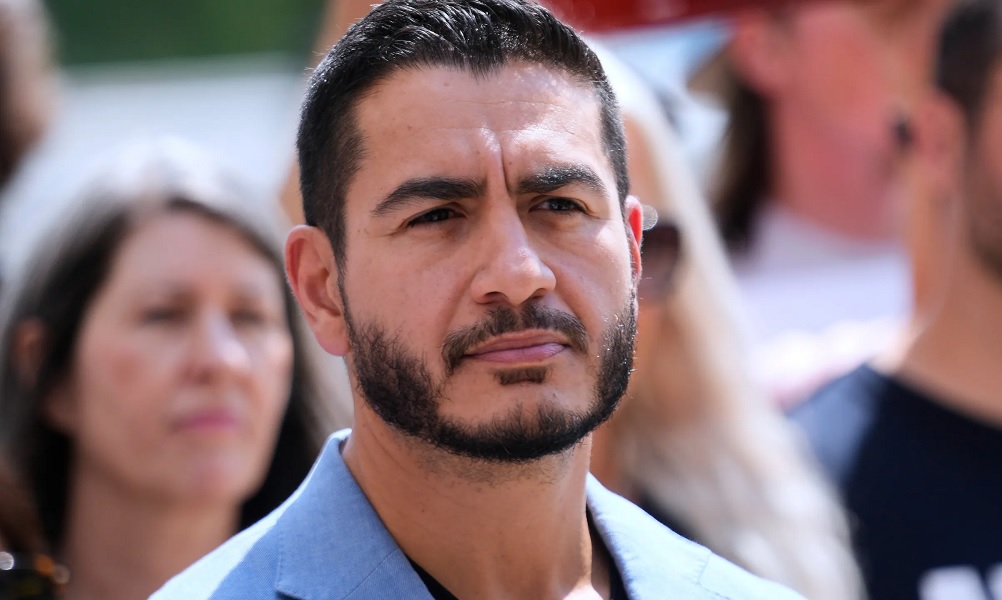
Abdul El-Sayed, the first Muslim elected to the US Senate, has called on Washington to reconsider its financial and military assistance to Pakistan and several other countries, arguing that American taxpayer money should not be used to support violations of international law.
El-Sayed, a Democrat who recently defeated Republican candidate Mike Rogers in Michigan, said the United States must ensure that its foreign assistance policies are consistent with international law.
In an interview with ABC, he stressed that the issue should not be limited to Israel, but should also include Pakistan, Egypt and Jordan.
“When we are giving money to a country that is using our money to violate international law, that seems to me a good place to start,” El-Sayed said.
His remarks come after US President Donald Trump announced plans to end approximately $4 billion in annual military assistance to Israel by the end of the year.
El-Sayed welcomed Trump’s proposal to reduce military aid to Israel, saying he agreed with the president’s approach.
He also called for restrictions on US arms sales to Israel, alleging that some American-supplied weapons were being used in actions involving what he described as genocide and apartheid.
The United States currently provides Israel with $3.8 billion in annual military assistance under an agreement that remains in effect until 2028.
However, El-Sayed’s criticism extends beyond Israel. He has also questioned US military assistance to Egypt, Saudi Arabia, Jordan and Pakistan, arguing that American taxpayer money should instead be directed towards domestic priorities.
World
Houthi-run health ministry says airstrikes kill 33 near Yemen capital
The ministry said the strikes hit homes in the town of Bani Hushaysh, a Houthi stronghold east of Sanaa, and that most of those killed were women and children.
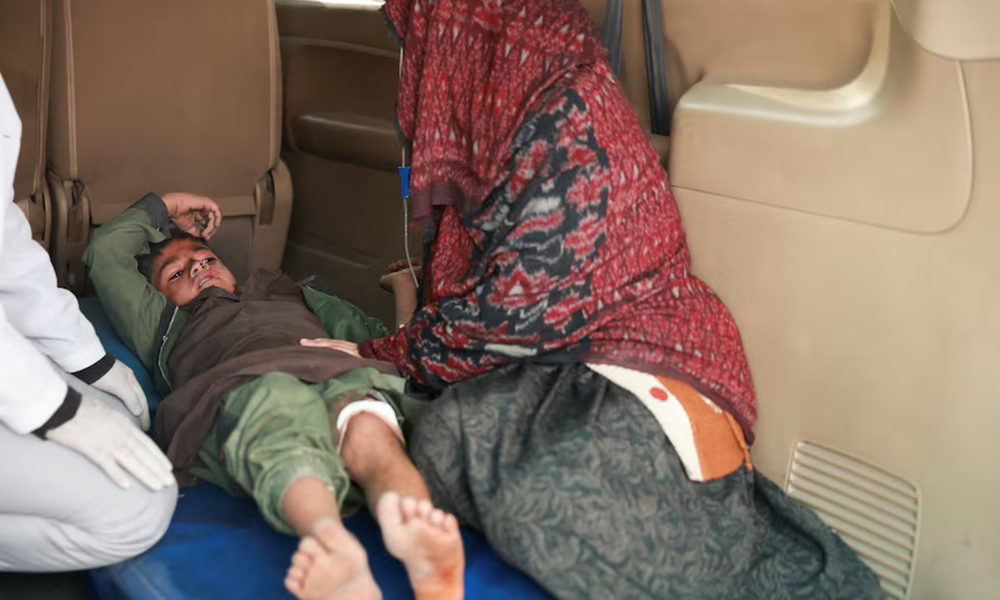
At least 33 people were killed and 39 wounded in what the Houthi-run Saba news agency said were Saudi airstrikes on a village near Yemen’s capital Sanaa on Saturday, in one of the deadliest reported attacks since fighting between Saudi Arabia and the Iran-aligned group resumed in July.
Reuters could not independently verify the account. Saudi Arabia’s Center for International Communication said it was investigating the report.
The renewed fighting between Saudi Arabia and the Houthis has shattered a 2022 UN-brokered truce that largely halted attacks between the Saudi-led coalition and the group, which controls Sanaa. The Houthis have since launched missile and drone attacks on Saudi airports and oil facilities, while Riyadh has carried out airstrikes in Yemen in support of its Yemeni allies.
The ministry said the strikes hit homes in the town of Bani Hushaysh, a Houthi stronghold east of Sanaa, and that most of those killed were women and children.
Abdul-Aziz al-Dailami, director of Sehatuna Hospital in Sanaa, said many victims remained trapped under the rubble, including first responders.
“The strikes keep coming. Just as rescuers arrive, another strike hits. We have even lost some of our own medical responders, who have been martyred,” he told Reuters.
“We received a number of wounded individuals in very critical condition, with injuries to the head, chest and legs, as well as fractures,” al-Dailami added.
The fighting, a spillover from the wider US-Iran conflict, has revived a complex 12-year war in Yemen that has caused one of the worst humanitarian crises globally and fragmented the Arab world’s most impoverished country.
The number of people displaced since the latest round of fighting began has climbed to more than 200,000, the International Organization for Migration said in October.

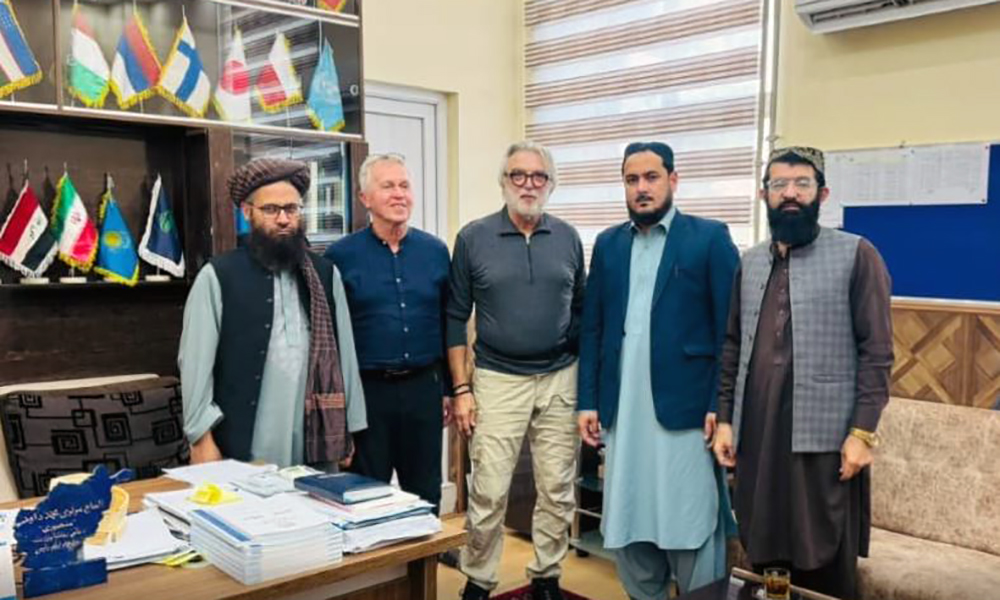
German medical team launches free surgical mission at Bamiyan provincial hospital

Trump says further US attacks on Iran ‘highly unlikely’ as peace talks gain momentum
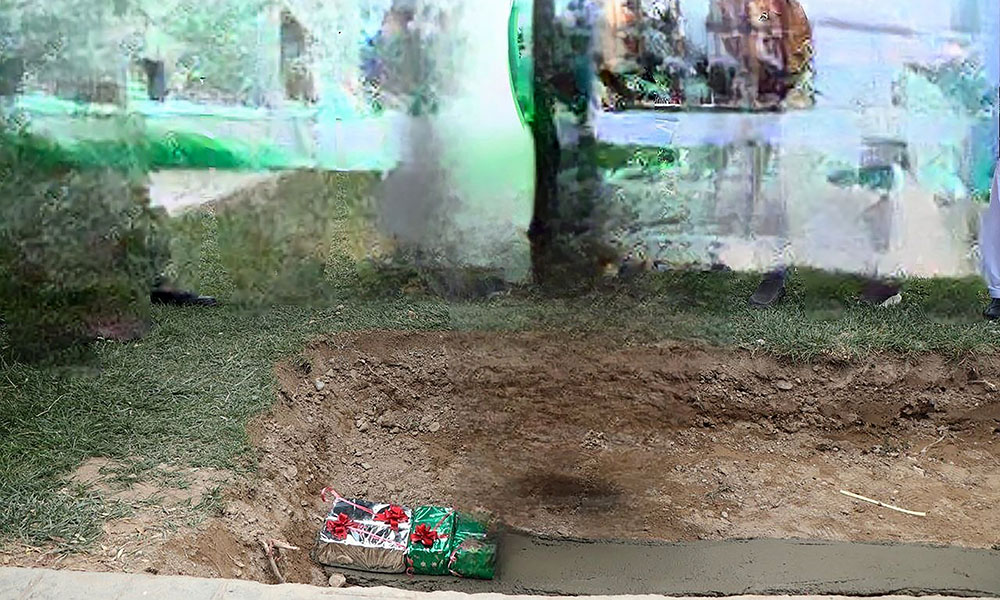
$30 million pharmaceutical investment launched in Herat as new production line opens

IEA rejects US travel warning, says no threat to foreign nationals in Afghanistan
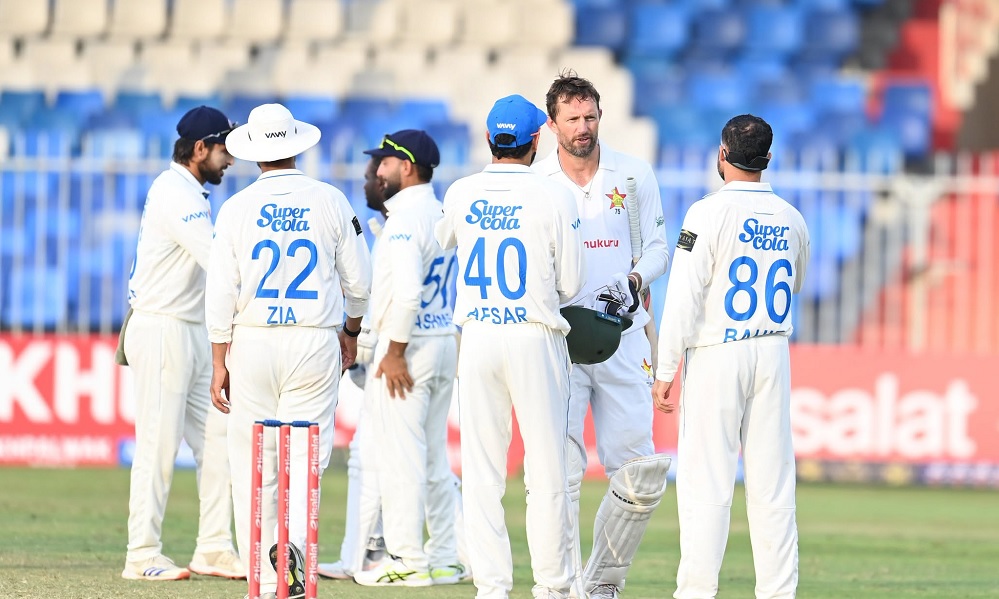
First Test between Afghanistan and Zimbabwe ends in a draw

Afghanistan finish runners-up after 6-0 defeat to Brazil in futsal final

Trump says US may strike Iran’s ‘Pickaxe Mountain’ nuclear facility

Afghan futsal coach: Brazil tournament is first step towards new goals and World Cup

Pakistan deploys military to Peshawar after emergency rule declared

Violent protests spread across Europe as Albanian PM blames ‘foreign hand’
Trump says further US attacks on Iran ‘highly unlikely’ as peace talks gain momentum
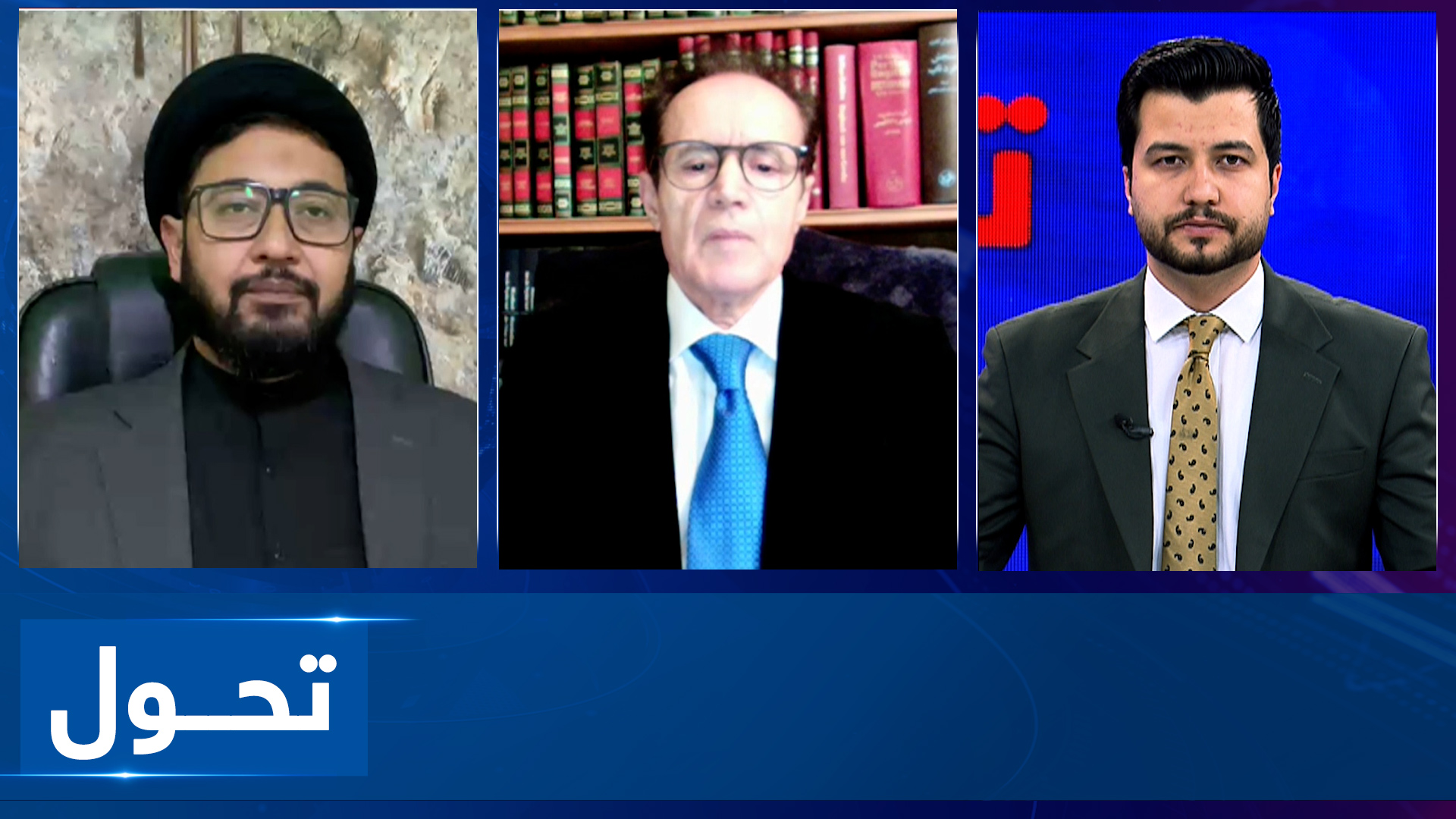
Tahawol: Geopolitical developments in the Middle East
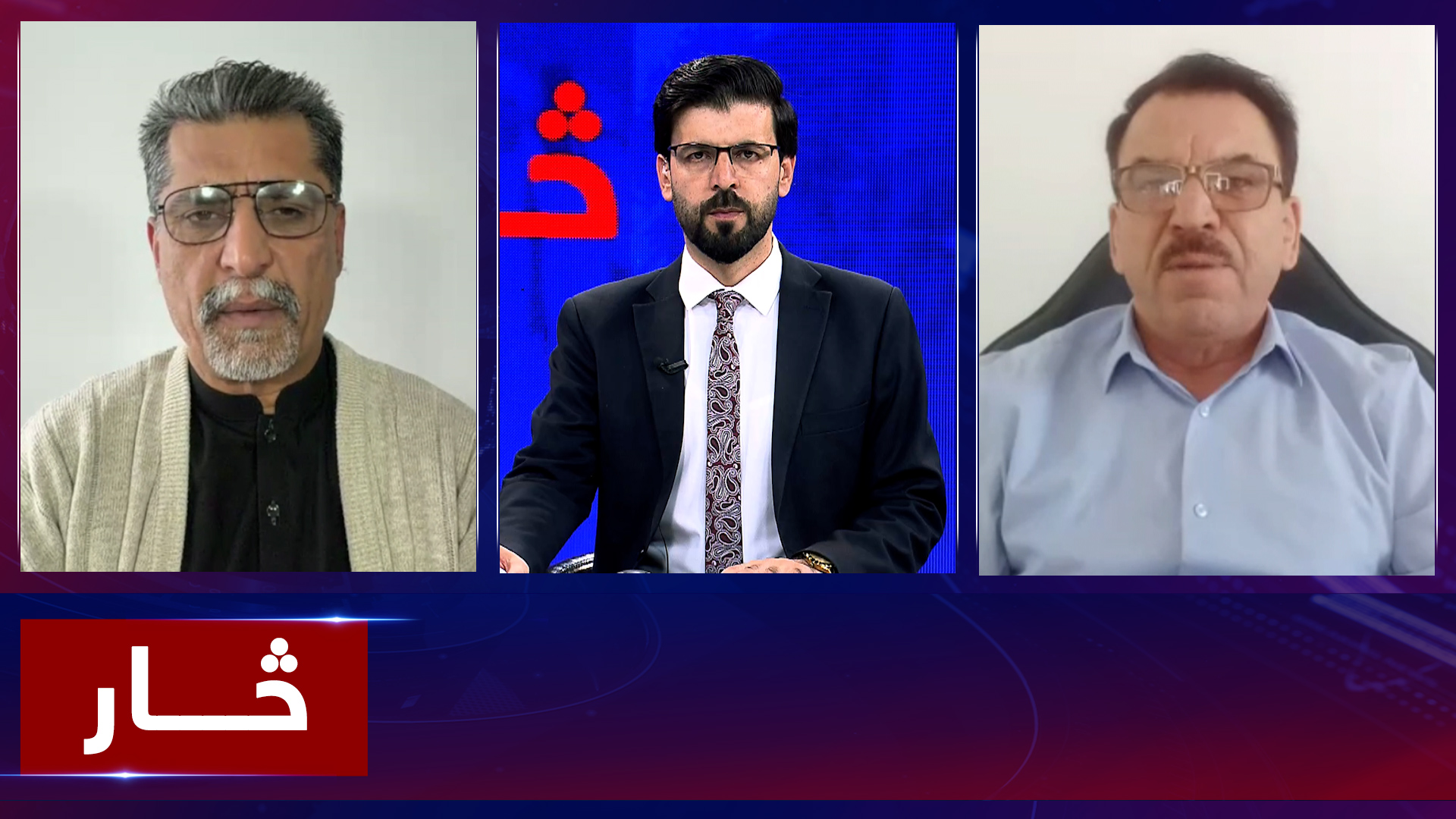
Saar: EU’s engagement with Afghanistan
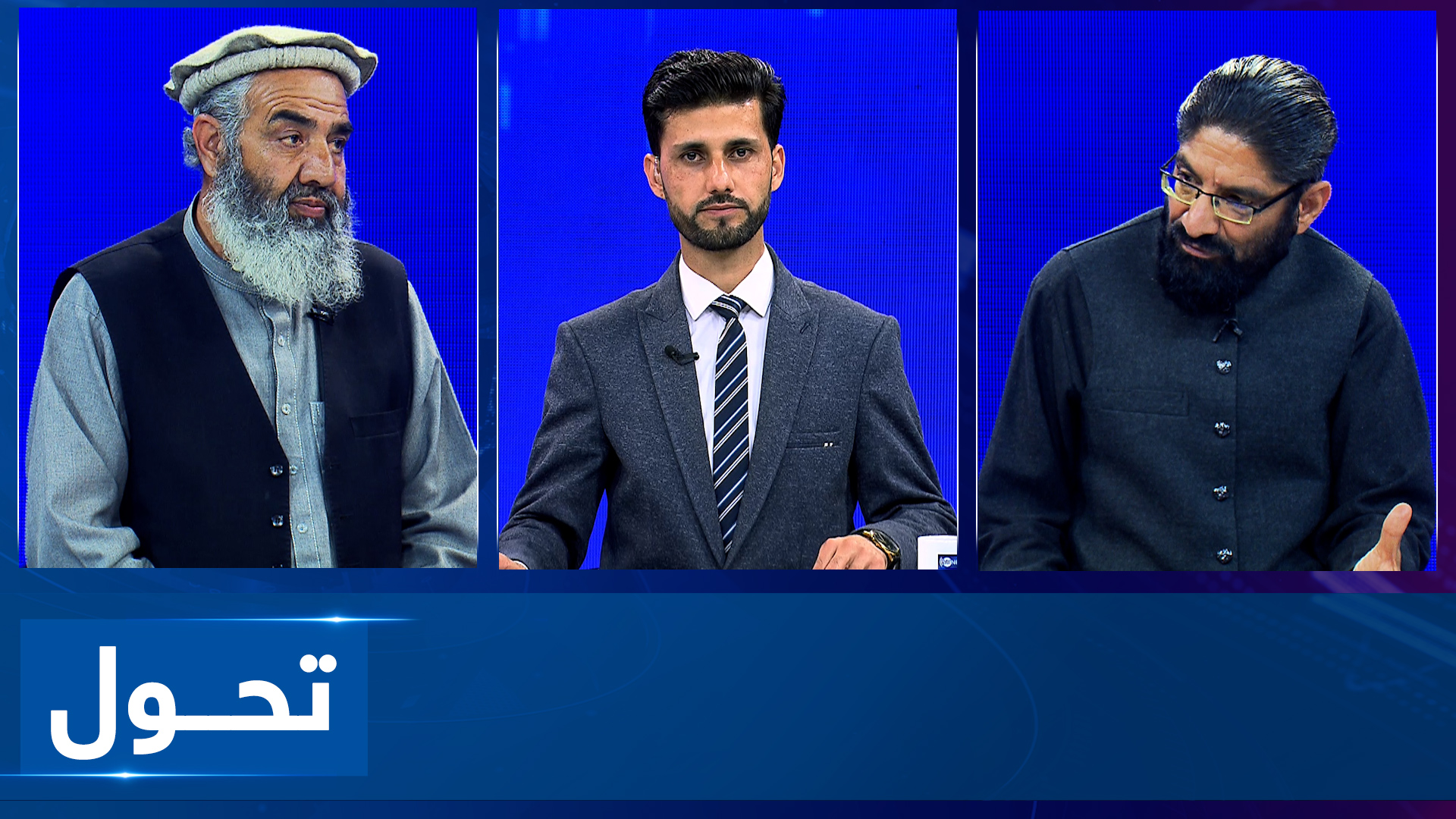
Tahawol: Afghanistan’s participation in Shanghai Plus security meeting discussed
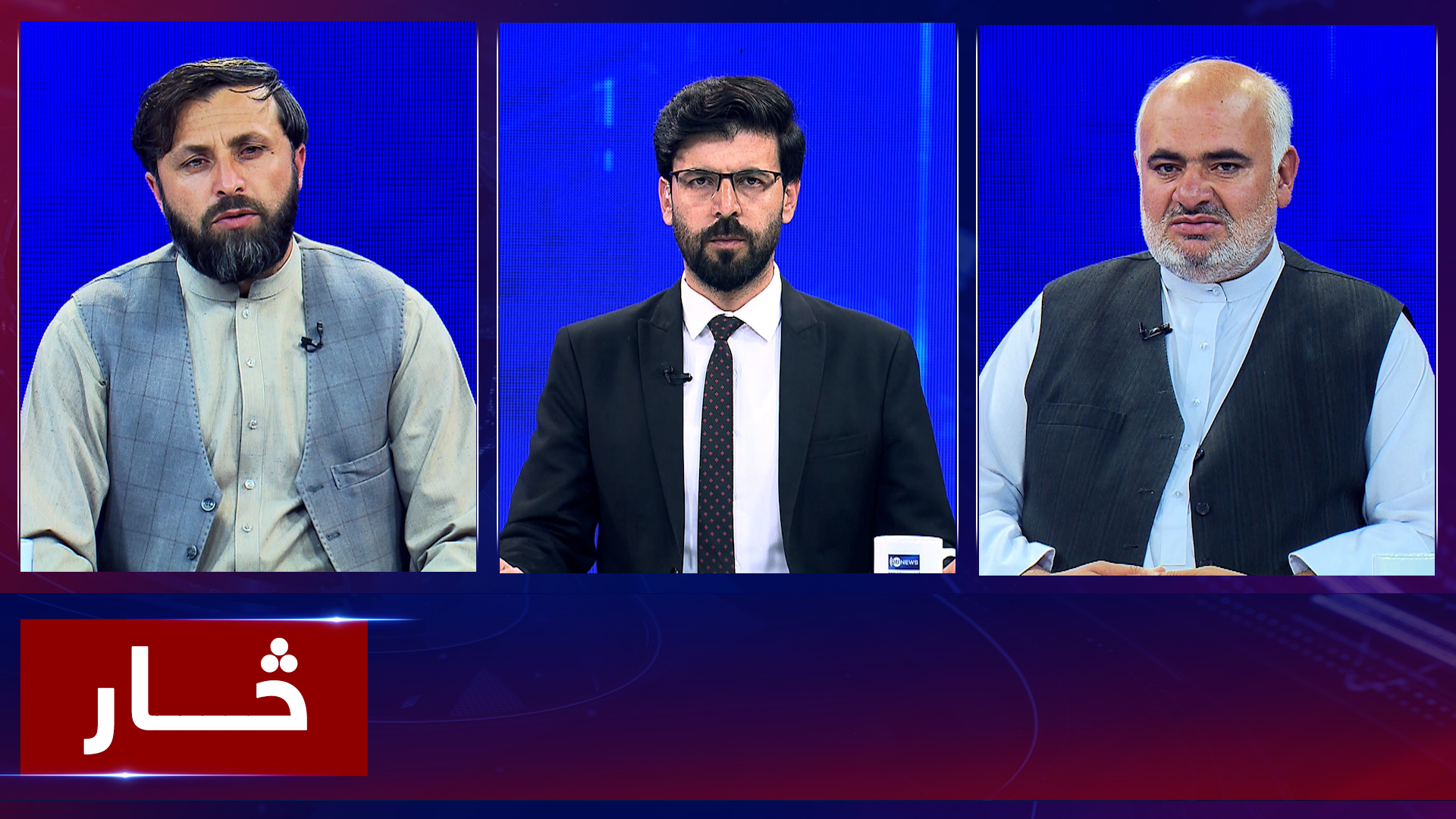
Saar: Afghanistan’s declining humanitarian aid funding discussed
-

 International Sports5 days ago
Cristiano Ronaldo announces international retirement
-
 World5 days ago
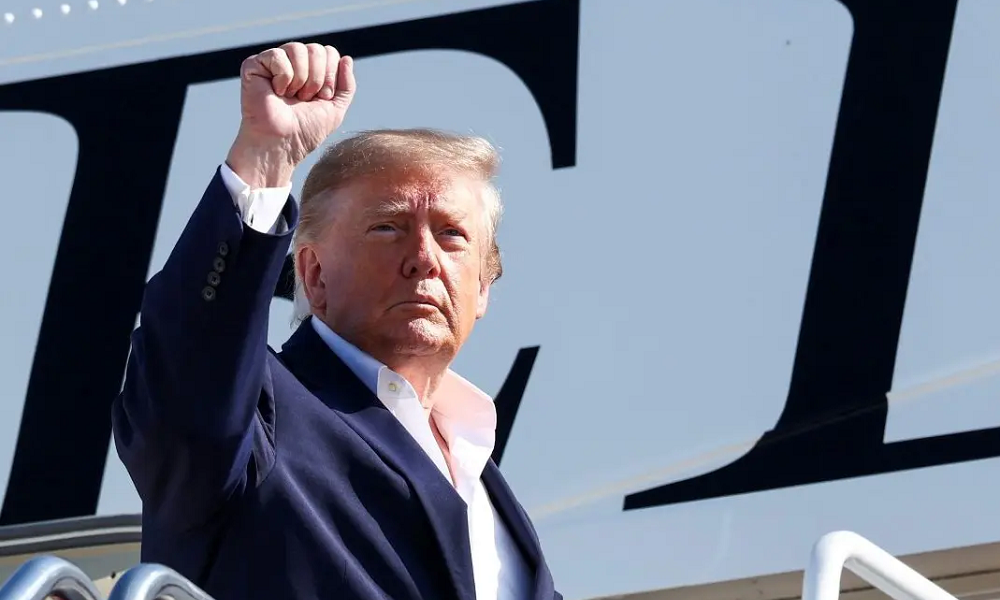
White House declares ‘Trump is still your president’ after Republicans suffer sweeping midterm defeats
-
 Regional4 days ago
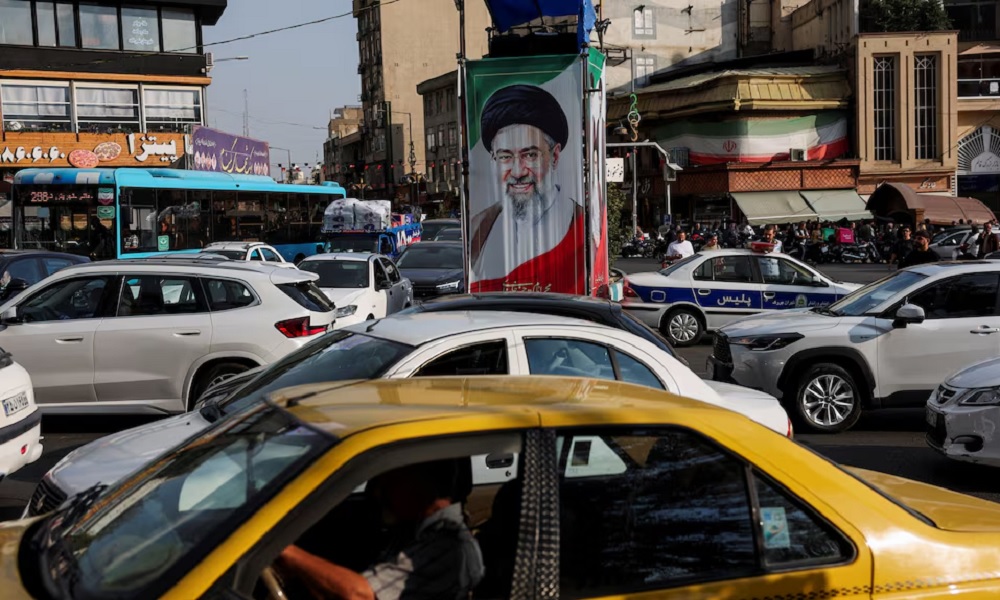
Iran sent nuclear proposal to the US via Qatar, senior Iranian official tells Reuters
-
 Latest News5 days ago
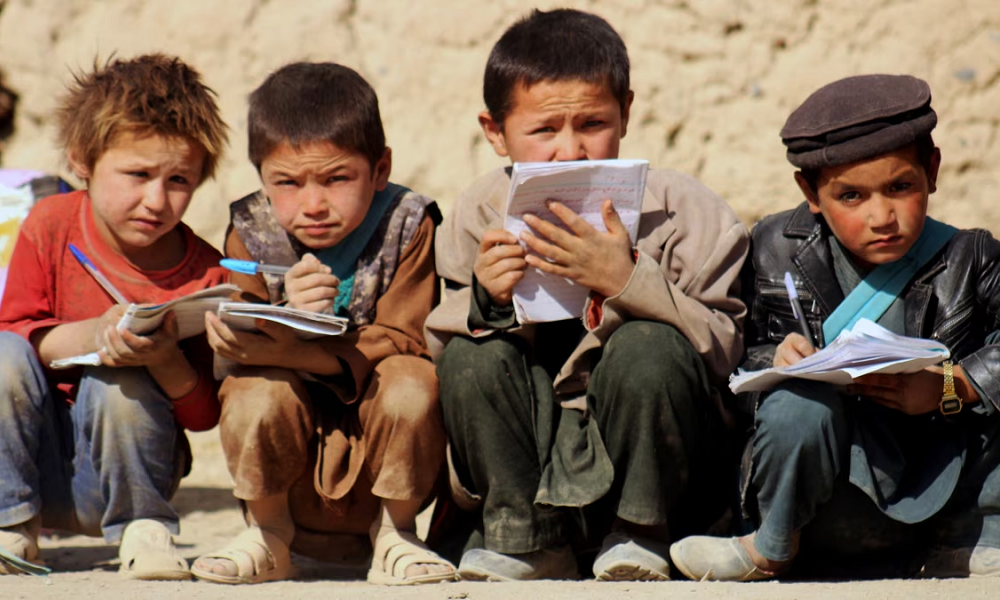
More than half of Afghan primary school-age children out of school: UN report
-
 Tahawol5 days ago
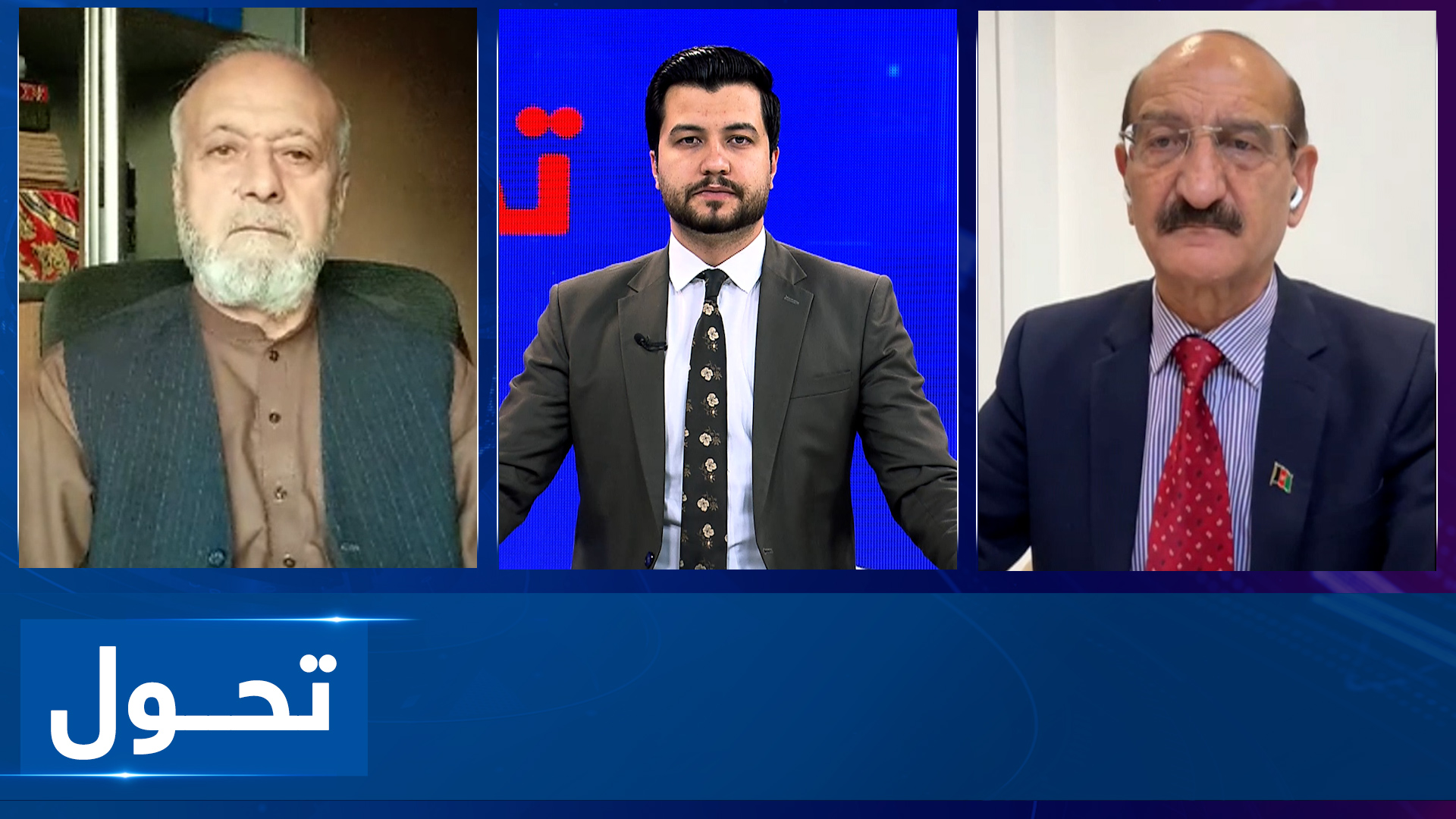
Tahawol: Calls for stronger joint action against terrorism discussed
-
 Sport2 days ago
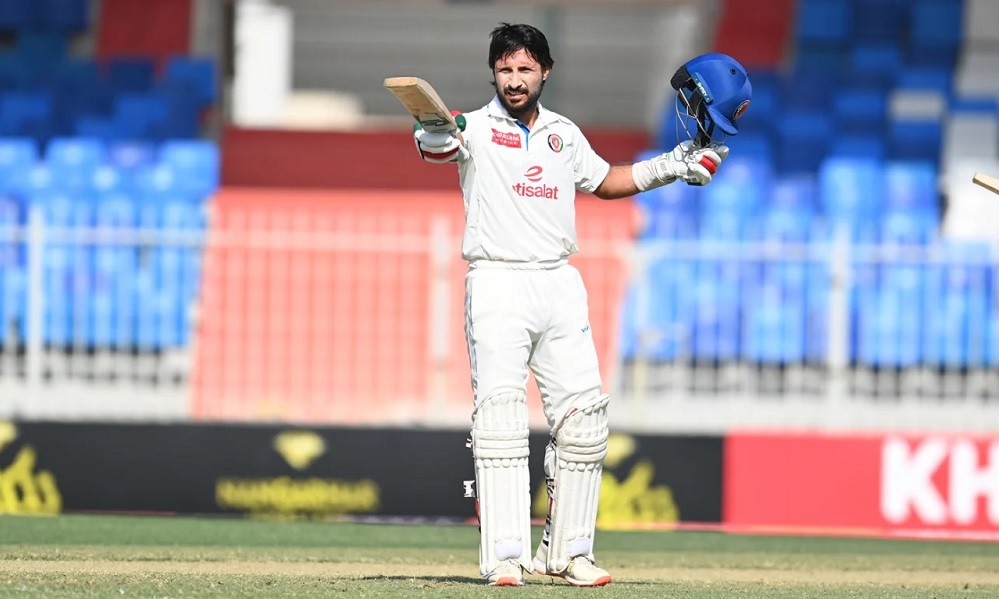
Afghanistan’s record partnership highlights fourth day of Test against Zimbabwe
-
 Sport4 days ago
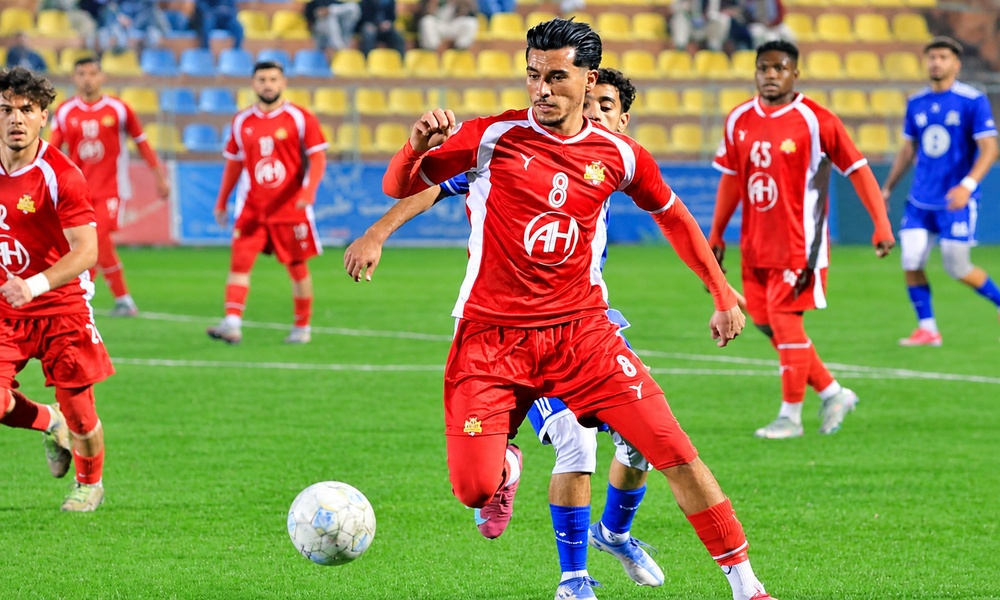
Abu Muslim Farah claim convincing 3-0 win over Omar Zawak in ACL
-
 Sport4 days ago
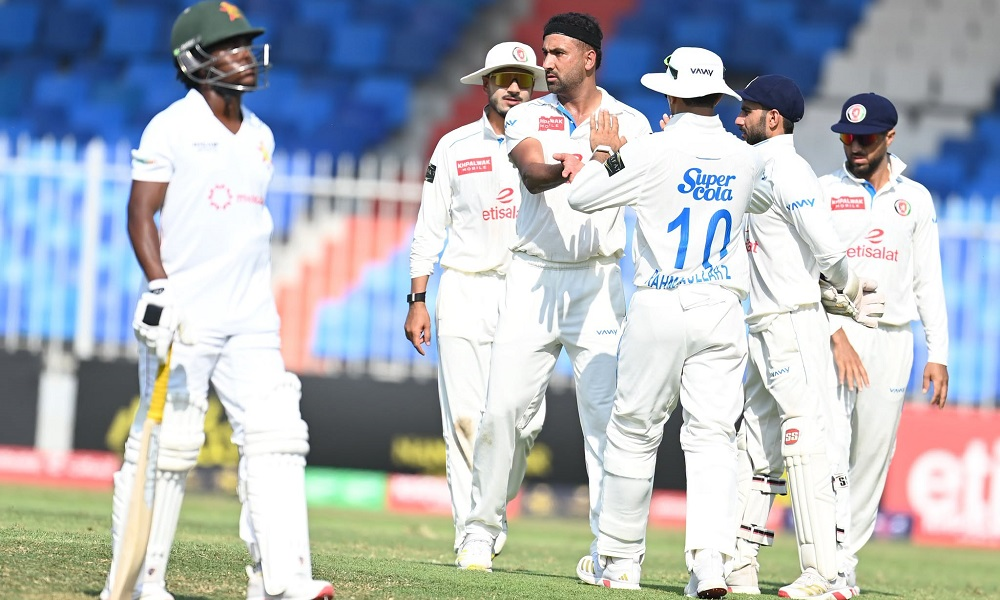
Afghanistan trail Zimbabwe by 391 runs at stumps on day two of first test