
Latest News
Taliban Leader Mullah Baradar Optimistic About Peace

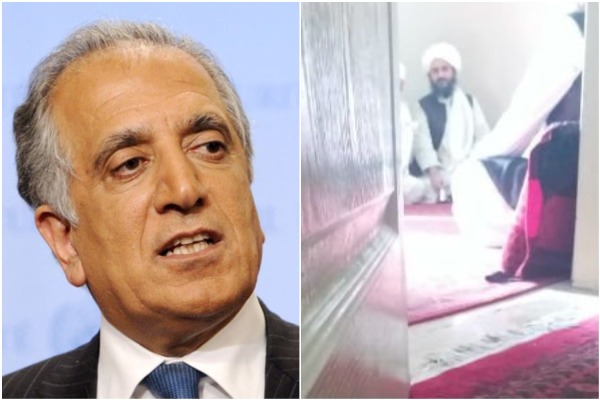

The Taliban political chief, who headed the Islamist militants’ delegation during the most recent round of peace talks with the United States, said on Thursday that he was optimistic and assured Afghans that they had no reason to fear a settlement.
The latest round of talks in Qatar lasted 16 days and finished on Tuesday, with officials from both sides saying that progress had been made, but there was no agreement on when foreign troops might be withdrawn.
“We are very hopeful for the peace talks, because the latest round had some good dialogues which paved the way to more progress regarding peace in the future,” Mullah Abdul Ghani Baradar said in an eight-minute audio tape of an interview conducted by the Taliban and posted online.
Making his first public comments since his release last year from a Pakistan prison, Baradar sought to reassure Afghans who have worried that peace with the Taliban could herald the return of its hardline Islamist values.
“If (Afghans) think of us like brothers I trust in God that all the problems will be solved,” Baradar said, speaking in Pashto.
“I ask all our countrymen to be sure there is no need to worry. Everyone will be treated very well,” he added.
During their time in power from 1996-2001, the Taliban banned music and girls’ education and carried out public executions in Kabul’s football stadium. Fatefully, they also allowed Osama bin Laden’s al Qaeda to establish a base in the country.
The Taliban’s role in Afghanistan after a possible peace settlement has not been defined and the group has refused to meet with the government led by President Ashraf Ghani, regarding it as illegitimate.
At the end of the latest round of talks, U.S. negotiators said progress was made over the eventual withdrawal of foreign troops, and on assurances from the Taliban that they would not allow their homeland to be used again by foreign militant groups to mount terrorist attacks in other countries.
“We assure the neighboring, regional and other countries that the upcoming system will not be against anyone, we are not under the influence of anyone, and have no aim of harm to anyone,” Baradar said.
Baradar also offered a message to Taliban fighters, saying that even though he felt the group had achieved political and military victory, they should remain composed and not become arrogant.
The Taliban controls more territory than at any time since the 2001 U.S.-led invasion that followed al Qaeda’s Sept. 11 attack on the United States.
U.S. special peace envoy Zalmay Khalilzad, who led the U.S. delegation in Qatar, said in a series of tweets on Tuesday that it was “clear all sides want to end the war.” Further talks are expected later this month.
Reuters reported







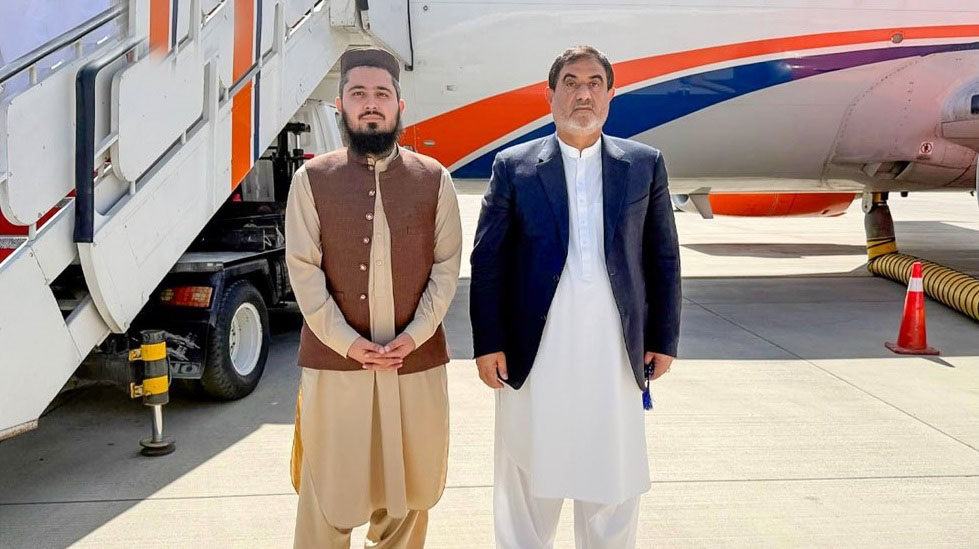
Sayed Karim Hashemi, chairman of the Afghanistan Chamber of Commerce and Investment (ACCI), has begun an official visit to Uzbekistan, India, and Kyrgyzstan as part of efforts aimed at strengthening Afghanistan’s regional economic ties.
ACCI said in a post on Saturday that the visit is focused on enhancing regional economic cooperation, attracting foreign investment into Afghanistan, and creating broader trade opportunities for Afghan businesses and traders.
Latest News
Central Asia–Afghanistan dialogue underscores regional connectivity and stability
Participants stressed that improved infrastructure links and stronger economic partnerships could play a key role in promoting stability and facilitating greater regional integration.
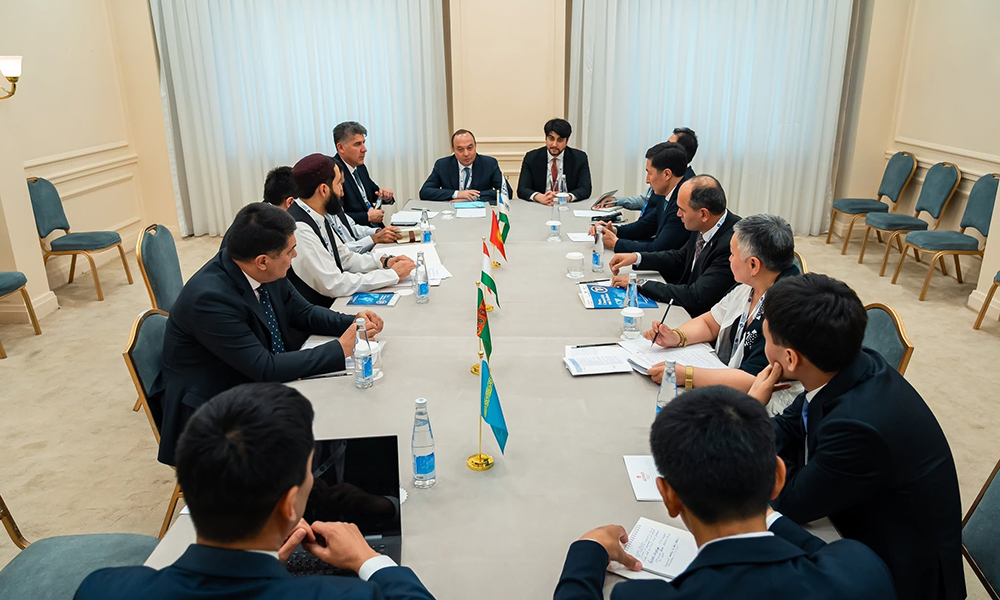
Policymakers, analysts, and regional stakeholders gathered on the sidelines of the Termez Dialogue on Connectivity between Central and South Asia to discuss the future of regional connectivity, economic cooperation, and stability between Central Asia and Afghanistan.
According to the Center for Strategic Studies Afghanistan, participants highlighted Afghanistan’s strategic position as a vital link between Central and South Asia, emphasizing the need for sustained engagement, practical cooperation, and inclusive economic initiatives to strengthen regional ties.
The discussions focused on expanding trade corridors, enhancing transport and energy connectivity, and fostering trust through continued dialogue among regional partners. Representatives from the Center for Strategic Studies, the Ministry of Foreign Affairs, and the Islamic Emirate of Afghanistan shared perspectives on regional priorities and opportunities for deeper cooperation.
Participants stressed that improved infrastructure links and stronger economic partnerships could play a key role in promoting stability and facilitating greater regional integration. They also underscored the importance of maintaining constructive dialogue to address common challenges and advance shared development goals.
The meeting concluded with a renewed commitment to building a stable, connected, and prosperous region. Attendees agreed that closer cooperation between Central Asian countries and Afghanistan is essential for unlocking broader economic opportunities and strengthening regional connectivity.
Latest News
IEA’s supreme leader chairs cabinet meeting in Kandahar, urges stronger religious education and public service
The IEA leader stressed that strengthening the country’s Islamic system depends on expanding religious education and increasing public awareness of Islamic teachings.
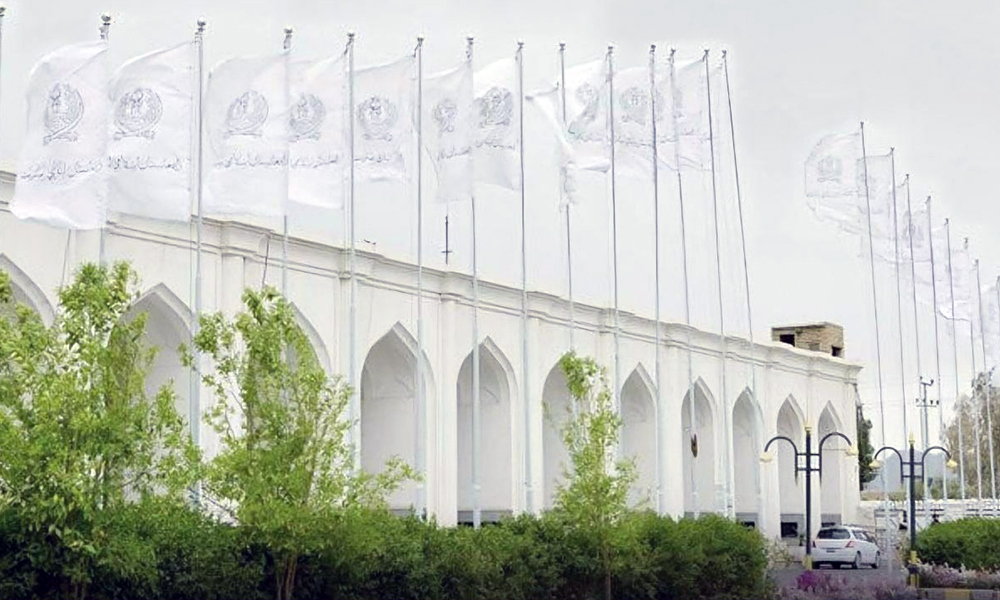
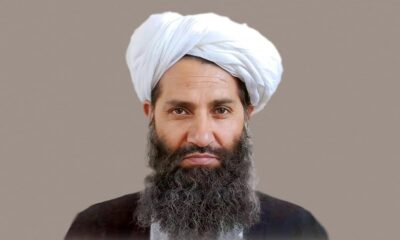
The supreme leader of the Islamic Emirate of Afghanistan (IEA), Hibatullah Akhundzada, chaired a meeting of the Council of Ministers in Kandahar, where he called for greater emphasis on religious education, justice, accountability, and public service, according to Deputy Spokesman Hamdullah Fitrat.
Speaking at the meeting, Akhundzada provided guidance to cabinet members on carrying out their responsibilities, implementing Sharia-based directives, addressing public concerns, and serving citizens with sincerity and commitment, Fitrat said.
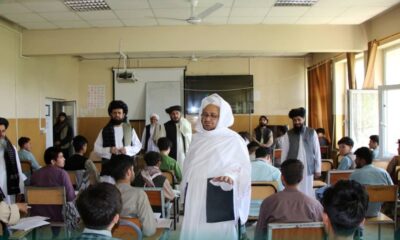
The IEA leader stressed that strengthening the country’s Islamic system depends on expanding religious education and increasing public awareness of Islamic teachings. He urged officials to uphold Islamic values, provide religious guidance, and work to protect society from influences he described as harmful to moral and religious principles.
Akhundzada also underscored the importance of justice, humility, accountability, and ethical conduct among government officials, saying their actions should reflect Islamic teachings and set a positive example for the public.
According to Fitrat, the supreme leader further called for the expansion of Islamic education nationwide, noting that knowledge and strong religious conviction contribute to stability and effective governance.
The Council of Ministers also reviewed the implementation of previous decisions and discussed a range of administrative, economic, social, and political issues. Officials presented progress reports on ongoing programs, while decisions were taken on measures aimed at improving educational services and strengthening the country’s economic and political sectors.


Saar: Possible agreement between Iran and US discussed

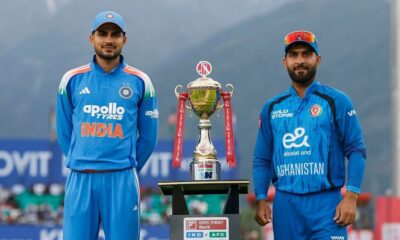
India beat Afghanistan by 7 wickets despite Gurbaz century in ODI opener

ACCI chairman embarks on regional tour to boost trade and investment

Iranian private sector delegation arrives in Kabul to boost trade and investment cooperation

Central Asia–Afghanistan dialogue underscores regional connectivity and stability

Norway’s Viking-inspired World Cup team photo goes viral

Large blast near Beit Shemesh part of pre-planned test: Israeli defense firm

Trump returns from China with stability but little progress

Afghanistan announce squad for India series

Afghanistan, Russia sign military cooperation agreement
Saar: Possible agreement between Iran and US discussed

Tawsia: Increase in Afghanistan’s saffron exports discsused

Tahawol: Middle East crisis and future of Islamic world discussed

Saar: Kabul-Islamabad informal talks in Istanbul discussed

Tahawol: Fresh Pakistani military attacks on Afghanistan discussed
-
 International Sports5 days ago
Norway’s Viking-inspired World Cup team photo goes viral
-

 International Sports4 days ago
One Day to Go: Everything you need to know about FIFA World Cup 2026
-

 International Sports5 days ago
Upsets and historic milestones highlight men’s action at Rome Taekwondo Grand Prix
-
 Latest News4 days ago
Karzai, UK envoy react after protest dispersed in Herat
-
 Latest News5 days ago
Uzbek company keen to establish mineral processing plant in Afghanistan
-
 Latest News4 days ago
Pakistani airstrikes on civilian areas in three Afghan provinces kill 13
-
 Sport2 days ago
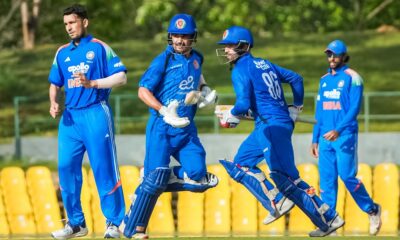
Afghanistan A edge India A by four runs in rain-hit Tri-Nation opener
-

 International Sports3 days ago
Mexico and South Africa set to open historic 2026 World Cup