
Latest News
Tashkent: Central Asian leaders say regional stability hinges on Afghanistan
The two-day meeting comes at a time when Afghanistan’s stability — or lack thereof — continues to shape the wider region’s security landscape, trade connectivity and long-term development prospects.

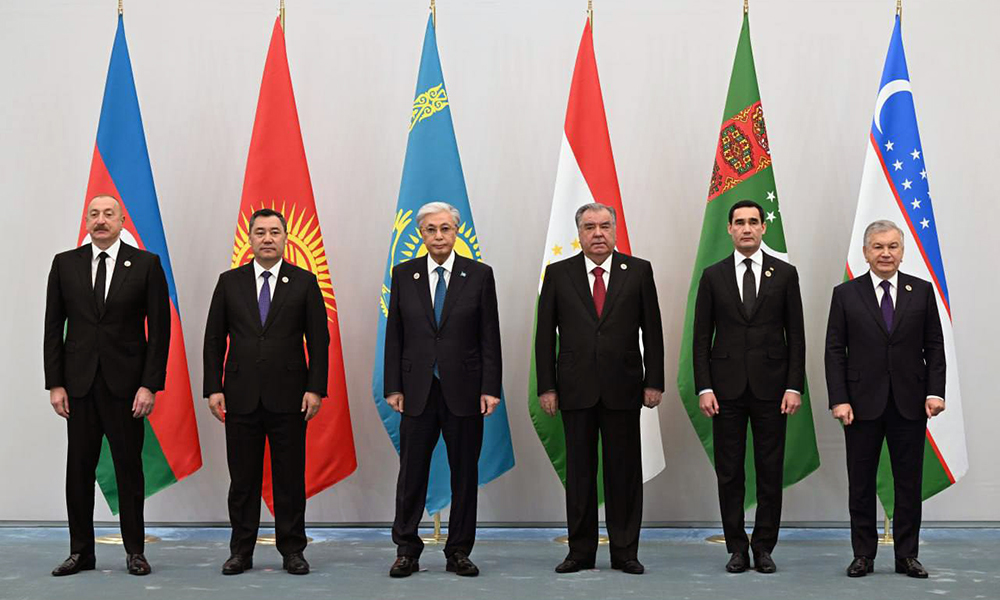
The 7th Consultative Summit of Central Asian Leaders opened Saturday in Tashkent, where heads of six regional countries gathered to assess the evolving situation in Afghanistan and to chart a coordinated path for deeper political, economic and security cooperation.
The two-day meeting comes at a time when Afghanistan’s stability — or lack thereof — continues to shape the wider region’s security landscape, trade connectivity and long-term development prospects.
Uzbekistan’s President Shavkat Mirziyoyev, who initiated the idea of these high-level summits at the UN General Assembly in 2017, reiterated that Central Asia “cannot achieve lasting peace, stability or prosperity without a stable Afghanistan.” Tashkent has long positioned itself as a regional mediator on Afghan issues, hosting multiple rounds of diplomatic talks and pushing for expanded trade corridors that link Afghanistan to Central Asian markets.
Leaders at this year’s summit are expected to discuss a broad agenda: strengthening regional economic partnerships, accelerating joint infrastructure and transport projects, enhancing counter-terrorism and border security cooperation, and examining the impact of global geopolitical shifts on Central Asia. The discussions reflect growing concern that instability in Afghanistan — including economic pressures, migration flows and the presence of extremist groups — directly affects the region’s collective security.
Since Uzbekistan assumed the rotating chairmanship of the consultative process, more than 20 intergovernmental meetings have been held, underscoring a renewed commitment among Kazakhstan, Kyrgyzstan, Tajikistan, Turkmenistan and Uzbekistan to approach shared challenges with unified strategies. Analysts say the summit structure has become an increasingly important platform as Central Asian states seek to balance cooperation with major powers while safeguarding regional autonomy.
The Tashkent summit will continue through Sunday, with leaders expected to issue a joint statement outlining common priorities — many of which are likely to centre on ensuring that Afghanistan is integrated into regional economic plans rather than left isolated, a scenario observers warn would carry security risks for the entire region.

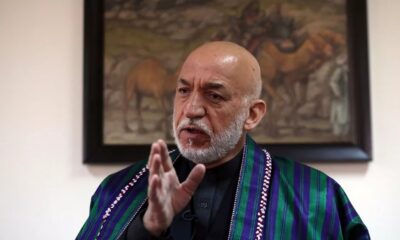
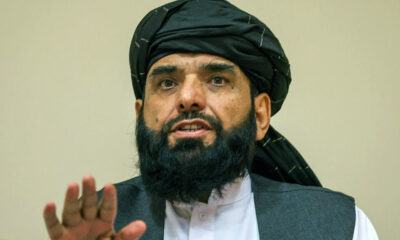
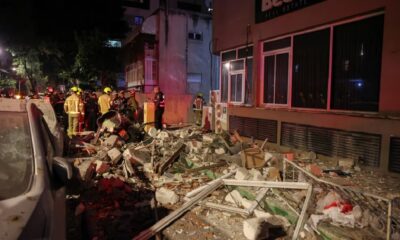

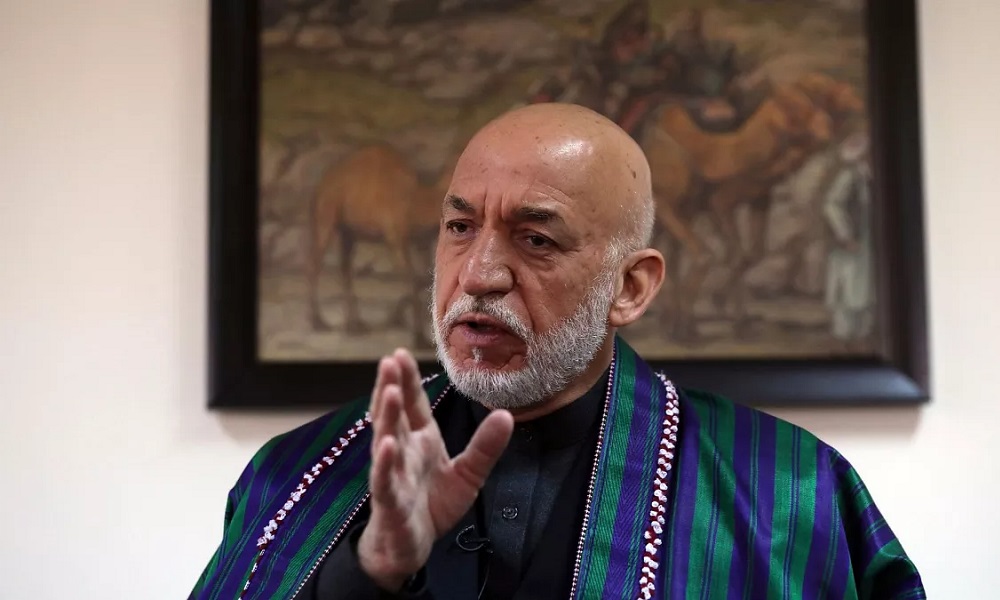
Former Afghan president Hamid Karzai has accused Pakistan of trying to create “anarchy and weakness” in Afghanistan, following a deadly airstrike on Kabul.
In an interview with UK’s Sky News, Karzai said Islamabad’s policies were aimed at keeping Afghanistan unstable and “downtrodden,” warning that such an approach would harm both countries.
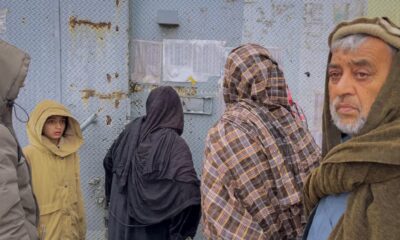
He condemned the recent strike on a drug rehabilitation hospital in Kabul, which Afghan officials say killed around 400 people, describing it as an “extremely unfortunate event” in the history of relations between the two neighbours.
Karzai said he personally heard the explosion, describing a “horrific sound” that shook his home and filled the surrounding area with smoke and dust.
The former leader, who governed Afghanistan from 2002 to 2014, said tensions between the two countries are longstanding, claiming Pakistan has struggled to maintain stable relations with successive Afghan governments.
He urged Pakistani leaders to change course and pursue a more constructive relationship, saying past strategies of interference and destabilisation had failed and would not succeed in the future.
Fighting between the two countries has intensified since late February, when Pakistan launched airstrikes it says targeted militant infrastructure. The United Nations estimates the violence has displaced more than 100,000 people.
Pakistan has denied targeting civilians, insisting its operations were aimed at militant sites and accusing Kabul of spreading “misleading” claims to deflect from alleged cross-Durand Line threats.
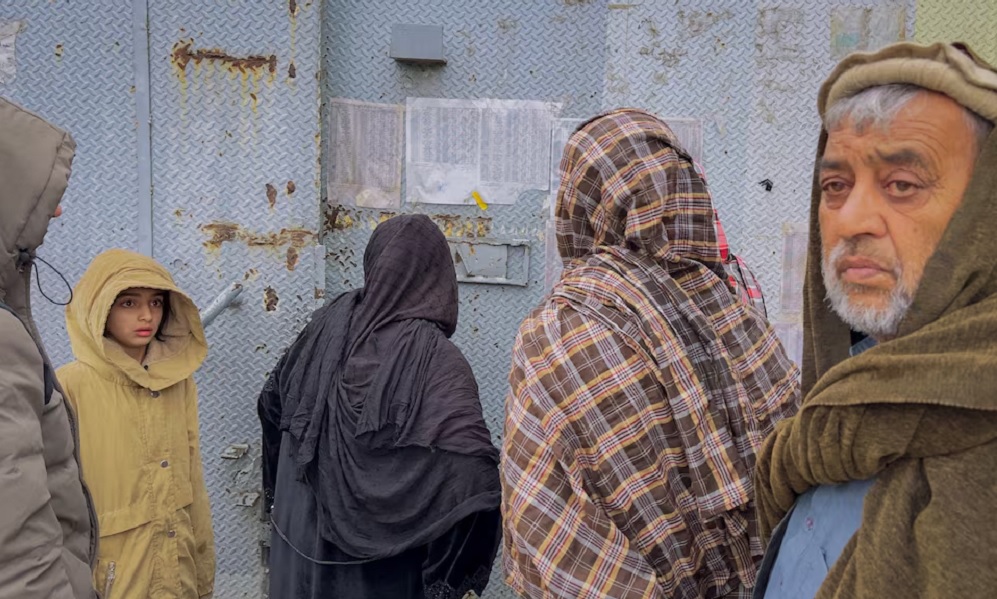
The International Union of Muslim Scholars has strongly condemned the deadly attack on a medical facility in Kabul, calling it a grave violation of Islamic principles and international law.
In a statement issued from Doha, the group said the strike—which killed hundreds and injured many more—was among the most serious sins in Islam, particularly as it took place during the final days of Ramadan, a period when the sanctity of life is especially emphasized.
The Union said targeting a hospital constitutes a clear breach of humanitarian norms that protect medical facilities under all circumstances, and voiced concern over escalating violence between two neighbouring Muslim countries.
It called on Pakistan’s government and military leadership to immediately halt such attacks and meet their religious and humanitarian responsibilities. The scholars also urged the formation of an independent and transparent investigation into the incident and civilian casualties.
The organisation appealed to both sides to cease hostilities and pursue dialogue, backing renewed mediation efforts led by Qatar and Turkey.
Emphasising unity and reconciliation, the Union said resolving disputes peacefully is both a religious obligation and essential for regional stability, adding that it stands ready to support efforts aimed at de-escalation and dialogue.
Latest News
Pakistan’s attack on Kabul hospital a clear violation of humanitarian principles: Muttaqi
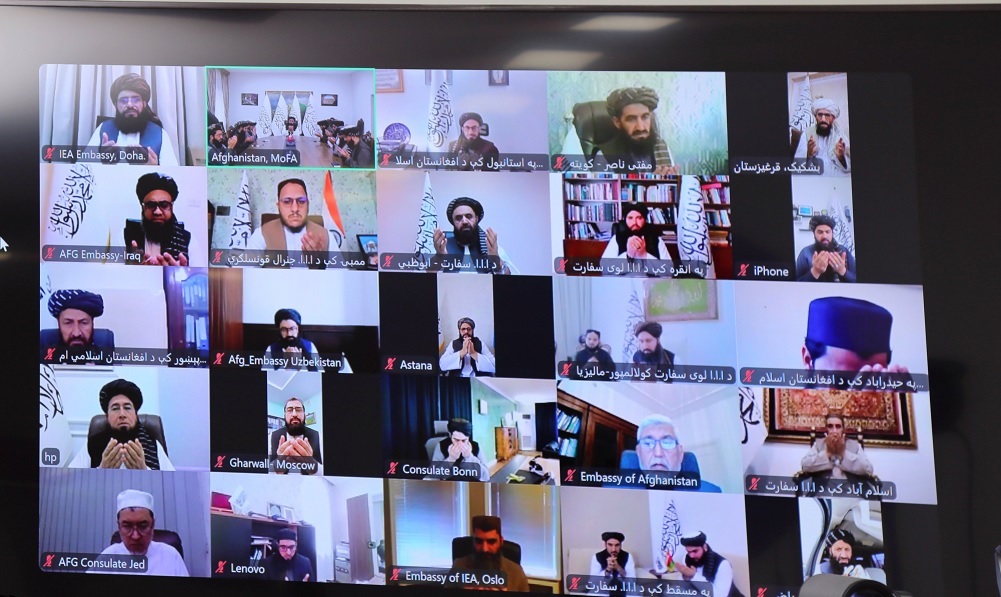
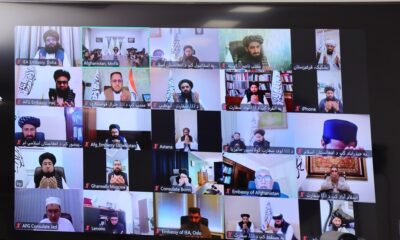
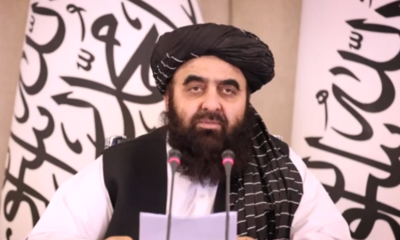
Afghanistan’s Foreign Minister Amir Khan Muttaqi has described Pakistan’s airstrike on a drug rehabilitation hospital in Kabul as a “clear violation of humanitarian principles,” during an online meeting with Afghan embassies and consulates.
The virtual briefing, held in the wake of his address to foreign diplomats in Kabul, focused on recent tensions with Pakistan and the latest developments following the strike.
According to the Foreign Ministry, Muttaqi instructed Afghan diplomats to actively communicate the Islamic Emirate’s position to the international community, while outlining Kabul’s policies and next steps in response to the escalating situation.
He also reviewed what he called repeated violations of Afghanistan’s sovereignty by Pakistan in recent weeks.
The airstrike, which took place on Monday night, hit the 2,000-bed Omid Hospital in Pul-e-Charkhi, killing more than 400 people and injuring at least 265 others, most of them patients undergoing drug rehabilitation treatment.


Karzai accuses Pakistan of seeking to destabilise Afghanistan after Kabul strike

Muslim scholars condemn Kabul hospital attack, urge ceasefire

Pakistan’s attack on Kabul hospital a clear violation of humanitarian principles: Muttaqi

Pakistan opposes normal Afghanistan–India relations: Shaheen

Iran strikes Tel Aviv with cluster warheads in retaliation for killing of security chief

Pakistani military jet downed in Afghanistan’s Jalalabad, pilot captured alive

Afghan Air Force conducts airstrikes in Islamabad, other cities

IEA releases three Pakistani soldiers to mark Ramadan

Afghanistan’s Chief of Armed Forces underscores readiness and equipment for national defense

Afghanistan welcomes investment and technology partnerships with India

Tahawol: Pakistan’s new attacks on Kabul hospital discussed

Saar: Pakistani military’s airstrike on Kabul hospital discussed

Tahawol: China’s efforts for Afghanistan-Pakistan talks

Saar: UNSC’s upcoming vote on UNAMA mandate

Tahawol: Afghan, Chinese FMs’ phone talks discussed
-
 Latest News4 days ago
14 Pakistani soldiers killed after military post falls along Durand line: MoD
-
 Latest News2 days ago
IEA Supreme Leader issues Eid-ul-Fitr message urging unity and support for Islamic system
-
 Latest News3 days ago
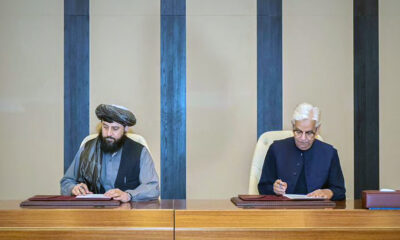
Regional criticism grows amid Pakistan strikes inside Afghanistan
-
 Latest News3 days ago
Afghan airstrike targets a military camp in South Waziristan
-

 Business2 days ago
Turkmenistan, Afghanistan discuss steps to speed up land acquisition for TAPI pipeline
-
 World4 days ago
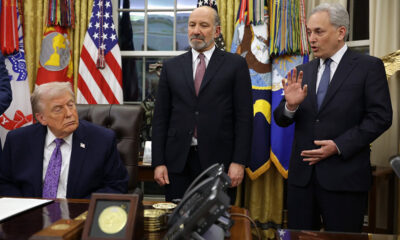
White House AI czar says US should ‘declare victory and get out’ of Iran war
-

 Business3 days ago
Afghanistan expands exports through Lapis Lazuli Corridor
-
 Sport3 days ago
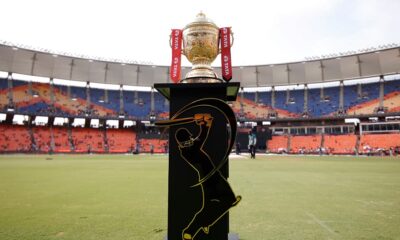
IPL 2026 kicks off in under two weeks; Afghan players set to shine