
Latest News
Third journalist killed in Afghanistan in one month

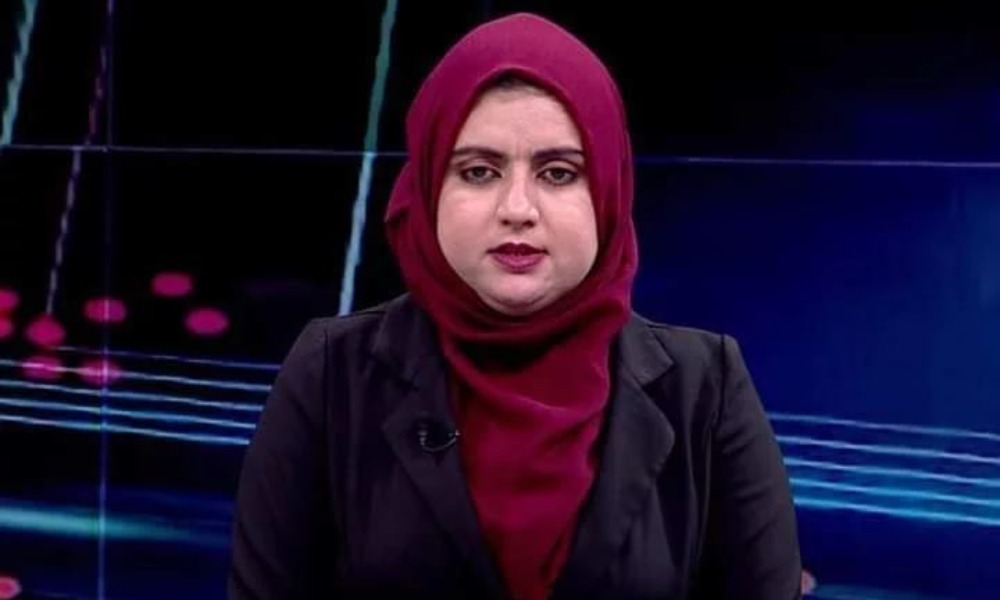
Gunmen opened fire and killed Malalai Maiwand, a radio and television journalist, in Jalalabad city early Thursday morning in what has become yet another suspected targeted attack on media workers.
Maiwand was killed shortly after 7.30am in the Nangarhar provincial capital, along with her driver, while on her way to work. She worked for provincial radio and TV station Enikass.
Reacting to the attack, Ministry of Interior spokesman Tariq Arian said in a tweet that “unfortunately, in the last decade and a half, the vast majority of journalists have been killed by the Taliban.”
Maiwand’s death on Thursday has brought the total number of journalists killed in Afghanistan since 2001 to 52, according to CPJ data.
No group has yet claimed responsibility for her death.
This latest incident comes less than a month after Radio Free Europe/Radio Liberty journalist Elyas Dayee was killed in an IED explosion in Lashkargah city in Helmand province.
The November 12 incident happened after insurgents attached a magnetic IED to Dayee’s car and came less than a week after former TOLOnews TV presenter Yama Siawash was killed in the same type of attack.
“This is part of an alarming pattern of increased threats and attacks on the media by the Taliban,” Patricia Gossman, associate Asia director for Human Rights Watch, said in a tweet after Dayee’s death.
Thursday’s attack comes just three days after NATO allies and partners in Afghanistan issued a joint statement condemning the ongoing targeted attacks and assassinations of individuals, including journalists.
This comes after almost daily killings of people who appear to have been singled out by insurgents to be assassinated.
Of the dozens of people killed in this way in the past few months are judicial officials and media representatives among others.
The signatories to the statement specifically stated that they expect that all parties to the conflict will protect the freedom and the independence of the media and civil society in Afghanistan.
“We reaffirm our commitment to champion the freedom of all the Afghan people. We call for immediate compliance with international humanitarian law and international human rights law.
“To this end, we support the Islamic Republic of Afghanistan in its efforts to investigate and prosecute those who are targeting these individuals with violence and immediately end the impunity of these killings.”


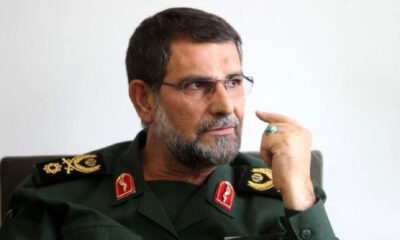


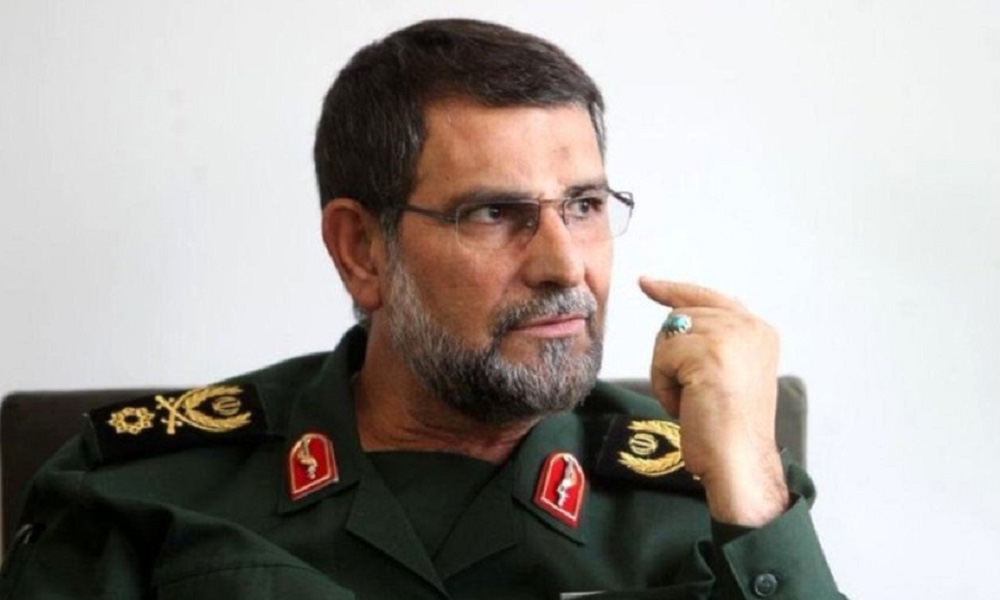
Israel’s defence minister says that an Israeli air strike has killed Alireza Tangsiri, commander of the Iranian Revolutionary Guards’ navy.
The killing was carried out “last night, in a precise and lethal operation” and targeted other “senior officers of the naval command”, said Israel Katz, in a video statement.
“The man who was directly responsible for the terrorist operation of mining and blocking the Strait of Hormuz to shipping was blown up and eliminated,” he claimed.
Since the start of the joint US-Israeli war on Iran on February 28, Israel has announced the assassination of several top Iranian officials, including Supreme Leader Ali Khamenei and the Islamic Republic ‘s powerful security chief, Ali Larijani.
Al Jazeera’s Tohid Asadi, reporting from Tehran, said there was no official Iranian confirmation yet of Tangsiri’s killing.
“But if it’s true it’s going to be another major blow for a country that has already experienced a lot of military commanders being killed” since the war began, he said.
The head of the Basij paramilitary forces, Brigadier General Gholamreza Soleimani, and Intelligence Minister Esmail Khatib were also assassinated in Israeli attacks.
Moreover, in recent days, Israeli forces have carried out several strikes targeting the naval assets of Iran.
Last week, Israeli airstrikes hit several Iranian naval ships in the Caspian Sea, including ones equipped with missile systems, support vessels, and patrol craft.
Latest News
Tajikistan shifts stance on Afghanistan amid rising border tensions
Earlier this month, Tajik lawmakers approved a $57 million deal for China to finance and build nine new border posts, underscoring Beijing’s expanding role in regional security.
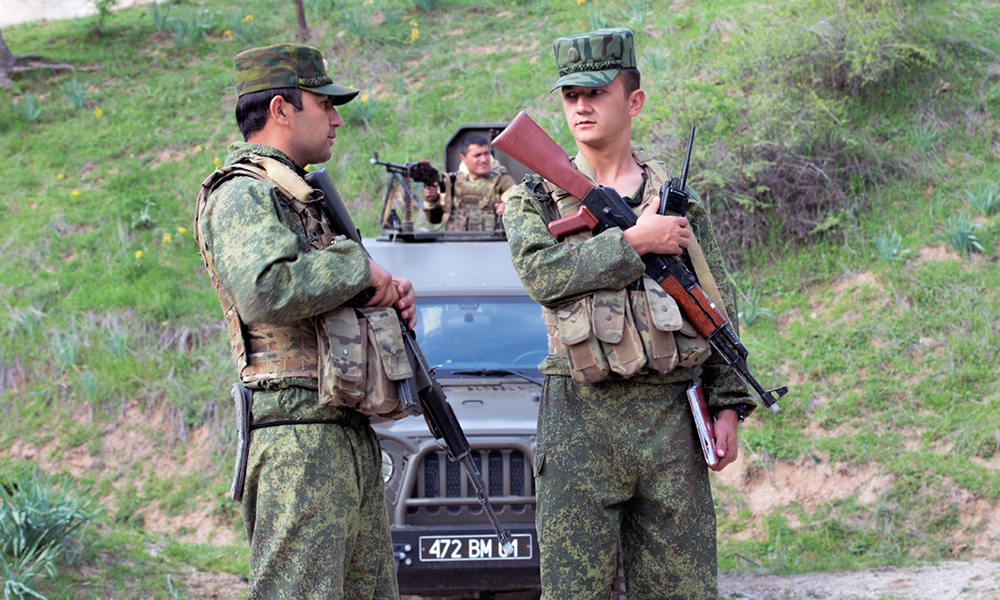
A surge in violence along the Tajikistan–Afghanistan border is prompting Tajikistan to recalibrate its policy toward Afghanistan, combining tighter security measures with cautious diplomatic engagement.
Earlier this month, Tajik lawmakers approved a $57 million deal for China to finance and build nine new border posts, underscoring Beijing’s expanding role in regional security.
The move follows a series of deadly incidents, including attacks that killed five Chinese nationals and clashes with smugglers that left several Afghan civilians and Tajik guards dead.
The violence reflects growing instability along the rugged frontier, much of it tracing the Panj River, with armed incidents rising sharply and drug seizures increasing significantly, according to Tajik authorities.
Alongside bolstering border infrastructure, Dushanbe is stepping up engagement with the Islamic Emirate. Recent months have seen unprecedented high-level contacts, including calls and meetings between Amir Khan Muttaqi and Sirojiddin Muhriddin, as well as talks with Tajik envoy Sadi Sharifi.
Once a staunch critic of the Islamic Emirate, Tajikistan’s President Emomali Rahmon’s government is gradually adopting a more pragmatic approach. Since the reopening of border markets in 2023, trade and security contacts have quietly expanded, with officials now openly acknowledging cooperation on energy and border security.
Analysts say the shift reflects a mix of rising security threats, regional pressure from partners like China and Russia, and the reality that the Islamic Emirate remain firmly in control in Kabul. While China funds infrastructure and Russia continues to support military training, experts describe the arrangement as a “division of labor” rather than a shift in regional influence.
Despite lingering concerns, observers note a clear warming in ties between Dushanbe and Kabul, driven as much by necessity as by strategy.
Latest News
Torkham crossing reopens for returning Afghan migrants
According to reports, the reopening has allowed the flow of Afghan returnees from Pakistan to resume, with many families entering Afghanistan through the crossing.
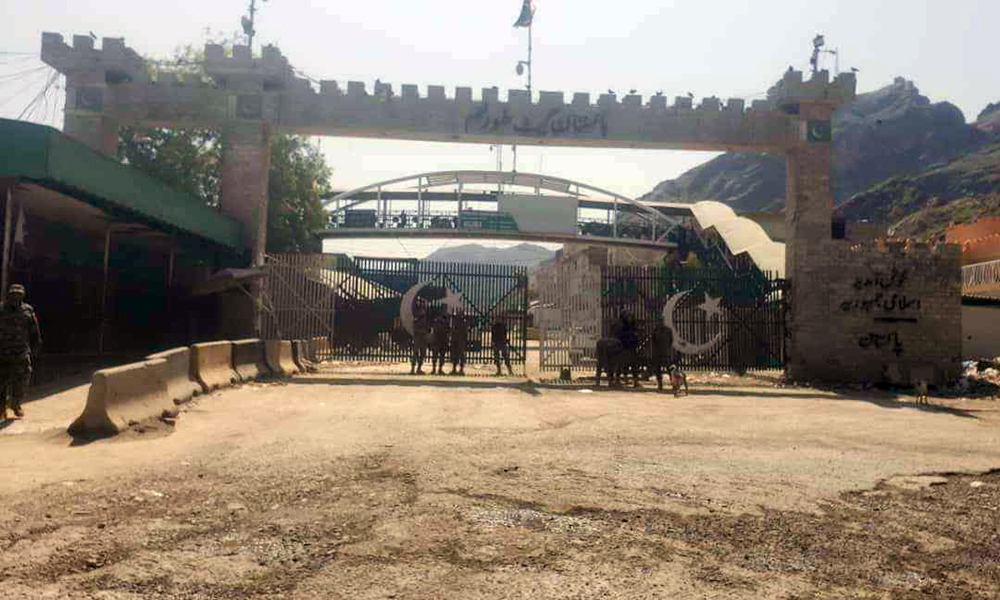
The Torkham border crossing was reopened on Thursday at 2 p.m. for Afghan migrants returning to the country after nearly a month of closure.
According to reports, the reopening has allowed the flow of Afghan returnees from Pakistan to resume, with many families entering Afghanistan through the crossing.
Torkham is considered one of the most important crossing gateways between Afghanistan and Pakistan.
Its closure had created significant challenges for migrants and disrupted crossing movement.


Myanmar trump Afghanistan 2-1 in Asian Cup Qualifier

Iranian naval commander Alireza Tangsiri killed in airstrike, says Israel

Tajikistan shifts stance on Afghanistan amid rising border tensions

Torkham crossing reopens for returning Afghan migrants

Afghanistan to face Myanmar in crucial AFC clash

Pakistani military jet downed in Afghanistan’s Jalalabad, pilot captured alive

Afghan Air Force conducts airstrikes in Islamabad, other cities

Prominent Muslim scholar issues fatwa calling for Afghanistan-Pakistan ceasefire

Afghan air force strikes key Pakistani military installations in retaliatory operation

IEA: Special circle in Pakistan has launched mission to destabilize region

Tahawol: Efforts to release Mohammad Rahim from Guantanamo Bay Detention Camp

Saar: End of ceasefire between Afghanistan-Pakistan reviewed

Tahawol: Escalating threats between Iran-US discussed

Tahawol: Possibility of US ground forces entering Iran war discussed

Saar: Using US prisoners as political pressure
-
 Latest News4 days ago
Deadly violence likely without dialogue between Afghanistan and Pakistan: ICG
-

 Latest News3 days ago
Pakistan seeks Russian mediation to resolve Afghanistan tensions
-

 International Sports4 days ago
FIFA World Cup 2026: Play-Off Tournament takes centre stage
-
 Sport4 days ago
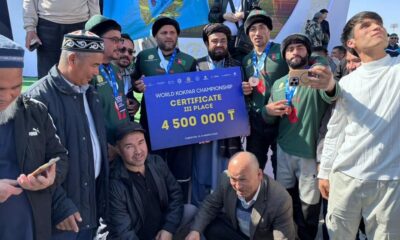
Afghanistan secures third place at 2026 World Kokpar Championship
-
 Business4 days ago
Afghani strengthens nearly 10% against US dollar amid banking sector reforms
-
 Latest News3 days ago
World must re-engage to prevent all-out Afghanistan-Pakistan war: Financial Times
-

 Sport2 days ago
Afghanistan squad hit by withdrawals ahead of AFC Asian Cup Qualifiers
-
 Latest News2 days ago
Around 2.3 million tourists visited Afghanistan’s recreational areas during Eid: Ghufran