
Latest News
Turkey pushing tens of thousands of Afghans back at Iran border: HRW

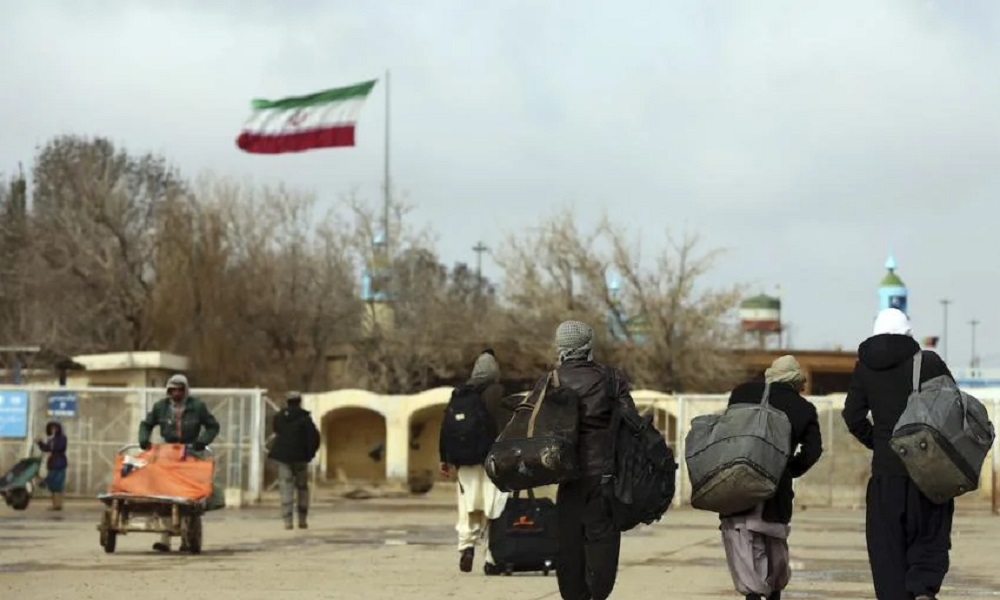
Turkey is routinely pushing tens of thousands of Afghans back at its land border with Iran or deporting them directly to Afghanistan with little or no examination of their claims for international protection, Human Rights Watch said in a report released on Friday.
The 73-page report, “‘No One Asked Me Why I Left Afghanistan,’” says that Turkey has stepped up pushbacks and deportations to Afghanistan since August 2021. Human Rights Watch also found that Afghans inside Turkey are being blocked from registering for international protection and that Afghans facing imminent deportation are often given no opportunity to make refugee claims. As of October 20, 2022, the Presidency of Migration Management in Turkey’s Interior Ministry reported 238,448 “irregular migrants whose entrance to our country has been prevented” in 2022, most of them Afghans. Turkey reported deporting 44,768 Afghans by air to Kabul in the first eight months of 2022, a 150 percent increase over the first eight months of 2021.
“Although Turkey has rightly earned international acclaim and support for hosting the largest number of refugees of any country in the world, it is simultaneously pushing many Afghans back at its borders or deporting them to Afghanistan with little or no examination of their claims for international protection,” said Bill Frelick, refugee and migrant rights director at Human Rights Watch. “Turkey should immediately halt these routine pushbacks of Afghans from its borders and give all Afghans facing removal the opportunity to make refugee claims.”
Turkey hosts the largest number of refugees of any country in the world, an estimated 3.9 million people, 3.6 million Syrians with temporary protection and 320,000 others, mostly Afghans.
Human Rights Watch interviewed 68 Afghans, 38 of whom described 114 pushback incidents between January 2021 and April 2022. All the men and boys traveling without female family members personally experienced or witnessed Turkish authorities beating or otherwise abusing them and others who were with them. Many also said that Turkish border authorities shot in their direction, sometimes at them, as they approached or attempted to cross the border.
Human Rights Watch found that many Afghans facing imminent deportation are given no opportunity to make refugee claims or otherwise challenge their deportation, and their signatures or fingerprints on voluntary return forms are often forced, obtained through deception, or forged.
Because Turkish authorities block access to asylum, forcibly return people who appear to be refugees, and commit other abuses against migrants and people seeking international protection, Turkey does not meet the criteria of a safe third country provided by EU law under Article 38 of the Asylum Procedures Directive, Human Rights Watch said.
“No EU member state should deny access to asylum for Afghans or other nationals under the pretense that Turkey would be a safe third country for them,” Frelick said. “EU’s migration management support to Turkey should be made conditional on demonstrated assurances that such support doesn’t contribute to denying people their right to seek asylum or to returning them to places where their lives or freedom would be threatened.”





At the 95th Standing Committee of UNHCR, the European Union and its Member States called for urgent de-escalation of tensions between Afghanistan and Pakistan, stressing the need for dialogue and respect for international law.
In a statement, the EU urged all sides to avoid further escalation, ensure the protection of civilians, and uphold territorial integrity. It also reiterated that Afghan soil should not be used to threaten or attack other countries, calling on the Islamic Emirate of Afghanistan to take effective action against militant groups operating within or from the country.
The bloc further expressed concern over the broader humanitarian situation in Afghanistan, highlighting restrictions that continue to affect the work of international organizations and humanitarian partners.
A key issue raised was the return of more than four million Afghans from Iran and Pakistan over the past two years, which the EU said has placed additional strain on Afghanistan’s already fragile economy and public services. It voiced particular concern over forced deportations and emphasized the importance of respecting the right to seek asylum and the principle of non-refoulement.
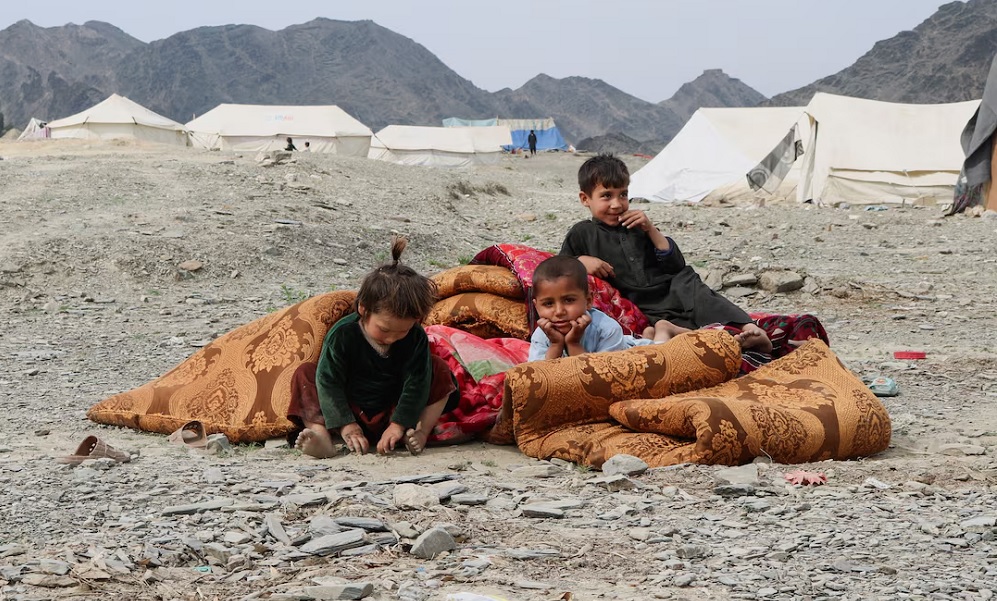
A group of religious scholars from Afghanistan and Pakistan have called on authorities in both countries to extend the pause in hostilities, initially announced for Eid ul-Fitr, until Eid ul-Adha.
The appeal comes after Attaullah Tarar, Pakistan’s Information Minister, announced a temporary ceasefire from March 18–19 midnight until March 23–24 midnight.
In a joint statement signed by 11 Pakistani clerics and as many Afghan clerics, the scholars emphasized that their initiative aims to promote a sustainable and dignified resolution to tensions between Islamabad and Kabul, Dawn newspaper reported.
The clerics urged both Pakistani authorities and the Afghan side to extend the ceasefire to allow pilgrims to perform Hajj in a peaceful environment. They added that this “peace movement” goes beyond the ceasefire appeal and includes broader diplomatic and social efforts to resolve longstanding issues between the two countries.
The scholars expressed hope that their efforts would lead to a mutually acceptable solution and help lay the foundation for lasting stability and regional harmony.
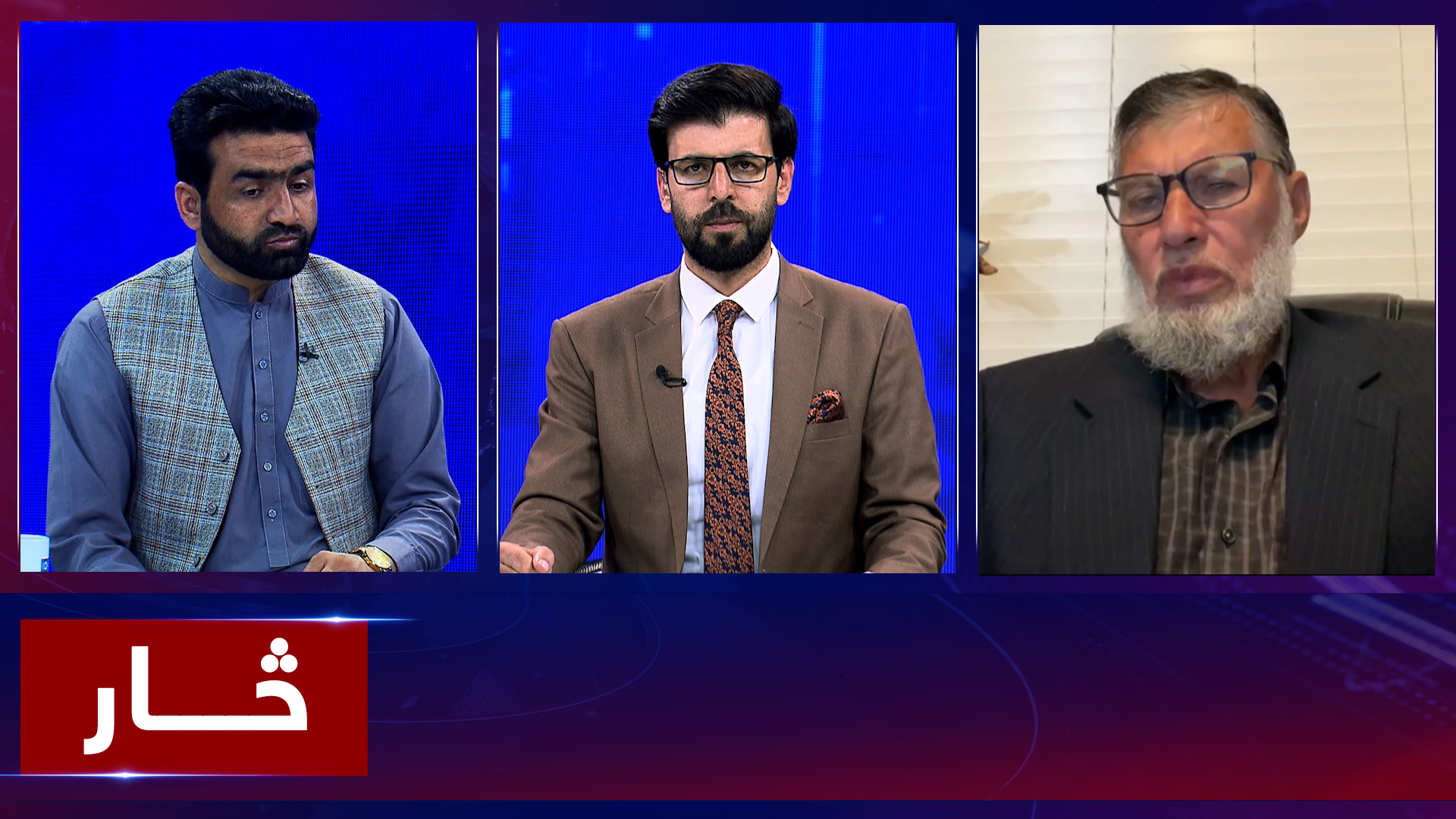


EU urges de-escalation between Afghanistan and Pakistan, raises rights concerns

IPL 2026: RCB sold for $1.78 billion in landmark deal

‘Made in Afghanistan’ expo opens in Tashkent

Afghan, Pakistani clerics urge extension of ceasefire until Eid ul-Adha

Israel strikes Tehran as Trump says US negotiating to end war

Pakistani military jet downed in Afghanistan’s Jalalabad, pilot captured alive

Afghan Air Force conducts airstrikes in Islamabad, other cities

Prominent Muslim scholar issues fatwa calling for Afghanistan-Pakistan ceasefire

Afghan air force strikes key Pakistani military installations in retaliatory operation

IEA: Special circle in Pakistan has launched mission to destabilize region

Tahawol: Escalating threats between Iran-US discussed

Tahawol: Possibility of US ground forces entering Iran war discussed

Saar: Using US prisoners as political pressure

Tahawol: Pakistan’s efforts to destabilise Afghanistan

Saar: Decline in international assistance to Afghanistan
-
 Sport5 days ago
Afghanistan national buzkashi falls short in Kokpar World Championship semifinals
-
 Latest News3 days ago
Deadly violence likely without dialogue between Afghanistan and Pakistan: ICG
-

 Sport4 days ago
Ireland to host Afghanistan for ODI series in August
-
 Latest News4 days ago
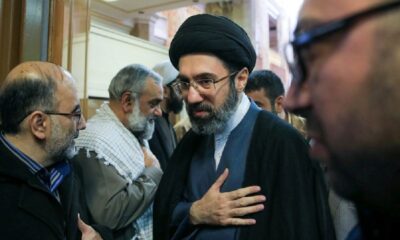
Mojtaba Khamenei calls for improved Afghanistan–Pakistan relations, offers help
-
 Latest News4 days ago
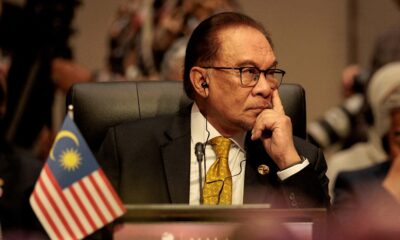
Malaysian PM welcomes temporary Afghanistan–Pakistan truce, urges lasting peace
-

 Latest News2 days ago
Pakistan seeks Russian mediation to resolve Afghanistan tensions
-

 International Sports3 days ago
FIFA World Cup 2026: Play-Off Tournament takes centre stage
-
 Sport3 days ago
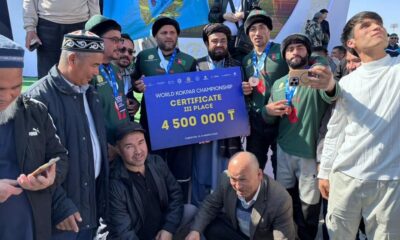
Afghanistan secures third place at 2026 World Kokpar Championship