
Latest News
Turkmenistan highlights TAPI pipeline as key driver of regional integration
“TAPI is not just an energy route, but a corridor of peace and cooperation, creating a sustainable foundation for economic growth and good neighborliness,” he said.

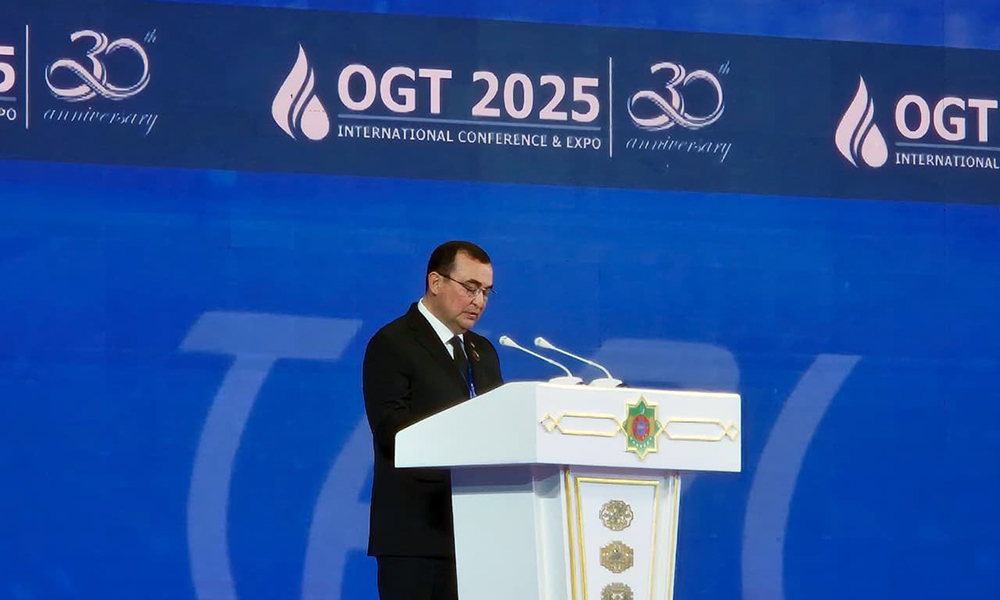
Turkmenistan has reaffirmed its commitment to the Turkmenistan–Afghanistan–Pakistan–India (TAPI) gas pipeline, calling it a cornerstone of regional economic cooperation and a model for energy-driven connectivity across Asia.
Speaking at the Oil and Gas of Turkmenistan – 2025 international conference in Ashgabat, State Minister and Chairman of the State Concern Turkmengas, Maksat Babayev, said the country continues to pursue a long-term strategy of diversifying export routes, with TAPI serving as its flagship initiative.
Babayev described the pipeline as a “symbol of integration and shared prosperity,” designed to transport up to 33 billion cubic meters (bcm) of natural gas annually from Turkmenistan’s massive Galkynysh field to energy-hungry markets in Afghanistan, Pakistan, and India.
“TAPI is not just an energy route, but a corridor of peace and cooperation, creating a sustainable foundation for economic growth and good neighborliness,” he said.
According to Babayev, Turkmenistan has already completed its section of the pipeline, and construction has begun on the Serhetabat–Herat segment inside Afghanistan. Work is progressing in coordination with the Islamic Emirate of Afghanistan (IEA), which has pledged security guarantees for the project.
He added that the fourth phase of the Galkynysh field—one of the world’s largest natural gas reserves—will commence early next year, providing new export volumes for TAPI and other international routes.
A regional project with global significance
First proposed in the 1990s, the TAPI project has gained renewed momentum in recent years as regional governments seek to enhance economic ties and energy security. The 1,800-kilometre pipeline will begin in Mary, Turkmenistan, cross Afghanistan’s Herat, Farah, Helmand, and Kandahar provinces, continue through Quetta and Multan in Pakistan, and terminate in Fazilka, India, near the border with Pakistan.
Once operational, the project will enable Turkmenistan to diversify its gas exports beyond China — currently its primary buyer — while providing Afghanistan with transit fees, energy supplies, and new economic opportunities. For Pakistan and India, TAPI offers a much-needed boost to energy access amid growing domestic demand.
The project is being developed by TAPI Pipeline Company Limited (TPCL), a consortium led by Turkmengas with participation from the state-owned companies of Afghanistan, Pakistan, and India.
Despite facing delays due to security and financing challenges, the TAPI pipeline remains one of the most ambitious infrastructure projects in the region — one that Turkmenistan views as central to its broader vision of transforming the country into a hub for energy cooperation between Central and South Asia.
“Through TAPI, we are not only exporting gas, but also building trust, partnership, and lasting peace in our shared region,” Babayev concluded.




Latest News
Afghanistan committed to continued cooperation with UN on humanitarian and development projects: FM Muttaqi
According to the ministry, during the meeting Lemarquis shared his views on improving the delivery and management of humanitarian assistance in Afghanistan.
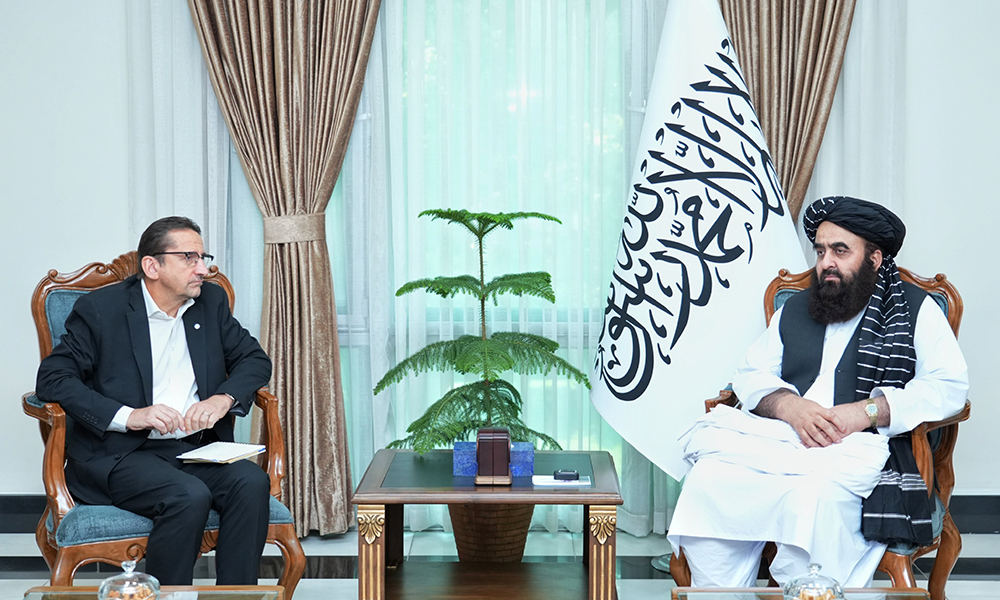
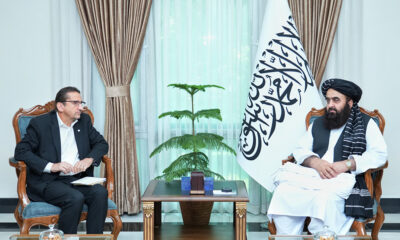
The Ministry of Foreign Affairs of Afghanistan says Foreign Minister Amir Khan Muttaqi has met with Bruno Lemarquis, Deputy Special Representative of UNAMA and Humanitarian Coordinator, for an introductory meeting.
According to the ministry, during the meeting Lemarquis shared his views on improving the delivery and management of humanitarian assistance in Afghanistan.
The Afghan Foreign Minister emphasized the importance of continuing humanitarian aid while also stressing the need to implement development and infrastructure projects across the country. He reiterated that the Islamic Emirate will continue its necessary cooperation with the United Nations in this regard.
Lemarquis thanked the Foreign Minister for the meeting and pledged to make full efforts in carrying out his responsibilities. He also highlighted the importance of expanding engagement and cooperation in various sectors between the two sides.
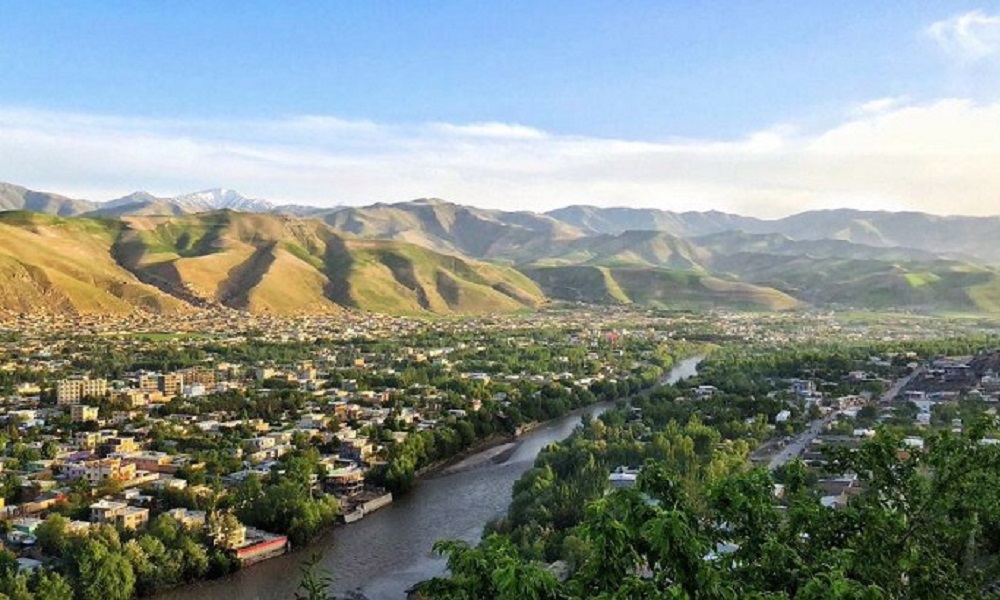
A 6.1-magnitude earthquake struck Afghanistan on Saturday afternoon, according to the United States Geological Survey (USGS).
The quake’s epicenter was reported in Jurm district of Badakhshan province, with a depth of 208.3 kilometers.
So far, there have been no immediate reports of casualties or damage following the tremor.
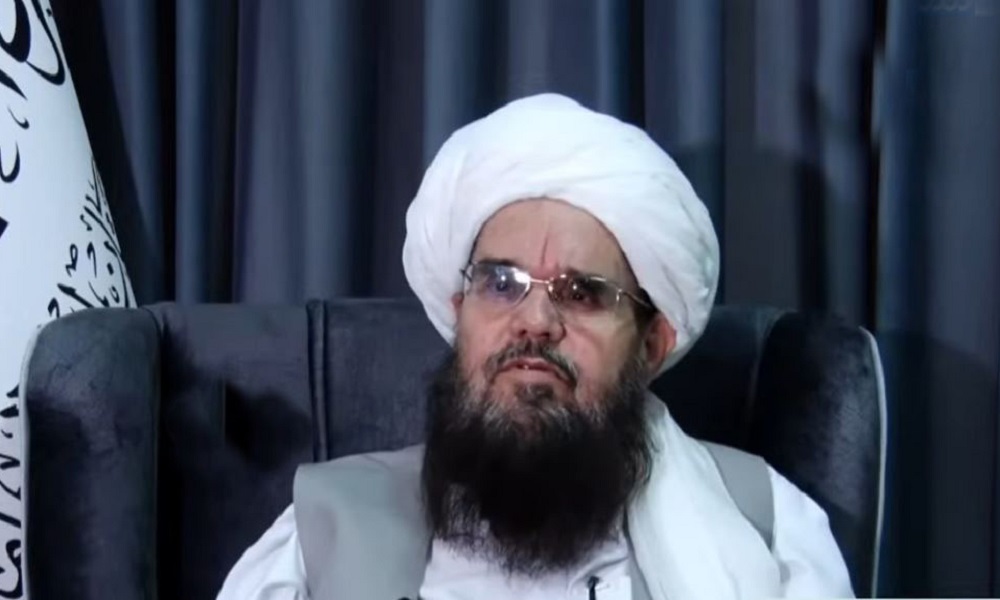
Shahabuddin Delawar, Head of the Commission for Contact with Afghan Personalities, says Afghanistan has achieved security, unified governance, brotherhood, and progress for the first time in 47 years under the administration of the Islamic Emirate of Afghanistan (IEA).
Speaking at a meeting in Kabul on Saturday, Delawar said Afghanistan had lacked a unified system over the past four decades, but added that with the return of the Islamic Emirate, the issue has now been resolved.
Referring to Ashura commemorations held on Friday, he said the occasion was observed peacefully across the country under full security.
Delawar also urged exiled Afghan politicians to return, saying the commission was established to serve Afghans and address the concerns of returning figures. He added that any legal disputes involving returnees would be handled exclusively through the commission.
He further said the Islamic Emirate has expanded treatment centers and intensified anti-narcotics efforts since regaining power, claiming this has led to a significant decline in drug addiction.
Addressing the issue of international legitimacy, Delawar said he understood why the United States has not recognized the Islamic Emirate, arguing that Washington suffered a defeat in Afghanistan that it cannot easily overlook.
“They have suffered a major defeat that they cannot forget; if they recognize us, they will face questions from their own people,” Delawar said.


Afghanistan committed to continued cooperation with UN on humanitarian and development projects: FM Muttaqi

Messi scores again as Argentina finish Group Stage perfectly ahead of World Cup knockouts

Iran, US continue escalating attacks, recriminations over peace deal

Afghanistan, Uzbekistan set for friendly cricket clash in Khost

Saar: Concerns over Afghan deportations from Europe discussed

Norway’s Viking-inspired World Cup team photo goes viral

TAPI project advances in Afghanistan as 84kms of pipeline laid

Afghanistan’s trade with Central Asia records sharp growth

Afghanistan to play in Diamond Jubilee Tournament opener against Maldives

Gaikwad set to replace injured Kohli for Afghanistan ODI Series
Saar: Concerns over Afghan deportations from Europe discussed

Exclusive interview with Polleak Ok Serei, UNODC Representative for Afghanistan

Tahawol: Germany’s defense of engagement with IEA discussed

Saar: Rejection of security threats from Afghan soil discussed

Tahawol: Efforts to eliminate drugs across Afghanistan discussed
-

 International Sports4 days ago
Knockout picture begins to take shape at FIFA World Cup 2026
-
 Latest News2 days ago
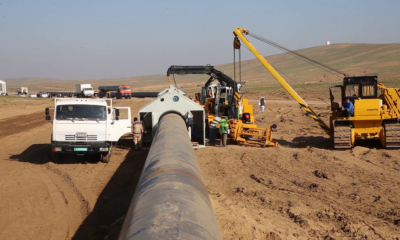
TAPI project sees rapid progress in Afghanistan
-
 Latest News5 days ago
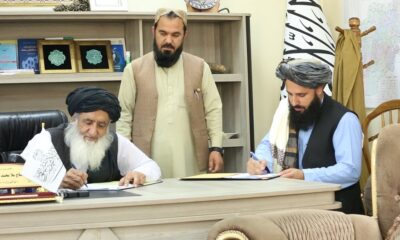
Contract signed for reconstruction of 15km section of Salang Highway
-
 Latest News4 days ago
Afghanistan’s SCO participation blocked over one member’s objection, Kabulov says
-

 International Sports1 day ago
FIFA World Cup: Iran held by Egypt after controversial late goal Is disallowed
-
 Latest News4 days ago
EU allocates 20 million euros to support returnees in Afghanistan
-

 International Sports3 days ago
FIFA World Cup: Messi turns 39, shows no signs of stopping
-
 Regional4 days ago
Iran’s Pezeshkian says without missiles his country would be ‘just like Gaza’