
Latest News
UN Security Council to review rising Afghanistan–Pakistan tensions
IEA officials last week accused Pakistan of carrying out new strikes in Khost, Kunar and Paktika, claiming women and children were among the casualties. Pakistan’s military denied responsibility.

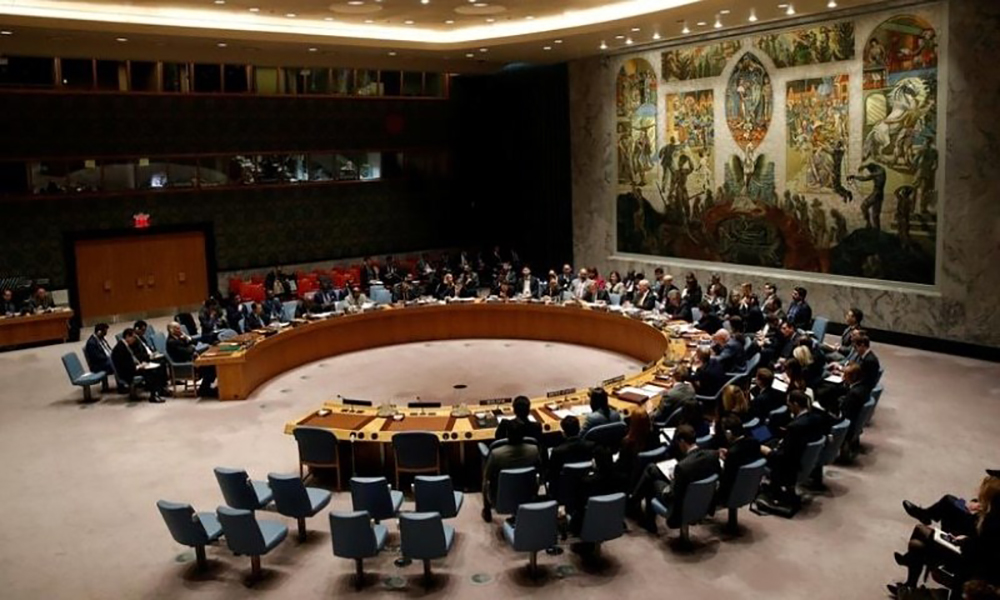
The UN Security Council is expected to discuss escalating tensions between Afghanistan and Pakistan this month, as cross Durand Line clashes, airstrikes and militant attacks fuel growing fears of wider regional instability.
Diplomats say the situation will be raised during the Council’s quarterly briefing on Afghanistan, where senior UN officials from the UN Assistance Mission in Afghanistan (UNAMA) and the UN Office for the Coordination of Humanitarian Affairs (OCHA) are set to present updates on security, humanitarian needs and political developments.
Friction between Islamabad and the Islamic Emirate of Afghanistan (IEA) has been building since the Tehreek-e-Taliban Pakistan (TTP) ended its ceasefire with Pakistan in late 2022.
The standoff escalated sharply in October when Afghan authorities accused Pakistan of launching strikes in Kabul and Paktika. Pakistan denies conducting the attacks but maintains that Afghan soil is being used for operations by the TTP—an allegation the IEA rejects.
A UN monitoring report released in July said the TTP continues to receive “substantial logistical and operational support” from inside Afghanistan.
In the days following the October accusations, fierce clashes erupted at multiple points along the Durand Line. Pakistan reportedly carried out airstrikes in Kabul and Kandahar provinces on 15 October, while skirmishes and retaliatory fire left both civilians and security personnel dead or injured.
UNAMA confirmed that at least 17 civilians were killed and more than 340 wounded in Spin Boldak, with additional casualties documented across Paktika, Kunar, Paktia and Helmand.
Ceasefire Holds, but Talks Stall
The two sides agreed to a 48-hour ceasefire on 15 October, later extended and formalised in Doha with mediation from Qatar and Türkiye. While largely holding, the truce has been punctuated by sporadic incidents, including a Pakistani airstrike in Paktika on 17 October and renewed exchanges of fire near Spin Boldak on 6 November.
IEA officials last week accused Pakistan of carrying out new strikes in Khost, Kunar and Paktika, claiming women and children were among the casualties. Pakistan’s military denied responsibility.
Negotiations in Doha have meanwhile stalled, with Pakistan pressing Kabul to take decisive action against the TTP. Pakistani Defence Minister Khawaja Muhammad Asif warned in late October of the possibility of “open war” if no agreement is reached.
Tensions have been further aggravated by militant attacks inside Pakistan. Two suicide bombings on 11 and 12 November killed 15 people, including one outside a courthouse in Islamabad. Pakistan has blamed Afghan nationals and again accused the IEA of enabling militants. Afghan authorities dismiss the allegations.
Humanitarian crisis deepens
The widening security rift comes as Afghanistan faces one of the world’s most severe humanitarian crises. OCHA estimates that 22.9 million people—over half the population—required assistance in 2025.
This year’s mass return of nearly two million Afghans from Iran and Pakistan has placed immense pressure on crossing facilities and aid networks. A series of deadly earthquakes since August has also compounded the suffering.
Council weighs response
With the ceasefire fragile and talks at an impasse, UN Security Council members are expected to consider their options. Diplomats say one proposal under discussion is a resolution urging both sides to avoid further escalation, recommit to dialogue, and respect counter-terrorism obligations—including halting any support to the TTP.
UNAMA’s mandate runs until 17 March 2026, and officials are expected to brief the Council on the security situation, humanitarian constraints, and ongoing political engagement efforts, including the Doha process.
As the areas along the disputed Durand Line remain volatile, analysts warn that even a limited miscalculation could quickly widen the conflict—heightening risks for civilians and complicating UN efforts to stabilise the region.



Latest News
Hana raises concerns over Afghan women and children amid Iran’s expulsion policy
It said the risks are particularly serious for children born in Iran or those who have spent much of their lives there.
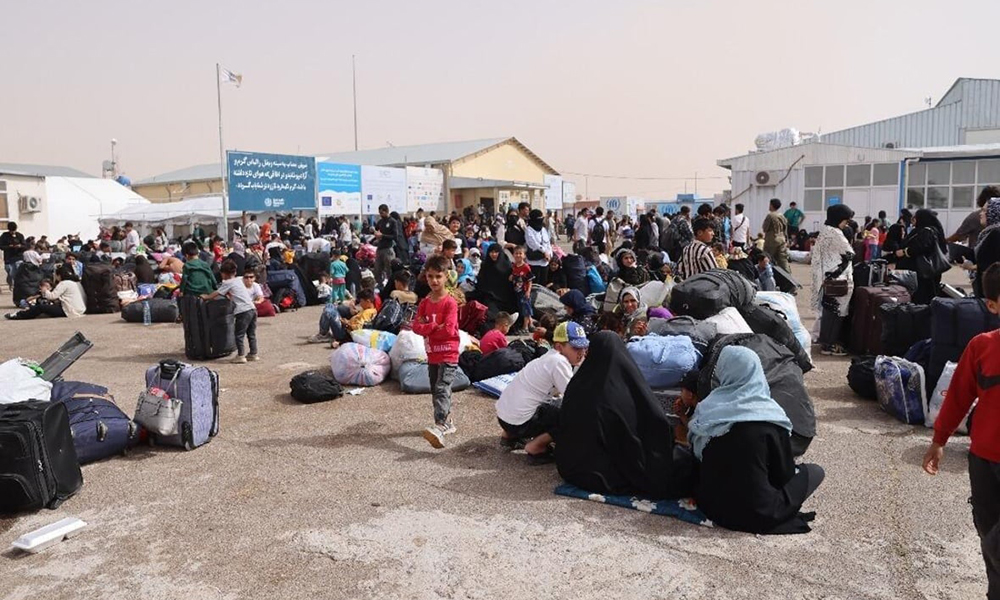
The Hana Human Rights Organization has raised serious concerns over the situation of Afghan women and children in Iran, saying the country’s plan to regulate and expel undocumented Afghan nationals remains in effect.
According to Hana, Iran’s Ministry of Interior has confirmed that the “Plan for the Regulation and Expulsion of Unauthorized Afghan Nationals” has not been suspended.
The organization said the policy is continuing amid the consequences of armed conflict and an increasingly securitized environment in Iran, which it said has heightened the vulnerability of Afghan migrants and asylum seekers.
Hana said it has previously documented cases involving the arrest and mistreatment of Afghan nationals, deportations, family separation and difficulties obtaining civil documentation and accessing essential services.
The organization warned that continued implementation of the expulsion policy could worsen these problems.
Hana expressed particular concern for Afghan children under 18, stressing that children’s rights are independent of their parents’ migration status.
It said irregular residence should not, by itself, justify a child’s detention, separation from family or removal without an individualized assessment. Any decision affecting a child, it added, should prioritize the child’s best interests, preserve family unity and provide additional safeguards for unaccompanied and separated children.
The organization warned that large-scale expulsions without clear procedures to identify and protect children at risk could result in family separation, disruption to education, lack of legal protection, difficulties establishing legal identity, exploitation and return to unsafe conditions.
It said the risks are particularly serious for children born in Iran or those who have spent much of their lives there.
Hana also highlighted gender-specific risks facing Afghan women and girls. It warned that deportation to Afghanistan without assessing risks linked to gender, previous political or social activities, family circumstances and access to support networks could expose them to serious human rights violations.
The organization said being classified as an “unauthorized foreign national” should not replace an individual assessment of a person’s protection needs and the risks they may face upon return.
Hana stressed that while states have the authority to regulate the entry and residence of foreign nationals, migration enforcement must comply with international human rights principles, including non-refoulement, the prohibition of collective expulsion, access to individualized procedures and respect for family unity.
It called for heightened protection for women and children, warning that continuing the expulsion plan without effective legal and protection safeguards could lead to further human rights violations against Afghan migrants and asylum seekers in Iran.
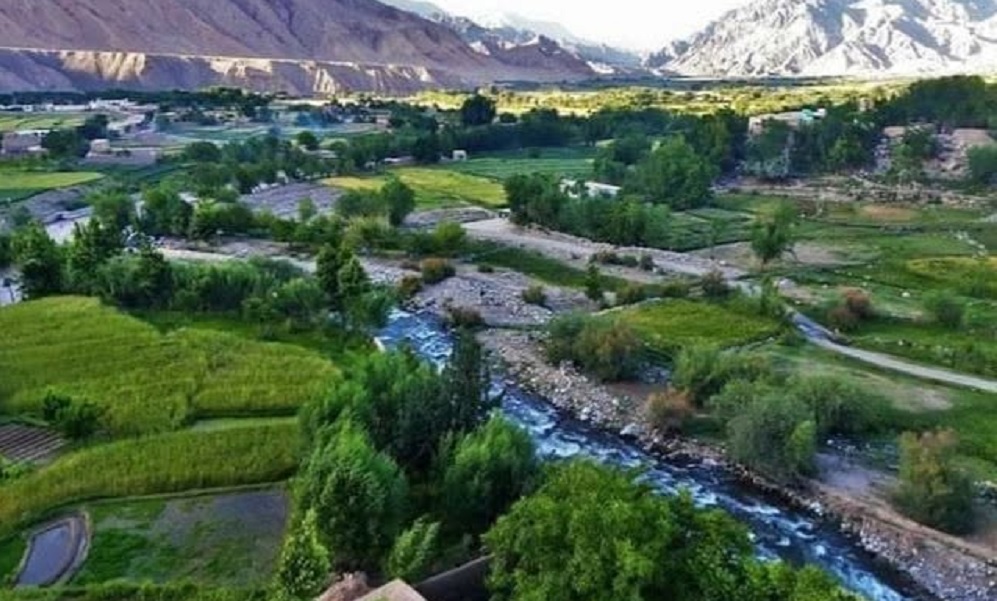
Security officials in Afghanistan’s Baghlan province say an armed clash between members of two families over a personal dispute and access to water for agriculture in Tala wa Barfak district has left four people dead and one injured.
Ismail Ayubi, police chief of Tala wa Barfak district, said the incident took place in the Dewalk area of Barfak, a remote part of the district.
He said the main cause of the clash was a dispute between the two families over the use of agricultural water.
Baghlan police said that, due to the lack of mobile network coverage in the area, a local resident traveled to an area with network access to report the incident to security forces.
Following the report, security forces took the necessary steps to respond to the incident. Officials said those involved in the clash fled the area after the incident, and no one has so far been arrested.
The district police chief said efforts are ongoing to identify and arrest those responsible. Security forces are also working to maintain public safety and prevent further insecurity in the district.
An investigation into the circumstances of the clash and the identification of those involved is ongoing.
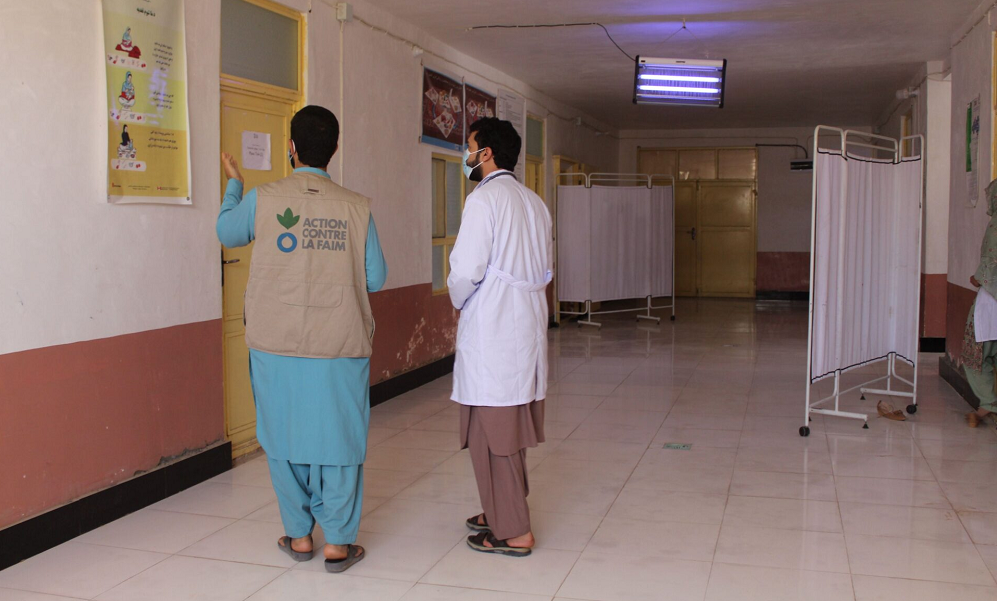
Children recovering from malnutrition in Afghanistan often return to households that lack the resources to provide the nutritious food they need to fully recover and grow, Action Against Hunger has warned.
The organization said recurrent drought, poverty, food insecurity and limited household incomes are making it difficult for families to prevent children from falling back into malnutrition after completing treatment.
However, repeated drought and other climate-related shocks have reduced harvests and household income, leaving families struggling to provide adequate nutrition for their children.
Action Against Hunger said the situation highlights the need to go beyond treating malnutrition and address the underlying causes of hunger and poverty.
The warning comes as malnutrition cases continue to rise across Afghanistan. In June 2026, the Therapeutic Feeding Unit in Kabul recorded 142 new admissions, a 149 percent increase compared with the same period in 2025.
Similar increases have been reported in other provinces where Action Against Hunger operates. In Lashkar Gah, Helmand province, the organization expanded the capacity of its therapeutic feeding unit from 45 beds to 72 and then to 118 within a matter of weeks due to the sharp rise in cases.
Action Against Hunger said climate-related shocks, including severe winter conditions, drought and water shortages, have further weakened food security across the country. Water shortages have damaged agricultural production in rural areas, forcing some families to leave their homes in search of livelihoods and basic necessities.
The organization stressed that sustained investment in both emergency nutrition services and longer-term livelihood programmes is needed to help families break the cycle of poverty and recurrent malnutrition.
Cobi Rietveld, Afghanistan Country Director at Action Against Hunger, said addressing the root causes of hunger is essential for achieving lasting progress against malnutrition.
“When families have the means to earn a living and provide for their children, the benefits extend far beyond nutrition,” Rietveld said, adding that livelihood support can help families meet their needs with dignity, protect children’s futures and build resilience against future crises.


US military operations killed 153 civilians in 2025, Pentagon assessment shows

Hana raises concerns over Afghan women and children amid Iran’s expulsion policy

Afghanistan face Ireland with series win in sight

Afghanistan to host India for three-match T20I series in Delhi

Water dispute in Baghlan leaves four dead

Pakistan’s governance system has ‘collapsed’: Mohsin Naqvi

Spain sweep FIFA World Cup player awards after historic triumph

Iran, Afghanistan and Tajikistan discuss expanding regional transit cooperation

Afghan health minister, Gavi discuss expanding routine immunization

Afghanistan temporarily eases fuel import standards to help curb rising prices

Tahawol: Hamid Karzai’s call for Afghan reconciliation discussed

Saar: Preparations for IEA’s fifth anniversary discussed

Tahawol: Iran’s acknowledgment of Afghanistan’s cooperation discussed

Saar: Five years of Islamic Emirate rule in Afghanistan reviewed

Tahawol: Afghanistan: An Alternative to the Strait of Hormuz?
-

 Sport3 days ago
Afghanistan secure direct qualification for 2027 Men’s ODI World Cup
-
 Regional4 days ago
Goods transporters to go on strike from Saturday after talks with Pakistan govt fail
-
 Latest News3 days ago
Pakistan-backed armed groups in Balochistan using former Afghan government forces: report
-

 Sport4 days ago
Rashid Khan takes six as Afghanistan thrash Ireland by 92 runs
-
 World4 days ago
US Senate passes Russia sanctions championed by Graham; US House next
-
 Sport2 days ago
Abasin Defenders stun Kabul Zalmi in Kabul Premier League
-
 Health5 days ago
WHO warns aid cuts disrupting healthcare services across Afghanistan
-

 Latest News4 days ago
Moldova president criticizes visa approval for IEA delegation