
Latest News
UNHCR alarm over forced Afghan refugees returns from Tajikistan


On Thursday, UNHCR, the UN refugee agency, warned of the danger faced by Afghan refugees who continue to be detained and deported from Tajikistan, reiterating that it’s illegal to force those fleeing persecution back to their homeland.
In the latest incident, some five Afghans, including a family comprising three children and their mother, were returned home to Afghanistan, despite UNHCR’s protests.
“Tajikistan must stop detaining and deporting refugees, an action that clearly puts lives at risk,” said Elizabeth Tan, UNHCR’s Director of International Protection. “Forced return of refugees is against the law and runs contrary to the principle of non-refoulement, a cornerstone of international refugee law.”
Separate from legal ramifications, the UN Food and Agriculture Organization (FAO) also expressed concern on Thursday over the ability of returning refugees to make a living.
Richard Trenchard, Representative of the Food and Agriculture Organization of the United Nations (FAO) in Afghanistan, warned that, “almost half the total population face acute food insecurity – hunger on a daily basis.”
The legal and physical perils faced by returning refugees have therefore been compounded by the ongoing food insecurity crisis, which has become more acute in the year since the Taliban takeover.
To combat this nascent crisis, the United States Government has announced an $80 million grant to the FAO. Specifically, the grant will be used to build Afghan resilience and bolster efforts to provide food security in the face of continuing drought, economic crisis and conflict.
The five-year contribution from the US Agency for International Development (USAID) will meet farmers’ immediate needs and build healthier, more climate-smart and resilient livelihoods.
Through increasing nutritious food production, fostering environmental sustainability, promoting climate-smart agricultural practices and supporting the diversification of household incomes, FAO aims to revive struggling food markets.
As Mr. Trenchard reflected, “USAID’s generous support will help Afghanistan’s farmers to begin seeing beyond the current crisis and start laying foundations for future recovery.”
The direct outcome of investments by the US and FAO will be the increased production and processing of nutritious food. However, the butterfly effect of such development will be improved economic resilience, enhanced public health, and strengthed community security.
Significant environmental benefits will also be achieved through the planting of new forests, climate-smart pasture development, river bank management and reducing soil erosion.
The projects have been designed to encourage engagement by historically oppressed groups in safe income-generating activities.
FAO fosters gender inclusive and intergenerational collaboration to enhance access to local markets and create microfinancing opportunities.
These initiatives target various products including dairy, livestock, crops and aim both to give people tools such as zero-energy cold storages, micro solar dryers and equipment for safe collection and handling of milk and to expand frayed market infrastructures.
Therefore, these schemes are essential because they will not only meet immediate needs, but also eliminate the potential for future insecurity, FAO said.






Latest News
Afghanistan, UNDP discuss expanding cooperation in agriculture and rural development
The minister also said the government is pursuing policies to increase domestic agricultural production and reduce dependence on imports.
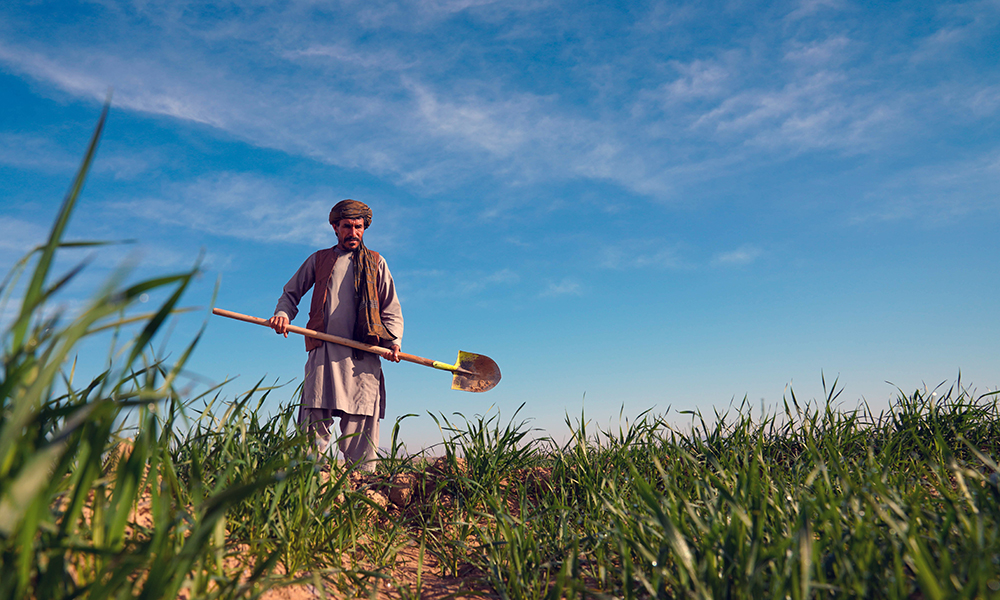
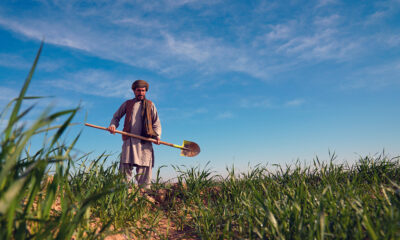
Afghanistan’s Ministry of Agriculture, Irrigation and Livestock and the United Nations Development Programme (UNDP) have discussed expanding cooperation to strengthen agriculture, irrigation, rural livelihoods and infrastructure across the country.
During a meeting with Agriculture Minister Ataullah Omari, UNDP Resident Representative Stephen Rodriques outlined the agency’s ongoing efforts to support Afghanistan’s rural economy through alternative livelihood and development programs.
Rodriques said UNDP has provided chemical fertilizer to 2,000 farmers, established greenhouses, developed agricultural marketplaces and launched several initiatives aimed at boosting agricultural production under its alternative livelihoods program.
He added that UNDP has also completed 270 rural infrastructure projects, including irrigation canals, check dams and other water management facilities. The projects are designed to improve water resource management, increase agricultural productivity, promote mechanization and raise rural household incomes.
Omari welcomed the UNDP’s continued support and emphasized the importance of ensuring the completed projects are used effectively. He reaffirmed the ministry’s commitment to working closely with development partners to strengthen Afghanistan’s agriculture sector and improve the livelihoods of farmers and livestock owners.
The minister also said the government is pursuing policies to increase domestic agricultural production and reduce dependence on imports. As part of that effort, tariffs on several imported agricultural products, including vegetables, fruit and powdered milk, have been increased to encourage local production and support the rural economy.
Latest News
UN chief calls for civilian protection after Pakistani airstrikes in Afghanistan
The Islamic Emirate of Afghanistan condemned the airstrikes, describing them as a violation of Afghanistan’s airspace and calling them a “crime” and a “cowardly act.”
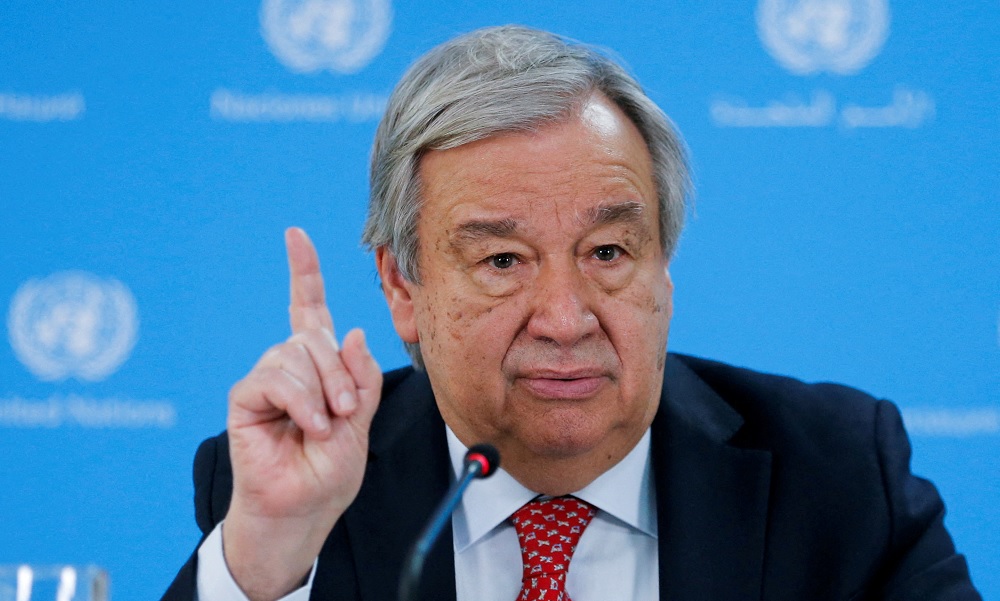
United Nations Secretary-General António Guterres has called for the protection of civilians following Pakistani airstrikes in Afghanistan’s Paktia, Paktika and Kunar provinces that reportedly killed and injured dozens of people.
Speaking at a press briefing, UN spokesperson Stéphane Dujarric said Guterres urged Afghanistan and Pakistan to resolve their differences through dialogue and stressed that all parties must adhere to international humanitarian law.
“We continue to call on all parties to uphold their obligations under international humanitarian law and stress that civilians and civilian infrastructure must be protected at all times,” Dujarric said.
He cited the UN Assistance Mission in Afghanistan (UNAMA), which reported that numerous civilians were killed and injured in overnight airstrikes carried out by Pakistan in the three eastern provinces.
“Our humanitarian colleagues tell us that the latest attacks have also reportedly triggered displacement, and humanitarian partners on the ground are assessing needs and preparing to provide emergency assistance,” Dujarric added.
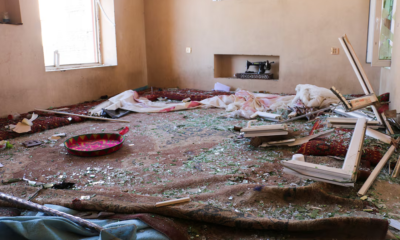
According to reports, at least 36 civilians were killed and more than 160 others were wounded in the strikes. The casualties reportedly included women, children and elderly people who were inside residential homes at the time of the attacks.
The Islamic Emirate of Afghanistan condemned the airstrikes, describing them as a violation of Afghanistan’s airspace and calling them a “crime” and a “cowardly act.”
Latest News
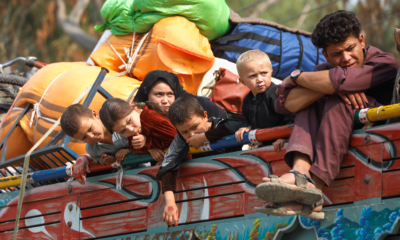
Asylum seekers in UK may have to repay up to £10,000 under new proposal
Home Secretary Shabana Mahmood said the measure is intended to reduce the financial burden of the asylum system while ensuring those who are able to contribute do so.
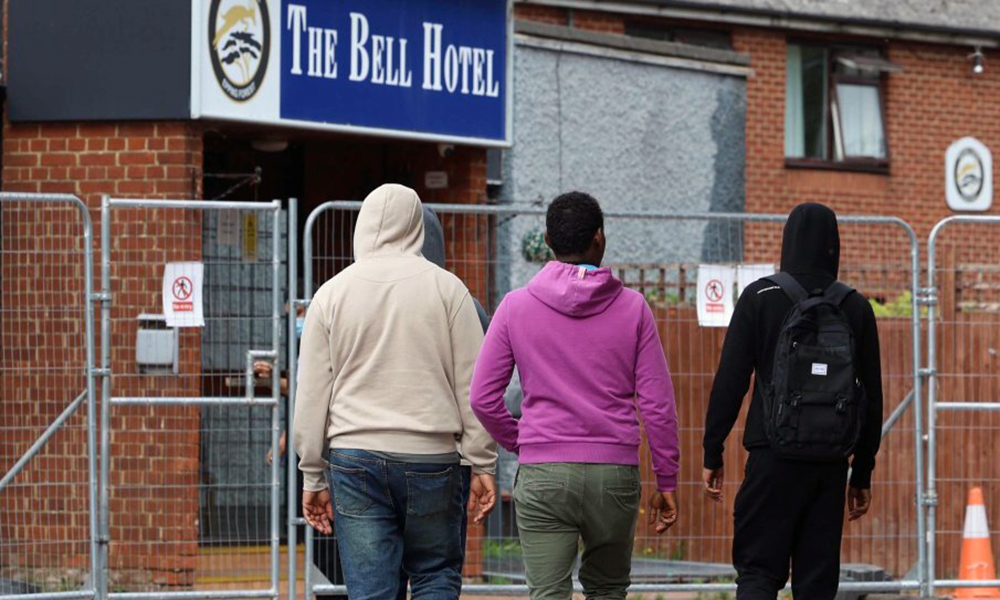
The UK government has unveiled plans to require asylum seekers who find employment after being granted protection to repay up to £10,000 toward the cost of their accommodation and financial support.
The proposal forms part of the Immigration and Asylum Bill, which is due to be introduced to Parliament on Tuesday. Under the plan, individuals would need to repay the debt before becoming eligible for settled status, also known as Indefinite Leave to Remain.
The repayment scheme is expected to operate similarly to the student loan system, with monthly deductions beginning once a person’s income exceeds a threshold that has yet to be announced.
According to the Home Office, the standard repayment amount will initially be set at £10,000, although the Home Secretary will have the authority to adjust the figure. Those who leave the UK before repaying the debt would be required to settle the full amount if they later seek to return.
Home Secretary Shabana Mahmood said the measure is intended to reduce the financial burden of the asylum system while ensuring those who are able to contribute do so.
“We have already reduced asylum costs by £1 billion, but it is also right that we ask those who can contribute to do so,” Mahmood said, adding that asylum support is “a right, but it is also a responsibility.”
The government says the asylum system cost around £4 billion last year. Home Office figures show it costs an average of £23.25 per day to house an asylum seeker in dispersal accommodation and £144 per day in hotel accommodation, while weekly subsistence payments range from £9.95 to £49.18 per person.
The proposal has drawn mixed reactions. Migration experts have questioned how much revenue the scheme would generate, noting that many refugees enter low-paid employment. Madeleine Sumption, director of the Migration Observatory at the University of Oxford, said the financial impact on public finances is likely to be limited because relatively few asylum seekers are expected to earn enough to make significant repayments.
She also warned the policy could discourage some refugees from accepting accommodation or seeking work if repayment obligations are perceived as too burdensome.
Human rights organisations have criticised the proposal, arguing it could hinder integration. Zoe Dexter of the Helen Bamber Foundation described the policy as unfair, saying many refugees arrive in the UK after fleeing conflict and persecution with few or no financial resources.
The announcement comes as the UK government continues efforts to reduce the use of hotels for asylum accommodation, with plans to expand the use of former military sites to house asylum seekers ahead of the next general election. Home Office data shows the number of asylum seekers housed in hotels has fallen to its lowest level since records began in 2022.


Afghanistan, UNDP discuss expanding cooperation in agriculture and rural development

UN chief calls for civilian protection after Pakistani airstrikes in Afghanistan

Asylum seekers in UK may have to repay up to £10,000 under new proposal

Tahawol: Pakistan’s attacks on civilians in Afghanistan

Saar: Pakistani airstrikes on Afghanistan

Norway’s Viking-inspired World Cup team photo goes viral

TAPI project advances in Afghanistan as 84kms of pipeline laid

Afghanistan’s trade with Central Asia records sharp growth

Afghanistan to play in Diamond Jubilee Tournament opener against Maldives

Gaikwad set to replace injured Kohli for Afghanistan ODI Series
Tahawol: Pakistan’s attacks on civilians in Afghanistan
Saar: Pakistani airstrikes on Afghanistan

Tahawol: Calls for diplomacy between Kabul, Islamabad

Saar: US and Iran exchanging attacks

Saar: Concerns over Afghan deportations from Europe discussed
-
 Latest News4 days ago
TAPI project sees rapid progress in Afghanistan
-
 Business2 days ago
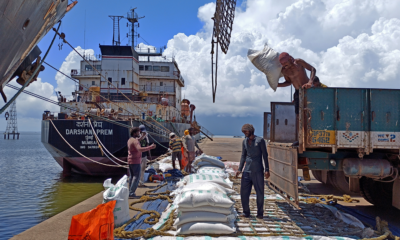
Afghanistan eyes direct Basmati rice imports from India amid tensions with Pakistan
-

 International Sports3 days ago
FIFA World Cup: Iran held by Egypt after controversial late goal Is disallowed
-

 Latest News3 days ago
Delawar says Afghanistan has achieved security and unity after 47 years
-
 Latest News3 days ago
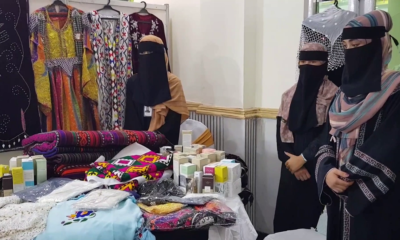
EU announces major funding to support Afghan small businesses
-
 Latest News4 days ago
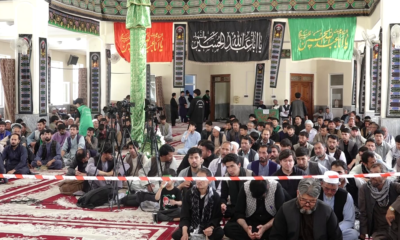
Ashura observed across Afghanistan with calls for unity and justice
-
 Latest News2 days ago
Afghan minister says ‘outsiders’ should not claim to support Afghanistan’s independence
-
 World4 days ago
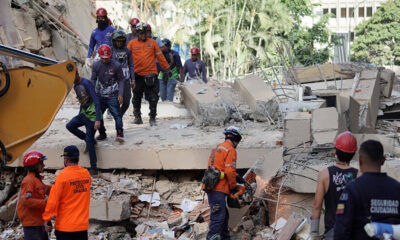
Venezuela earthquake death toll rises to 188 as rescue efforts continue