
Latest News
US watchdog accuses Islamic Emirate of diverting international aid

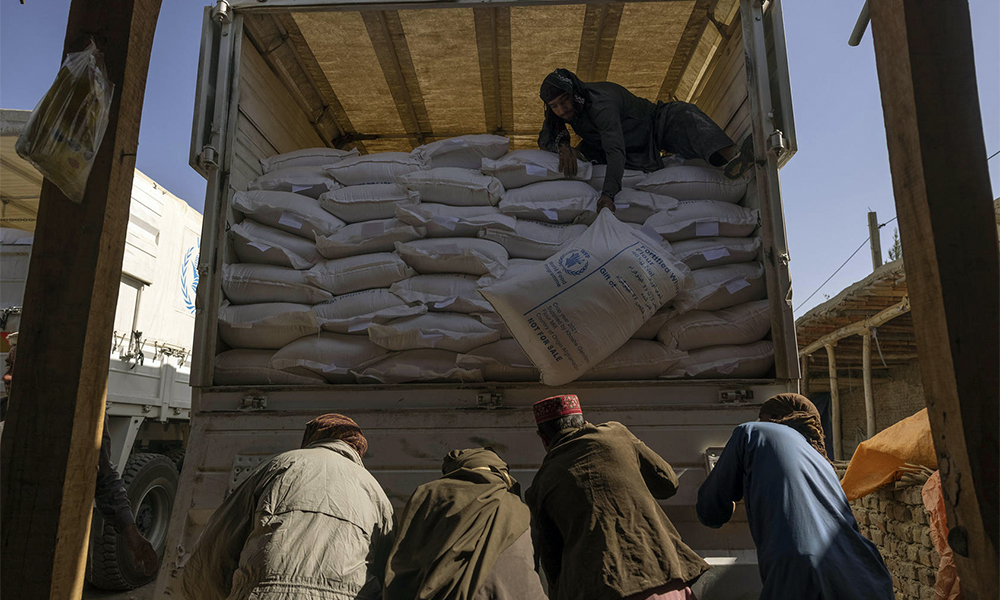
Afghanistan’s Islamic Emirate is using force and other measures to divert international aid, block minority communities from receiving assistance, and may be colluding with U.N. officials to demand kickbacks, according to a report released Tuesday by the U.S. Special Inspector General for Afghanistan Reconstruction (SIGAR).
The findings, based on input from nearly 90 current and former U.S. officials, U.N. personnel, and other sources — including Afghans inside the country — allege that the Islamic Emirate exerts control over aid distribution to direct resources toward its preferred recipients rather than donor-designated communities.
SIGAR reported that one Afghan aid worker who exposed the diversion of food aid to a military training camp was later killed, though responsibility for the killing could not be confirmed.
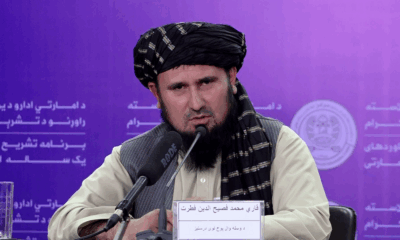
An Islamic Emirate spokesperson, Hamdullah Fitrat, denied the allegations, stating that international aid is distributed independently and that government agencies cooperate to ensure transparency and prevent misuse. The U.N. has not yet commented on the report, and Reuters said it could not independently verify the claims.
The watchdog meanwhile also cited allegations from interviewees that U.N. officials sought bribes from companies and humanitarian groups in exchange for contracts, and that some Islamic Emirate officials may have colluded with U.N. personnel to split illicit proceeds.
According to SIGAR, international donors provided $10.72 billion in aid — including $3.83 billion from the United States — between August 2021, when the Islamic Emirate took power, and April 2025, when the Trump administration ended most U.S. assistance.
The report accuses the Islamic Emirate of using both regulatory authority and coercion to influence which humanitarian groups can operate, directing U.S.-funded aid disproportionately to majority Pashtun areas while marginalising minority communities, and extorting humanitarian workers.
The Islamic Emirate has not yet issued an official response to the report.



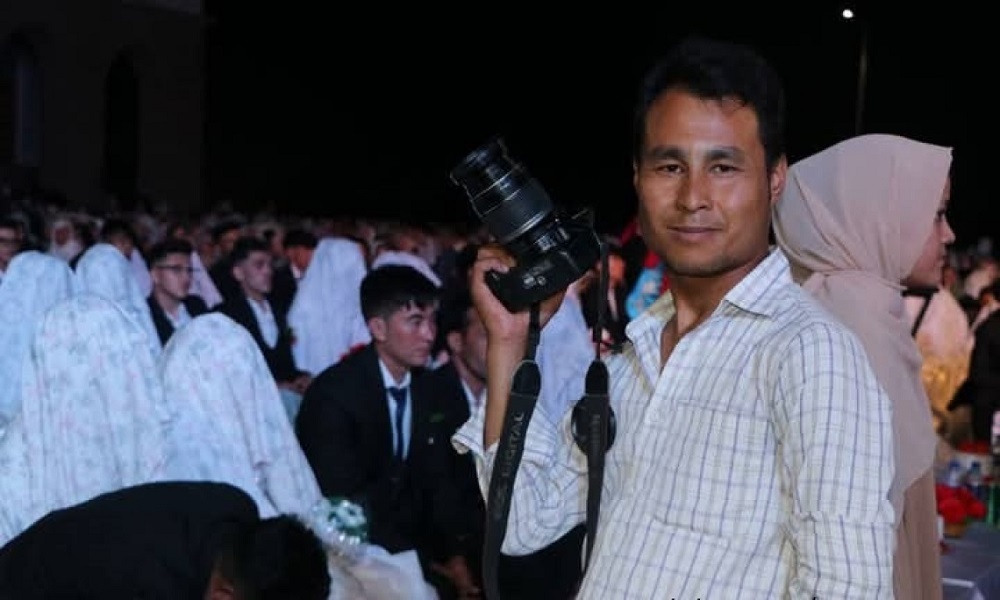
The Afghanistan Journalists Center (AFJC) has announced that Mahdi Ansary, a reporter for the Afghan News Agency (AFKA), has been released after serving one and a half years in Bagram prison.
In a statement welcoming his release, AFJC emphasized that the fundamental rights of this journalist—who had been tried and imprisoned on charges of cooperating with exiled and foreign media—were “seriously” violated.
Ansari was arrested on October 5, 2023, after returning from his workplace in Kabul.
He was sentenced on January 1, 2024 by the Kabul Primary Court to one and a half years in prison on charges of “propaganda against the Islamic Emirate.”
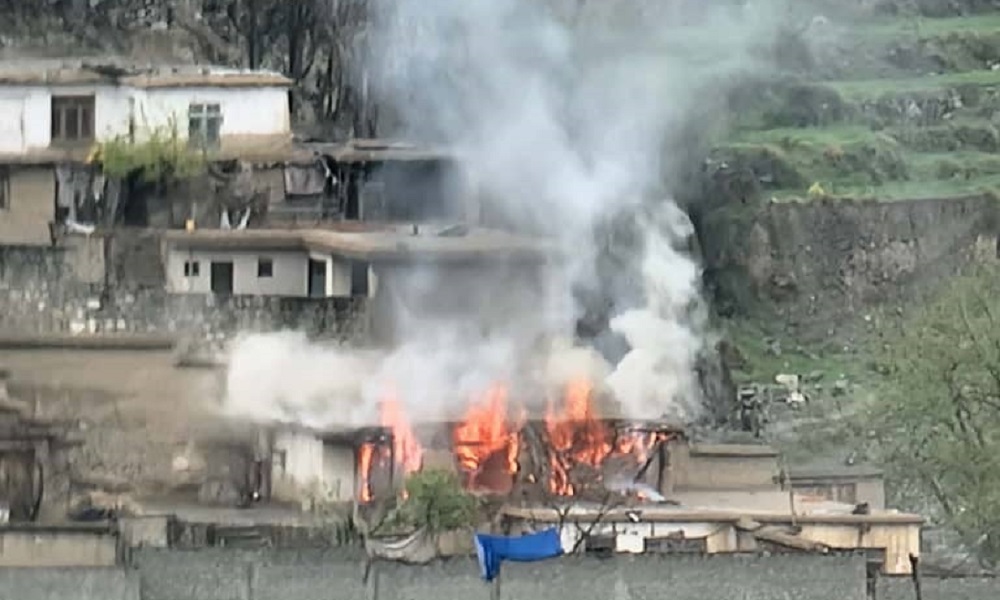
Farid Dehqan, spokesperson for the Khas Kunar police command, said that rocket attacks by the Pakistani military regime are still ongoing in the province.
These attacks come despite earlier announcements by the Pakistani military of a temporary ceasefire for Eid.
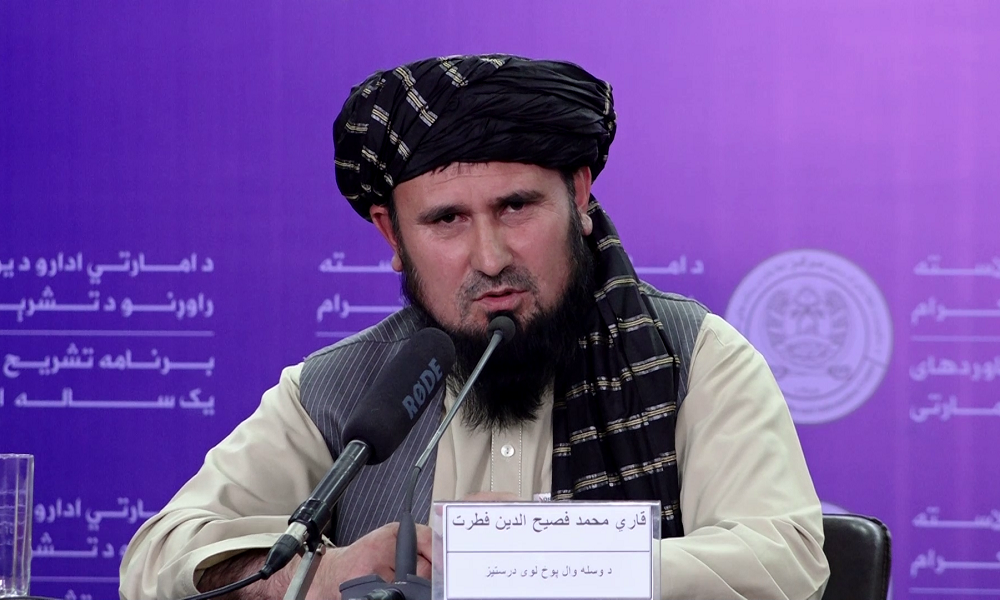
Afghanistan’s Chief of Armed Forces, Fasihuddin Fitrat, said in his Eid message that Pakistan’s military regime has violated the ceasefire along the Durand line.
According to the Eid message released by the Ministry of Defense, several civilians were killed in attacks carried out by Pakistani forces in border areas.
Fitrat added that the continuation of Pakistan’s attacks despite the ceasefire “demonstrates a lack of commitment and deception” on the part of the country.
He stressed that the Islamic Emirate has refrained from retaliatory action in order to prevent further deterioration of the situation and has remained committed to the ceasefire.
However, he warned that if such attacks are repeated, “the ceasefire will become meaningless,” and the Islamic Emirate will deliver a “decisive response” to Pakistan’s actions.
It is worth noting that the Islamic Emirate and Pakistan reached a temporary ceasefire on the occasion of Eid al-Fitr through mediation by Qatar, Turkey, and Saudi Arabia.


Trump compares Iran strikes to Pearl Harbor in meeting with Japan’s leader

Afghanistan national buzkashi falls short in Kokpar World Championship semifinals

Mahdi Ansary, local journalist, released from prison

Pakistan’s rocket attacks still ongoing on Nari district, Kunar

FIFA Council highlights football’s role in peace, announces record investments

Pakistani military jet downed in Afghanistan’s Jalalabad, pilot captured alive

Afghan Air Force conducts airstrikes in Islamabad, other cities

Afghanistan welcomes investment and technology partnerships with India

Prominent Muslim scholar issues fatwa calling for Afghanistan-Pakistan ceasefire

Afghan air force strikes key Pakistani military installations in retaliatory operation

Tahawol: Temporary ceasefire draws broad support

Saar: Emphasis on resolving conflicts through diplomacy

Tahawol: Global reactions to Pakistan’s recent attacks discussed

Saar: Consequences of Pakistani airstrikes on Afghans discussed

Tahawol: Pakistan’s new attacks on Kabul hospital discussed
-
 Latest News4 days ago
IEA Supreme Leader issues Eid-ul-Fitr message urging unity and support for Islamic system
-

 Business4 days ago
Turkmenistan, Afghanistan discuss steps to speed up land acquisition for TAPI pipeline
-
 Latest News2 days ago
IEA announces temporary pause in defensive operations against Pakistan for Eid
-
 Sport3 days ago
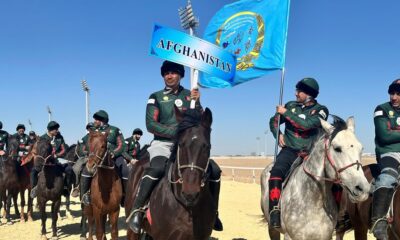
Afghanistan national buzkashi team defeats Hungary 14–0
-
 Latest News2 days ago
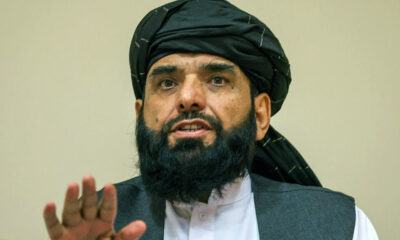
Pakistan opposes normal Afghanistan–India relations: Shaheen
-

 Latest News4 days ago
CAIR-Texas calls for probe after Afghan refugee dies in ICE custody
-

 Latest News4 days ago
IEA condemns alleged airstrike by Pakistan on drug treatment hospital in Kabul
-
 Latest News3 days ago
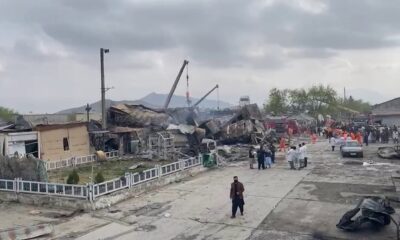
Afghanistan warns Pakistan of ‘teeth-breaking’ response after deadly Kabul bombing