
Uzbekistan and Pakistan call on Afghanistan to act against militant groups

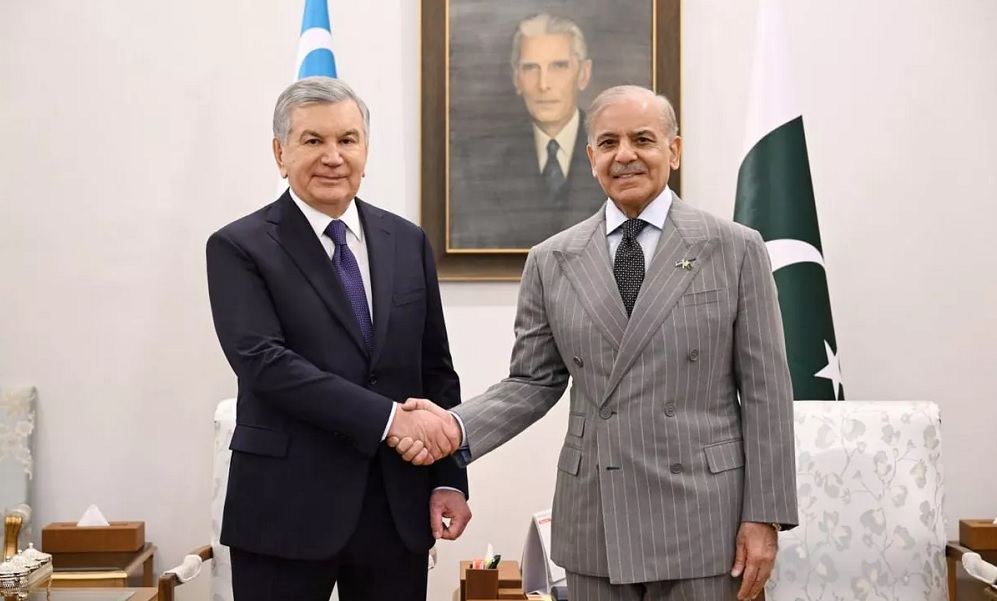
Uzbekistan and Pakistan have jointly urged Afghanistan to take concrete steps against militant groups operating from its territory, emphasizing that regional stability and major connectivity projects depend on improved security conditions in the country.
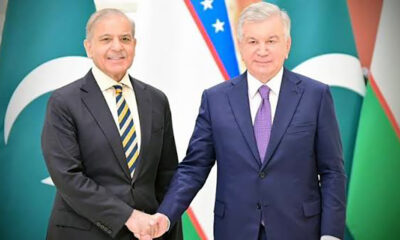
The call was made in a joint declaration issued at the conclusion of the state visit of the President of Uzbekistan to Pakistan. The two sides stressed that peace and stability in Afghanistan are essential for long-term regional peace, economic growth, and the successful implementation of the Uzbekistan–Afghanistan–Pakistan (UAP) Railway Project.
According to the declaration, the leaders of both countries underlined that several terrorist organizations continue to operate from inside Afghanistan, posing serious threats to regional and global security. They urged Kabul to take “immediate and concrete actions” to dismantle and eliminate all such groups, and to ensure that Afghan territory is not used for attacks against any other state.
The Islamic Emirate has previously denied the presence of militant groups in Afghanistan.







Latest News
UN expert calls for accountability after Pakistani airstrikes kill civilians in Afghanistan
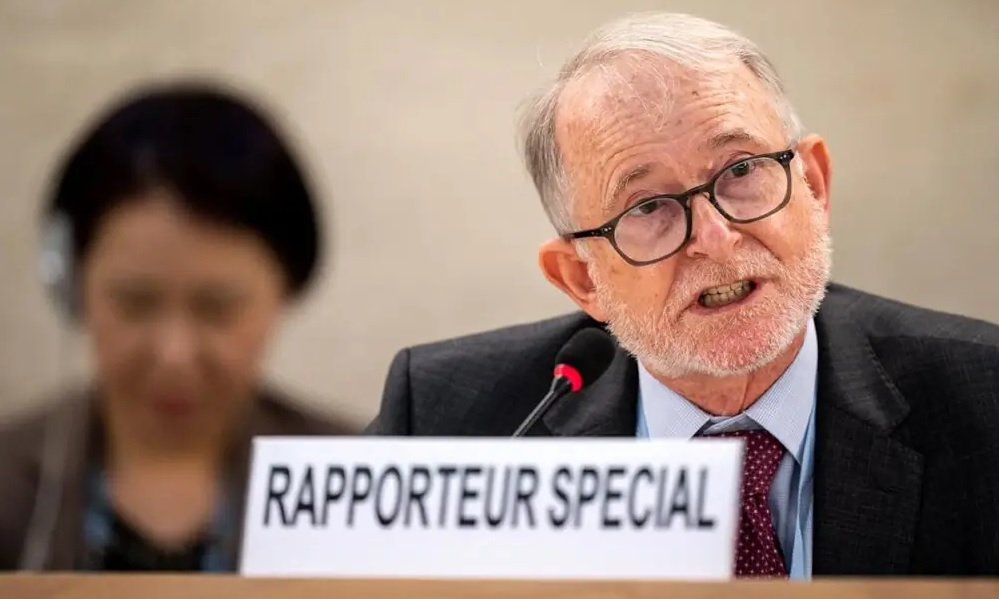
UN Special Rapporteur on the situation of human rights in Afghanistan Richard Bennett has called for accountability following Pakistani airstrikes in Afghanistan’s Kunar and Helmand provinces that killed multiple civilians.
“Accountability is paramount after another air strike that has killed civilians, most of them children,” Bennett said in a post on X.
He questioned whether the incident resulted from “incompetence, negligence or worse,” adding that there was no justification for what he described as “irreparable harm” to civilians.
Bennett said the reported incident appeared to violate international human rights and humanitarian law.
The United Nations Assistance Mission in Afghanistan (UNAMA) said it had confirmed that at least 10 civilians were killed and nine others injured in the airstrikes carried out on Thursday.
Sport
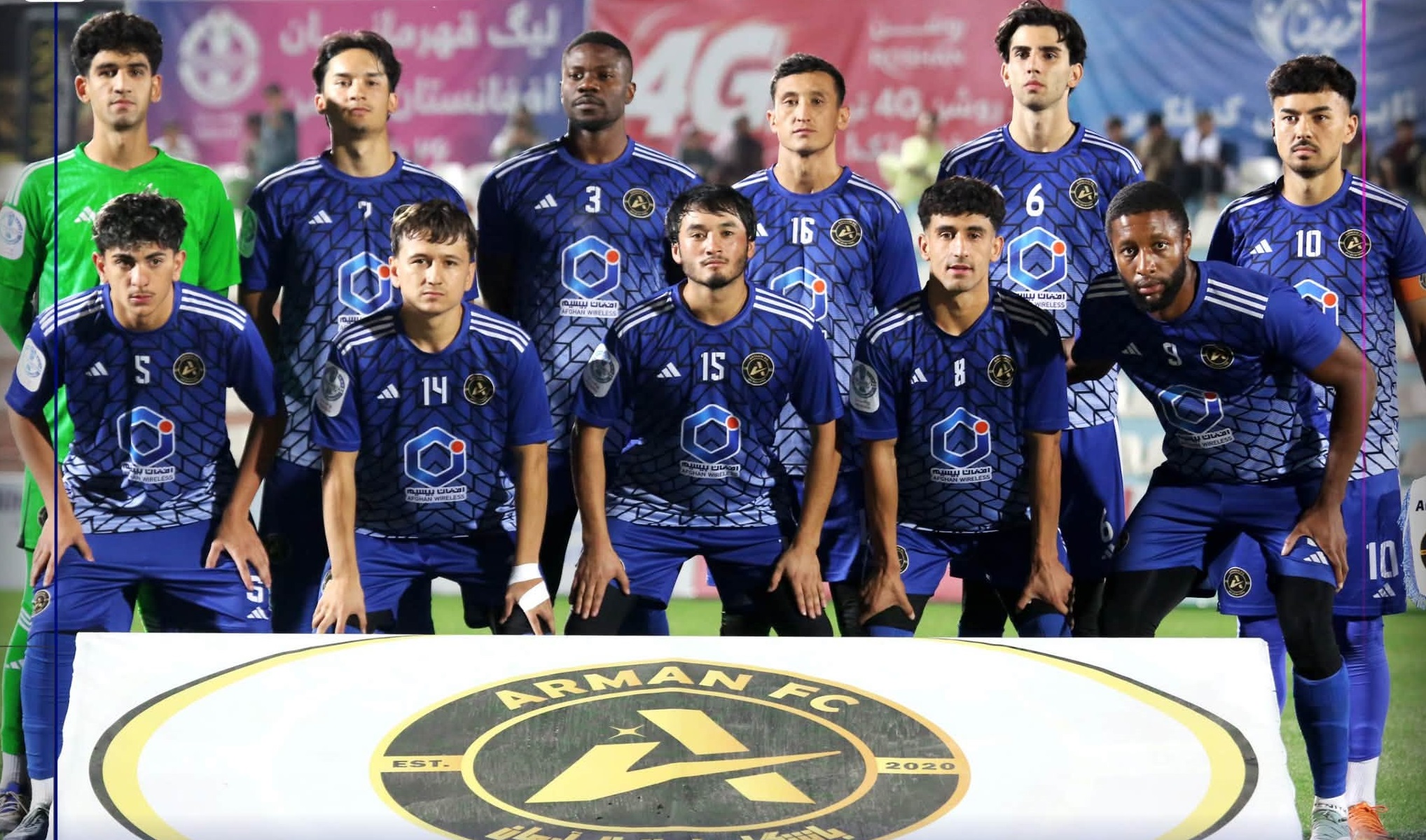
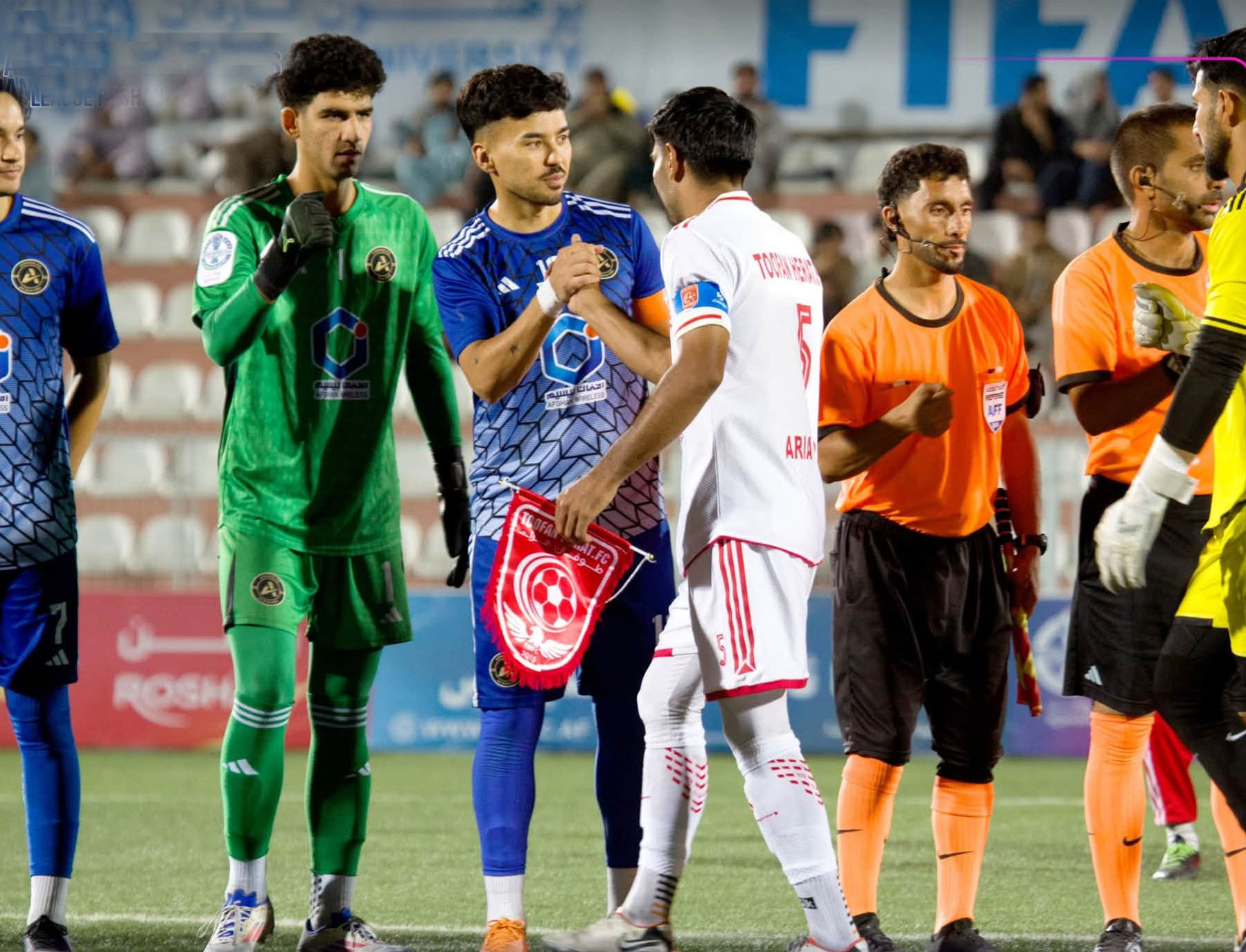
Arman FC crush Toofan Herat 4-0 in ACL clash
In stoppage time, Noah Ali Rustami added a fourth goal for Arman FC, sealing a 4-0 victory over Toofan Herat.

Arman FC recorded a 4-0 victory over Toofan Herat in the 33rd match of the sixth season of the Afghanistan Champions League in Kabul on Thursday.
Playing at the Afghanistan Football Federation Stadium, Arman FC made a fast start, taking the lead in the second minute through Ahmad Jawad Wahedi.
The hosts continued to press for a second goal, with Malcolm Isaiah Shaw hitting the post in the fifth minute. Shaw found the net four minutes later to double Arman FC’s lead.
Arman FC continued to create opportunities before halftime, with Esmatullah Hadafmand testing the Toofan Herat defense in the 21st minute. The hosts went into the break 2-0 ahead.
Arman FC maintained its attacking pressure after the restart and extended the lead in the 57th minute when Shokorullah Kohi made it 3-0.
Noah Ali Rustami added a fourth goal in stoppage time to complete the 4-0 victory.
Malcolm Isaiah Shaw was named Player of the Match.
Arman FC will face Abu Muslim Farah in its next league match on October 5.
The sixth season of the Afghanistan Champions League is being broadcast live on Ariana Television. Fans are encouraged to follow ATN’s social media pages for all updates, news and match highlights.



UN expert calls for accountability after Pakistani airstrikes kill civilians in Afghanistan

Tahawol: Pakistan’s airstrikes on civilians in Afghanistan discussed

Arman FC crush Toofan Herat 4-0 in ACL clash

Khurasan Faryab and Ariana Khost settle for 1-1 draw

Four members of one family killed in Helmand in Pakistan airstrike

Saudi energy group signs major Afghanistan deals covering gas exploration and pipeline plans

Iranian clubs to face Gulf opponents at neutral venues in Asian Champions League Elite

Khalilzad: Afghanistan ready to attract major investment

Ariana Television Network secures exclusive rights to Afghanistan’s 2026/27 cricket series

El Niño likely to intensify, may become strongest ever recorded, WMO says
Tahawol: Pakistan’s airstrikes on civilians in Afghanistan discussed

Tahawol: Improvement in Afghanistan-China relations discussed

Saar: Expanding ties with regional and global countries discussed

Tahawol: Absence of Afghanistan’s envoy at UNGA discussed

Saar: Assessment of war between Afghanistan and US discussed
-

 Sport5 days ago
Afghan bodybuilder Ali Bilal finishes runner-up at Mr Olympia for third straight year
-
 Latest News5 days ago
Afghanistan says 28 killed, 32 captured in Nuristan operation
-
 Sport4 days ago
Afghanistan vs India Asian Games quarter-final abandoned without a toss
-
 Latest News5 days ago
UNDP, UN Women launch financing initiative for Afghan women entrepreneurs
-
 Latest News5 days ago
Germany reports 488 Afghans for possible deportation, 267 have no criminal convictions
-
 Regional5 days ago
Aimal Wali Khan calls Dera Ismail Khan attack a ‘state failure’
-
 Regional4 days ago
Floods, landslides kill 56 in India and 14 in Nepal
-

 World4 days ago
Trump says men arrested at UK air base used by US planned ‘big damage’