
Latest News
Iran,Six World Powers Reached to a Historic Agreement on Nuclear Deal

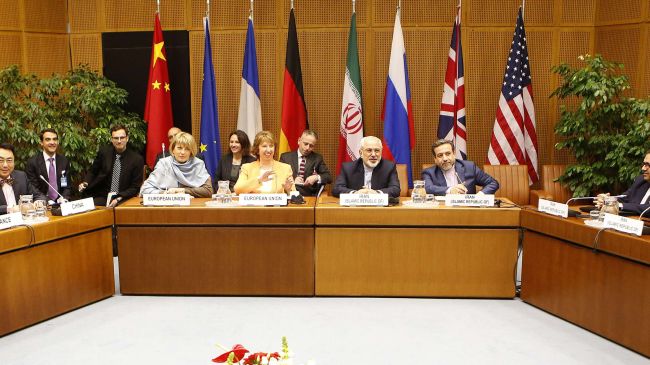

Finally after 18 days of precise negotiations and discussions on Iran’s nuclear deal the six world powers and Iran have reached to a historic agreement on nuclear deal on Thrusday reports indicated.
The deal includes a compromise that would UN inspectors to press for monitoring visitis to Iranian military sites.
But access at will to any site would not necessarily be granted and even if so, could be delayed, a condition that critics of the deal are sure to seize on as possibly giving Tehran time to cover any sign of non-compliance with its commitments.
Under the deal, Tehran would have the right to challenge the U.N request and an arbitration board composed of Iran and the six world powers that negotiated with it would have to decide on the issue.
Still, such an arrangement would be a notable departure from assertions by top Iranian officials that their country would never allow the U.N’s International Atomic Energy Agency into such sites. Iran has argued that such visits by the IAEA would be a cover for spying on its military secrets.
While access is a key part of monitoring envisaged cuts on Tehran’s present nuclear activities, it is also important for the IAEA as it tries to kick-start nearly a decade of stalled attempts to probe allegations that Iran worked on nuclear arms. Washington says that Iran must cooperate with the IAEA’s probe as part of any overall deal before all sanctions on it are lifted.
The Iranians insist they have never worked on weapons and have turned down IAEA requests to visit sites where the agency suspects such work was going on, including Parchin, the military complex near Tehran where the agency believes explosives testing linked to setting off a nuclear charge was conducted.
Iran’s acceptance in principle of access to military sites will give the agency extra authority in its attempts to go to the site and its demands – previously rejected by Tehran – to interview scientists it suspects were involved in the alleged nuclear weapons work.
Any deal will go to the U.N. Security Council, which is expected to endorse it by the end of the month, to start the mechanics of implementation – long-term, verifiable limits on Iranian nuclear programs that could be used to make weapons in exchange for an end to sanctions on the Islamic Republic.
Comments from both senior Republican and Democratic senators on Sunday suggested that any final deal would also face tough scrutiny in the US Congress.
“The parts of the deal are there,” said a senior official from one of the six countries. “We still need to put the finishing touches together. All sides have to decide now. It’s time to say ‘Yes’.”
A senior Iranian official said 99 percent of the issues had been resolved, adding: “With political will, we can finish the work late tonight and announce it tomorrow.”
“All the hard work has paid off and we sealed a deal. God bless our people,” it quoted one of the diplomats as saying.
The following deal will not only impact Iran’s economy but also the region countries will be benefited.
The agreement is being achieved after months of ongoing negotiations in between Iran, 5 plus 1 powers in the world.
Iran’s nuclear final session was held behind the sealed doors and media were not permitted to cover the session as live.

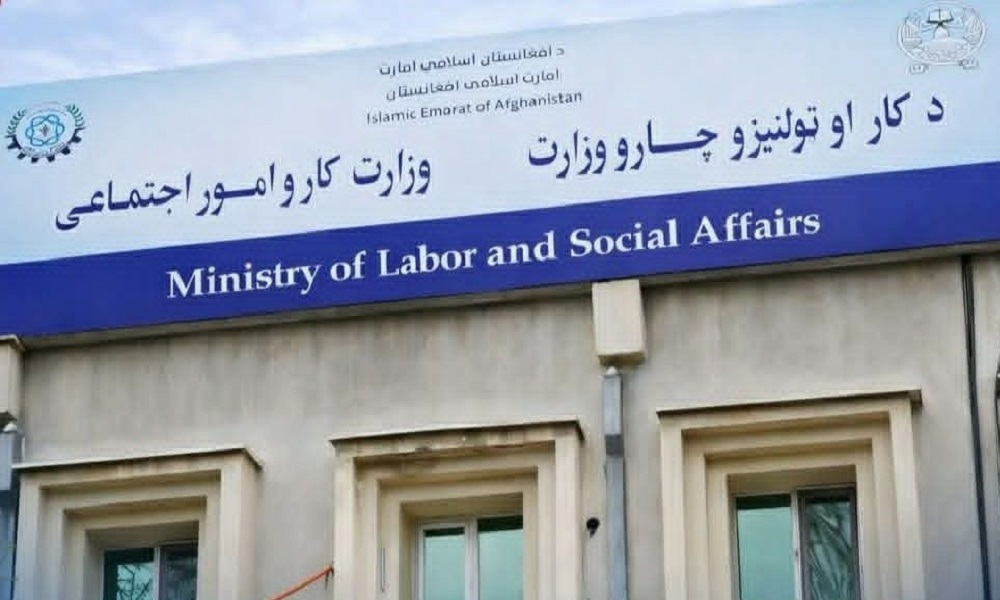
The Directorate of Child Protection at the Ministry of Labor and Social Affairs announced on Saturday that in the solar year 1404, through the implementation of extensive support programs and the handling of thousands of protective cases, it has achieved significant accomplishments in securing rights, raising awareness, and improving the situation of children across Afghanistan.
According to the directorate, the registered cases have been organized into 23 different categories, allowing for targeted and specialized handling of each type of case. In the area of awareness-raising, extensive programs have also been implemented to improve the general knowledge of children and their families, resulting in 404,207 children and family members being informed about child rights, explosive hazards, environmental protection, and other important topics.
To strengthen local structures and accelerate case management, the Directorate of Child Protection, within the framework of its 1404 work plan, established 20 new committees at the district level in provincial centers. These committees play a key role in coordinating between government offices, rapidly identifying cases, and providing support services. Currently, child protection committees are active in 204 districts and regularly review and resolve children’s issues.
Latest News
Severe rainfall and natural disasters cause heavy casualties across Afghanistan
At least 61 people have been confirmed dead, with 116 others injured. Four individuals remain unaccounted for as search and rescue operations are underway.
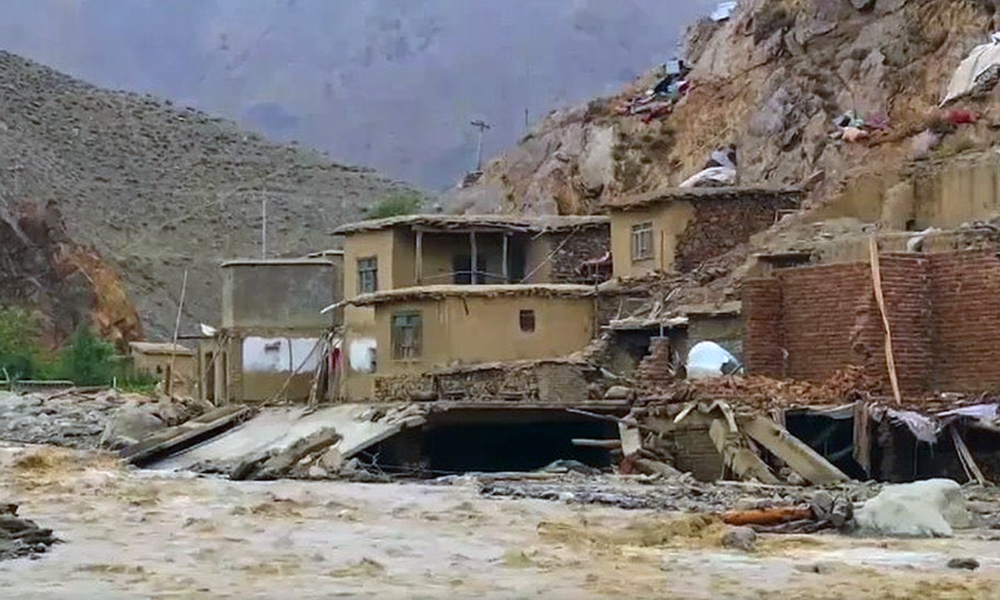
The Spokesperson for the Islamic Emirate of Afghanistan, Zabihullah Mujahid, has confirmed widespread devastation across the country following a series of natural disasters and heavy rainfall. The toll continues to rise as authorities assess the damage.
At least 61 people have been confirmed dead, with 116 others injured. Four individuals remain unaccounted for as search and rescue operations are underway. The disaster has also led to the destruction of 2,448 homes, leaving thousands displaced, while 26,841 acres of agricultural land have been severely damaged. In addition, the storm claimed the lives of 1,045 livestock animals, further exacerbating the already dire situation for rural communities.
In a statement, Mujahid emphasized the ongoing relief efforts. The Islamic Emirate is mobilizing all available resources to assist the hardest-hit regions and ensure the swift recovery of affected communities. The focus remains on providing immediate aid, including shelter, medical supplies, and food, while also beginning the long-term process of reconstruction and recovery.
Authorities have urged citizens in vulnerable areas to remain vigilant as more rain is forecast, adding to the urgency of the ongoing relief operations.
Latest News
Afghan citizens reported among casualties in US, Israeli attacks, Iran says
As of now, authorities of the Islamic Emirate of Afghanistan have not issued an official response to the claims.
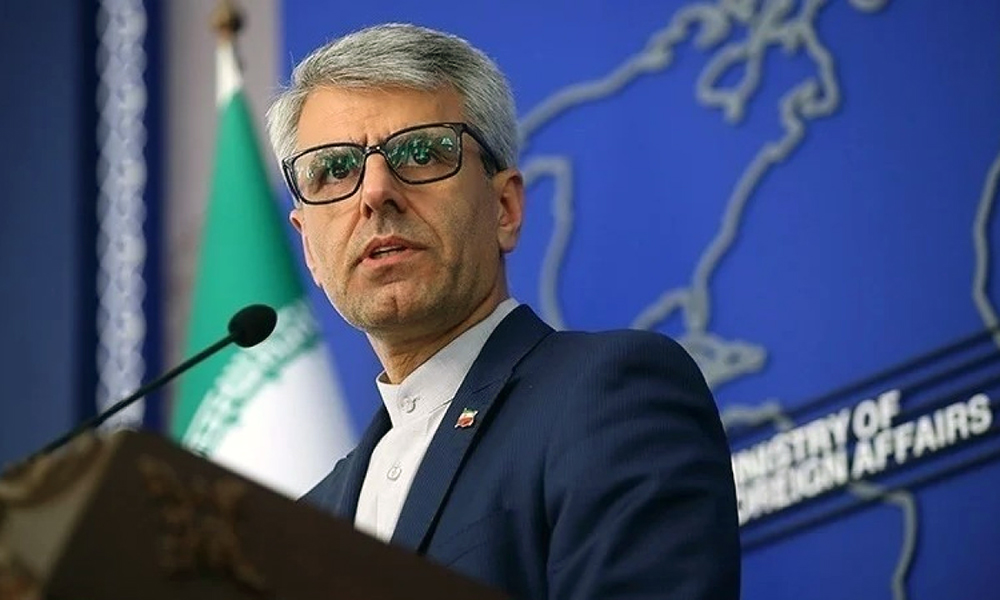
Iran’s Embassy in Kabul, citing Foreign Ministry spokesperson Esmaeil Baghaei, has stated that a number of Afghan citizens were killed or injured during what Tehran described as a 35-day military campaign carried out by the United States and Israel.
According to the statement, the Afghan nationals were living in Iran at the time of the attacks. Baghaei referred to them as “honored guests” of the country, adding that some lost their lives while others sustained injuries during the reported strikes.
He did not provide specific figures regarding the number of Afghan casualties or further details about the incidents.
As of now, authorities of the Islamic Emirate of Afghanistan have not issued an official response to the claims.


Around 15,000 cases of vulnerable Afghan children addressed over past year

Severe rainfall and natural disasters cause heavy casualties across Afghanistan

Kazakhstan eyes rare metals mining projects in Afghanistan and Rwanda

Afghan citizens reported among casualties in US, Israeli attacks, Iran says

Save the Children: Nearly one Afghan child killed or injured daily by explosive remnants

Prominent Muslim scholar issues fatwa calling for Afghanistan-Pakistan ceasefire

IEA Supreme Leader issues Eid-ul-Fitr message urging unity and support for Islamic system

14 Pakistani soldiers killed after military post falls along Durand line: MoD

Afghanistan steps in to replace Iran in supplying fruits and vegetables to Russia

Afghan airstrikes target Pakistani military sites in retaliation for air attacks

Tawsia: This week’s key economic developments in Afghanistan discussed

Tahawol: Start of talks between Kabul-Islamabad in China discussed

Saar: Ongoing US and Israeli attacks on Iran discussed

Tahawol: Ongoing US–Israeli war with Iran discussed

Saar: Afghanistan-Pakistan talks in China discussed
-
 Latest News3 days ago
Baradar approves 17 projects worth over one billion AFN
-
 Business4 days ago
Russia backs Uzbekistan–Afghanistan trade hub, praises regional economic cooperation
-

 Sport4 days ago
ATN secures broadcast rights for inaugural Afghanistan Wrestling Premier League
-

 Sport3 days ago
ATN to broadcast second season of Ariana Snooker Championship
-

 Sport4 days ago
Rajasthan Royals outclass Chennai Super Kings as IPL action continues
-
 Regional4 days ago
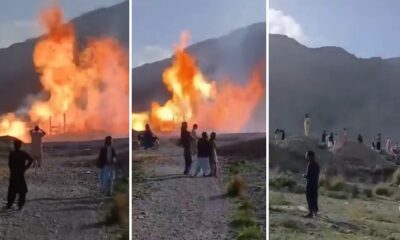
Gas pipeline blown up in southern Pakistan, says official
-
 Latest News4 days ago
Islamic Relief Worldwide urges Afghanistan–Pakistan de-escalation, calls for aid to displaced
-

 Latest News3 days ago
Afghan delegation heads to China for talks with Pakistan