
Latest News
Taliban shares draft peace plan with HCNR: Salim

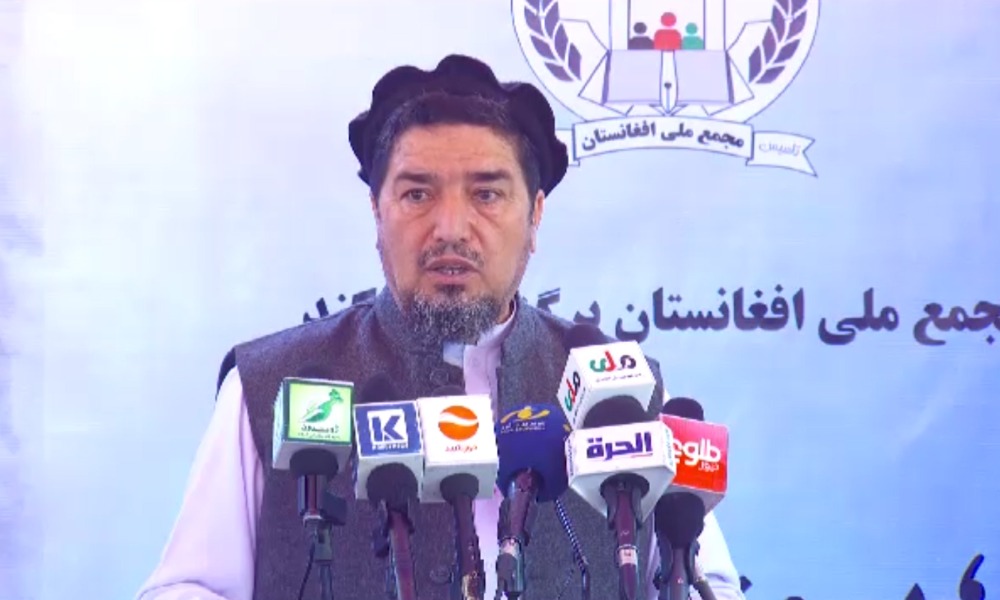
Attaullah Salim, Deputy of the High Council for the National Reconciliation (HCNR) said Wednesday that the Taliban has shared a draft of a peace plan with the council.
Addressing a ceremony marking the anniversary of the Mujahidin victory, Salim stated that he hopes the integration of the HCNR’s plan with the Taliban peace plan could lead to “a common vision for peace in Afghanistan.”
Salim, however, did provide details about the Taliban’s proposed plan.
“Let us put an end to all the adversities and hardships that have caused the destruction of our society in the past. I believe that the Taliban has also worked on plan; we have received a draft of their plan,” Salim said.
He added: “By integrating of the two plans, I hope both the people of Afghanistan, the Islamic Republic of Afghanistan, and the Taliban will reach a unified plan.”
The development comes as the Taliban refused to participate in the U.S.-backed Afghan peace conference which was scheduled for April 24 in Istanbul, Turkey. The Taliban had stated that it will not participate at any conference on Afghan peace until all foreign troops withdraw from Afghanistan.
Turkey, Qatar, and the United Nations last week announced that the planned Istanbul Conference was postponed for after the holy month of Ramadan.
Pakistan Foreign Minister Shah Mahmood Qureshi, meanwhile, said this week that the country will urge the Taliban to remain engaged and continue with the peace process.
“We will certainly try and urge them, you know we will urge them to remain engaged and continue with the peace process; the process that started in Doha should come to its logical conclusion,” Qureshi said.
“We are asking all the stakeholders to remain constructive, to remain engaged, and build on what they have achieved in Doha,” he added.
The Taliban, so far, has not commented in this regard.



Latest News
Trump blames migrants for violence in France as US midterms loom
In a post on Truth Social, he also called on France to close its borders, declaring that migrants had taken over the country, AFP reported.
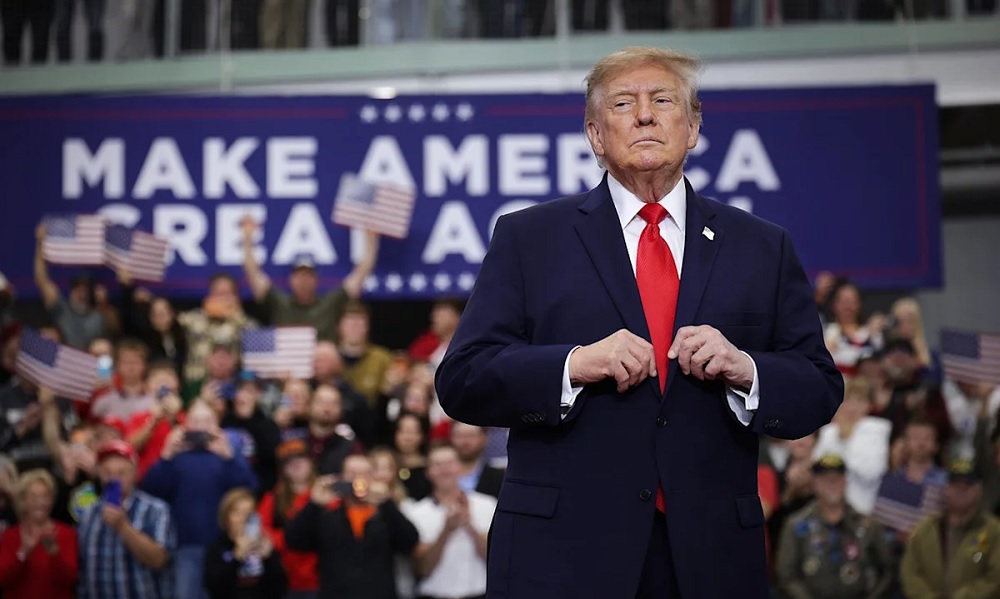
US President Donald Trump has seized on violent protests in France to promote his hardline immigration policies and rally support for Republicans ahead of the November 3 midterm elections, as opinion polls point to growing challenges for his party.
Speaking at a rally in Kansas on Monday, Trump claimed France was being “conquered, looted, and burned to the ground by migrants, jihadists, and communists”, adding that his administration would not allow similar events to unfold in the United States.
Earlier, Trump recalled warning French President Emmanuel Macron that allowing large numbers of migrants into France was a mistake, claiming Paris would soon become “a Muslim city”.
In a post on Truth Social, he also called on France to close its borders, declaring that migrants had taken over the country, AFP reported.
Protests over the rising cost of living erupted across France over the weekend, with some demonstrations escalating into looting and clashes with police.
French authorities introduced partial curfews on Monday in response to the unrest.
Trump has used the violence to reinforce arguments for the restrictive immigration policies that helped secure his return to the White House in 2024. Analysts say his comments reflect an effort to turn developments in Europe into a political campaign issue at home.
“They’re taking this French crisis and turning it into a campaign argument,” JC Lintzenich, a senior fellow at the German Marshall Fund, told AFP.
Europe becomes part of US election debate
With Democrats favoured in opinion polls ahead of the November 3 elections, Trump and his allies have intensified efforts to mobilise voters behind the Republican Party and his Make America Great Again (MAGA) movement.
Justin Vaisse, a professor of US foreign policy at Johns Hopkins University, said Europe had long featured in American political debates, particularly since the emergence of the MAGA movement.
Trump’s Vice President JD Vance also weighed in on Saturday, writing on X that Western liberals had “imported the third world into France” while neglecting questions of assimilation and cultural compatibility.
Economy remains key concern for voters
A Pew Research poll published this month found that the economy was important to 82 percent of US voters when deciding how to vote, compared with 59 percent who cited immigration and 36 percent who pointed to race-related issues.
Although Trump has pursued the immigration crackdown promised during his 2024 campaign, he has struggled to deliver on his pledge to curb inflation.
His tariff policies and the war with Iran have contributed to higher prices across the economy, while his approval rating has fallen to record lows, according to the report.
Vaisse argued that linking the unrest in France to US cultural and identity debates was unlikely to win Republicans new votes, although it could help energise Trump’s existing supporters ahead of the midterms.
Latest News
UK criticises Hegseth for downplaying NATO allies’ role in Afghanistan war
The spokesperson noted that more than 450 British military personnel had died in Afghanistan and said their service and sacrifice would never be forgotten.
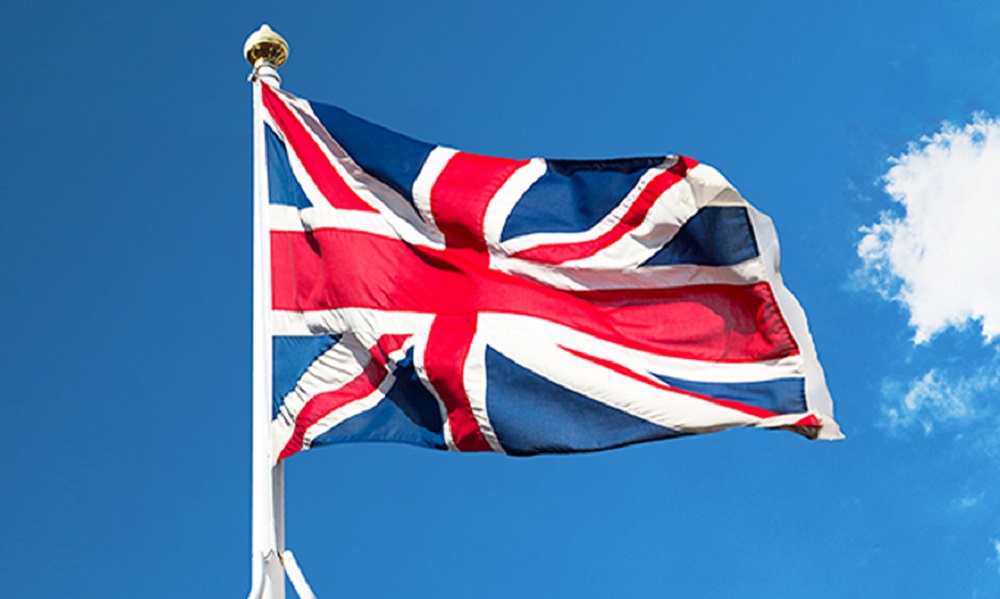
The British government has criticised US Defence Secretary Pete Hegseth for downplaying the contributions of NATO allies to combat operations in Afghanistan, saying his remarks diminish the sacrifices made by British and other allied forces.
The UK government said the contributions of the UK and NATO forces in Afghanistan were well documented, stressing that thousands of British and allied families had made significant sacrifices during the war.
“Their sacrifice and that of other NATO forces was made in the service of collective security and in response to an attack on our ally,” a spokesperson for the British prime minister said, adding that it was wrong to diminish their role.
The spokesperson noted that more than 450 British military personnel had died in Afghanistan and said their service and sacrifice would never be forgotten.
Hegseth, who served as an instructor with the Minnesota Army National Guard in Afghanistan, made the remarks in a speech on Saturday. He said that although 50 countries were represented at the NATO-led coalition headquarters in Kabul, only a small number had participated in combat operations.
He jokingly described the acronym ISAF, referring to the International Security Assistance Force, as meaning “I Saw Americans Fighting”, arguing that the mission had placed a disproportionate burden on US forces.
Nearly 2,500 US service members died during the Afghanistan war, while military personnel from more than 30 other countries also lost their lives, including 457 British troops.
The UK’s response echoed Prime Minister Keir Starmer’s criticism of US President Donald Trump in January, after Trump suggested that NATO troops had stayed away from the front lines in Afghanistan. Starmer described those remarks as “insulting and frankly appalling” and called for an apology.
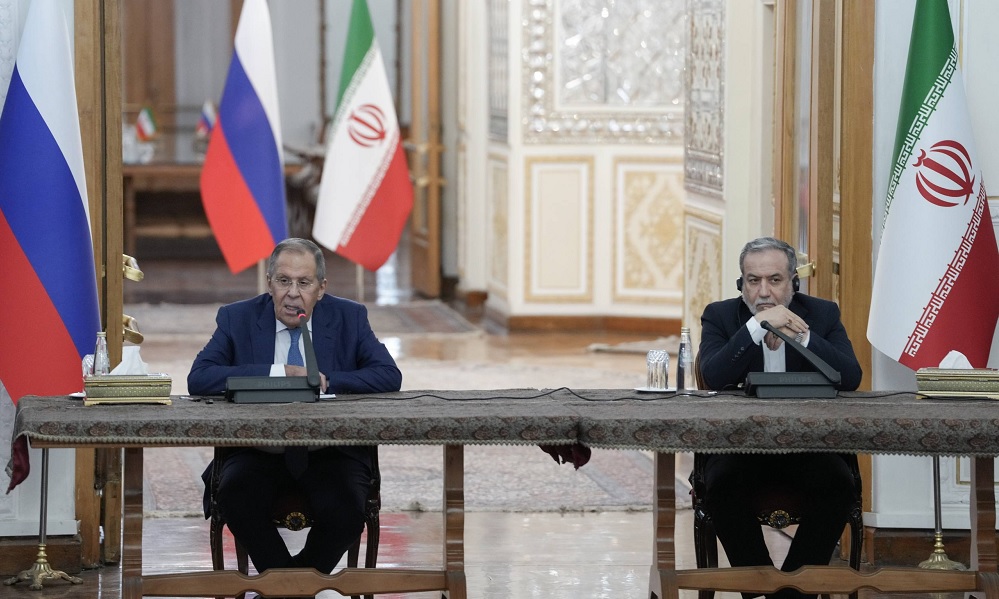
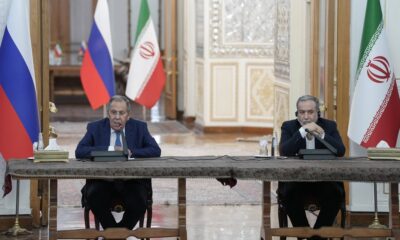
Iranian Foreign Minister Abbas Araqchi says Tehran and Moscow share a common position on Afghanistan, reducing tensions between Kabul and Islamabad, and countering terrorist threats.
Araqchi made the remarks on Monday during a joint press conference with Russian Foreign Minister Sergey Lavrov in Tehran.
Earlier, Russian Ambassador to Pakistan Albert Khorev said Moscow was working to ease tensions between Afghanistan and Pakistan.
Khorev said Afghanistan was discussed during Russian Interior Minister Vladimir Kolokoltsev’s visit to Islamabad, adding that Russia had expressed its readiness to cooperate on the issue.
He said the closure of Durand Line crossings had negatively affected Pakistan’s trade with Russia and Central Asian countries. He also identified US sanctions as an obstacle to expanding trade.
Khorev said resolving tensions between Kabul and Islamabad would benefit the entire region and expressed hope that the Durand Line crossings would reopen as soon as possible.


Trump blames migrants for violence in France as US midterms loom

UK criticises Hegseth for downplaying NATO allies’ role in Afghanistan war

Iran, Russia agree on reducing tension between Afghanistan and Pakistan: Araqchi

Atal’s century and Rashid’s four wickets seal Afghanistan’s 158-run win over Zimbabwe

EU condemns restrictions on women and girls in Afghanistan

Cricket Bonanza: Afghanistan set for packed international schedule

Silk Road highway in Wakhan corridor now reaches the China border

Afghanistan says 28 killed, 32 captured in Nuristan operation

CNN, MS NOW and Politico sue Trump, challenging White House ban

Afghanistan on climate front line as Kabul faces groundwater warning

Tahawol: US–Iran tensions escalate with mutual threats

Saar: IEA–UNAMA relations: five years under review

Iran calls for extending Herat railway to Uzbekistan border

Violent protests spread across Europe as Albanian PM blames ‘foreign hand’

Tahawol: Afghanistan’s empty seat at OIC Meeting
-
 Sport2 days ago
Afghanistan reach Brazil futsal tournament final after beating Cape Verde 4-2
-
 Latest News5 days ago
Iran says nearly 60,000 Afghan students attend its universities, urges more refugee aid
-
 Business4 days ago
Regional partners seek progress on Trans-Afghan corridor and CASA railway
-
 Latest News4 days ago
Nearly 19.2 million Afghans face winter hunger as child malnutrition set to surge, UN agencies warn
-
 World4 days ago
Trump says he is talking to Russia and China about denuclearization
-
 Regional3 days ago
Trump says US may strike Iran’s ‘Pickaxe Mountain’ nuclear facility
-
 Latest News3 days ago
Afghanistan’s hunger crisis deepens as 16 million face food insecurity ahead of winter
-

 Sport4 days ago
Afghanistan Champions League: Abu Muslim Farah beat Sarsabz Yashlar 3-1