
Latest News
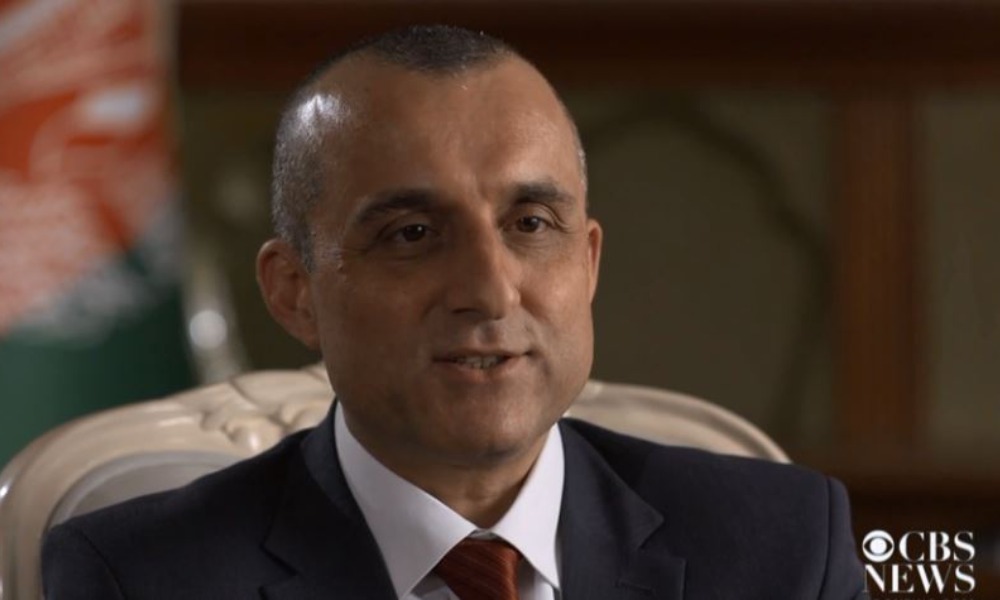
Saleh accuses US of legitimizing Taliban which he says are ‘terrorists’





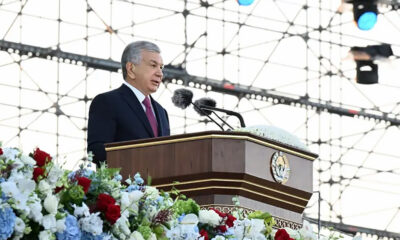


Members of the European Parliament’s Subcommittee on Human Rights are set to discuss the return of Afghan refugees and asylum seekers from the EU to Afghanistan in Brussels on Thursday.
The meeting follows recent talks between European Commission officials and representatives appointed by the Islamic Emirate.
European lawmakers will examine the return of Afghan refugees and asylum seekers in light of the human rights situation in Afghanistan.
According to a European Parliament statement, the meeting will also assess the potential implications of returning Afghan migrants to the country.
Human rights organizations have urged that any decision on returns comply with human rights principles, including the principle of non-refoulement, which prohibits returning people to places where they may face serious risks.
The planned discussion has raised concerns among some Afghan migrants in Europe over the possibility of deportation and forced return to Afghanistan.
The Islamic Emirate has previously said it welcomes the voluntary return of Afghan migrants and considers Afghanistan safe for the return of its citizens.
EU statistics show that nearly one million Afghans applied for asylum in European countries between 2013 and 2024, with around half of those applications accepted.
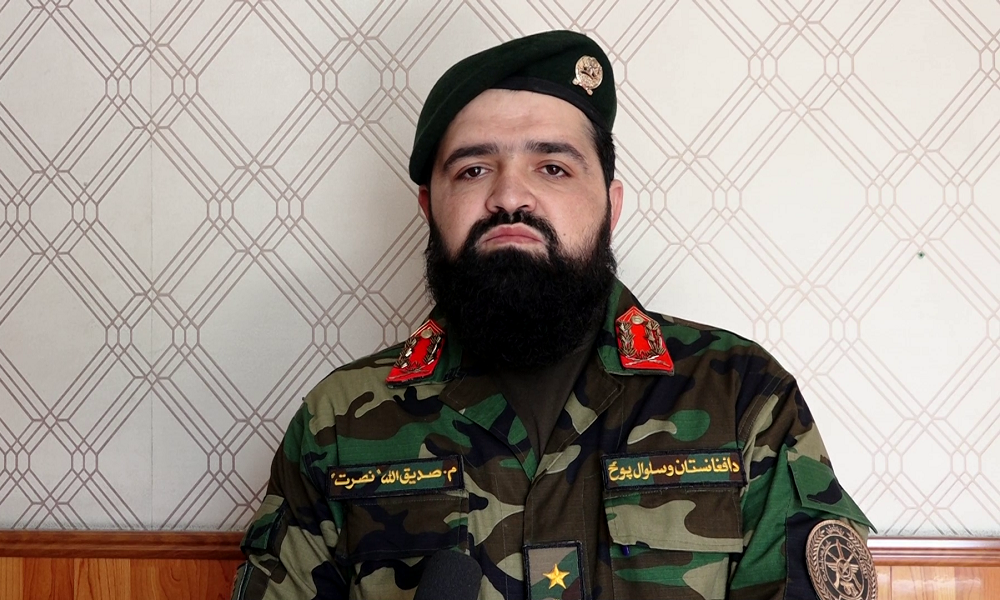
The Ministry of Defense says no threat to other countries emanates from Afghan soil, stressing that Islamic Emirate forces are systematically guarding the country’s borders.
The ministry says it will not allow Afghan territory to be used by groups or individuals seeking to threaten other countries.
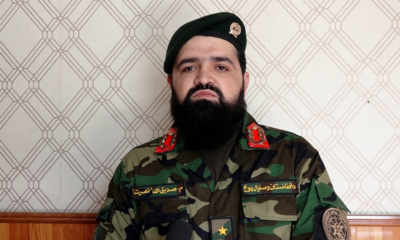
Sediqullah Nusrat, a spokesperson for the Ministry of Defense, said an independent government is now in power in Afghanistan and that no group or individual inside the country poses a threat to other countries.
“The policy of the Islamic Emirate is clear: there is an independent government in Afghanistan. There is no group in Afghanistan that poses a threat to other countries, and the Islamic Emirate will never allow such individuals to operate in the country,” he said.
Nusrat added that Islamic Emirate forces are systematically deployed along the borders and will not allow any individual or group to create insecurity or carry out destructive activities.
“We assure Afghans and the countries of the region that border forces are systematically performing their duties along the borders, and there is no need for concern,” he said.
The remarks come as some regional countries and the Collective Security Treaty Organization have periodically raised concerns over security along Afghanistan’s borders. The Islamic Emirate’s leadership has previously dismissed such concerns as baseless.
Latest News
Mujahid: Afghanistan ‘undoubtedly’ better off without US presence
Referring to the collapse of the previous government and the US withdrawal in August 2021, Mujahid said Kabul wants to establish normal diplomatic relations with Washington.
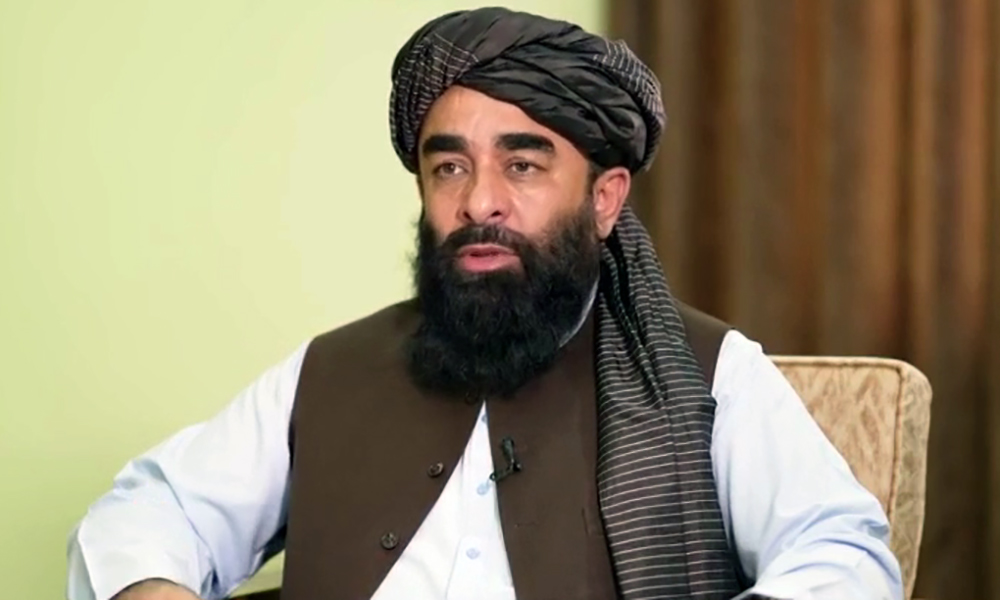
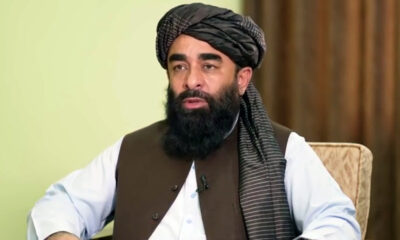
Zabihullah Mujahid, spokesman for the Islamic Emirate, has said Afghanistan is “undoubtedly” better off five years after the withdrawal of US forces, while acknowledging that the country continues to face significant challenges.
Speaking to RT India journalist Runjhun Sharma, Mujahid said the departure of foreign forces had restored Afghanistan’s independence and placed responsibility for rebuilding the country on Afghans themselves.
Referring to the collapse of the previous government and the US withdrawal in August 2021, Mujahid said Kabul wants to establish normal diplomatic relations with Washington, including the reopening of the US Embassy in Afghanistan and the establishment of an Afghan diplomatic mission in the United States.
He also called for the lifting of sanctions against Afghanistan and the release of the country’s frozen assets, arguing that such measures could contribute to improved relations between Kabul and Western countries.
Mujahid described Russia as an important regional partner and said the Islamic Emirate is seeking to expand cooperation with Moscow in areas including trade, reconstruction, fuel and energy.
The Islamic Emirate spokesman also said Kabul would not alter its domestic policies in exchange for international recognition.
Addressing restrictions on women and girls, Mujahid said Afghanistan has its own religious beliefs, national interests and laws, which he argued should be respected.


Tahawol: Islamic Emirate seeks to normalize US ties

Saar: Discussion on ensuring Afghanistan’s border security

European Parliament to discuss return of Afghan asylum seekers

Afghan soil poses no threat to other countries: Defense Ministry

Mujahid: Afghanistan ‘undoubtedly’ better off without US presence

Pakistan’s governance system has ‘collapsed’: Mohsin Naqvi

AFC confirms clubs for 2026/27 competitions; draw set for August 18

Only two days to go before Afghanistan and Ireland begin ODI series

Four mediators struggle to secure lasting Pakistan-Afghanistan ceasefire

Heavy monsoon rains claim lives across India as flooding and landslides continue
Tahawol: Islamic Emirate seeks to normalize US ties
Saar: Discussion on ensuring Afghanistan’s border security

Tawsia: Afghanistan’s efforts to boost production and exports disucssed

Tahawol: Fifth anniversary of America’s defeat in Afghanistan discussed

Saar: Ongoing expulsion of Afghans from Iran and Pakistan discussed
-
 Latest News3 days ago
Pakistan open to state-to-state dialogue with Afghanistan on terrorism
-

 Latest News5 days ago
First deportation flight to Haiti arrives as US ends temporary protected status
-

 International Sports5 days ago
Watford face Peterborough in EFL Cup; ATN to bring live action to Afghan fans
-
 Latest News5 days ago
IEA announces new appointments in Badakhshan, Sar-e-Pul and Kandahar
-

 Latest News4 days ago
Germany deports 30 Afghan refugees to Kabul
-

 World5 days ago
Israel’s Netanyahu says Iran tried to kill one of his sons
-
 Regional5 days ago
Pakistan’s Munir spoke to Trump ahead of Tehran visit, sources say
-
 Climate Change4 days ago
China evacuates thousands as Typhoon Narra brings torrential rain