
Latest News
UN’s Lemarquis highlights drought and climate challenges facing Bamyan

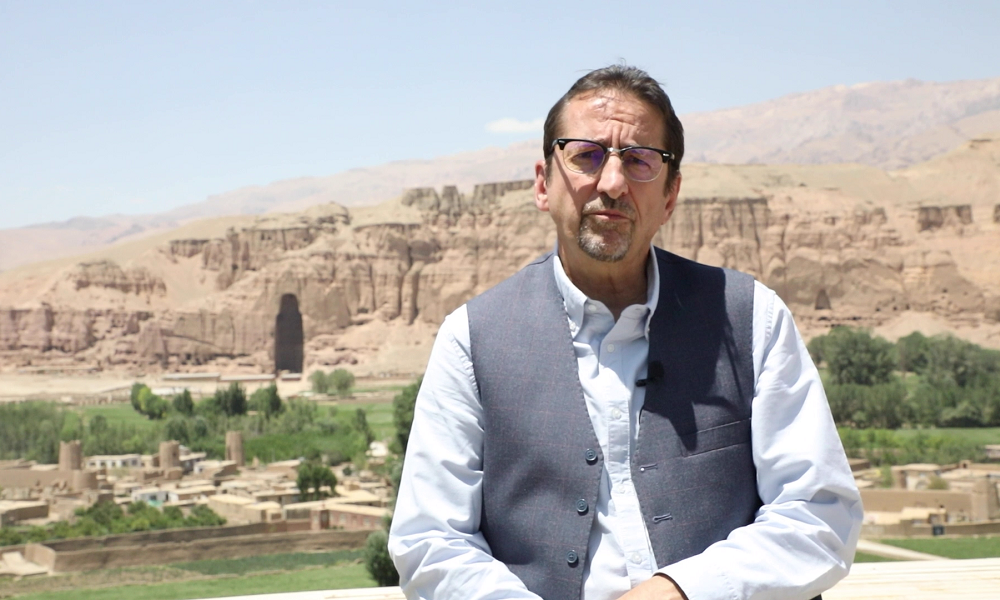
The United Nations’ top humanitarian official in Afghanistan has warned that prolonged drought and the effects of climate change are placing increasing pressure on communities in Bamyan province, while calling for greater international support to address the region’s growing needs.
During a visit to Bamyan, Bruno Lemarquis, the Deputy Special Representative of the UN Secretary-General, Resident Coordinator and Humanitarian Coordinator for Afghanistan, praised the resilience of the province’s residents but said they continue to face significant humanitarian and development challenges.
Lemarquis said effective water resource management remains one of Bamyan’s most pressing priorities as recurring drought and changing climate patterns continue to affect livelihoods, agriculture and access to clean water.
He also identified access to education for both girls and boys, healthcare services, and support for Afghans returning from Pakistan and Iran as key issues requiring sustained attention.
In addition, Lemarquis said Bamyan’s infrastructure remains underdeveloped and is insufficient to meet the needs of the province’s growing population. He stressed that improvements to roads, public services and essential facilities are critical to supporting long-term development.
Bamyan, one of Afghanistan’s central highland provinces, has been among the areas hardest hit by years of drought, with many rural communities relying on agriculture and livestock that have been affected by declining water supplies and changing weather patterns.
Lemarquis urged the international community not to lose sight of Afghanistan’s humanitarian and development needs, saying continued international assistance is essential to implement long-term development projects in Bamyan and across the country while helping vulnerable communities adapt to the impacts of climate change.


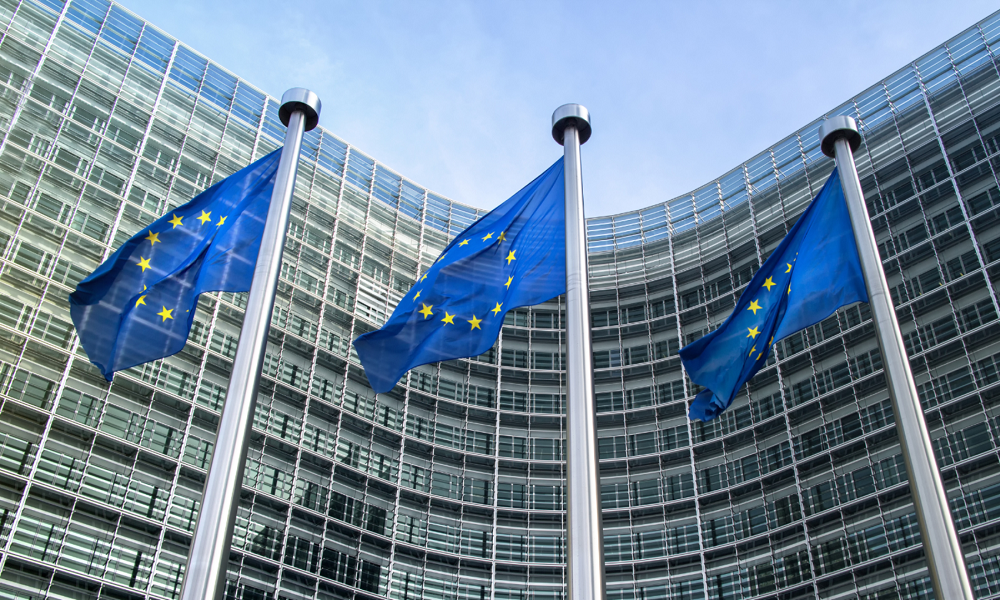
The European Union’s Special Envoy for Afghanistan, Thomas Frellesen, has described restrictions on women and girls as a major obstacle to normalising relations between the EU and the Islamic Emirate of Afghanistan (IEA), following a three-day visit to Kabul.
According to an EU statement issued Thursday, Frellesen visited Kabul from October 12 to 14, holding discussions with senior IEA officials, diplomats, regional partners, representatives of the United Nations and the Organisation of Islamic Cooperation (OIC), and members of Afghan civil society.
During the visit, he expressed serious concern over restrictions on women and girls, saying they remained a significant barrier to closer relations between the EU and the IEA. In a meeting with Afghan women’s civil society representatives, he also heard about the impact of the restrictions and women’s resilience in the face of these challenges.
On security, Frellesen acknowledged that conditions in Afghanistan had generally improved but warned about the continued presence and cross-border activities of terrorist groups, including Islamic State Khorasan Province (ISKP). He stressed that the IEA must ensure Afghan territory is not used to threaten other countries.
The EU envoy also recognised the IEA’s counter-narcotics efforts but raised concern over a renewed increase in poppy cultivation. He called for sustainable alternative livelihoods for farmers affected by the ban on opium cultivation, noting that the EU was supporting such initiatives.
Frellesen urged Afghanistan and Pakistan to resume dialogue to address their security concerns, emphasising the need to de-escalate tensions and protect civilians and civilian infrastructure. The EU also welcomed regional and international mediation efforts, the OIC’s role in promoting stability, and initiatives aimed at strengthening regional connectivity.
Reaffirming the EU’s support for the UN-led Doha Process, Frellesen said coordinated international engagement and constructive participation by the IEA were essential to Afghanistan’s reintegration into the international community. He also stressed the importance of inclusive governance and compliance with international obligations.
The discussions further covered continued EU assistance in healthcare, education, resilience and livelihoods, including support for Afghans returning from Iran and Pakistan. Frellesen emphasised that returns should be safe, dignified and orderly, and called for greater attention to climate-related projects.
He also highlighted the importance of a resilient private sector and the preservation of Afghanistan’s cultural heritage.
The EU said its engagement with Afghanistan would remain principled and pragmatic, with a focus on addressing the needs of the Afghan people.
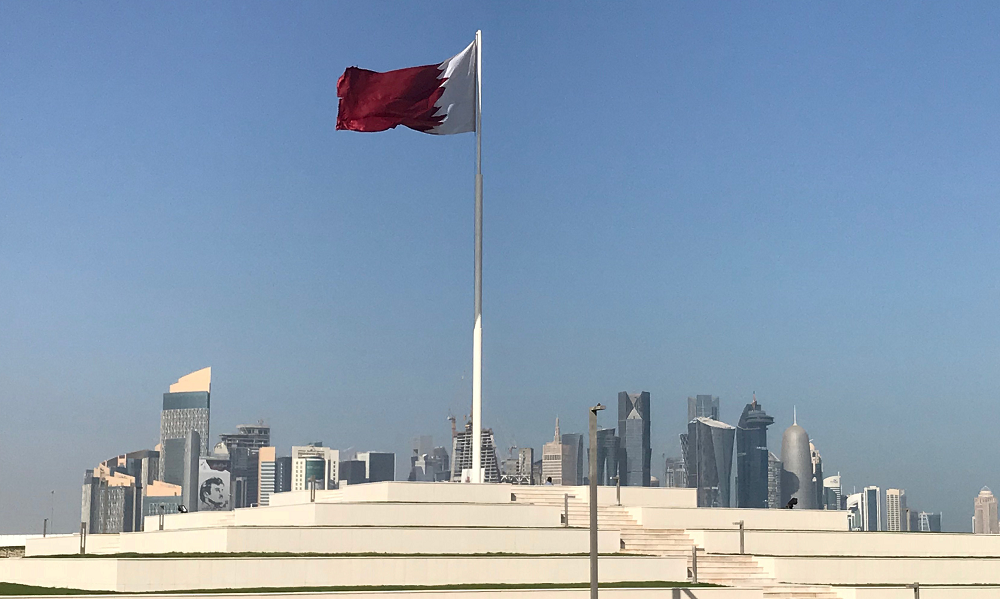
Qatar has called for stronger international solidarity, increased humanitarian and development assistance, and continued constructive dialogue on Afghanistan amid the return of large numbers of Afghans from neighboring countries.
The call was made by Qatar’s Permanent Mission to the United Nations Office in Geneva during a high-level dialogue on Afghan refugees and returnees on October 14, held on the sidelines of the 77th session of the Executive Committee of the UN refugee agency (UNHCR).
During the meeting, Qatar’s mission highlighted the humanitarian, economic and development challenges facing Afghanistan and stressed the need for greater international coordination to address the needs of returning Afghans.
Qatar also reaffirmed its commitment to the Afghan Refugee Solutions Strategy and its Support Platform, noting that it chairs the platform’s first Core Group. The mission emphasized the importance of increasing international support for countries and communities that have hosted Afghan refugees for decades.
It further stressed that Afghan returnees need access to essential services, shelter, education and livelihood opportunities to support their sustainable reintegration.
The Qatari mission said the country continues to support various sectors in Afghanistan through its humanitarian and development institutions, particularly education, healthcare and livelihoods.
Qatar also highlighted its efforts to facilitate international dialogue on Afghanistan, including by hosting meetings of special envoys and working groups under UN auspices, aimed at improving coordination, supporting stability and facilitating Afghanistan’s reintegration into the international community.
The mission called for fairer burden-sharing, better coordination of humanitarian and development assistance, and stronger regional and international cooperation to find lasting solutions for Afghan refugees and internally displaced people.
It reaffirmed Qatar’s readiness to continue working with UNHCR and other partners to help ensure that Afghans can live with dignity, peace and stability.
Latest News
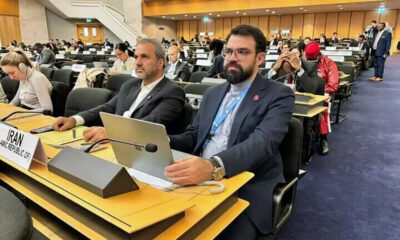
Iran says nearly 60,000 Afghan students attend its universities, urges more refugee aid
Iran has hosted millions of Afghan refugees and migrants, with access to education, healthcare and other essential services remaining key concerns for Afghan communities.
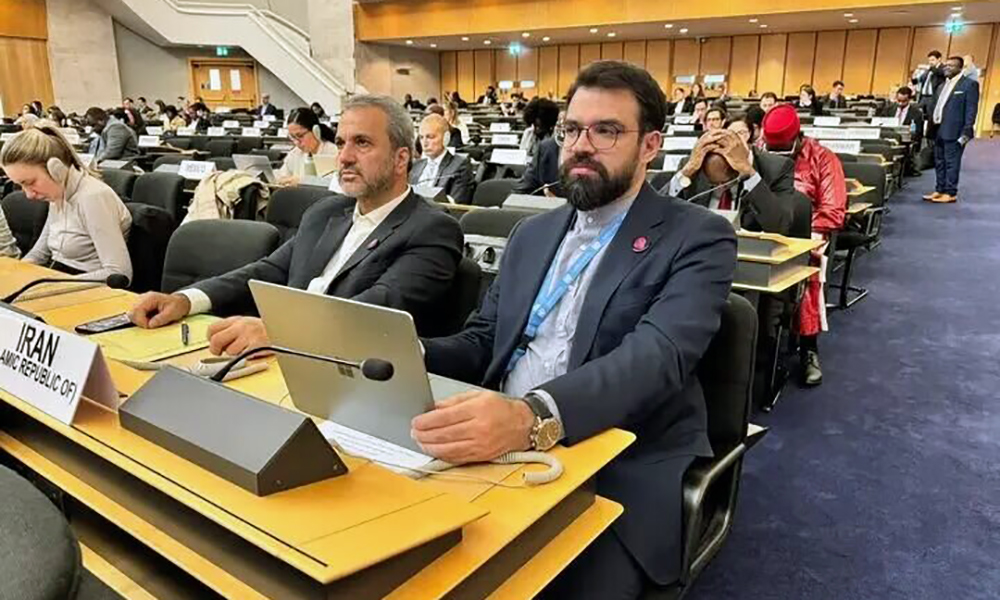
Nearly 60,000 Afghan students are enrolled at Iranian universities and scientific institutions, an Iranian official said, calling for increased international assistance to countries hosting refugees.
Nader Yar-Ahmadi, head of Iran’s Bureau for Aliens and Foreign Immigrants Affairs, gave the figures during the 77th annual session of the UN refugee agency’s Executive Committee in Geneva.
He said 59,658 Afghan students were studying at Iranian institutions, while many others had graduated. Yar-Ahmadi added that Iran continued providing education and healthcare to refugees despite international sanctions and economic pressures.
Iran Calls for More Funding
Yar-Ahmadi said international support for refugee-hosting countries remained inadequate and urged the global community to share responsibility more fairly.
He said annual funding requirements for UNHCR operations in Iran had been estimated at around $140 million in recent years, but less than 10% of the required amount was funded in 2025.
UN High Commissioner for Refugees Barham Salih thanked Iran for hosting refugees over several decades.
Iran has hosted millions of Afghan refugees and migrants, with access to education, healthcare and other essential services remaining key concerns for Afghan communities.
The remarks renew calls for greater international burden-sharing as countries hosting displaced populations face mounting economic and social pressures.


Saar: Review of state officials’ visits to Kabul over past month discussed

EU envoy says restrictions on women and girls an obstacle to normalizing ties with IEA

Qatar calls for more international aid for Afghan refugees and returnees

Iran says nearly 60,000 Afghan students attend its universities, urges more refugee aid

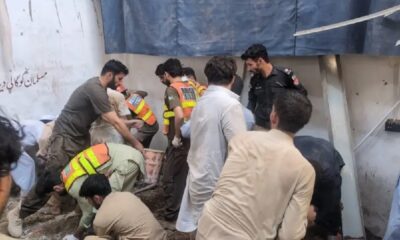
School roof collapse kills teacher, 21 children in NW Pakistan

Cricket Bonanza: Afghanistan set for packed international schedule

UN warns of mounting humanitarian and human rights pressures in Afghanistan

Afghanistan says 28 killed, 32 captured in Nuristan operation

CNN, MS NOW and Politico sue Trump, challenging White House ban

Silk Road highway in Wakhan corridor now reaches the China border
Saar: Review of state officials’ visits to Kabul over past month discussed

Tahawol: Kyrgyzstan’s rejection of Afghan refugees discussed

Saar: Central Asia’s trade alternative to Pakistan discussed

Tahawol: Warnings over worsening insecurity in Pakistan discussed

Saar: Concerns over potential return of US military bases to Afghanistan discussed
-
 Regional4 days ago
Houthis warn airlines to avoid Saudi airports after deadly Riyadh attack
-

 World3 days ago
One dead in new attack on Saudi airport, a day after Houthi strike kills 13
-
 Sport4 days ago
Afghanistan Champions League second half to kick off on October 16
-

 World4 days ago
14 killed in two separate mass shootings across the United States
-
 Regional3 days ago
Pakistan deploys military to Peshawar after emergency rule declared
-
 Business4 days ago
Afghanistan signs nearly $400 million in regional trade and investment deals
-

 Sport4 days ago
Bangladesh take 329-run lead against Afghanistan in one-off Test
-
 Latest News4 days ago
Afghan education advocate establishes $2.5 million Oxford scholarship fund for women