
Latest News
UN chief says 18 million Afghans need humanitarian assistance to survive

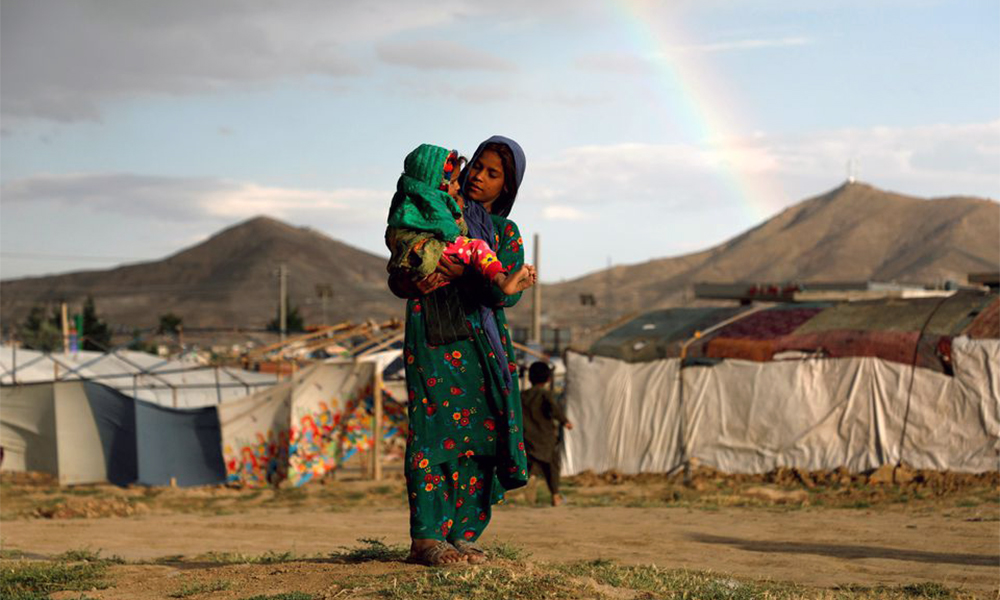
United Nations Secretary-General António Guterres on Tuesday warned of a looming “humanitarian catastrophe” in Afghanistan, calling on member countries to contribute aid to support Afghans in need.
Guterres said Tuesday that currently, “almost half of the population of Afghanistan — 18 million people — need humanitarian assistance to survive.”
The UN head said in a statement that Afghans face a “deepening humanitarian and economic crisis in the country” following the Taliban’s consolidation of power and as they conduct negotiations on the formation of a new government.
Concerns of access to aid have grown with the official departure of the U.S. military and other allied forces from Afghanistan, as well as fleeing aid workers.
“One in three Afghans do not know where their next meal will come from,” he continued. “More than half of all children under five are expected to become acutely malnourished in the next year. People are losing access to basic goods and services every day.”
“Now more than ever, Afghan children, women and men need the support and solidarity of the international community,” Guterres argued, adding that the “humanitarian system’s commitment to stay and deliver will not waver.”
The UN head noted that in the past year, the international organization had delivered aid to 8 million people, with food and relief packages brought to thousands of displaced families in the past two weeks.
However, Guterres said that “amid a severe drought and with harsh winter conditions on the horizon, extra food, shelter and health supplies must be urgently fast-tracked into the country.”
“I call on all parties to facilitate safe and unimpeded humanitarian access for life-saving and life-sustaining supplies, as well as for all humanitarian workers — men and women,” he said, adding that he planned to release next week more detailed recommendations on how to meet the immediate needs of Afghans.
“I urge all Member States to dig deep for the people of Afghanistan in their darkest hour of need,” he continued. “I urge them to provide timely, flexible and comprehensive funding. I urge them to help ensure humanitarian workers have the funding, access, and legal safeguards they need to stay and deliver.”
On Monday, the UN Security Council passed a resolution calling on the Taliban to not impose obstacles to the delivery of humanitarian assistance to the country.
It also urged the Taliban to allow for the safe passage of foreigners and Afghan civilians still hoping to leave the country, and also prevent terrorist groups from using Afghanistan as a safe haven.


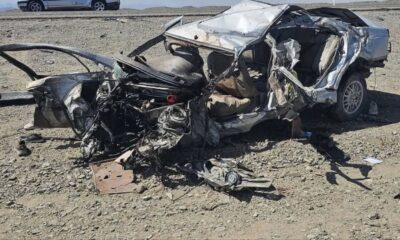




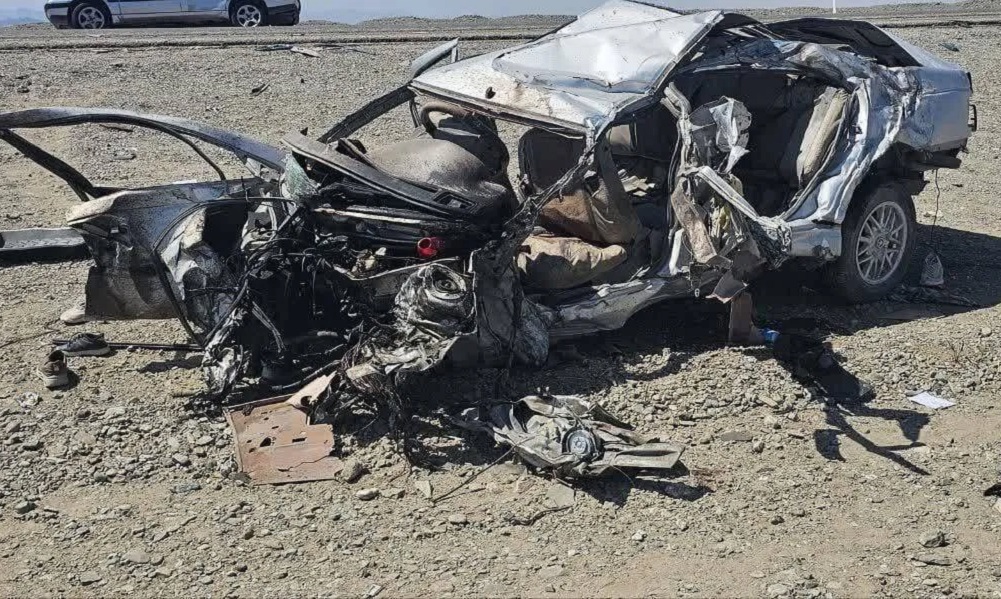
Seven Afghan migrants have been killed after a vehicle carrying Afghan migrants collided with a fuel-carrying vehicle in Iran’s Sistan and Baluchestan province.
According to the human rights organization HalVash, the accident occurred on Friday in the Sarbaz area of Sistan and Baluchestan.
Siyavash Mohbi, the head of Iran’s traffic police in Sistan and Baluchestan, said the Afghan nationals had entered Iran illegally.
He added that nine other people were injured in the incident.
Mohbi attributed the accident to the negligence of the driver of the vehicle carrying the migrants.
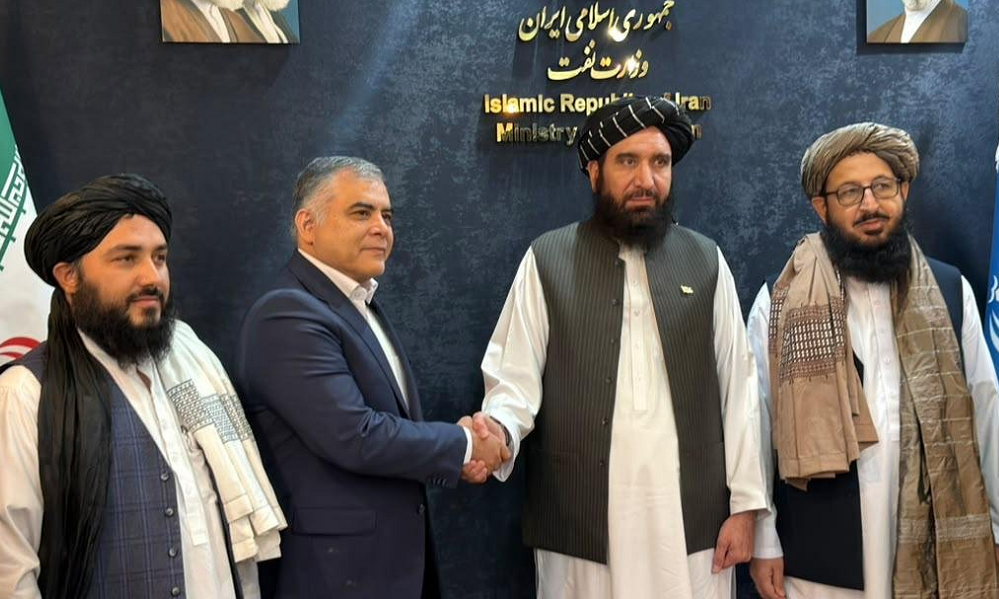
Ahmad Jan Bilal, General Director of State-Owned Corporations, met with Iran’s Oil Minister Mohsen Paknejad during a visit to Iran to discuss expanding cooperation in the oil and gas sector.
Bilal, accompanied by Mohammad Nasir Rahimi, chief executive of the Afghan state-owned Oil and Gas Corporation, held talks with the Iranian minister on supplying Afghanistan with its oil and gas needs, technical and vocational training, and joint cooperation in oil and gas exploration.
Bilal and his delegation also visited the Iranian Oil Ministry’s research center and oil refineries in Tehran, where they reviewed the facilities’ technical and professional activities and capabilities.
The Iranian side expressed readiness for comprehensive cooperation, necessary coordination and implementation of joint projects in the areas discussed.
At the end of the meeting, both sides introduced joint technical teams tasked with coordinating and following up on the necessary measures to implement the agreed areas of cooperation.


Asian Games open in Japan as Afghanistan sends 34 athletes

Seven Afghan migrants killed in traffic accident in Iran’s Sistan and Baluchestan

OIC to hold Afghanistan Contact Group meeting on sidelines of UN General Assembly

Flames, smoke seen near Riyadh airport; Houthis claim attacks on Saudi capital

Tahawol: Kabul’s warning over any threat from Pakistan discussed

Four mediators struggle to secure lasting Pakistan-Afghanistan ceasefire

Syria and Saudi Arabia condemn Kabul bombing, express solidarity with Afghanistan

Afghanistan’s trade diversification challenges Pakistan

Saudi energy group signs major Afghanistan deals covering gas exploration and pipeline plans

ATN secures exclusive rights to broadcast T20I series in India across Afghanistan
Tahawol: Kabul’s warning over any threat from Pakistan discussed

Debate on Afghanistan and New Investment Opportunities

Tahawol: Reasons behind Qatari, Turkish security officials’ Kabul visit discussed

Saar: Outcome of UN Security Council meeting on Afghanistan discussed

Tahawol: Afghanistan’s readiness for US relations discussed
-
 Latest News4 days ago
UN warns of mounting humanitarian and human rights pressures in Afghanistan
-

 Regional4 days ago
Saudi Arabia calls alleged Mecca attack a ‘red line’ as Houthis deny involvement
-
 Latest News5 days ago
Petition filed in Islamabad High Court against PMDC directive affecting Afghan students
-
 Latest News4 days ago
Five Years On: IEA touts economic growth despite international isolation
-

 Sport4 days ago
India take 2-0 lead in 3-match series against Afghanistan
-

 Sport5 days ago
Nabi reaches 2,500 T20I runs
-
 Latest News5 days ago
Afghanistan, India explore cooperation on medical supplies, food and drug quality
-
 Latest News5 days ago
At least 17 Afghan migrants reportedly die of thirst near Iran border