
Latest News
Clashes break out between Taliban and resistance movement


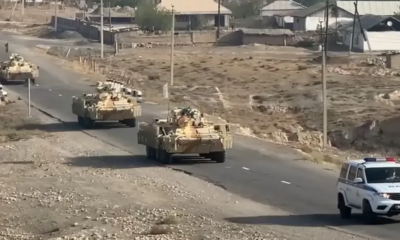
Clashes erupted between the Taliban and the resistance movement on Thursday in Gulbahar, the entrance gate of Panjshir province, and both sides used heavy and light weapons.
Both sides accused each other of initiating the clash.
The resistance movement said the Taliban started the clashes.
“The enemy attacked Panjshir province form Andarab route twice and suffered heavy casualties,” said Fahim Dashti, a spokesman for the resistance movement.
Taliban, meanwhile, stated that resistance movement forces attacked them first and finally suffered heavy casualties.
“The Mujahideen of Islamic Emirate faced attacks from resistance forces and responded forcefully,” said Inhamullah Samanagani, a member of the Taliban’s cultural commission.
People urged both sides to find a political settlement and avoid further conflict.
On the other hand, some politicians in Kabul called on the Taliban and the resistance movement in Panjshir to restart negotiations and solve the problems through talks, in order to put an end to the war.



Latest News
Qatar calls for shift from humanitarian aid to economic recovery in Afghanistan
She also said Afghanistan’s future should be shaped through a comprehensive political process led by Afghans themselves, with respect for the country’s sovereignty, independence and territorial integrity.
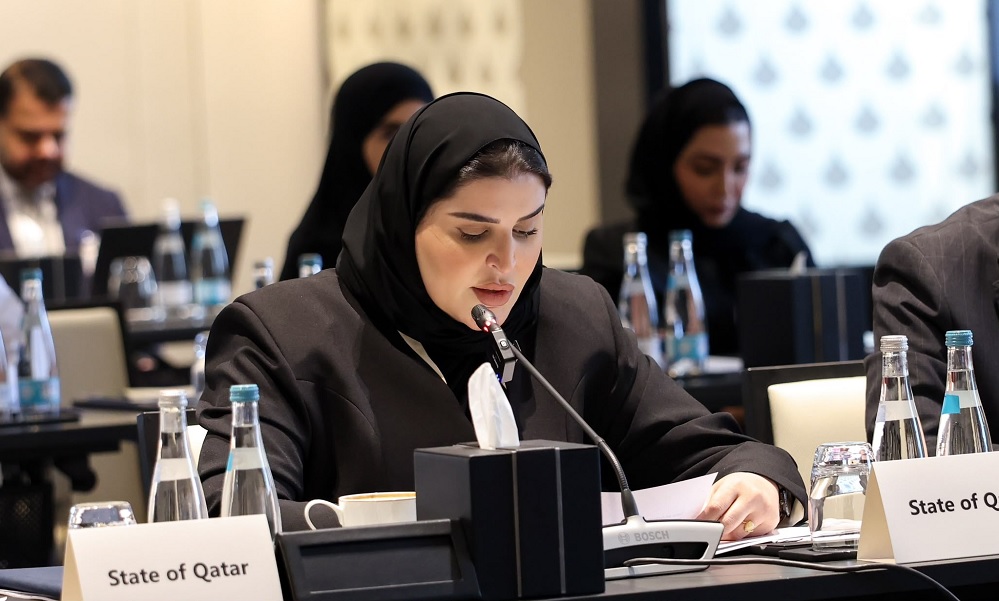
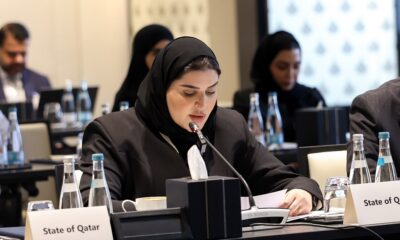
Qatar has called for a shift from emergency humanitarian assistance toward economic recovery and private-sector development in Afghanistan, stressing the need for sustained international engagement to build a more stable future for the country.
Qatar’s Minister of State for International Cooperation, Maryam bint Ali bin Nasser Al Misnad, made the remarks Tuesday at the Afghanistan Coordination Group meeting in Doha.
Al Misnad said Qatar has provided and pledged nearly $150 million over the past decade for humanitarian and development projects in Afghanistan, particularly in health care, education and emergency response.
She warned that severe humanitarian needs and economic difficulties continue to affect Afghan families, while the return and displacement of people are placing additional pressure on public services and livelihoods. She said urgent needs remain in food security, health care, nutrition, education and access to water.
The minister stressed that assistance must be delivered transparently, with accountability and in line with humanitarian principles, with particular attention to vulnerable groups, including women and young people.
She also said Afghanistan’s future should be shaped through a comprehensive political process led by Afghans themselves, with respect for the country’s sovereignty, independence and territorial integrity.
Al Misnad highlighted Qatar’s role in facilitating dialogue on Afghanistan since the launch of the Doha peace process in 2013, as well as its support for initiatives such as the Solutions Strategy for Afghan Refugees and the Afghanistan Humanitarian Fund.
She said the UN-led Doha Process provides a platform for political engagement and practical cooperation, highlighting counter-narcotics and private-sector development as areas where international efforts could deliver tangible results.
Al Misnad urged participants to maintain Afghanistan’s place on the international agenda, establish clear priorities and renew their commitments to the Afghan people, emphasizing that technical cooperation should complement broader political efforts.
Latest News
UN warns 19.2 million Afghans could face acute food insecurity this winter
Cherevko also warned that more than four million children aged six months to five years are projected to need treatment for acute malnutrition next year, including more than one million expected to suffer from severe acute malnutrition.
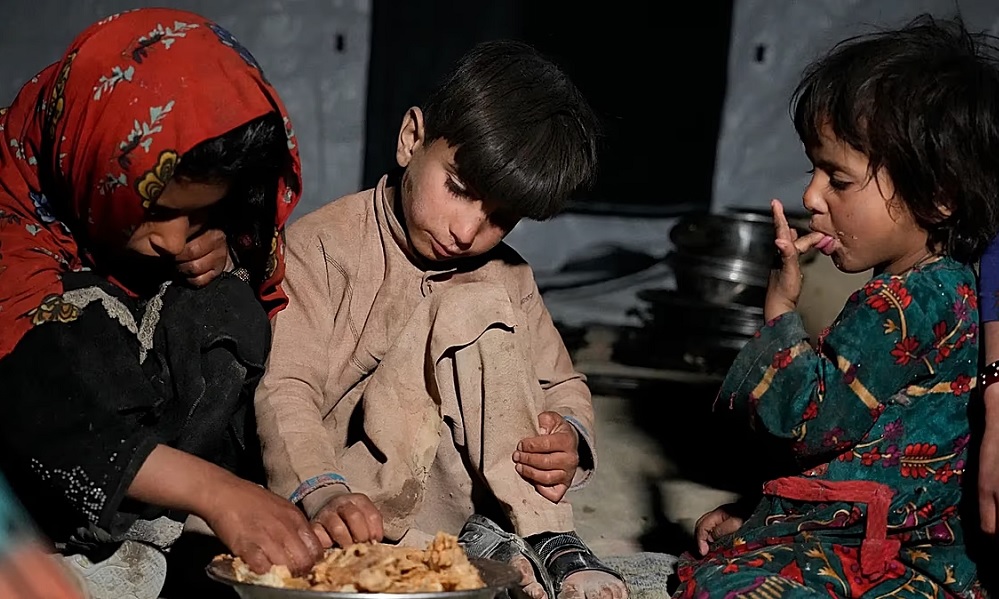
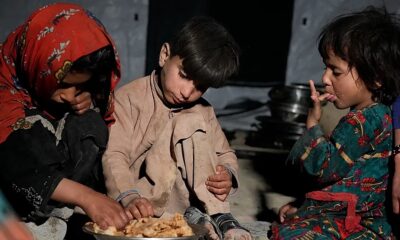
The United Nations has warned that 19.2 million people in Afghanistan could face acute food insecurity during the winter lean season from November 2026 to April 2027, including five million people expected to experience emergency levels of hunger.
Olga Cherevko, a UN humanitarian spokesperson in Afghanistan, presented the figures during a press briefing in Geneva on October 20, citing the latest Integrated Food Security Phase Classification (IPC) analysis.
She said 15.9 million Afghans, nearly one in three people in the country, faced acute food insecurity at crisis level or worse between September and October, including 3.4 million in emergency conditions.
Cherevko also warned that more than four million children aged six months to five years are projected to need treatment for acute malnutrition next year, including more than one million expected to suffer from severe acute malnutrition.
According to the UN official, around one-third of nutrition sites across Afghanistan have closed or suspended services, largely because of funding cuts, raising concerns about the consequences for vulnerable children.
Cherevko said that although improved rainfall and agricultural production have supported this year’s harvest, food remains unaffordable or inaccessible for millions of people. She noted that years of drought, economic hardship and conflict have weakened families’ ability to cope with further shocks.
She stressed that humanitarian assistance remains essential but cannot indefinitely compensate for the lack of economic opportunities and basic public services. She called for sustained investment in agriculture, rural livelihoods, local markets, employment, water systems, and health and nutrition services.
The UN official also highlighted the impact of restrictions on women and girls, warning that excluding them from education and employment undermines household incomes, public services and Afghanistan’s long-term recovery.
She cited UNICEF estimates indicating that, if the restrictions continue, Afghanistan could lose up to 20,000 women teachers and more than 5,000 female health workers by 2030.
Cherevko urged humanitarian organisations and other stakeholders to act before winter, including by delivering food assistance, protecting livestock and other productive assets, supporting farmers ahead of the planting season, and maintaining access to essential health, nutrition and water services.
She said that while humanitarian aid saves lives in the immediate term, sustained and inclusive investment in livelihoods, public services and economic opportunities is essential to help Afghan families become less dependent on emergency assistance.
Latest News
Russian troops arrive in Uzbekistan for joint military exercises
The Hamkorlik-2026 exercises will run from October 20 to 27 at the Termez training ground in Surkhandarya province, near Uzbekistan’s border with Afghanistan.
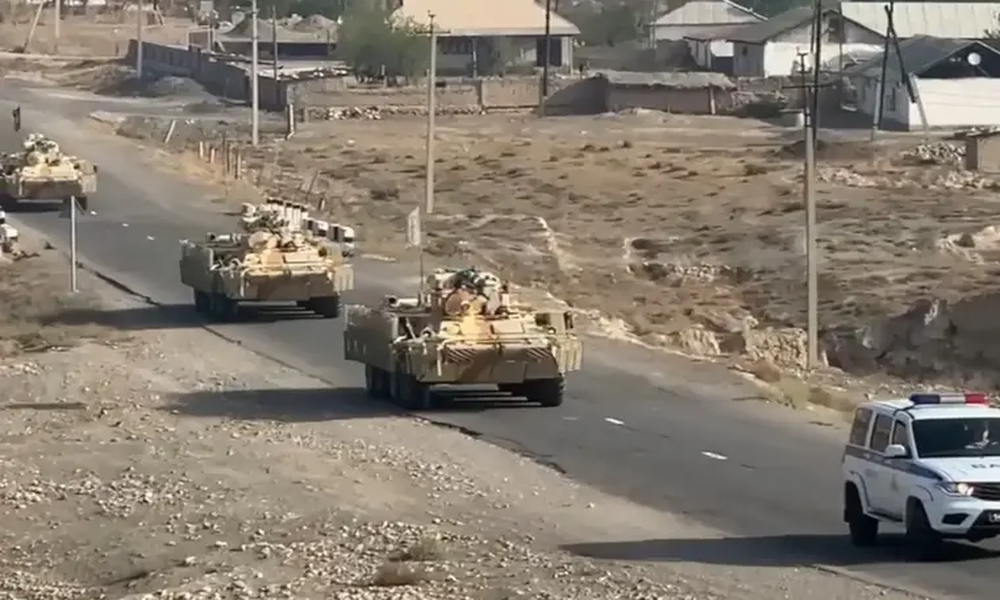
Russian troops have arrived in southern Uzbekistan to take part in joint military exercises with Uzbek forces, with the drills focusing on operations against armed groups in border areas.
The Hamkorlik-2026 exercises will run from October 20 to 27 at the Termez training ground in Surkhandarya province, near Uzbekistan’s border with Afghanistan, according to reports citing Russia’s Central Military District.
The Russian contingent comes from the 201st Guards Military Base, which is stationed in neighbouring Tajikistan, Tajikistan Times reported. The troops travelled more than 300 kilometres through mountainous areas of Tajikistan and Uzbekistan in military and specialised vehicles before reaching the training ground.
The convoy included BTR-82A armoured personnel carriers, Ural trucks and specialised vehicles based on KamAZ chassis, according to local media reports. Upon arrival, the Russian servicemen began preparing their equipment for the exercises.
During the drills, Russian and Uzbek forces will practise coordinating operations to detect and neutralise small groups belonging to a simulated illegal armed formation operating in border areas, Uz Daily reported.
The exercises will involve mountain and assault units, reconnaissance and strike drones, ground-based robotic systems and Mi-24 attack helicopters.
The manoeuvres come amid continued military cooperation between Russia and Central Asian countries, where concerns include security and stability in neighbouring Afghanistan.
Russia and Uzbekistan held Hamkorlik joint exercises in 2025. Their defence ministries also agreed on a military cooperation plan for 2026–2030, according to the Tashkent Times.


Qatar calls for shift from humanitarian aid to economic recovery in Afghanistan

UN warns 19.2 million Afghans could face acute food insecurity this winter

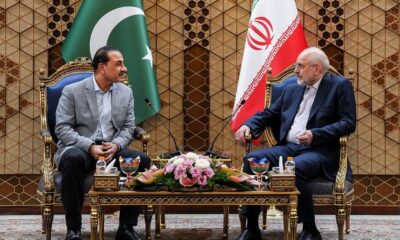
Iran tells Pakistan army chief no talks with Washington until demands are met

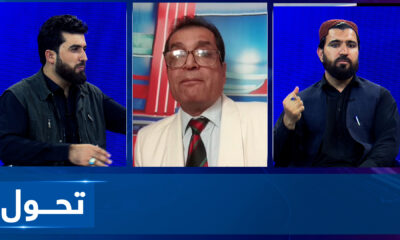
Tahawol: Iran’s reaction to Pakistan’s mediation discussed

Saar: Review of SCO meeting in Tajikistan

Cricket Bonanza: Afghanistan set for packed international schedule

Afghanistan says 28 killed, 32 captured in Nuristan operation

Silk Road highway in Wakhan corridor now reaches the China border

CNN, MS NOW and Politico sue Trump, challenging White House ban

Afghanistan on climate front line as Kabul faces groundwater warning
Tahawol: Iran’s reaction to Pakistan’s mediation discussed
Saar: Review of SCO meeting in Tajikistan

Trump blames migrants for violence in France as US midterms loom

Tahawol: US–Iran tensions escalate with mutual threats

Saar: IEA–UNAMA relations: five years under review
-
 Sport3 days ago
Afghanistan reach Brazil futsal tournament final after beating Cape Verde 4-2
-

 Regional4 days ago
Trump says US may strike Iran’s ‘Pickaxe Mountain’ nuclear facility
-
 Latest News5 days ago
Nearly 19.2 million Afghans face winter hunger as child malnutrition set to surge, UN agencies warn
-
 Business5 days ago
Regional partners seek progress on Trans-Afghan corridor and CASA railway
-
 Latest News4 days ago
Afghanistan’s hunger crisis deepens as 16 million face food insecurity ahead of winter
-
 World2 days ago
Violent protests spread across Europe as Albanian PM blames ‘foreign hand’
-

 Sport5 days ago
Afghanistan Champions League: Abu Muslim Farah beat Sarsabz Yashlar 3-1
-
 Latest News5 days ago
Lavrov warns of western-backed ‘color revolutions,’ raises concerns over Afghanistan’s regional security