
Latest News
Foreign ministry hosts fundraising conference in Kabul for disaster victims

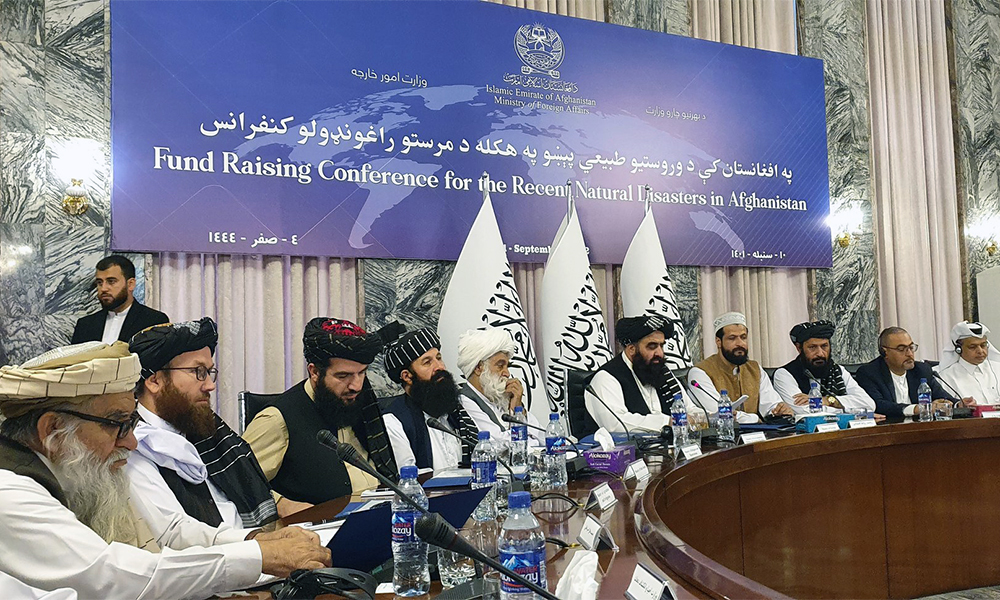
The Islamic Emirate of Afghanistan (IEA) hosted a donor conference in Kabul on Thursday in a bid to raise funds for victims of recent disasters in Afghanistan.
Organized by the foreign ministry, the conference was attended by representatives from United Nations agencies and other NGOs based in Afghanistan.
Speaking at the conference Foreign Minister Amir Khan Muttaqi briefed delegates about the casualties, losses and damages incurred during recent natural disasters across the country and the actions taken by the IEA to tackle and manage the events.
According to Muttaqi, recent flash floods in parts of the country left almost 200 people dead, 300 others wounded, 12,000 houses destroyed or damaged, more than 9,000 livestock dead and thousands of agricultural land destroyed.
Muttaqi said that during operations more than 20,000 people were rescued from flood waters and temporary shelters were provided.
He said while the recent floods and earthquake in June were a challenge for the IEA, the Islamic Emirate was able to assist victims with its limited resources.
“With the help of aid organizations we have provided food and non- food items to more than 100,000 affected people across the country,” Muttaqi said.
He said the IEA also built mobile clinics and camps for the earthquake victims, and permanent shelters were built for more than 1,000 people affected by this disaster.
“Islamic Emirate of Afghanistan distributed 160 million afghanis in cash to the people affected in the June earthquake.”
According to Muttaqi with the help of the WFP, the IEA was able to provide assistance to more than six million people across the country.
“We called on the international community and international aid organizations to help those affected in the earthquake and flash floods. Today Afghans need your help more than any other day,” Muttaqi said.
He also said that the IEA’s government is newly established and put all its efforts into rescuing people and delivering aid but according to him: “We are not able to carry this burden alone. Therefore we hope that all humanitarian organizations and the international community will help us in this hard time.”
The foreign minister said that the IEA is ready to fully cooperate with aid organizations in distributing aid transparently and providing grounds for aid distribution.
“We are using our resources to address the problems but our resources are limited and not adequate for all those affected by the recent natural disasters. We call on all humanitarian organizations, helping partners and businessmen to help those affected in earthquake and flash floods, and we are ready and willing to cooperate in delivering all aid in a transparent process to the affected people” Muttaqi said.
He once again called on the international community to release Afghanistan’s frozen assets and to lift all sanctions and provide facilities for trade.
“For lasting improvement our demand and request is that Afghan’s rights must be given and like other nations, ways must be opened for Afghans, both ground and air corridors, so we can engage with other countries so our country can stand on its own feet and help us find markets for our goods and facilitate with exports. This will benefit Afghans,” Muttaqi said.
On behalf of UNAMA, Ramiz Alakbarov said: “We have delivered more than $1 billion dollars in cash towards humanitarian operations through the use of liquidity funds to Afghanistan and that supported partners and also enabled cash assistance directly to the people.”
He also said that solutions are not in the distribution of aid, but rather in the investment in the agricultural sector.
“We must prioritize the needs of vulnerable Afghans; women and children require special attention,” he said.
“We are strongly committed to supporting relief efforts in Afghanistan that we will continue as a community of 193 organizations to deliver that assistance in most remote areas,” Alakbarov said.
He also said: “We right now operate in 401 districts and we do appreciate the access and the security provided to us to be able to deliver that assistance.”
Alakbarov emphasized that UNAMA’s continued presence aims to support the people of Afghanistan.

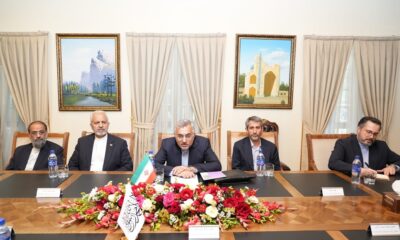



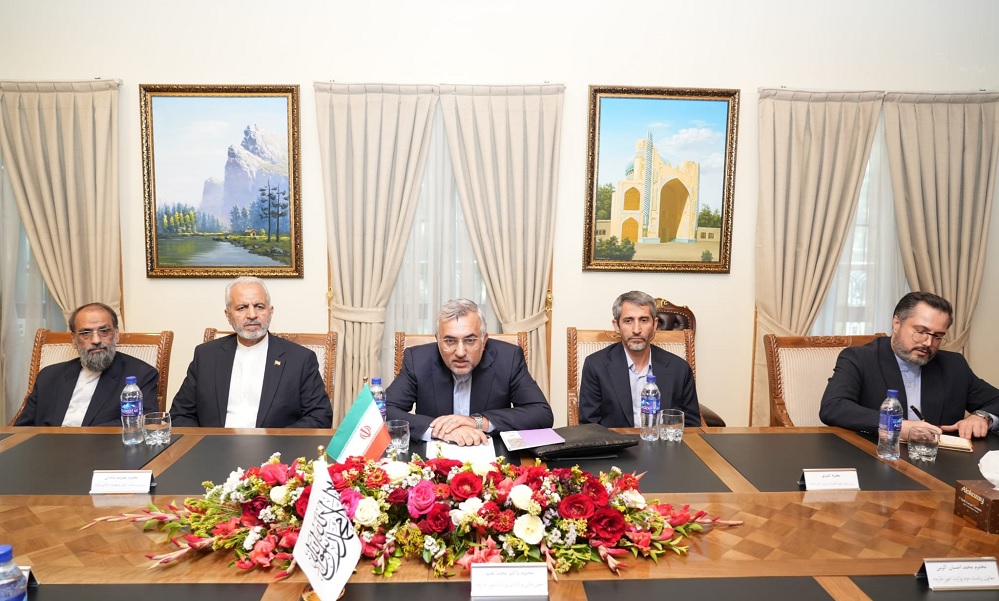
Afghanistan and Iran discussed expanding economic, political and trade ties, with Tehran offering to cooperate on major infrastructure and development projects, including the construction of the Herat-Mazar-e-Sharif railway.
The Afghan Foreign Ministry said its Deputy Minister for Finance and Administration, Mohammad Naeem, met with Hamid Qanbari, Iran’s Deputy Foreign Minister for Economic Diplomacy, to discuss bilateral relations, economic cooperation and ways to make better use of existing opportunities.
The two sides also discussed challenges facing Afghan migrants in Iran and ways to facilitate visa procedures, as well as closer cooperation on migration-related issues.
According to the ministry, Qanbari said Iran is ready to cooperate with Afghanistan in the construction of the Herat-Mazar-e-Sharif railway, mining and electricity generation.
Naeem described the expansion of economic relations between the two countries as important and stressed the need for joint efforts and cooperation in this area.
Iran’s Embassy in Kabul also said the two officials discussed expanding economic and trade cooperation, particularly in developing and strengthening infrastructure, including the Herat-Mazar-e-Sharif railway.
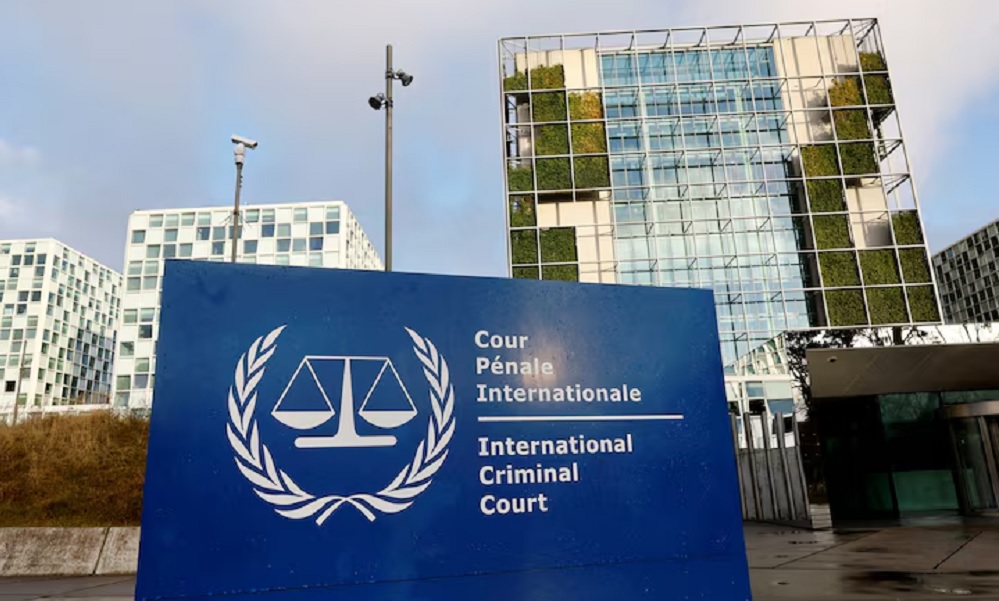
The Islamic Emirate of Afghanistan (IEA) on Monday rejected arrest warrants issued by the International Criminal Court (ICC) against four senior IEA leaders, saying Afghanistan does not recognize the court or its decisions.
The ICC unsealed arrest warrants for IEA supreme leader Mawlawi Hibatullah Akhundzada, head of Afghanistan’s Supreme Court Abdul Hakim Haqqani, Education Minister Habibullah Agha and Higher Education Minister Neda Mohammad Nadim.
The court accused the four officials of persecution on gender grounds against women, girls.
IEA government spokesman Zabihullah Mujahid condemned the ICC’s decision, saying Afghanistan does not recognize any court operating under the title of the “International Court.”
“Afghanistan does not recognize any court under the title of the ‘International Court,’ nor does it attach any significance to its positions,” Mujahid said in a statement.
“Thankfully, the leaders of the Islamic Emirate of Afghanistan have committed no act that would make them liable to arrest or punishment by any court,” he said.
“We are bound by the rulings of Islamic Sharia and its courts, not by intelligence entities or so-called courts,” Mujahid added.
The ICC said the warrants against Mawlawi Hibatullah Akhundzada and Haqqani were issued in July and September last year, while the warrants against Agha and Nadim were also issued last year.
The existence of the warrants against Mawlawi Hibatullah Akhundzada and Haqqani had been disclosed previously, but the documents remained sealed until Monday.
Latest News
UN envoy urges progress on women’s rights during Afghanistan visit
She also reaffirmed the UN’s readiness to support Afghans returning from neighboring countries.
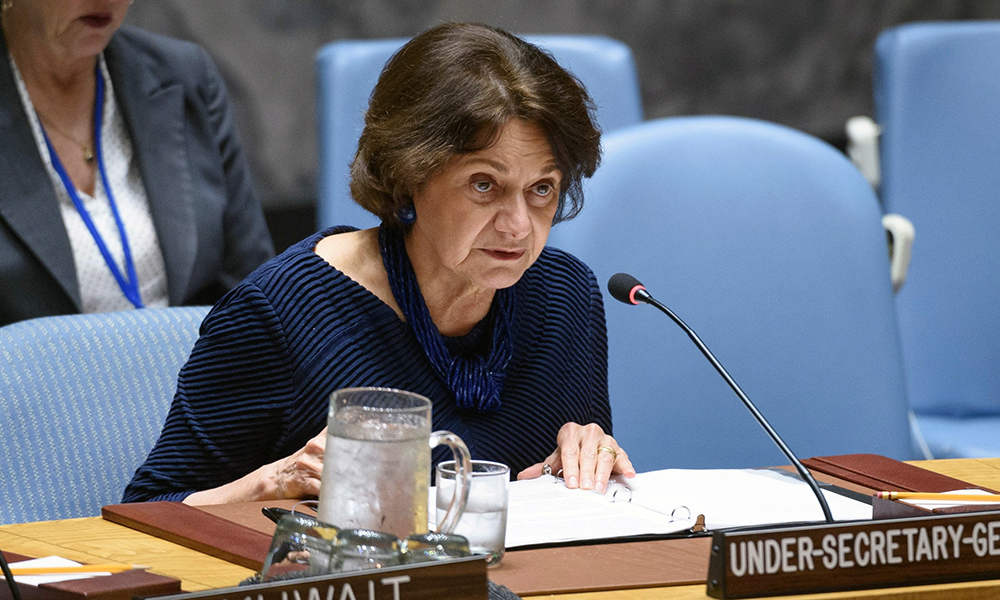
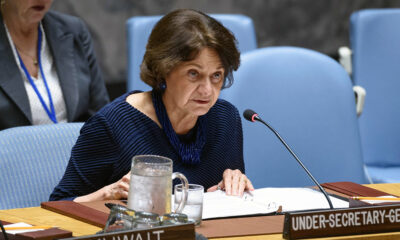
United Nations Under-Secretary-General for Political and Peacebuilding Affairs Rosemary DiCarlo concluded her visit to Afghanistan on Sunday after holding meetings with the Islamic Emirate authorities, civil society representatives, women leaders and Afghan female UN personnel.
During meetings with the IEA, DiCarlo reaffirmed the UN’s commitment to advancing the Doha process and noted progress made by its two working groups on counter-narcotics and the private sector.
She stressed the importance of turning dialogue into practical results for the Afghan people, while both sides reaffirmed their commitment to continued engagement.
DiCarlo also conveyed concerns raised by UN member states over the situation of women and girls, particularly restrictions on girls’ access to education.
She said progress on women’s and girls’ rights would contribute to Afghanistan’s development and also raised concerns over restrictions affecting Afghan female UN personnel.
The UN official highlighted the challenges facing Afghanistan, including economic and social pressures, climate change and natural disasters.
She also reaffirmed the UN’s readiness to support Afghans returning from neighboring countries.
During meetings with civil society representatives and women leaders, DiCarlo recognized their important contributions to communities across Afghanistan.


Iran offers cooperation on Herat-Mazar railway, mining and power generation

IEA rejects ICC arrest warrants, says Afghanistan does not recognize court

Omar Zawak beat Ariana FC 2-0 in Afghanistan Champions League clash

UN envoy urges progress on women’s rights during Afghanistan visit

Muttaqi, Lavrov discuss expanding Afghanistan-Russia ties

Saudi energy group signs major Afghanistan deals covering gas exploration and pipeline plans

Khalilzad: Afghanistan ready to attract major investment

Messi returns to Inter Miami after Argentina retirement

Imam Abu Hanifa exhibition to draw exhibitors from more than 20 countries

Maryam Nawaz says Punjab faces greater security threats from neighbouring provinces

Tahawol: Afghanistan-Iran: shared opportunities and challenges discussed

Saar: Pakistan’s hostile policy toward Afghanistan discussed

Tahawol: Doha process seeks new cooperation opportunities

Saar: Moscow forum 8th consultative meeting on Afghanistan

Tahawol: Escalation of internal political crisis in Pakistan discussed
-
 Latest News5 days ago
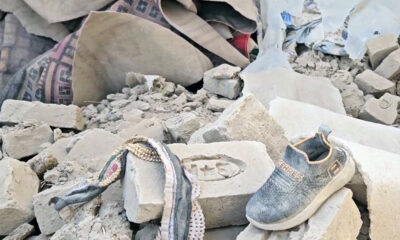
Four members of one family killed in Helmand in Pakistan airstrike
-
 Sport4 days ago
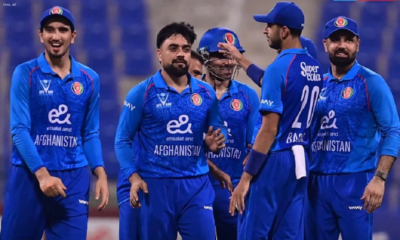
ACB announces Afghanistan squads for Bangladesh, Zimbabwe series
-
 Latest News5 days ago
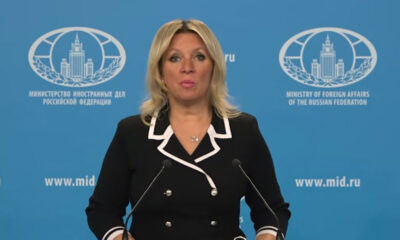
Moscow to host 8th meeting of Afghanistan consultations on October 5
-
 Latest News4 days ago
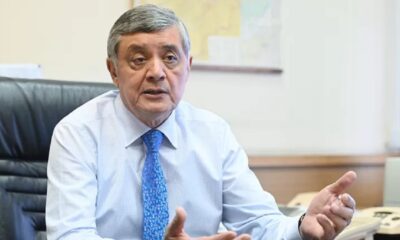
Russia expects to ease Afghanistan-Pakistan tensions at Moscow Format meeting
-

 Sport5 days ago
Rashid Khan, Azmatullah Omarzai maintain top spots in ICC ODI rankings
-
 International Sports4 days ago
Afghanistan to face Pakistan, India and Australia at 2027 Cricket World Cup
-
 Regional4 days ago
Saudi-led coalition says Houthis attacked power station for Prophet’s Mosque in Medina
-
 Regional4 days ago
Cargo stacks up as Pakistan seizes containers to block capital routes