
Latest News
WFP sounds alarm over global food crisis, including Afghanistan

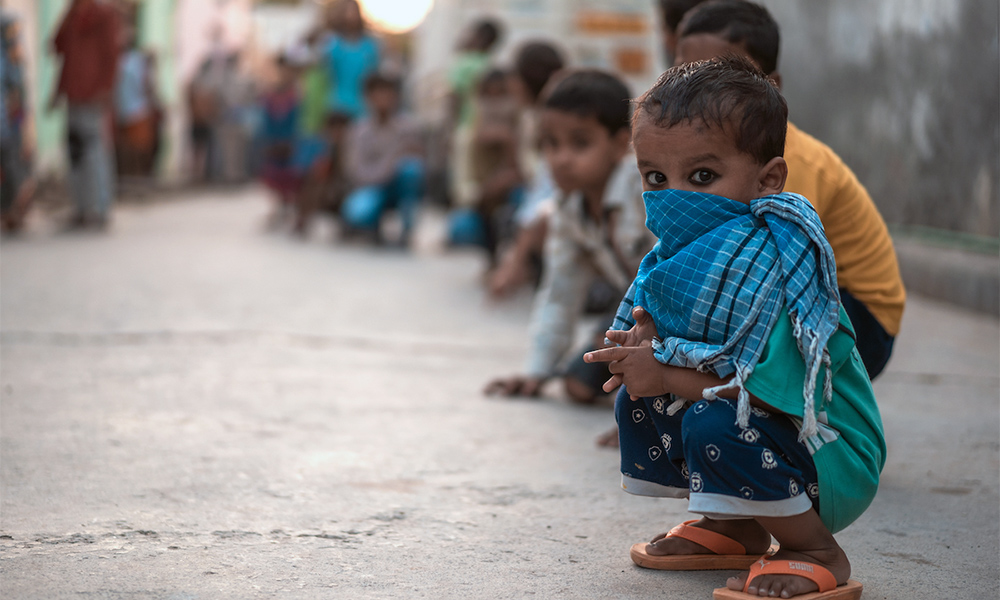
A record-high number of people across six countries are either already starving or on the brink of disaster, a new report warned this week.
The latest Hunger Hotspots report, produced by the World Food Programme (WFP) and the Food and Agriculture Organization of the United Nations (FAO), reveals that Afghanistan, Ethiopia, Nigeria, South Sudan, Somalia, and Yemen remain at the ‘highest alert’ as hotspots alone account for almost a million people facing catastrophic levels of hunger.
The report calls for urgent humanitarian action for 19 hunger hotspots in total, to prevent huge loss of life between October 2022 and January 2023.
It lays out country-specific recommendations for action – short-term protective measures in advance of new humanitarian needs materializing, and emergency response to address the current situation.
According to the report, in Afghanistan, the severity of food insecurity suggests that significant loss of life may already be occurring in the outlook period, as nearly 6 million people are expected to be in Emergency conditions by November.
After this, the risk of extreme food insecurity and significant loss of life will likely grow as another harsh winter coincides with the lean season.
The report stated that one of the driving forces behind the crisis was the ongoing La Niña weather event, which has been recurring since late 2020, and is expected to continue through December 2022 before transitioning to El Niño.
This La Niña event will continue to negatively impact agricultural activities, causing crop and livestock losses in many parts of the world including Afghanistan, Western and Eastern Africa, and the Syrian Arab Republic.
In Afghanistan, the ongoing La Niña is likely to result in below‑average rainfall during the upcoming September to February period, coinciding with the wheat‑planting and mid‑growing season.
In addition, expected warmer‑than‑average temperatures and a potential low snowpack in winter could reduce water availability for irrigation, the report stated.
This will come on top of two consecutive dry seasons since late 2020.
The report stated the economic contraction that followed the collapse of the former government, coupled with the impact of below‑average harvests, is increasing levels of hunger across the country.
WFP and FOA say concerns remain at the highest level for Afghanistan, as the country is also dealing with the effects of a deep economic crisis, exacerbated by increasing food, fuel and agricultural input prices, the freeze of Afghan assets and very high levels of accumulated household debt.
However, the report states that decreased conflict levels in Afghanistan have slightly improved the access of humanitarian organizations to people in need, but the presence of landmines, improvised explosive devices and explosive remnants of war, operatio all challenges, and poor infrastructure continue to constrain humanitarian access.












Kazakhstan’s Foreign Minister Mukhtar Tileuberdi has called for pragmatic and coordinated international engagement with Afghanistan, saying the country’s long-term stability is closely linked to the security and sustainable development of Central Asia.
Speaking during the general debate of the 81st session of the United Nations General Assembly in New York on Friday, Tileuberdi said humanitarian assistance to Afghanistan remains essential but alone cannot break the cycle of poverty, displacement and dependency.
He said Kazakhstan supports a “pragmatic, coordinated and step-by-step” approach to international engagement with Afghanistan, with the United Nations playing a central role.
Tileuberdi also said Kazakhstan is working with the UN to operationalize the United Nations Regional Centre for the Sustainable Development Goals for Central Asia and Afghanistan in Almaty.
He said the success of the centre should be measured by the results and assistance it delivers to the region.


Abu Muslim Farah defeat Khurasan Faryab 2-0 in ACL season six

Saar: Concerns over Pakistan’s political crisis discussed

Afghanistan Champions League: Omar Zawak Herat beat Toofan Herat 1-0

Blast in Pakistan’s Dera Ismail Khan kills 11, injures 30

Ariana Afghan Airlines increases Kabul-Delhi cargo flights

Saudi energy group signs major Afghanistan deals covering gas exploration and pipeline plans

Trump floats idea of renaming Atlantic or Pacific Ocean

US hits Egyptian bank branches with Iran sanctions as war marks six months

Nepal flood rescue mission enters critical phase as thousands remain missing

Iranian clubs to face Gulf opponents at neutral venues in Asian Champions League Elite
Saar: Concerns over Pakistan’s political crisis discussed

Exclusive interview with Abdul Latif Mansoor, Minister of MRRD

Tawsia: Overview of Afghanistan’s iron mines

Tahawol: Discussion on fresh Pakistani airstrikes on Afghanistan

Saar: Calls for international support for Afghanistan discussed
-

 World5 days ago
CNN, MS NOW and Politico sue Trump, challenging White House ban
-

 Latest News3 days ago
Ariana Afghan Airlines ranks seventh among 45 Central Asian airlines
-

 Latest News5 days ago
UN reiterates call for respect for international law after Kunar airstrikes
-

 Regional4 days ago
US and Iran hold first talks since June after Trump’s ‘annihilation’ threat
-

 Latest News4 days ago
Silk Road highway in Wakhan corridor now reaches the China border
-

 Regional3 days ago
Iran airlines cancel flights as US sanctions hit
-

 Latest News5 days ago
Afghan Official: Pakistan’s airstrikes will not go unanswered
-
 Regional5 days ago
G7 foreign ministers call on Iran to stop arming Houthis