
Latest News
UN reports $402.9 million needed for Herat earthquake recovery support

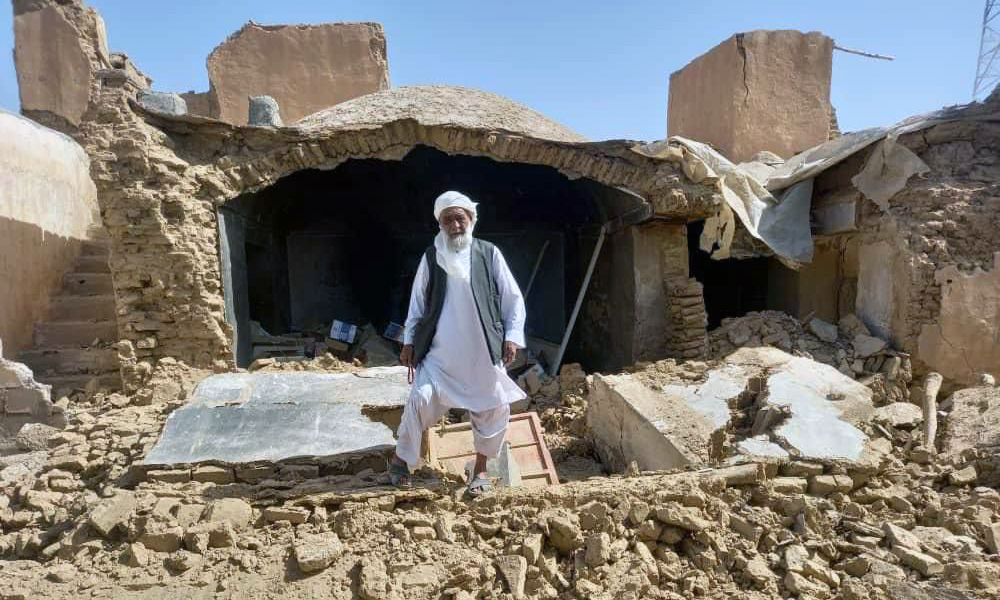
The United Nations said in a report released Thursday that $402.9 million is needed to support critical recovery and reconstruction efforts in Herat province following last year’s devastating earthquakes.
According to the Post-Disaster Needs Assessment (PDNA) report, issued by the UN, the World Bank, the European Union, and the Asian Development Bank, the scale of October’s was staggering.
Housing, the most severely affected sector, represents 41 percent ($164.4 million) of the total recovery needs.
The earthquakes damaged 49,578 houses, with 13,516 being completely destroyed.
Education is second most impacted sector, with 180,000 students and 4,390 teachers currently facing disruptions. The agriculture sector, accounting for the majority of jobs and income in the affected areas, has also suffered considerable setbacks.
The series of earthquakes on October 7, 11, and 15 killed over 1,500 people and injured more than 2,600 people.
The assessment, with UNDP as the technical lead, covered nine districts with roughly 2.2 million people.
It revealed that over 275,000 individuals were affected. Among these were 17,358 pregnant women, 17,146 infants, 3,976 people with severe disabilities, 3,207 elderly families, 6,806 women-led households, 3,176 individuals with chronic illnesses, and 147,000 children under 18.
Herat, Injil, and Zindajan districts were the hardest hit, with rural and vulnerable communities suffering the most.
The assessment also evaluated broader macro-economic and human impacts and proposed principles for a comprehensive recovery and reconstruction framework.
It cautioned about persistent widespread poverty, slow economic recovery, job scarcity, banking sector instability, adverse impact on mental health and wellbeing, and climate vulnerability, exacerbating Afghanistan’s ongoing economic challenges.
Way forward
The PDNA emphasizes the critical need to transition from immediate humanitarian aid to long-term recovery.
Recovery strategies should prioritize building community resilience, service restoration, earthquake-safe housing, livelihood options, social protection, and access to basic services, especially for the most affected families, the report stated.
“As the United Nations and partners, we stand in solidarity with the people of Afghanistan in these challenging times. The findings of the PDNA highlight the profound impacts of the earthquakes on the Herat region.
“We are committed to not only addressing the immediate needs but ensuring a sustainable and resilient recovery for those affected by the earthquakes. This tragedy presents an opportunity to rebuild stronger, more inclusive, and more resilient communities. The PDNA provides a blueprint for recovery and reconstruction aimed at forging a better future for those most affected in Afghanistan,” stated Indrika Ratwatte, Deputy Special Representative of the Secretary-General, Resident and Humanitarian Coordinator.

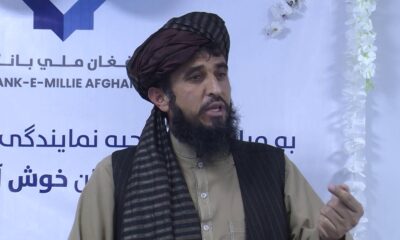

Local officials in Afghanistan’s northeastern Badakhshan province have called on traders to help prevent drug trafficking and invest their capital in legal and productive sectors.
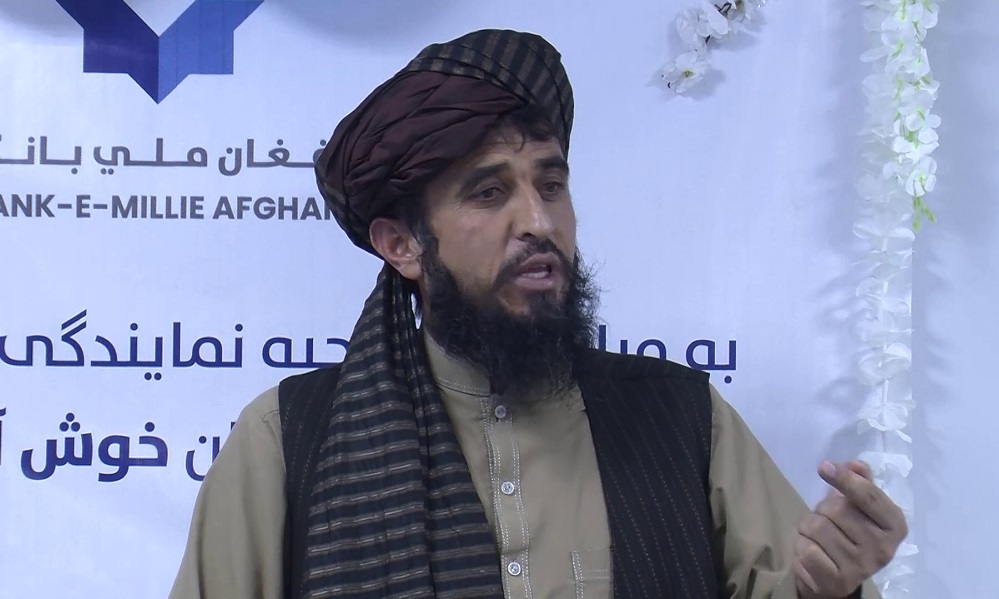
Jamaluddin Haqjo, deputy governor of Badakhshan, made the remarks during the opening of the first branch of the Bank-e-Millie Afghan in Fayzabad, the provincial capital.
Haqjo said thousands of people across Afghanistan are currently addicted to drugs and urged traders not to invest in drug trafficking.
Meanwhile, other local officials attending the ceremony called on people to contribute to the country’s economic development rather than oppose the government.
They said expanding economic activities could help reduce poverty and other challenges affecting thousands of families.
Officials also urged banks and traders to conduct their activities in accordance with Islamic principles.
The newly opened Bank-e-Millie Afghan branch is expected to provide banking services to residents of Badakhshan. Bank officials said government employees receiving their salaries through the bank would also be eligible for loan services in accordance with the bank’s policies.
Residents welcomed the opening of the branch, saying it would make banking services more accessible. They also called for banks to establish branches in remote districts of Badakhshan.
Officials urged traders and government institutions to support the bank by investing and using its services.
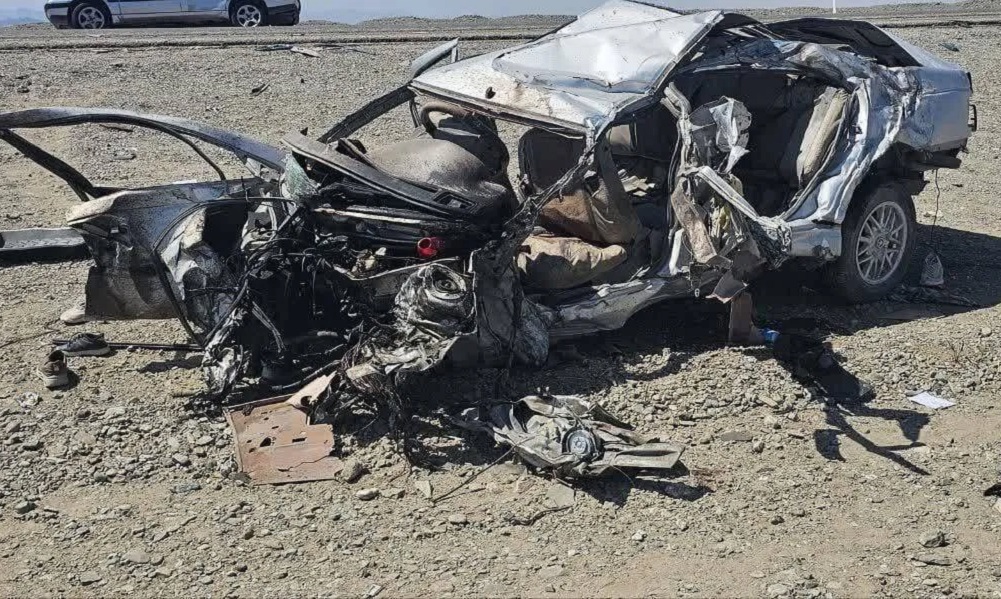
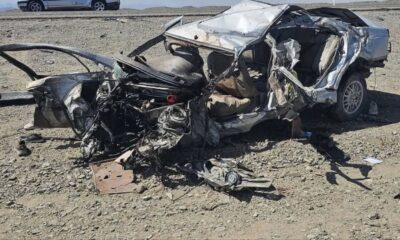
Seven Afghan migrants have been killed after a vehicle carrying Afghan migrants collided with a fuel-carrying vehicle in Iran’s Sistan and Baluchestan province.
According to the human rights organization HalVash, the accident occurred on Friday in the Sarbaz area of Sistan and Baluchestan.
Siyavash Mohbi, the head of Iran’s traffic police in Sistan and Baluchestan, said the Afghan nationals had entered Iran illegally.
He added that nine other people were injured in the incident.
Mohbi attributed the accident to the negligence of the driver of the vehicle carrying the migrants.


Badakhshan official calls on traders to help prevent drug trafficking

World leaders return to UN amid wars in Middle East and Ukraine

Asian Games open in Japan as Afghanistan sends 34 athletes

Seven Afghan migrants killed in traffic accident in Iran’s Sistan and Baluchestan

OIC to hold Afghanistan Contact Group meeting on sidelines of UN General Assembly

Four mediators struggle to secure lasting Pakistan-Afghanistan ceasefire

Syria and Saudi Arabia condemn Kabul bombing, express solidarity with Afghanistan

Afghanistan’s trade diversification challenges Pakistan

Saudi energy group signs major Afghanistan deals covering gas exploration and pipeline plans

ATN secures exclusive rights to broadcast T20I series in India across Afghanistan

Tahawol: Kabul’s warning over any threat from Pakistan discussed

Debate on Afghanistan and New Investment Opportunities

Tahawol: Reasons behind Qatari, Turkish security officials’ Kabul visit discussed

Saar: Outcome of UN Security Council meeting on Afghanistan discussed

Tahawol: Afghanistan’s readiness for US relations discussed
-
 Latest News4 days ago
UN warns of mounting humanitarian and human rights pressures in Afghanistan
-

 Regional4 days ago
Saudi Arabia calls alleged Mecca attack a ‘red line’ as Houthis deny involvement
-
 Latest News4 days ago
Five Years On: IEA touts economic growth despite international isolation
-

 Sport4 days ago
India take 2-0 lead in 3-match series against Afghanistan
-

 Sport5 days ago
Nabi reaches 2,500 T20I runs
-
 Latest News3 days ago
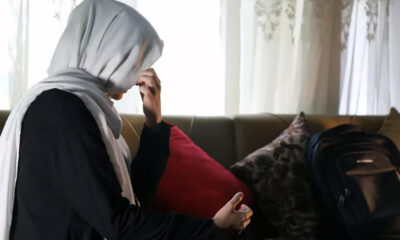
Five years out of school: Amnesty raises alarm over Afghan girls’ education
-
 Latest News3 days ago
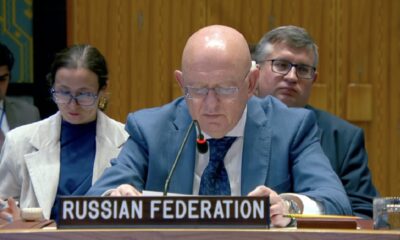
Russia urges dialogue and economic support for Afghanistan, warns against excessive pressure
-

 Sport4 days ago
ACL: Ariana Khost win, Aino Mina and Khurasan Faryab draw