
Latest News
BBC chiefs quit amid Trump video scandal and mounting credibility crisis

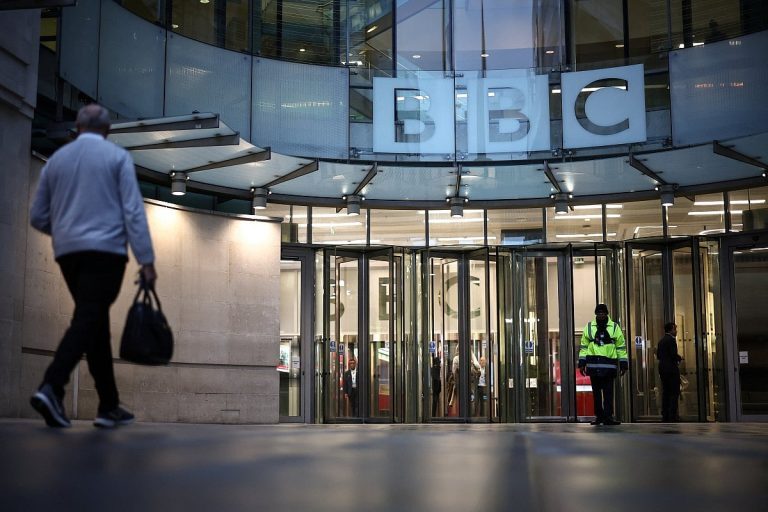
The BBC has been thrust into turmoil after Director-General Tim Davie and News CEO Deborah Turness resigned over a scandal involving the mis-editing of a Donald Trump speech, an incident that has reignited debate over the broadcaster’s impartiality and credibility.
The controversy centers on a Panorama documentary that spliced sections of Trump’s January 6, 2021 address, omitting his call for supporters to demonstrate “peacefully and patriotically” while highlighting his more combative remarks to “fight like hell” and march to the Capitol. The edit, critics say, falsely implied that Trump directly urged violence.
BBC Chairman Samir Shah issued a public apology, describing the broadcast as an “error of judgment” that fell short of the corporation’s standards. In his resignation letter, Davie said he accepted “ultimate responsibility” for the failure but defended the BBC as “a precious institution that remains globally respected.”
Turness, who also stepped down, said the controversy had “reached a point where it risks damaging the BBC — an organization I love and have served with pride.”

‘Systematic breaches’ of impartiality guidelines
The fallout has prompted sharp political reactions in both Britain and the United States. Trump’s campaign team accused the BBC of being “100 percent fake news” and a “propaganda machine,” citing the doctored video as proof of what it called “mainstream media manipulation.”
The resignations come amid wider criticism that the BBC has lost its reputation for neutrality, with ongoing disputes over its coverage of the Israel–Hamas war and British domestic politics. A leaked internal memo from a former editorial adviser alleged “systemic breaches” of impartiality guidelines, adding fuel to the crisis.
Media analysts say the episode has deepened public skepticism toward an institution once viewed as the gold standard of global journalism. “The BBC’s greatest asset has always been trust,” said media scholar Dr. Eleanor Wright. “Once that’s eroded, rebuilding it becomes far harder than any structural reform.”
As the broadcaster approaches its next Royal Charter renewal in 2027 — a review that will determine its funding and public remit — the crisis is seen as a defining test of whether the BBC can restore confidence, enforce accountability and reclaim its place as one of the world’s most trusted news organizations.
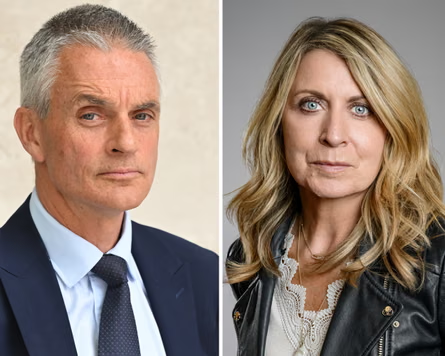
Davie and Turness resign
Tim Davie, who resigned as BBC Director-General in 2025, had led the corporation since 2020 through one of its most turbulent modern eras. A long-time BBC executive and former head of BBC Studios, Davie was widely regarded as a pragmatic and commercially minded leader.
During his tenure, he oversaw the organization’s digital transformation and cost-cutting drives, while navigating political pressure from both the British government and critics who accused the BBC of bias. His resignation, following the doctored Trump video controversy, marks the end of a leadership defined by both modernization and deepening questions over editorial integrity.
Deborah Turness, the outgoing BBC News and Current Affairs Chief Executive, brought with her decades of experience in broadcast journalism. Before joining the BBC in 2022, she was CEO of ITN and previously headed NBC News International in the United States, where she earned a reputation for decisive leadership and newsroom reform.
Turness was tasked with rebuilding trust in BBC journalism after a string of editorial missteps — a mission that became increasingly difficult amid growing political polarization and social media scrutiny. Her departure, alongside Davie’s, underscores the scale of the crisis gripping the broadcaster.
Both Davie and Turness were seen as reformers committed to balancing the BBC’s public service mandate. However, their exit highlights the enduring challenges the organization faces — from declining audience trust and political scrutiny to the growing influence of misinformation online. Their resignations have prompted calls for a comprehensive overhaul of the BBC’s editorial practices and governance structures, as the corporation confronts a defining moment for its credibility and future relevance.

Latest News
Russian deputy prime minister to visit Kabul with high-level economic delegation
The visit aims to strengthen economic and trade relations between Afghanistan and Russia, explore investment opportunities and discuss potential joint economic projects.
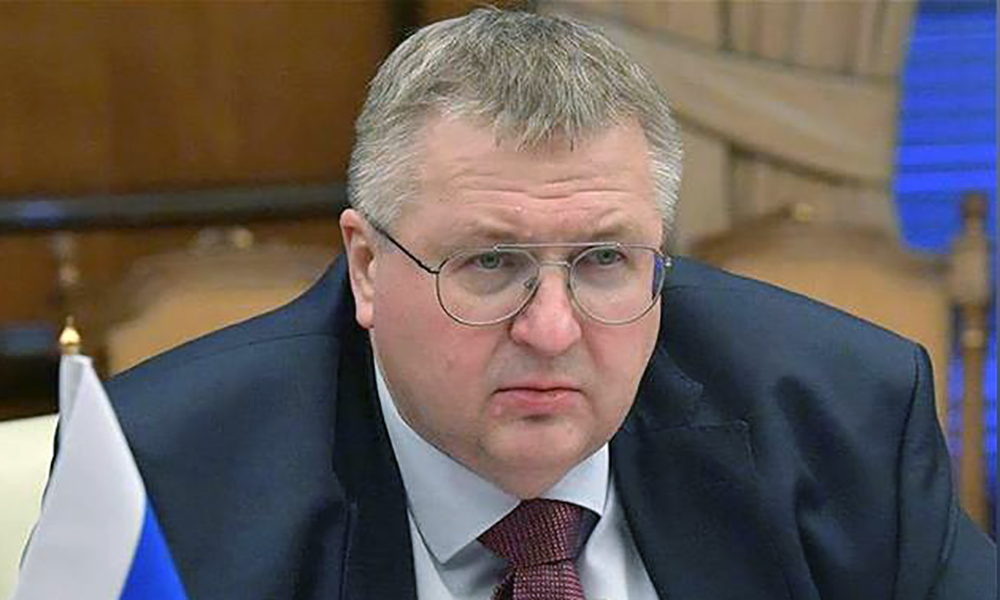
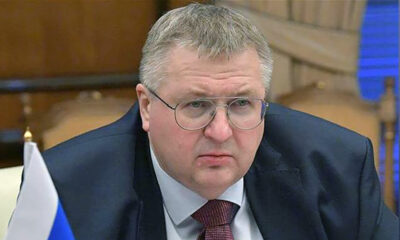
Russian Deputy Prime Minister Alexei Overchuk is scheduled to visit Kabul on Thursday, leading a high-level economic delegation, Afghanistan’s Ministry of Foreign Affairs has announced.
According to a statement by the ministry, the visit aims to strengthen economic and trade relations between Afghanistan and Russia, explore investment opportunities and discuss potential joint economic projects.
The visit is expected to provide an opportunity for officials from both countries to discuss ways of expanding bilateral economic cooperation and identifying new areas for trade and investment.
The ministry did not provide further details about the delegation’s programme or the specific projects expected to be discussed during the visit.
Latest News
UNESCO warns Afghanistan risks losing an entire generation of professionals as girls’ education ban continues
An estimated 2.4 million girls in Afghanistan are currently excluded from secondary education, while no girls enrolled in universities in 2026.
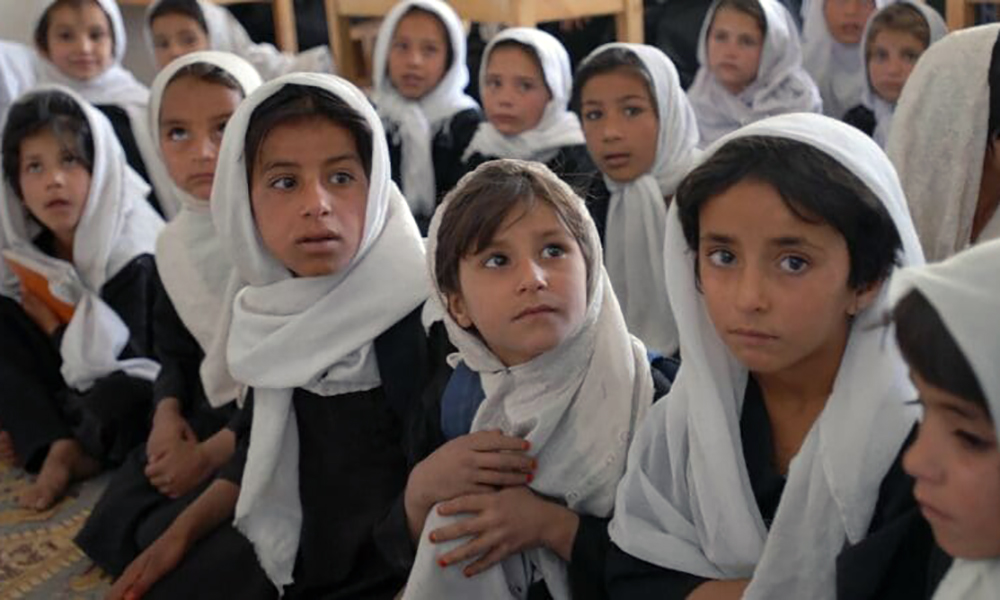
The United Nations Educational, Scientific and Cultural Organization (UNESCO) has warned that continued restrictions on girls’ and women’s education in Afghanistan could deprive the country of an entire generation of skilled professionals, particularly in education, healthcare and other essential sectors.
Hoda Jaberian, UNESCO’s Education in Emergencies Programme Coordinator, said Afghanistan cannot afford to lose another generation of learners, stressing the urgent need to restore access to education for girls and women.
According to a United Nations report published in November, an estimated 2.4 million girls in Afghanistan are currently excluded from secondary education, while no girls enrolled in universities in 2026.
Since the Islamic Emirate of Afghanistan returned to power in 2021, girls have been barred from attending secondary schools beyond Grade Six. Restrictions were further expanded in December 2022, when women were prohibited from attending universities, followed by a ban on women’s education at medical institutions in December 2024.
Jaberian emphasized that the immediate priority must be reopening schools to girls and allowing women to return to the formal education system, noting that alternative learning opportunities cannot replace regular schooling.
She also called for greater support for teachers, improved educational materials, stronger teaching standards and better data collection and planning to strengthen Afghanistan’s education system.
UNESCO warns that prolonged restrictions could have serious consequences for Afghanistan’s future, limiting the country’s ability to train the teachers, doctors and other qualified professionals needed for national development.
Latest News
Afghan embassy in Kuwait discusses situation of Afghan prisoners with Kuwaiti officials
During the meeting, both sides held constructive discussions on the condition of Afghan prisoners in Kuwait.
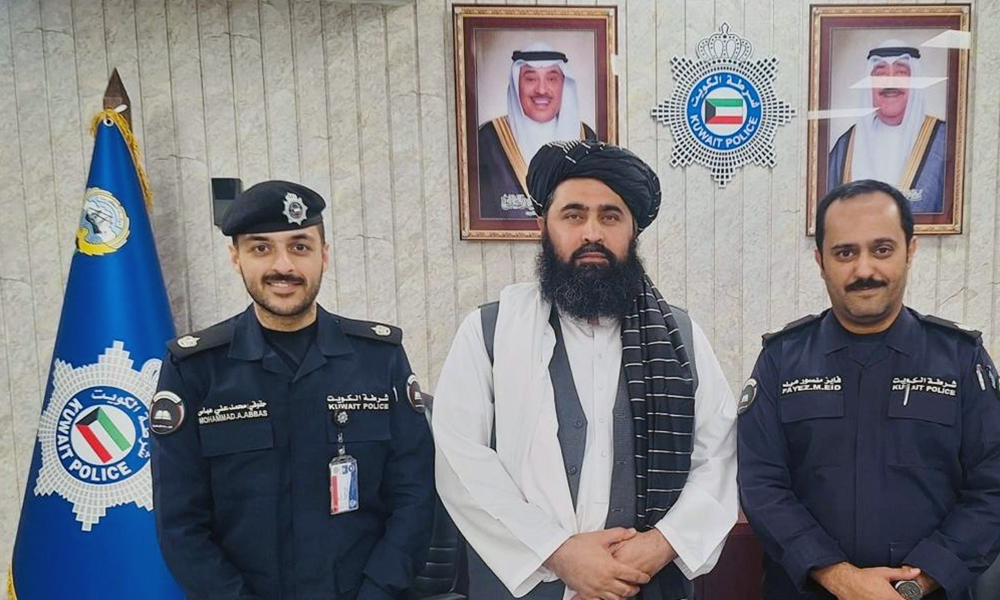
The acting head of Afghanistan’s Embassy in Kuwait, Mohammad Shafiq Khatib, has met with senior Kuwaiti officials to discuss the situation of Afghan nationals held in Kuwaiti prisons.
According to a statement from the Afghan Embassy in Kuwait, Khatib met with Abu Fahad Mansour Fayez Al-Barrak, Deputy Director of Kuwait’s Prisoners Affairs Department, and Ali Abbas, an official responsible for legal affairs.
During the meeting, both sides held constructive discussions on the condition of Afghan prisoners in Kuwait.
The embassy did not provide further details about the specific issues raised or any agreements reached during the meeting.
The meeting comes as part of diplomatic engagement between Afghanistan and Kuwait on matters concerning Afghan nationals and their welfare abroad.


Russian deputy prime minister to visit Kabul with high-level economic delegation
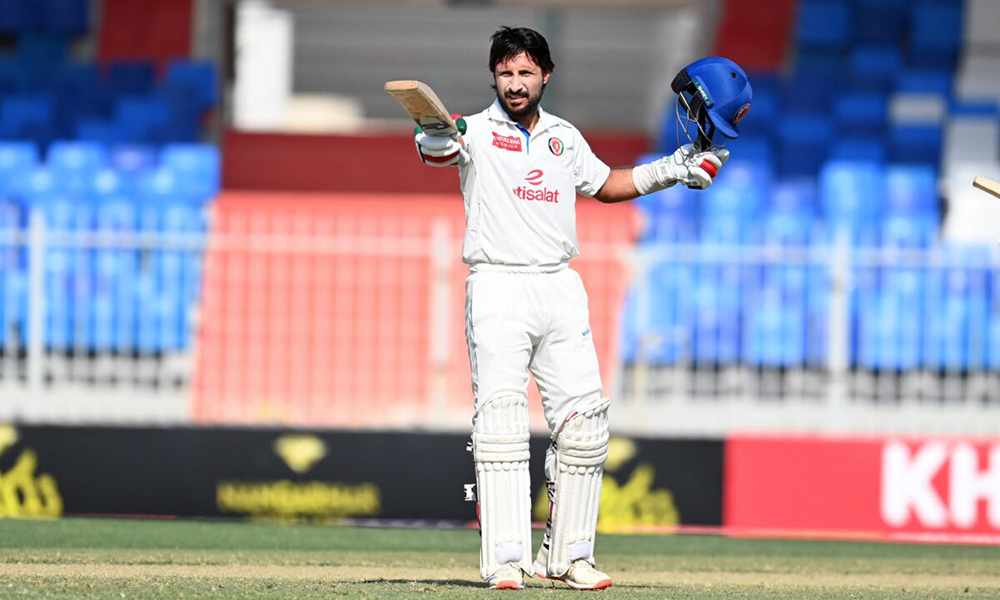
Historic first for Rahmat Shah after ICC rankings update
UNESCO warns Afghanistan risks losing an entire generation of professionals as girls’ education ban continues
Afghan embassy in Kuwait discusses situation of Afghan prisoners with Kuwaiti officials
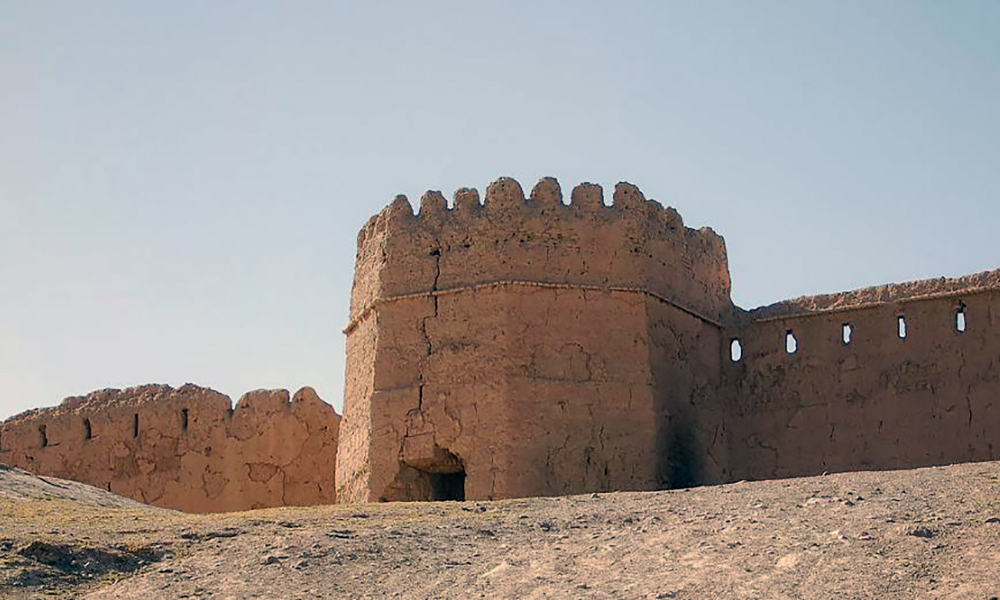
Ancient treasures unearthed at Kabul’s historic Bala Hissar

Afghanistan finish runners-up after 6-0 defeat to Brazil in futsal final

Trump says US may strike Iran’s ‘Pickaxe Mountain’ nuclear facility

Afghan futsal coach: Brazil tournament is first step towards new goals and World Cup

Violent protests spread across Europe as Albanian PM blames ‘foreign hand’

Rubio heads to Central Asia while other US officials hit foreign policy hot spots

Tahawol: Efforts to halt deportation of Afghan refugees from US discussed
Saar: Russia’s stance on Afghanistan discussed

Trump says further US attacks on Iran ‘highly unlikely’ as peace talks gain momentum
Tahawol: Geopolitical developments in the Middle East
Saar: EU’s engagement with Afghanistan
-
 Sport3 days ago
Afghanistan’s record partnership highlights fourth day of Test against Zimbabwe
-
 World3 days ago
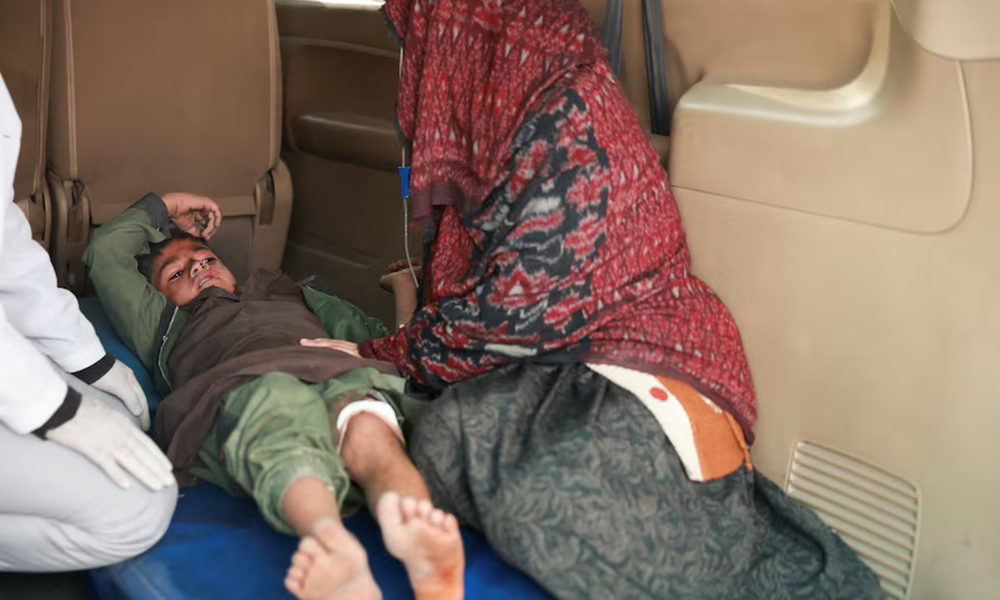
Houthi-run health ministry says airstrikes kill 33 near Yemen capital
-
 Sport5 days ago
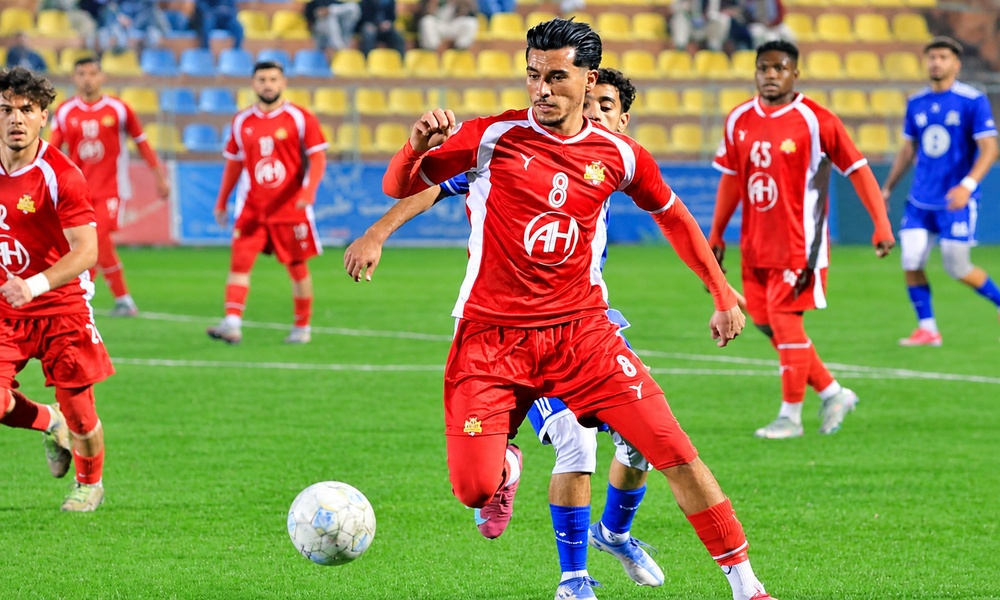
Abu Muslim Farah claim convincing 3-0 win over Omar Zawak in ACL
-
 Regional4 days ago
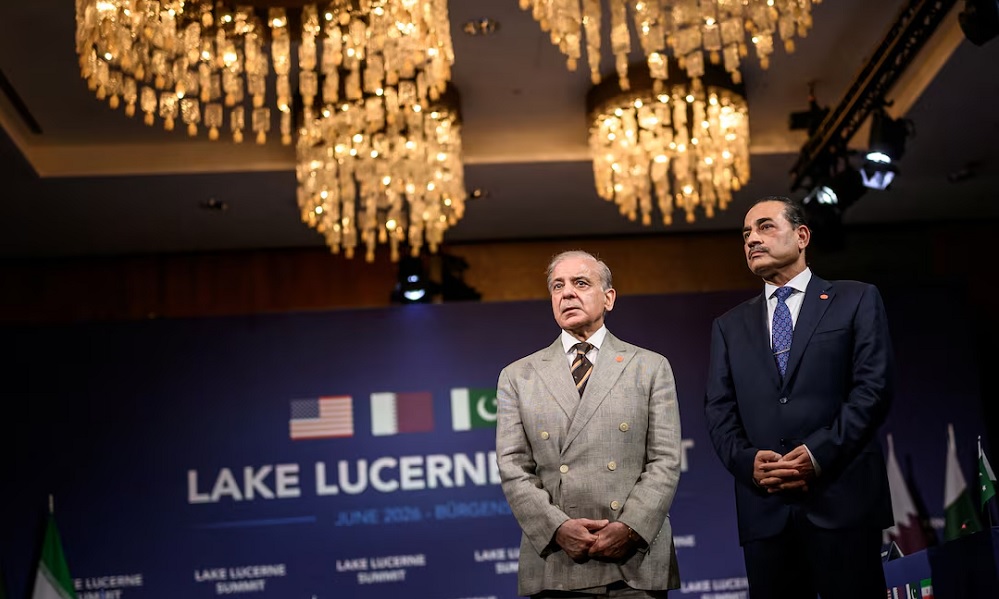
Pakistan’s leaders dread US Democrats’ win but its households are praying for it
-
 Sport4 days ago
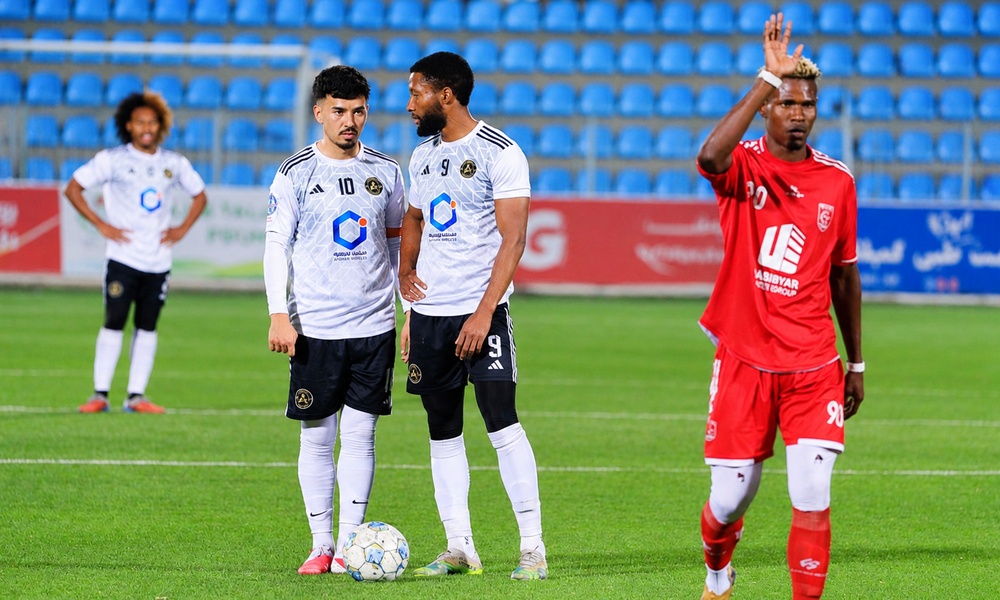
Toofan Herat defeat Arman FC 2–0 in Afghanistan Champions League
-
 Sport3 days ago
Afghanistan thrash Senegal 6-0 to reach Dakar Youth Olympics futsal semi-finals
-
 Sport2 days ago
Portugal beat Afghanistan 2-0 in Dakar Youth Olympics futsal semi-finals
-
 Business4 days ago
UK-Afghanistan trade falls 16.7% to £70 million over 12 months