
Latest News
UN report shows sharp decline in Afghan opium cultivation; warns of synthetic drug threat
the Ministry of Interior has previously announced that activities related to the cultivation, trade and smuggling of drugs in Afghanistan have reached zero.

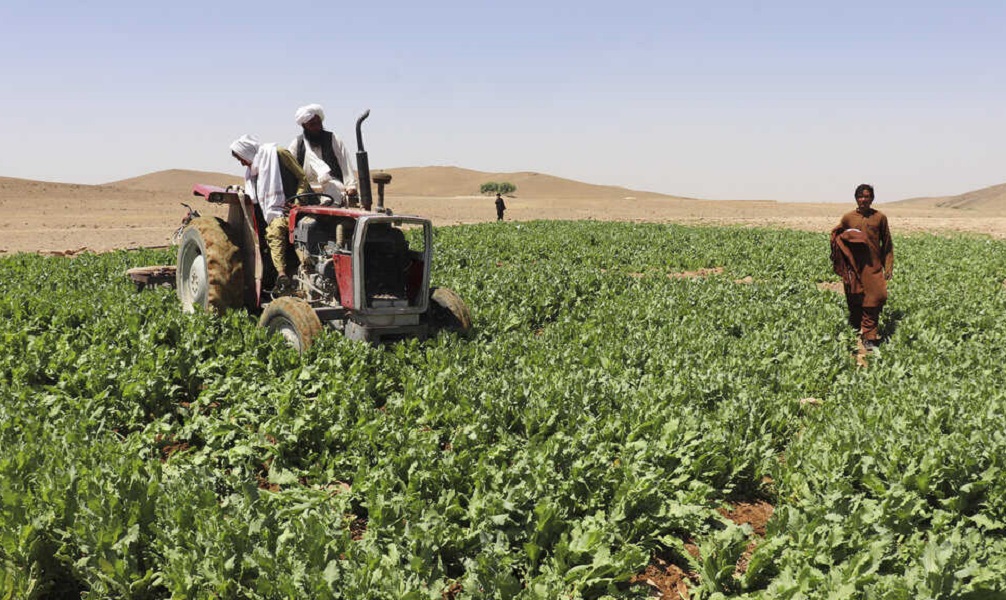
A new United Nations report reveals that opium poppy cultivation and opium production in Afghanistan fell significantly in 2025, continuing the steep contraction of Afghanistan’s traditional opiate economy — but shifts in drug markets and economic pressures pose new challenges for the country and the region.
According to the Afghanistan Opium Survey 2025 by the United Nations Office on Drugs and Crime (UNODC), the total area under opium poppy cultivation this year was estimated at about 10,200 hectares, a 20% decrease compared with 2024 and a dramatic drop from levels recorded before the Islamic Emirate’s nationwide ban on narcotics cultivation in 2022.
The survey also shows that opium production fell even more sharply — by 32% — to an estimated 296 tons in 2025. At these levels, the raw material could yield between 22 and 34 tons of export-quality heroin, substantially lower than in previous years, the report stated.
UNODC analysts point to a combination of factors behind the decline. The strict ban imposed by Afghanistan’s authorities continues to be enforced in many regions, and many farmers have shifted to growing cereals and other lawful crops.
However, worsening drought and low rainfall have left more than 40% of farmland uncultivated, undermining legitimate production and incomes.
The northeastern provinces of Afghanistan remained the centre of opium production in 2025, a pattern that has continued since 2023, while cultivation in southern and southwestern provinces such as Helmand and Kandahar continues to decline.
Economic indicators in the report suggest that farmers’ income from opium sales fell sharply — from about US $260 million in 2024 to around $134 million in 2025, reflecting both lower production and changes in market conditions.
While this contraction marks a notable shift in Afghanistan’s illicit crop landscape, the UNODC warns that the evolving dynamics of drug trafficking present serious concerns.
The agency notes a rise in synthetic drugs, particularly methamphetamine, which are easier to produce, harder to detect and more resilient to climate shocks than traditional opiates.
Organized crime groups may increasingly favour these substances, complicating regional law-enforcement and public health responses, UNODC stated.
Rising threat of synthetic drugs
The UN report warns however, that synthetic drugs are emerging as a growing threat.
According to UNODC, criminal networks are increasingly turning to substances such as methamphetamine, which can be produced year-round and do not rely on agricultural cycles or large areas of farmland. This makes synthetic drugs less vulnerable to crop bans, drought and seasonal disruptions.
Unlike opium poppy cultivation, which is highly visible and geographically concentrated, synthetic drug production can take place in small, concealed laboratories, making detection and enforcement significantly more difficult.
UNODC notes that this shift poses serious challenges for law enforcement agencies in Afghanistan and neighbouring countries.
The report also highlights that synthetic drugs are often cheaper to produce, easier to transport and highly profitable, increasing their appeal to organised crime groups.
Trafficking routes for these substances frequently overlap with existing smuggling networks used for opiates, allowing criminal groups to adapt quickly to changing conditions.
Public health risks are another major concern. Synthetic drugs are associated with higher addiction rates, unpredictable potency and severe health consequences, placing additional strain on already fragile healthcare systems across the region, the agency stated.
UNODC warns that without comprehensive counter-narcotics strategies that address both traditional drugs and emerging synthetic markets, the decline in opium production could be offset by the expansion of more dangerous and harder-to-control substances.
The agency is calling for increased regional cooperation, improved chemical precursor controls, and sustained international support to prevent Afghanistan from becoming a key hub for synthetic drug production and trafficking.
Meanwhile, the Ministry of Interior has previously announced that activities related to the cultivation, trade and smuggling of drugs in Afghanistan have reached zero. According to the ministry, in the past year, about 200,000 kilograms of various types of natural and synthetic drugs have been discovered and seized, all of which have been burned and destroyed.
Qasim Khalid, Deputy Minister of Counter-Narcotics at the Ministry of Interior, says that during the republic era, high-ranking officials were involved in drug trafficking and skillfully smuggled them to foreign countries.
According to Khalid: “In the past year, about 200,000 kilograms of various types of natural and synthetic drugs have been discovered and seized, all of which have been burned and destroyed.”
Khalid added that in the past year, about 750 drug traffickers have been arrested and prosecuted.

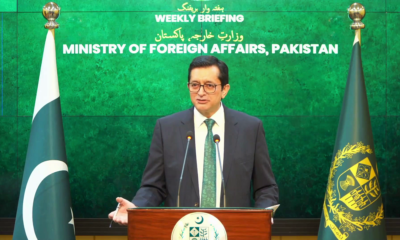





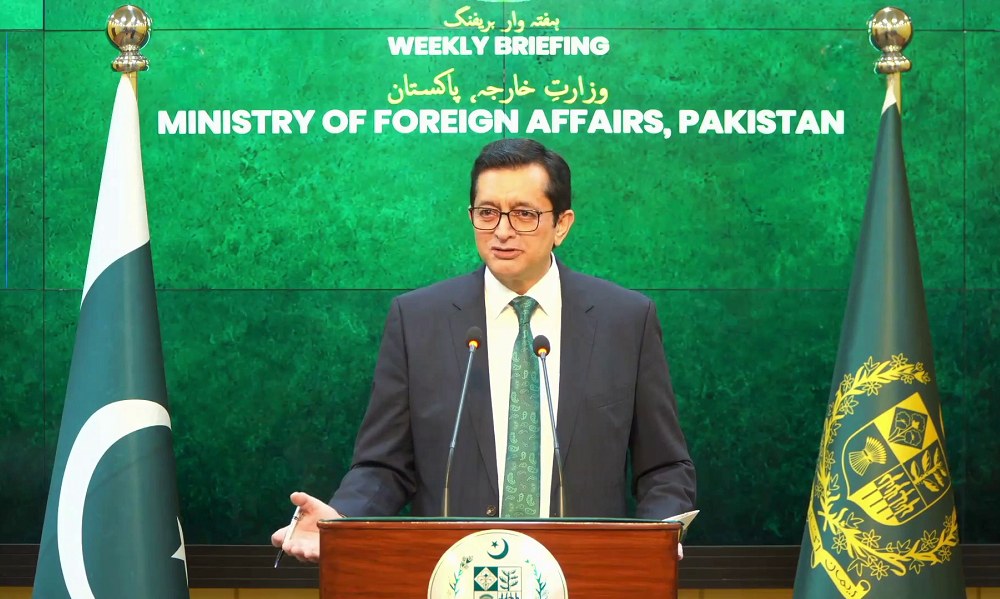
Sajjad Haider Khan, spokesperson for Pakistan’s Ministry of Foreign Affairs, says there is no government decision to return all Afghan students from Pakistan.
Khan said Afghan students who are enrolled in valid degree programmes and hold valid visas can remain in Pakistan and complete their education.
He added that students who are not registered at a university or do not hold valid visas have been instructed to return to Afghanistan.
The Pakistani official said students studying in foreign countries are expected to have both valid enrollment and valid visas for the purpose of their stay, stressing that both are necessary.
This comes after the Pakistan Medical and Dental Council recently decided to expel Afghan medical students from the country and instructed universities not to enroll new students.
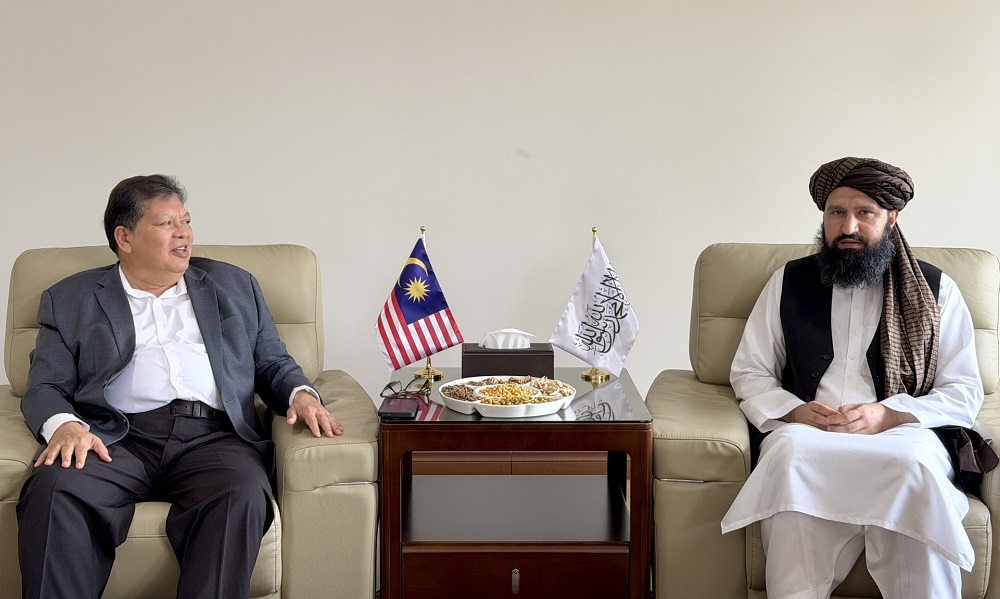
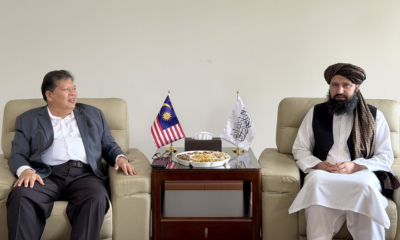
Naqibullah Ahmadi, Acting Ambassador of the Islamic Emirate of Afghanistan in Malaysia, met on Thursday with Tan Sri Dato Johari bin Abdul, Speaker of Malaysia’s House of Representatives, to discuss bilateral relations.
According to a statement from the Afghan Embassy in Malaysia, the two sides discussed the Islamic Emirate’s foreign policy, Afghanistan’s engagement with regional countries and the international community, as well as the country’s security situation, economic developments and investment opportunities.
The two sides also discussed further expanding bilateral relations between Afghanistan and Malaysia, joint cooperation in various sectors, and facilitating the movement of government officials, businesspeople and tourists between the two countries.
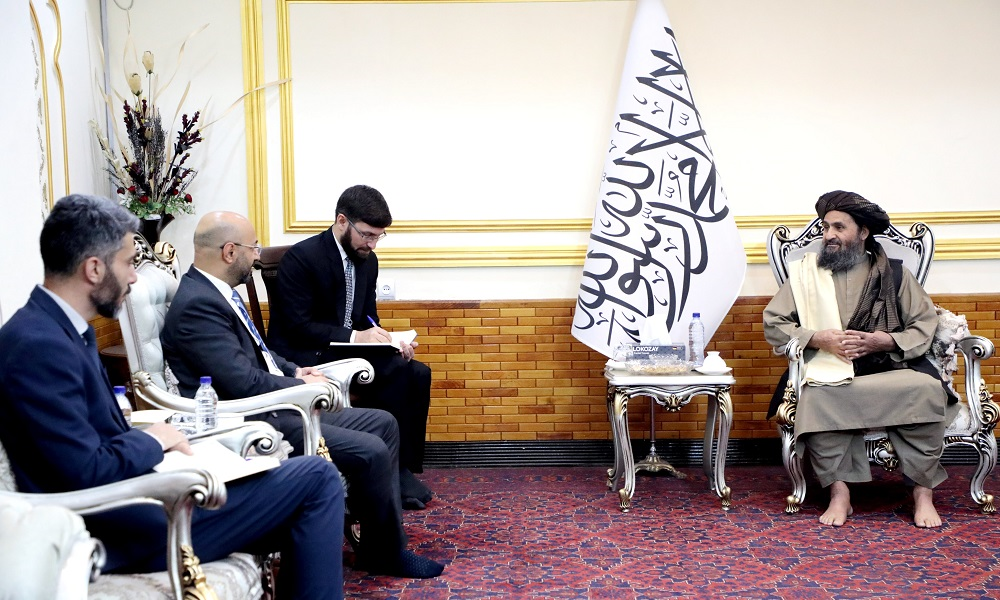
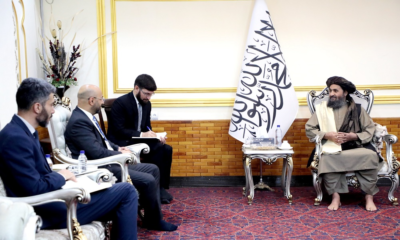
Mullah Abdul Ghani Baradar, Deputy Prime Minister for Economic Affairs, met on Thursday with Sadin Ayyıldız, Türkiye’s Ambassador to Afghanistan, to discuss expanding economic, trade and transit relations between the two countries, as well as resolving problems faced by Afghan migrants in Türkiye.
According to a statement from the deputy PM’s office, Baradar expressed appreciation for the activities of Turkish companies that have invested in various sectors in Afghanistan and called on other Turkish investors to invest in the country as well.
The Deputy Prime Minister for Economic Affairs said the Islamic Emirate would provide the necessary facilities for Turkish investors.
Baradar also stressed the need to resolve the problems of Afghan migrants in Türkiye and provide them with greater assistance and facilities.
Meanwhile, Ayyıldız welcomed the increase in trade between Afghanistan and Türkiye and said his country was ready to further expand its relations with Afghanistan in transport, transit, health, education and other economic sectors.
The Turkish ambassador added that Türkiye would continue its cooperation in strengthening relations between Afghanistan and the international community and in presenting a realistic image of Afghanistan to the world.
He also said Türkiye had introduced facilities for issuing visas to Afghans and would seek to provide further facilitation in this area.


Pakistan: Afghan students with valid visas can complete their education

Saar: UN reaffirming support for Afghanistan discussed

Acting Afghan ambassador meets Malaysian House Speaker over bilateral ties

Baradar discusses expanding economic and trade ties with Turkish envoy

Trump touts $5,000 payout if Republicans win as Vance waits in wings

Four mediators struggle to secure lasting Pakistan-Afghanistan ceasefire

HesabPay unveils new visa card and digital payment app in Kabul

AFC Champions League Elite draw nears as Al-Nassr seeded above Al-Hilal

Juma Khan Fateh surrenders to IEA forces in Badakhshan

Afghanistan’s trade diversification challenges Pakistan
Saar: UN reaffirming support for Afghanistan discussed

Saar: Pakistan’s decision to expel Afghan medical students discussed

Tahawol: Victory of Germany’s far-right party in state election discussed

Saar: UN Human Rights Council meeting on Afghanistan reviewed

Tahawol: Possible future scenarios for Ukraine crisis
-
 Business4 days ago
Saudi energy group signs major Afghanistan deals covering gas exploration and pipeline plans
-
 Latest News4 days ago
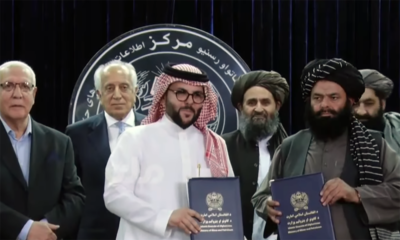
Khalilzad: Afghanistan ready to attract major investment
-
 Latest News5 days ago
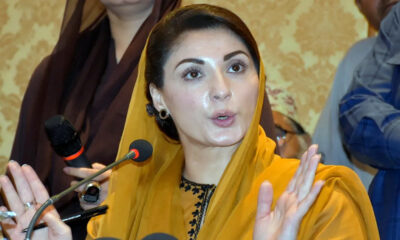
Maryam Nawaz says Punjab faces greater security threats from neighbouring provinces
-
 Latest News2 days ago
Amnesty International condemns Pakistan order requiring Afghan medical students to return
-

 Regional5 days ago
US and Iran exchange fire on vessels near Strait of Hormuz
-
 Latest News2 days ago
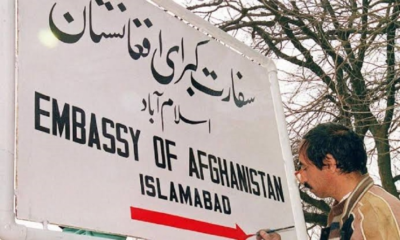
Afghan Embassy in Islamabad calls for halt to expulsion of Afghan students
-

 International Sports5 days ago
Messi returns to Inter Miami after Argentina retirement
-
 Business5 days ago
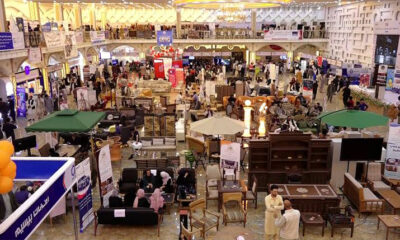
Imam Abu Hanifa exhibition to draw exhibitors from more than 20 countries