
Business
Afghan economy posts second year of growth despite deep structural challenges
The recent uptick has been driven in part by increased demand linked to the return of more than two million Afghans from Iran and Pakistan, boosting activity in the services and industrial sectors.

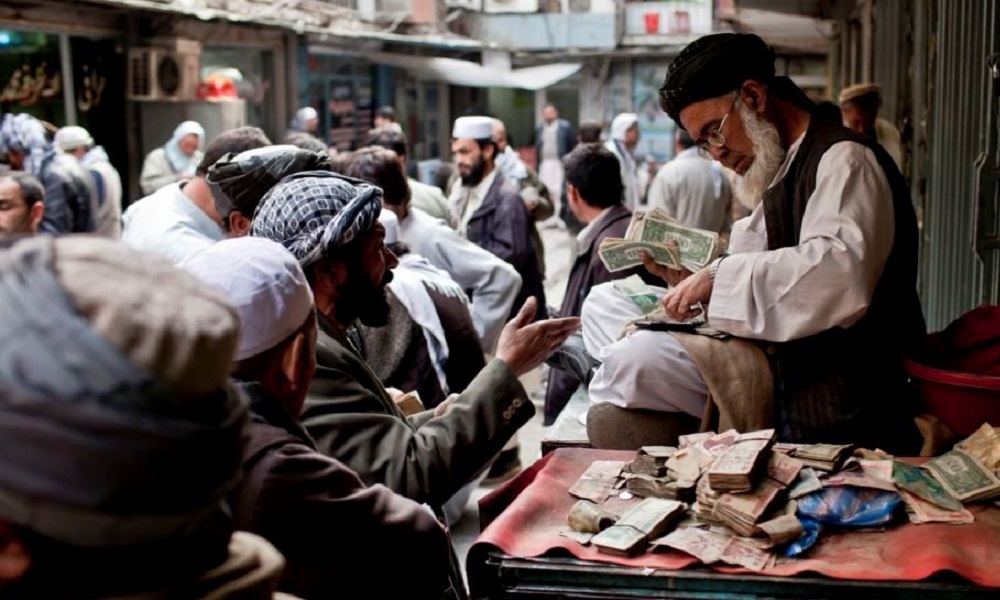
Afghanistan’s economy is set to record a second consecutive year of growth, supported by low inflation and stronger domestic revenues, but deep structural challenges continue to weigh heavily on the country’s long-term outlook.
According to the World Bank’s latest Afghanistan Development Update, cited by Himalaya Diary, gross domestic product is projected to expand by 4.3 percent in 2025, following an estimated 2.5 percent growth in 2024.
The recent uptick has been driven in part by increased demand linked to the return of more than two million Afghans from Iran and Pakistan, boosting activity in the services and industrial sectors.
Agriculture has shown relative resilience, with a record irrigated wheat harvest achieved despite severe drought conditions. Mining and construction have also contributed to overall output growth, helping sustain economic momentum.
However, the recovery has not translated into improved living standards. Rapid population growth, estimated at 8.6 percent in 2025, is expected to push GDP per capita down by around 4 percent. Inflation remains low at about 2 percent — among the lowest in the region — reflecting stable food prices and a stronger currency, but also highlighting Afghanistan’s reliance on imports and exposure to external shocks.
On the fiscal front, domestic revenues have improved, with tax collection projected to reach 17.1 percent of GDP in 2025 as enforcement measures tighten. At the same time, declining foreign grants are shrinking the overall fiscal space, increasing reliance on trade taxes and continued donor support.
The financial sector remains under strain. Banks face regulatory uncertainty, rising non-performing loans and weak credit growth, while liquidity pressures persist as more cash circulates outside the formal system. Limited access to banking services and the transition to Islamic finance have further constrained financial inclusion.
Labour market pressures are also mounting. Nearly one in four young Afghans is unemployed, and restrictions on women’s education and economic participation are undermining human capital and long-term growth prospects. These challenges are compounded by one of the largest return migration waves in recent years, with an estimated 4 to 4.7 million people returning between late 2023 and mid-2025, intensifying pressure on jobs and public services, particularly in urban and border areas.
The World Bank warns that sustaining the recovery will require reforms to attract private investment, strengthen the financial system and diversify exports. Improved governance, a more supportive business environment and stronger engagement with international partners will be critical if Afghanistan is to reduce its reliance on humanitarian aid and move toward more resilient and inclusive growth.







Business
Pakistan, China plan to extend CPEC to Afghanistan, revive trilateral framework
The proposed CPEC expansion into Afghanistan is seen as a move to enhance regional economic integration amid shifting geopolitical dynamics.
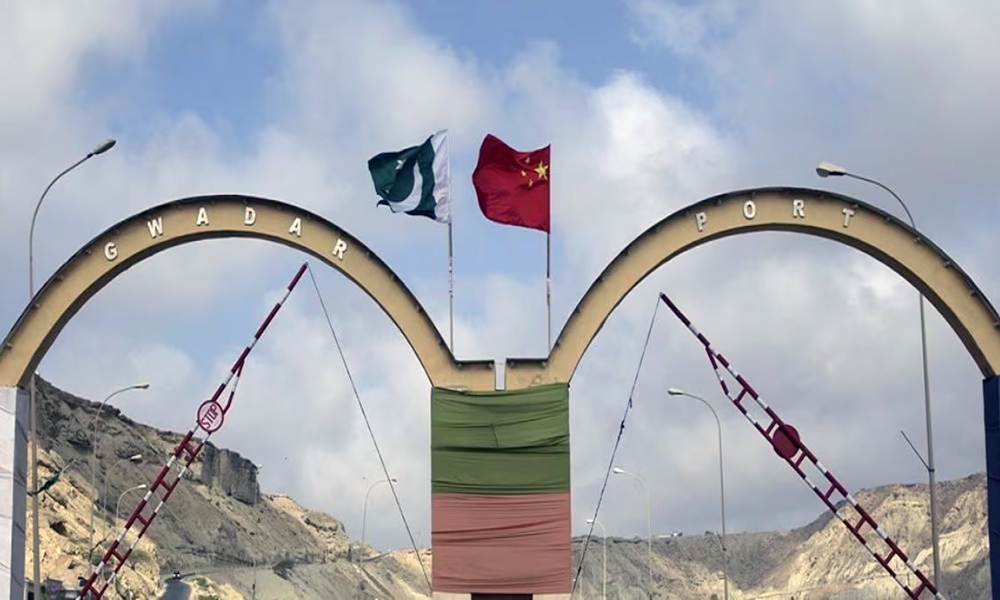
Pakistan and China are moving forward with plans to extend the China-Pakistan Economic Corridor (CPEC) into Afghanistan, a strategic step aimed at bolstering regional connectivity and economic cooperation. The expansion, along with the revival of the Pakistan-China-Afghanistan trilateral framework, was discussed in a recent briefing to the Pakistani Senate Standing Committee on Foreign Affairs.
According to Pakistan Today, officials from Pakistan’s Ministry of Foreign Affairs outlined the details during a session in Islamabad, where they reviewed key aspects of Pakistan’s foreign relations, regional developments, and economic diplomacy.
Officials emphasized that Pakistan’s relationship with China remains strong, underscoring the “all-weather” strategic partnership between the two nations. Strengthening ties with Beijing, they stated, continues to be a cornerstone of Pakistan’s foreign policy. This includes unwavering support for China’s position on regional and international issues, particularly the One-China policy and matters related to territorial integrity.
The briefing also touched upon China’s consistent backing of Pakistan in various areas, including sovereignty, economic stability, counter-terrorism, and support for Pakistan’s exit from the Financial Action Task Force (FATF) grey list.
The Kashmir issue was also addressed, with officials noting that China considers it an unresolved matter and advocates for a peaceful resolution in line with UN Security Council resolutions.
The proposed CPEC expansion into Afghanistan is seen as a move to enhance regional economic integration amid shifting geopolitical dynamics. Officials stated that reviving the trilateral framework is part of broader efforts to foster greater cooperation and connectivity in the region, with an eye on long-term stability and prosperity.
The move also reflects both countries’ desire to further integrate Afghanistan into the regional economic landscape, a key element in fostering peace and development.
Business
Uzbekistan–Afghanistan trade rises to $1.6 billion in 2025
Trade relations remain largely export-driven, with Uzbekistan supplying Afghanistan primarily with food products, energy resources, and industrial goods.
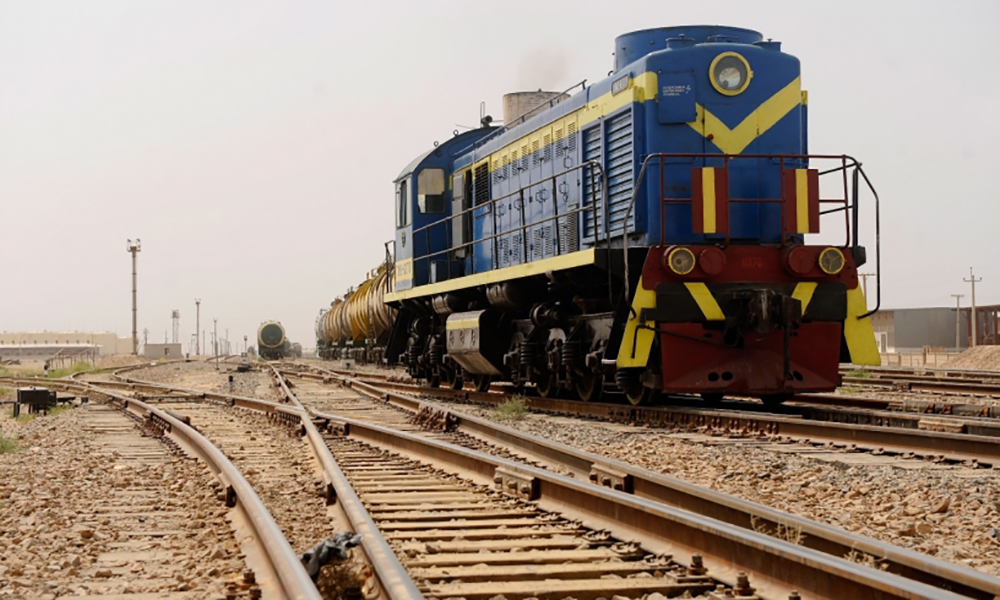
Trade between Uzbekistan and Afghanistan rose sharply in 2025, reaching $1.6 billion, according to official data released by Uzbekistan’s National Statistics Committee.
The figure represents a 45.5 percent increase from $1.1 billion in 2024 and an 84.4 percent rise compared with 2023, when bilateral trade stood at $867.5 million, highlighting rapid growth in economic exchanges between the two countries.
Uzbekistan’s exports to Afghanistan accounted for the vast majority of the trade volume, totaling $1.5 billion, or 93.8 percent of overall bilateral turnover. Trade relations remain largely export-driven, with Uzbekistan supplying Afghanistan primarily with food products, energy resources, and industrial goods.
The surge in trade comes as Uzbekistan’s total foreign trade turnover reached $81.2 billion in 2025, reflecting broader efforts to expand and diversify external economic ties. By the end of the reporting period, Uzbekistan maintained trade relations with 210 countries.
China remained Uzbekistan’s largest trading partner, accounting for 21.2 percent of total trade, followed by Russia (16.0 percent), Kazakhstan (6.1 percent), Türkiye (3.7 percent), and the Republic of Korea (2.1 percent).
The latest figures underscore strengthening economic ties between Uzbekistan and Afghanistan amid efforts to boost regional trade and connectivity.
Business
Turkish firm eyes investment in Afghanistan’s power infrastructure
Technical assessments are also planned in various provinces to evaluate the potential for increased electricity generation from existing water resources.
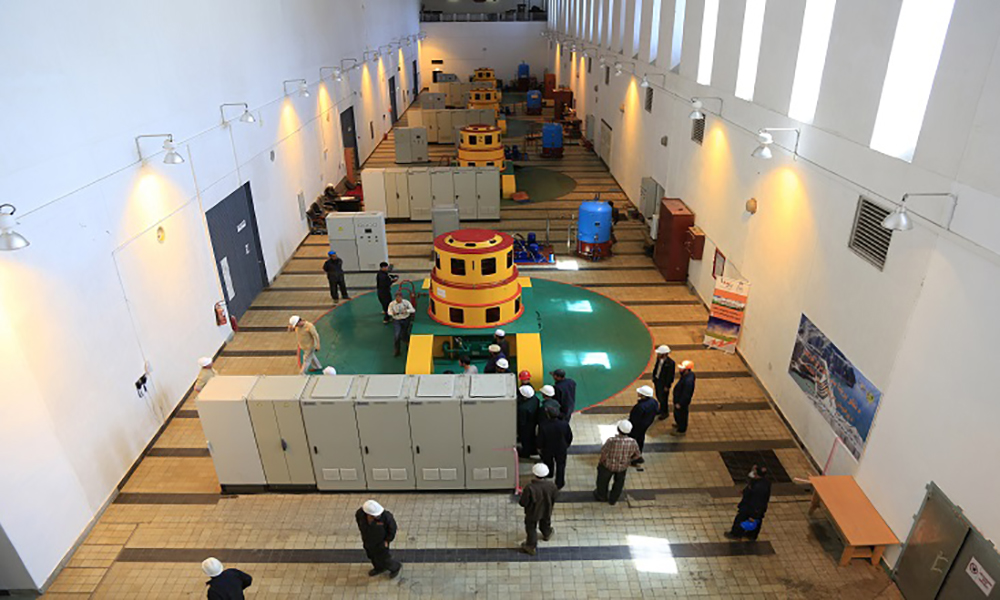
A Turkish electrical equipment company has expressed strong interest in investing in Afghanistan’s hydropower sector, focusing on the installation of new-technology turbines and the rehabilitation of existing power generation facilities, according to Da Afghanistan Breshna Sherkat (DABS).
DABS Chief Executive Officer, Abdul Haq Hamkar, met with Mr. Günay Küsay, a senior engineer and representative of Turkey’s Marbeyaz company, to discuss potential cooperation in hydropower development, modernization of equipment, and the installation of advanced electricity generation systems.
During the meeting, Hamkar welcomed the Turkish delegation and said that all necessary facilities and incentives have been put in place to encourage both domestic and foreign investment in Afghanistan’s electricity and electrical equipment production sectors. He emphasized that investors are free to invest across relevant fields within the energy sector.
Mr. Küsay praised the leadership of DABS and said Marbeyaz is keen to invest in electricity generation from Afghanistan’s water resources, rehabilitate existing hydropower turbines, install modern high-capacity turbines, and contribute to strengthening the technical capacity of local staff.
At the end of the meeting, both sides agreed to hold joint technical sessions between DABS and Marbeyaz experts. Technical assessments are also planned in various provinces to evaluate the potential for increased electricity generation from existing water resources.
DABS said that improved security, economic stability, and transparent governance have helped create a more favorable environment for international companies to invest in Afghanistan’s power generation and electrical equipment production sectors.


Tahawol: BLA’s coordinated attacks in Balochistan discussed

Israeli attacks kill 31 Palestinians in Gaza, including children

Saar: BLA’s attacks on Pakistani army bases discussed

Afghanistan granted 30,000 Hajj quota for 2026

Afghan Embassy in Japan suspends operations

Turkey withdraws from Afghanistan-Pakistan mediation amid rising tensions

ICG report says Pakistan most impacted by IEA’s return in Afghanistan

Pakistan approves re-export of stranded Afghan transit trade cargo

Afghanistan–China joint market opens in Kabul

Afghanistan set to face West Indies in crucial T20I series
Tahawol: BLA’s coordinated attacks in Balochistan discussed
Saar: BLA’s attacks on Pakistani army bases discussed

Tahawol: Defense Ministry’s high-level visit to Russia discussed

Saar: Ongoing tensions between US and Iran reviewed

Tahawol: Tashkent’s interest in military cooperation with Kabul discussed
-

 Sport4 days ago
AFC Futsal Asian Cup 2026: Day One Review
-

 Sport4 days ago
Afghanistan’s Mahdi Norouzi ruled out of AFC Futsal Asian Cup due to injury
-

 Sport4 days ago
Scotland name Afghanistan-born Zainullah Ihsan in T20 World Cup squad
-

 Sport2 days ago
Afghanistan shine on Day Two of AFC Futsal Asian Cup Indonesia 2026
-
 Sport2 days ago
Afghanistan eye second straight win ahead of Malaysia clash at AFC Futsal Asian Cup
-
 Business4 days ago
Afghanistan’s exports drop sharply in December 2025: World Bank
-

 Latest News2 days ago
Australia announces $50 million in new humanitarian aid for Afghanistan
-
 Regional5 days ago
EU and India move toward closer defence ties amid shifting global security landscape