
Health
Afghans with TB ‘struggling’ to get accessible treatment: MSF


Afghanistan’s broken economy and dysfunctional health care system has left thousands of patients in a vulnerable situation across the country, especially people with tuberculosis (TB).
According to Doctors Without Borders/Médecins Sans Frontières (MSF) there is a critical shortage of advanced medical treatment available for TB patients, coupled with a widespread lack of knowledge about the disease.
One such example is Jawahira who was referred to MSF’s tuberculosis (TB) hospital in Kandahar earlier this year from a clinic in Daikundi, in central Afghanistan. “I used to visit private clinics, but instead of giving me TB medication, they usually just prescribed painkillers,” she said.
MSF’s 24-bed TB hospital in Kandahar is the only medical facility providing advanced TB care in southern Afghanistan. Many of the patients come from the nearby provinces of Helmand, Uruzgan, Nimroz and Zabul, but others travel from more than 500 kms away, from Farah, Daikundi, Badghis, Ghazni, and Paktika provinces.
“Our catchment area is so big, it is impossible to know exactly how many people are in it,” said MSF medical advisor Allieu Tommy. “Many travel from afar, and we support them by paying for transport costs, housing expenses, and food to alleviate some of the economic burden.” Without such incentives, most patients could not afford to come for treatment.
The cost of searching for treatment also took its toll on Jawahira. “My home is far away in Uruzgan, so when we went to see a doctor, I had to spend 6,000 Afghani ($67) for the car fare and then 13,000 ($146) for the drugs they gave me.”
The amount Jawahira spent on each visit to the doctor is about one-third of the average monthly income in Afghanistan. According to the World Bank, an estimated 60 percent of the country’s population is unemployed and has no income at all, exacerbated by sanctions and other financial measures against the Islamic Emirate of Afghanistan (IEA).
People often struggle to afford even basic food items, let alone travel expenses and medical fees for hospital visits. Meanwhile, the public health care system is under-resourced, under-staffed, and under-funded, MSF said.
The father of another patient at the Kandahar hospital, Hamdullah, said: “Our daughter Bibi is nine years old and has been sick since childhood, but we did not know of her illness — we had never heard the name TB before.”
MSF teams carry out regular health promotion activities in local communities in Kandahar to spread awareness about TB. They also provide information to patients and caretakers at the hospital in Kandahar.
“When a person arrives for the first time and learns that they have TB, we talk to them about what it is, how it’s transmitted, how to be careful around family members, and how long the treatment will take,” explained MSF nurse Taiba Azizi.
Providing this information is simple but effective. “Now I understand the symptoms and people back home know it is a dangerous disease,” said Hamdullah. “If somebody had seen her [Bibi] earlier, they would have said she would not recover. But now, we know she can get past this. She has already started to eat and walk. We hope she is getting better.”
MSF also tests a patient’s family for TB, as the disease is highly transmissible, particularly when people live close together.
MSF stated that some patients have a form of the disease that is resistant to conventional TB drugs and requires treatment that lasts nine to 12 months. This can be especially difficult to cope with during a hospital stay, far from friends and relatives. As a result, many patients stop their treatment early.
But next year, a six-month short course regimen will be rolled out that should make it easier for people to finish their treatment.
MSF has already set up a diagnose and treatment program that combines specialist inpatient care with supervised home-based treatment to help patients better cope with the regimens.
“What we offer is a system whereby a person spends the first 30 days in our facility under careful observation and, if they do not experience major adverse side effects from the drugs taken, they are discharged for homecare,” said Azizi.
“Our staff then do weekly follow-ups over the phone, so patients only need to come back to the hospital once a month to renew their medications and have an in-person consultation.”
Women and children are most vulnerable to TB
Over 70 percent of patients in MSF’s Kandahar TB hospital are women and children. “Women and children stay at home in dusty, poorly ventilated rooms for longer periods of time than men,” said Tommy.
“If a woman gets infected, the children are likely to catch the disease as well. Other cultural factors play a role too. Women whisper or speak in very low tones to one another, especially if men are in the room. Respiratory tract infections are then easily transmissible due to their proximity.”
An additional challenge for female patients is that they are generally required to be accompanied by a male family member to the hospital, and this coupled with the economic barriers can significantly reduce their access to health care.
It is estimated that TB and its resistant forms kill more than 13,000 people in Afghanistan every year.
Access to proper care remains a major challenge for patients in the southern part of the country, mainly due to insufficient medical infrastructure, length of treatment, and financial obstacles. While MSF’s TB hospital in Kandahar provides free quality treatment for many, the people of Afghanistan need a more robust and sustainable health care system to meet their many urgent needs, MSF stated.





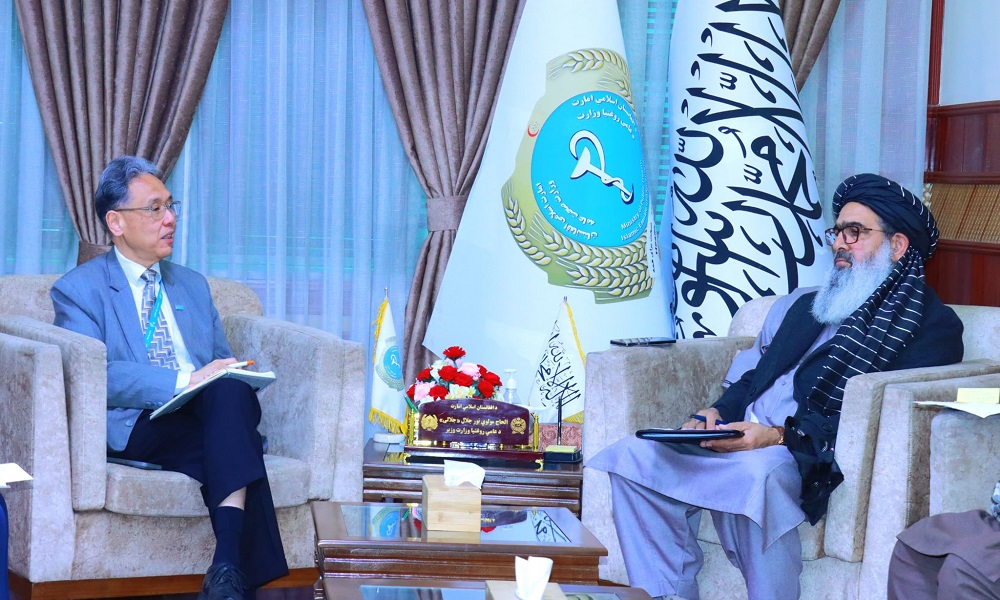
Afghanistan’s Minister of Public Health, Noor Jalal Jalali, met with the head of the World Health Organization in Afghanistan, Edwin Ceniza Salvador, to discuss expanding healthcare services and strengthening coordination in the country.
According to a statement issued Tuesday by the Ministry of Public Health, the meeting was attended by officials from the WHO and other representatives and focused on key health sector priorities and areas of mutual cooperation.
Participants discussed the expansion of health services across Afghanistan, capacity-building initiatives for healthcare workers, and the development of cancer-related services. They also reviewed operational coordination, transparency in the delivery of health services, and preparations for upcoming health-related meetings.
During the meeting, Jalali emphasized the importance of aligning health projects and services with the ministry’s national policies and strategic documents.
He stressed that all health initiatives should be implemented based on the priorities and needs identified by the Ministry of Public Health.
The minister also urged WHO officials to enhance transparency and strengthen coordination with the ministry while taking practical steps to improve the quality of health services and ensure broader public access to healthcare across the country.
For his part, Salvador reaffirmed the WHO’s commitment to maintaining close cooperation with the Afghan health ministry and to delivering essential health services in accordance with the ministry’s policies and priorities.
Health
Afghanistan faces acute shortage of specialist doctors, officials urge ethics and expansion of health services
Noor Jalal Jalali, the Minister of Public Health, said the ministry is making sustained and intensive efforts to address the gap and expand access to healthcare services in remote and underserved areas of the country.
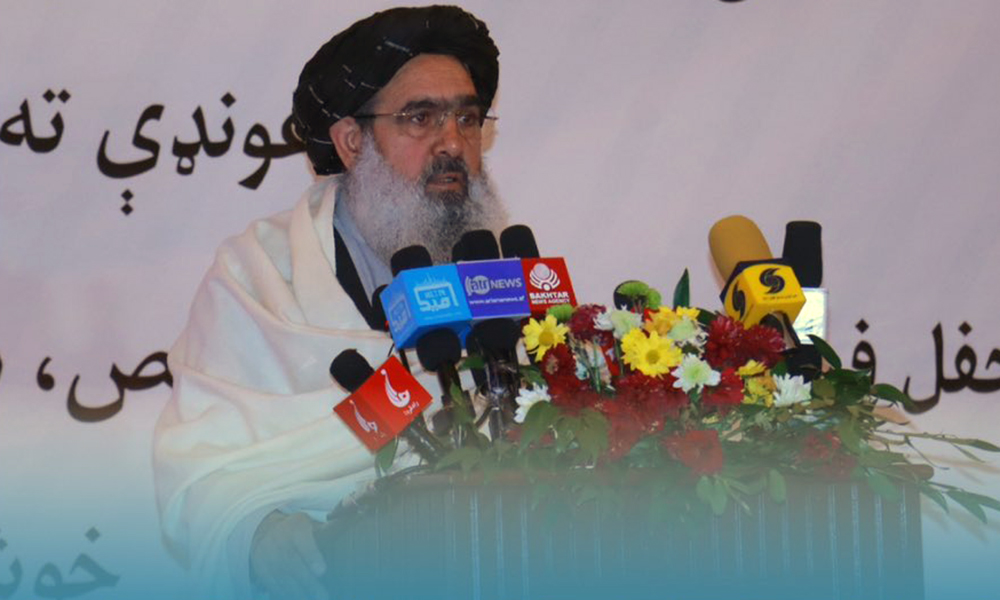
Afghanistan is continuing to face a serious shortage of specialist doctors, health officials said during the graduation ceremony of specialist physicians from the General Directorate of Medical Specialization for the year 1404.
Noor Jalal Jalali, the Minister of Public Health, said the ministry is making sustained and intensive efforts to address the gap and expand access to healthcare services in remote and underserved areas of the country.
According to Jalali, hospitals are still absent across 318 districts nationwide. He added that initial construction work for hospitals has been completed in 100 of these areas, stressing that strengthening health infrastructure and training qualified specialists remain top priorities for the ministry.
Jalali also called on doctors and health officials to uphold their professional and religious responsibilities by treating patients with compassion, dignity, and good conduct. He emphasized that medical practice should not be driven by material gain, but by the pursuit of public service and the well-being of the people.
Speaking at the same ceremony, Hamdullah Nomani, Minister of Communications and Information Technology noted a decline in public trust toward some medical professionals, saying that despite the presence of many committed and ethical doctors, the behavior of a few motivated solely by financial gain has undermined patient confidence. He urged newly graduated specialists to serve with sincerity and restore public trust in Afghanistan’s healthcare system.
Meanwhile, Abdul Wali Sadiqi, the financial and administrative deputy minister of public health, advised graduates to remain committed to their profession, fulfill their responsibilities honestly, and serve the public with dedication. He stressed that efforts in national service should match those made in personal affairs.
In addition, Abdul Baqi Haqqani, head of the National Examinations Authority, highlighted that humans carry two fundamental responsibilities: worship of Allah and preservation of health, underscoring the vital role doctors play in safeguarding public health.
Health sector experts say Afghanistan now needs skilled and professional medical personnel more than ever, calling for increased investment in specialist training and healthcare infrastructure to meet the country’s growing needs.
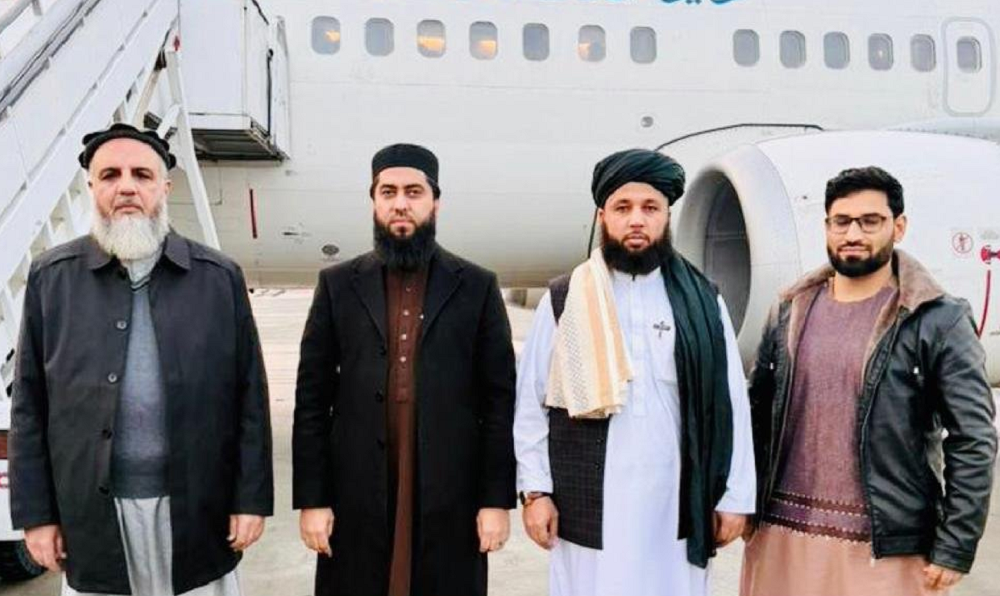
Naemullah Ayoubi, Director General of Drug and Health Products Regulation at Afghanistan’s Ministry of Public Health, has departed for Turkey on an official visit accompanied by a technical delegation.
The Ministry of Public Health said the delegation will hold meetings with officials from Turkey’s pharmaceutical regulatory authority and discuss a number of key issues related to the regulation of medicines and health products.
The delegation is also scheduled to visit several pharmaceutical manufacturing factories in Turkey.
According to the ministry, the visit aims to strengthen coordination between the two countries in the production and import of medicines, in order to ensure the availability of high-quality and affordable pharmaceuticals for people in Afghanistan in both the short and long term.


Saar: Islamic Emirate confident of Durand Line control

Afghan, Malaysian PMs discuss situation between Kabul and Islamabad

Myanmar trump Afghanistan 2-1 in Asian Cup Qualifier

Iranian naval commander Alireza Tangsiri killed in airstrike, says Israel

Tajikistan shifts stance on Afghanistan amid rising border tensions

Pakistani military jet downed in Afghanistan’s Jalalabad, pilot captured alive

Afghan Air Force conducts airstrikes in Islamabad, other cities

Prominent Muslim scholar issues fatwa calling for Afghanistan-Pakistan ceasefire

Afghan air force strikes key Pakistani military installations in retaliatory operation

IEA: Special circle in Pakistan has launched mission to destabilize region
Saar: Islamic Emirate confident of Durand Line control

Tahawol: Efforts to release Mohammad Rahim from Guantanamo Bay Detention Camp

Saar: End of ceasefire between Afghanistan-Pakistan reviewed

Tahawol: Escalating threats between Iran-US discussed

Tahawol: Possibility of US ground forces entering Iran war discussed
-
 Latest News4 days ago
Deadly violence likely without dialogue between Afghanistan and Pakistan: ICG
-
 Latest News3 days ago
Pakistan seeks Russian mediation to resolve Afghanistan tensions
-

 International Sports4 days ago
FIFA World Cup 2026: Play-Off Tournament takes centre stage
-
 Sport4 days ago
Afghanistan secures third place at 2026 World Kokpar Championship
-
 Business4 days ago
Afghani strengthens nearly 10% against US dollar amid banking sector reforms
-
 Latest News3 days ago
World must re-engage to prevent all-out Afghanistan-Pakistan war: Financial Times
-

 Sport2 days ago
Afghanistan squad hit by withdrawals ahead of AFC Asian Cup Qualifiers
-
 Latest News2 days ago
Around 2.3 million tourists visited Afghanistan’s recreational areas during Eid: Ghufran