
Latest News
Aid agency chief: IEA says guidelines on female NGO staff resuming work close to finalization

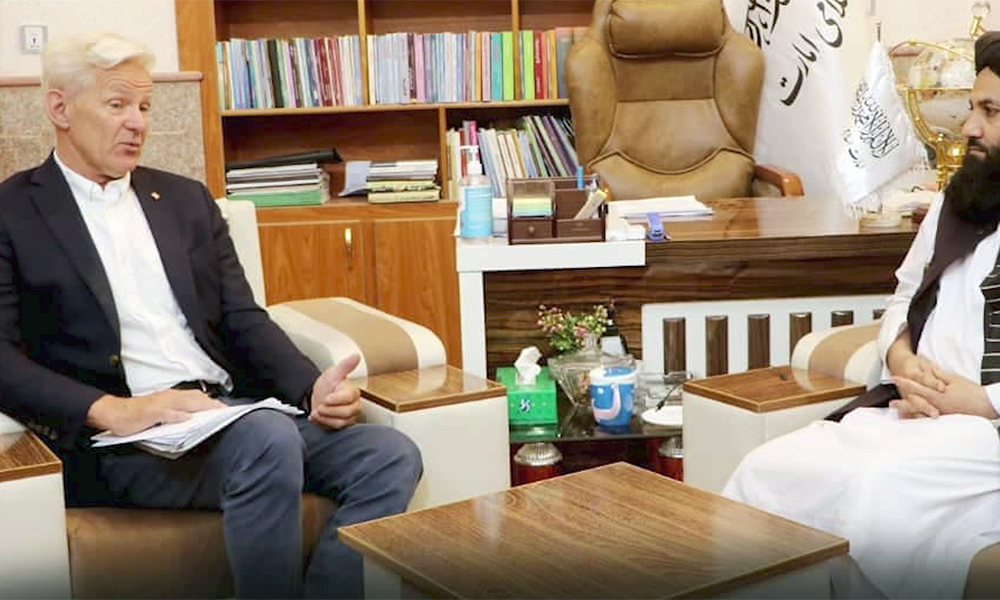
The head of a major international aid agency said Tuesday that key Islamic Emirate of Afghanistan officials told him in meetings that they are close to finalizing guidelines that will allow Afghan women to resume working for nongovernmental organizations.
But they were unable to give a timeline or details when pressed, he said.
The IEA last December barred Afghan women from working at NGOs, allegedly because they were not wearing the hijab correctly and were not observing gender segregation rules.
In April, they said this ban extended to U.N. offices and agencies in Afghanistan. There are exemptions in some sectors like health care and education, AP reported.
Days before the NGO order came into effect, the IEA barred women from universities, having already stopped girls from going to school beyond sixth grade. Last November, women were banned from public spaces, including parks.
In January, the IEA said they were working on guidelines for women to return to work at NGOs. They previously said they were working on guidelines so that girls and young women could return to education but these have yet to materialize.
Jan Egeland, the secretary-general of the Norwegian Refugee Council, is visiting Afghanistan for the second time in five months to persuade the country’s IEA rulers to reverse the ban on the organization’s female staff.
Egeland met the Kandahar deputy governor, Maulvi Hayatullah Mubarak, who he described as having “direct contact with and links” to the IEA’s supreme leader Hibatullah Akhundzada, who ordered the education and NGO bans. He also met the head of Kandahar’s Economy Directorate, Mawlawi Abdul Salam Baryali.
“The authorities in Kandahar have a special position since the emir (Akhundzada) sits in Kandahar,” he told The Associated Press. “Whatever agreement we can get in Kandahar can have a national impact. These guidelines are close to being finalized and should soon be put into effect, that is what was conveyed.”
Egeland said he pressed the officials for a timeline and clarity on the word “soon” but they didn’t elaborate.
He was told the IEA couldn’t guarantee anything as everything needed to be put to the supreme leadership. They also told him they had been working on the NGO matter for months and that most issues have been resolved.
The guidelines are likely to cover dress codes, gender segregation in the workplace, and a chaperone for travel. Egeland warned that it would not be a lifting of the ban if the guidelines went beyond that.
The Norwegian Refugee Council stands to lose 40% of its funding for Afghanistan because of the bans on female employment and education, he said.
He said the potential loss meant a 40% drop in the number of people reached.
The agency has also laid off 220 of its 1,500 workforce and closed five offices. But it retains male and female Afghan staff who are unable to work because of the bans. The agency is not deploying male-only teams.
“I believe their promises,” he said of the IEA. “But I can only accept the facts.”
Abdul Rahman Habib, a spokesman for the Economy Ministry, said it was too early to talk about the NGO guidelines.
“If it comes from another source we are not responsible for it,” he said. “We are the only source for confirmation. When the time is right we will announce it officially.”
The IEA have repeatedly told senior humanitarian officials visiting Afghanistan since December that the NGO restrictions are temporary suspensions, not a ban.

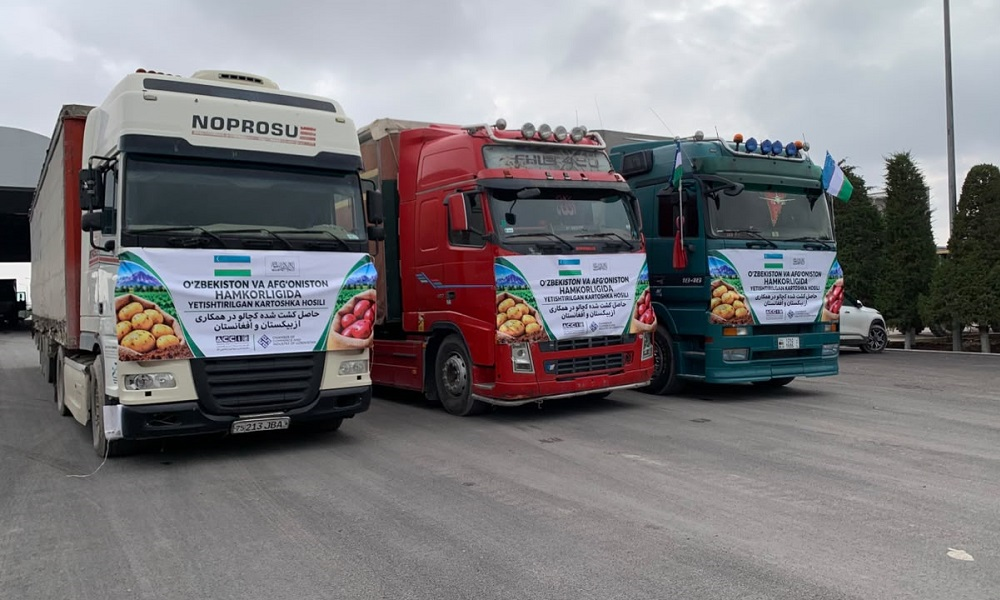
Cooperation between the Afghanistan Chamber of Commerce and Investment and the Uzbekistan Chamber of Commerce has paved the way for exporting potatoes from Bamyan province to the Uzbek market.
In this regard, Sayed Karim Hashemi, President of the Afghanistan Chamber of Commerce and Investment, and Doran Vahabov, President of the Uzbekistan Chamber of Commerce, have agreed on the export of 100,000 tons of Bamyan potatoes to Uzbekistan. Work is underway to finalize the export agreement.
Meanwhile, the first shipment of potatoes, consisting of eight trucks, has departed for the Uzbek city of Termez through the Hairatan Port.
The chambers of commerce of both countries, in cooperation with local authorities in Bamyan, have facilitated connections between traders and farmers and coordinated the purchasing, marketing, and transportation of the produce. This initiative is expected to expand market opportunities for Bamyan farmers and strengthen trade between Afghanistan and Uzbekistan.
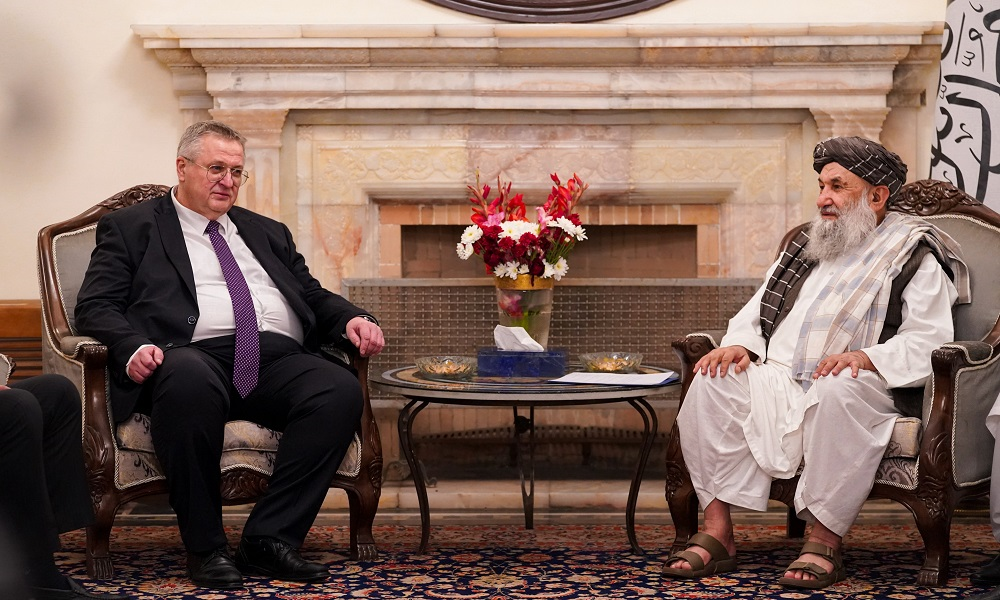
Afghanistan’s Prime Minister, Mullah Mohammad Hassan Akhund, met with Russian Deputy Prime Minister Alexey Overchuk in Kabul on Thursday evening, emphasizing the need to strengthen bilateral relations and expand economic cooperation between the two countries.
According to a statement from the Presidential Palace, several senior officials from both countries attended the meeting, including Afghanistan’s Foreign Minister Amir Khan Muttaqi and representatives of Russia’s political and economic sectors.
Akhund described Afghanistan’s security and stability as favourable conditions for foreign investment and thanked Moscow for recognizing the Islamic Emirate and supporting Afghanistan in international forums.
Meanwhile, Overchuk praised the security situation and developments in Afghanistan, expressing Russia’s interest in investing in various sectors of the country.
He said around 70 representatives of Russia’s private sector were accompanying the delegation and were expected to hold discussions with relevant ministries and institutions of the Islamic Emirate on trade and investment agreements, as well as ways to address existing obstacles.
The Russian deputy prime minister reaffirmed his country’s support for Afghanistan in various fields.
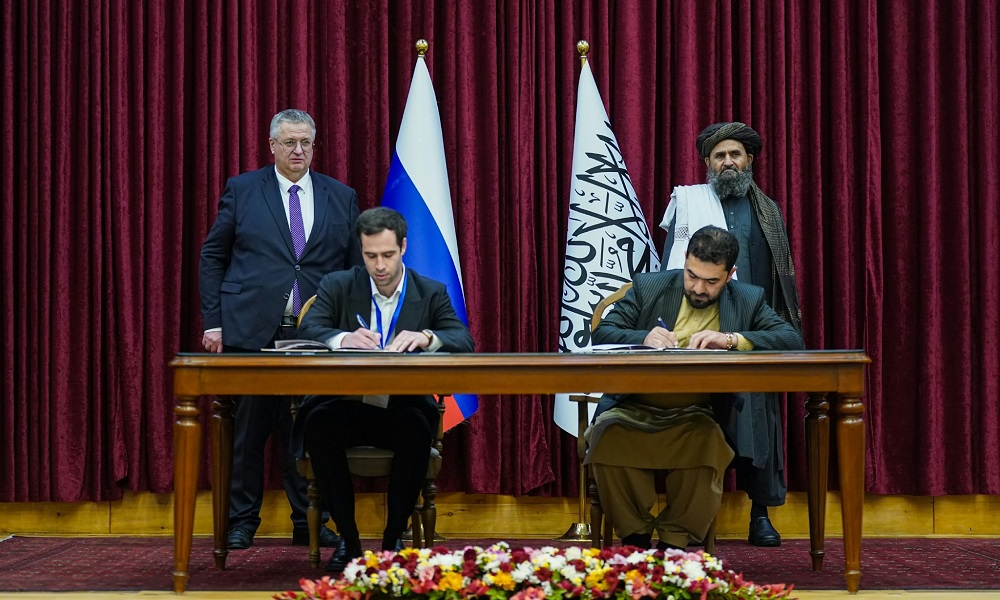
Afghanistan’s private sector and the Russian Federation have signed 15 economic cooperation agreements worth a total of $103 million.
The agreements were signed in the presence of Mullah Abdul Ghani Baradar, Deputy Prime Minister for Economic Affairs, and Alexey Overchuk, Russia’s Deputy Prime Minister.
Under the agreements, the two sides will cooperate in importing medicines, wheat, flour, and cooking oil into Afghanistan, as well as exporting fresh Afghan fruits, particularly pomegranates, to Russia.
Expanding bilateral trade relations and developing economic cooperation in various sectors are also among the key areas covered by the agreements.
According to officials, the agreements will facilitate two-way exports and imports between the two countries.

Afghanistan and Uzbekistan agree on export of 100,000 tons of Bamyan potatoes
Afghanistan and Russia discuss expanding economic cooperation and boosting investment
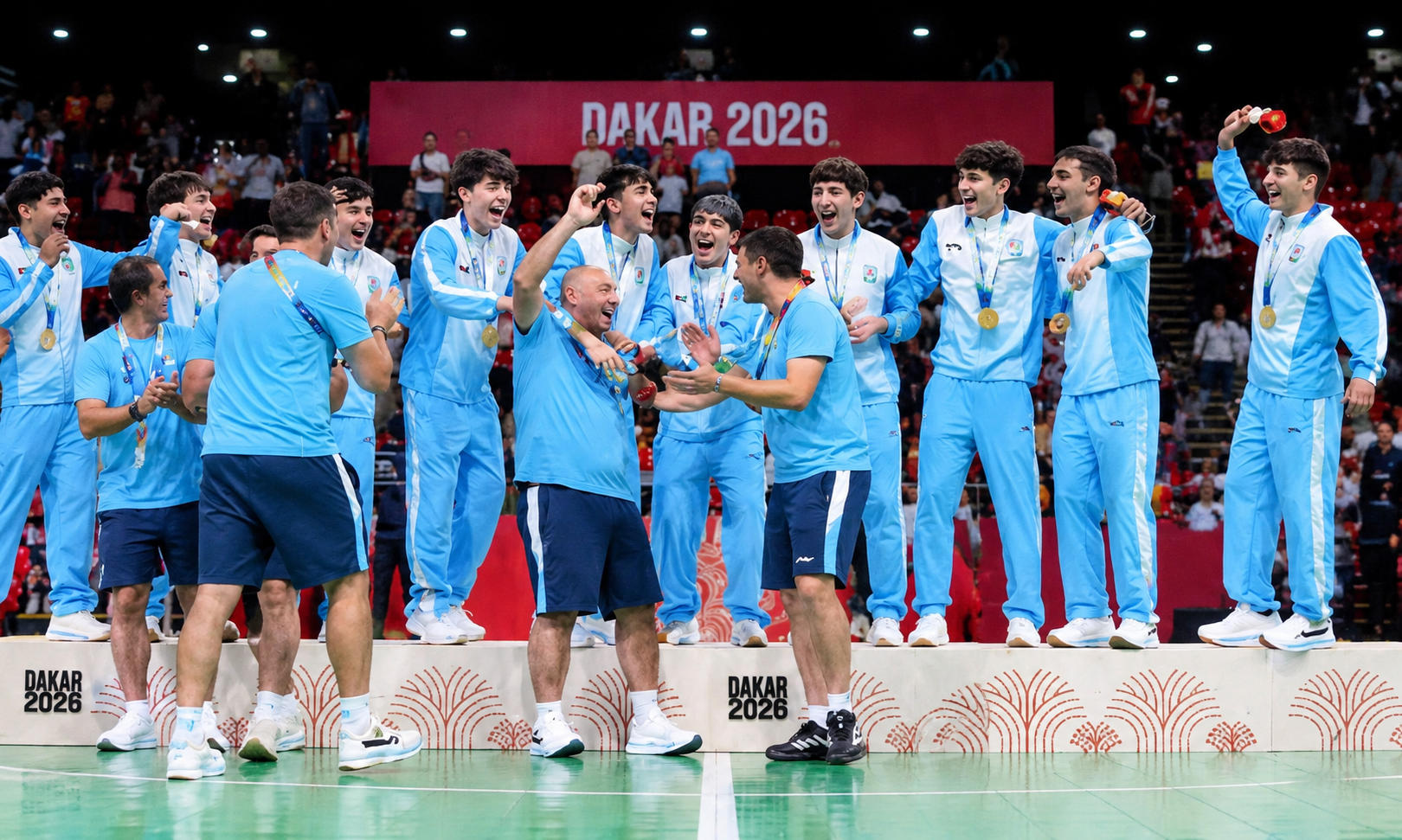
Argentina clinch futsal gold after defeating Portugal in Dakar 2026 final
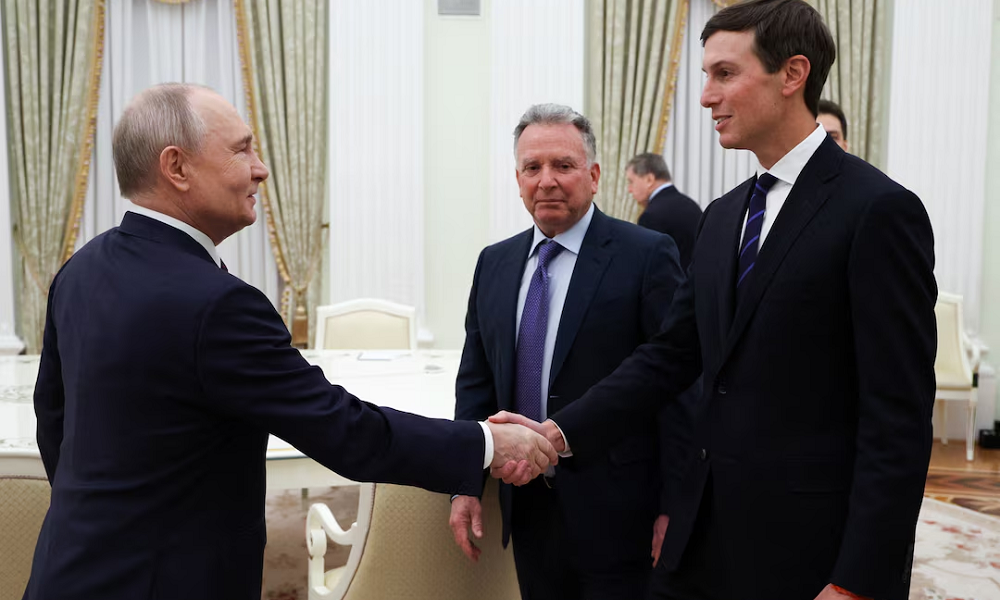
Putin agrees to European role in Ukraine peace talks as Zelenskiy welcomes move
Afghanistan and Russia sign 15 economic cooperation agreements worth $103 million

Afghanistan finish runners-up after 6-0 defeat to Brazil in futsal final

Trump says US may strike Iran’s ‘Pickaxe Mountain’ nuclear facility

Rubio heads to Central Asia while other US officials hit foreign policy hot spots

Violent protests spread across Europe as Albanian PM blames ‘foreign hand’

Governments take websites offline as critical cyber flaws trigger global alert
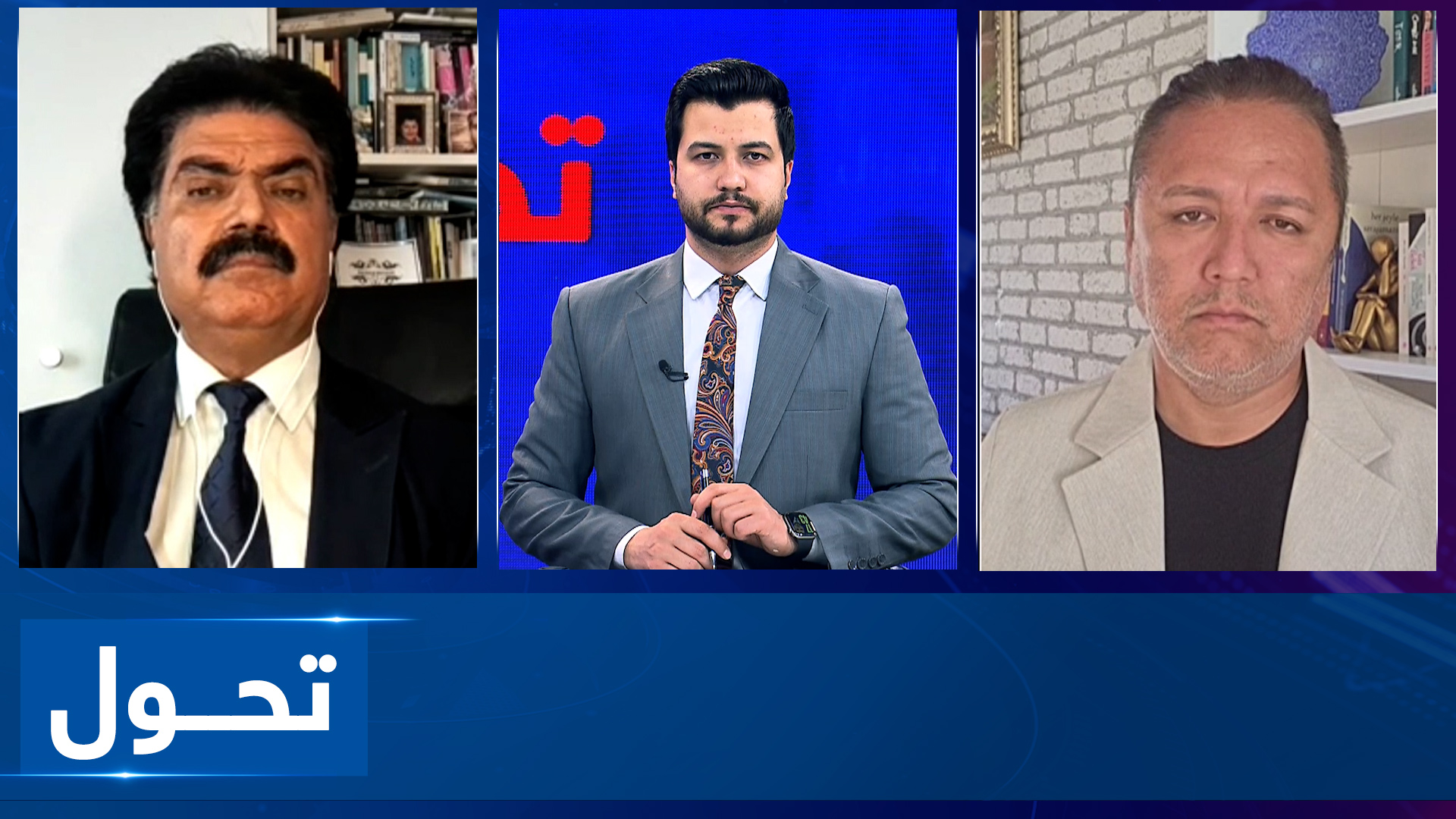
Tahawol: Russia’s special attention to situation in Afghanistan discussed
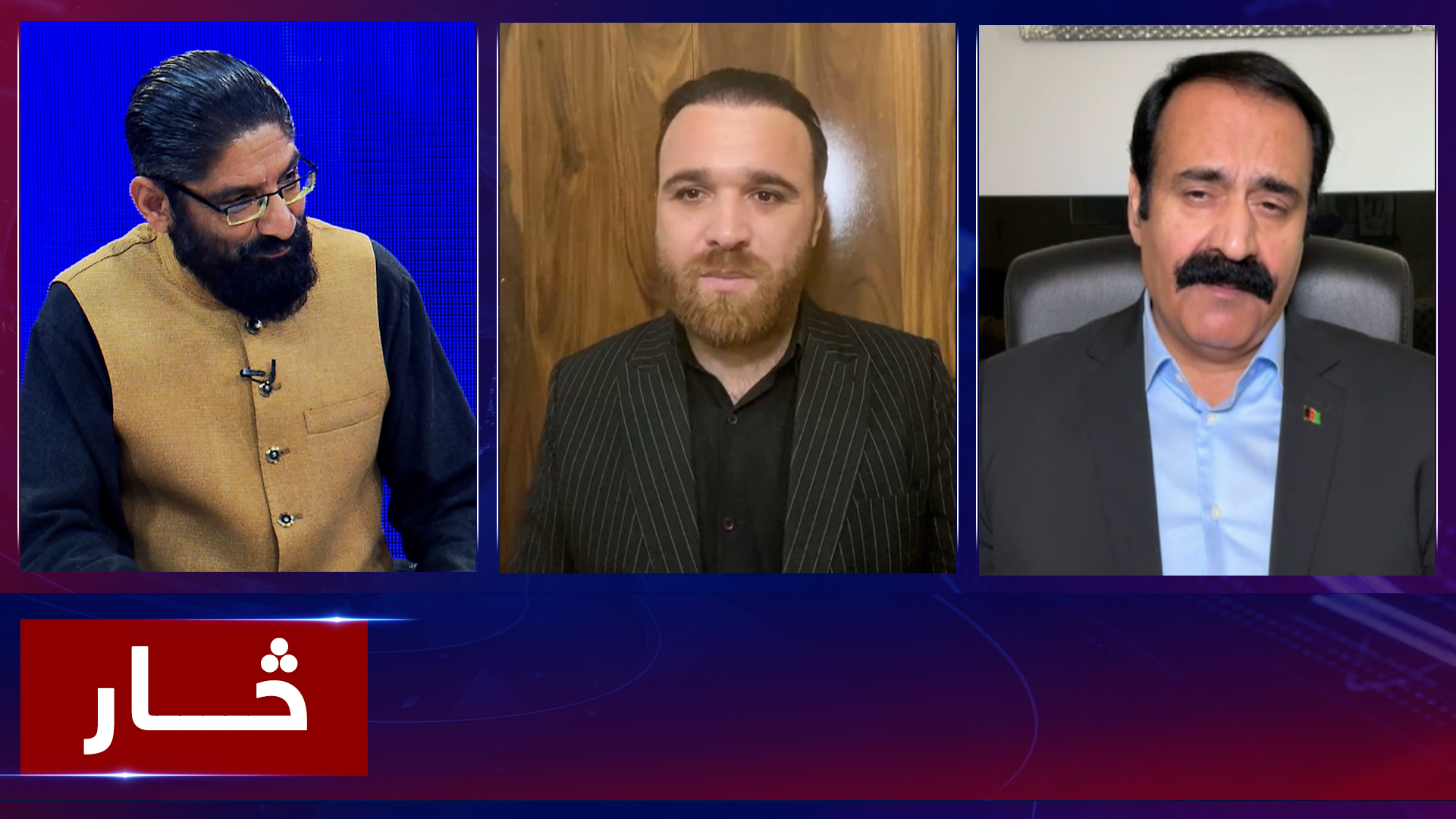
Saar: Discussion on US’s humiliating defeat in Afghanistan
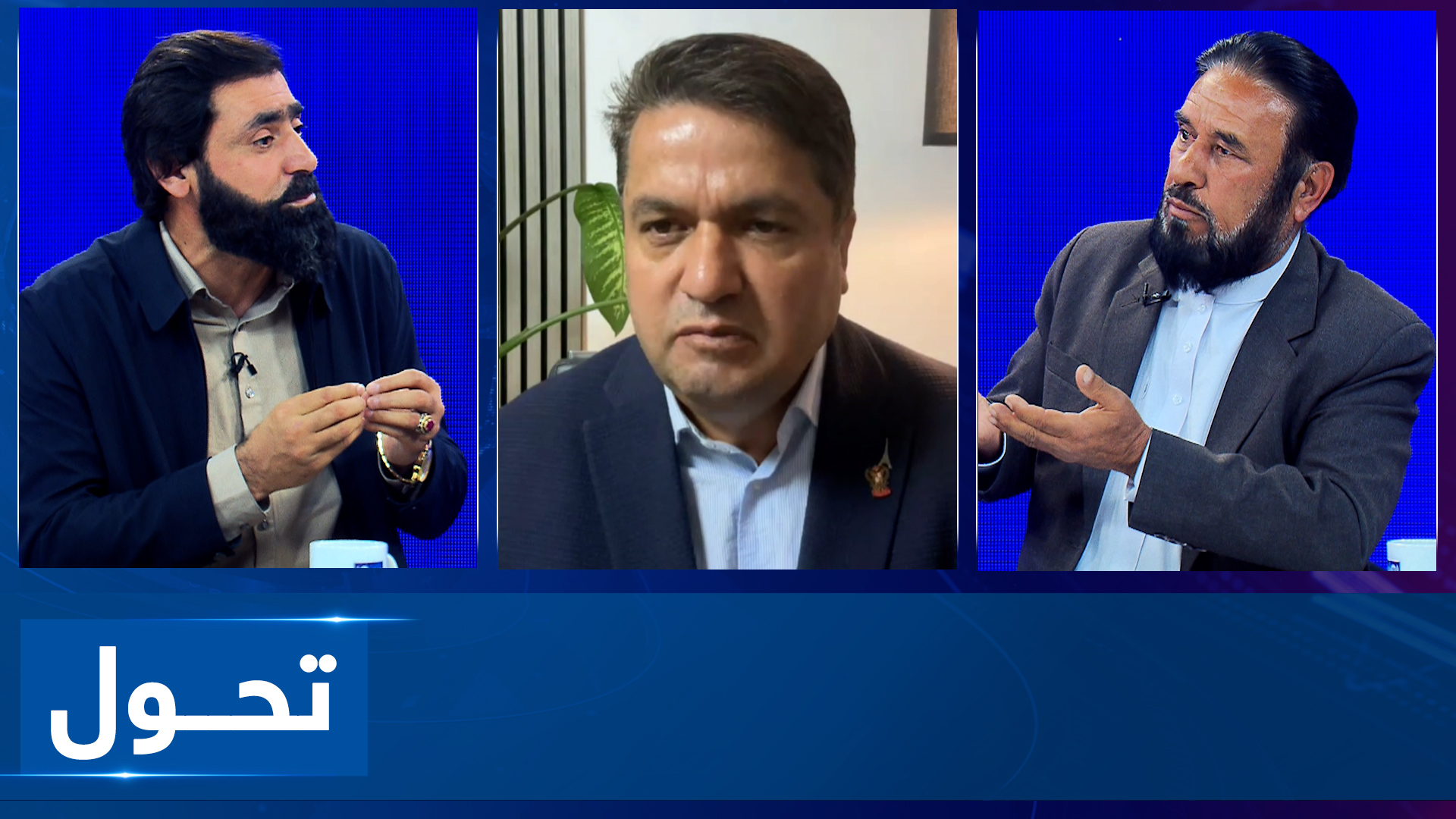
Tahawol: High-level Russian delegation’s visit to Kabul discussed
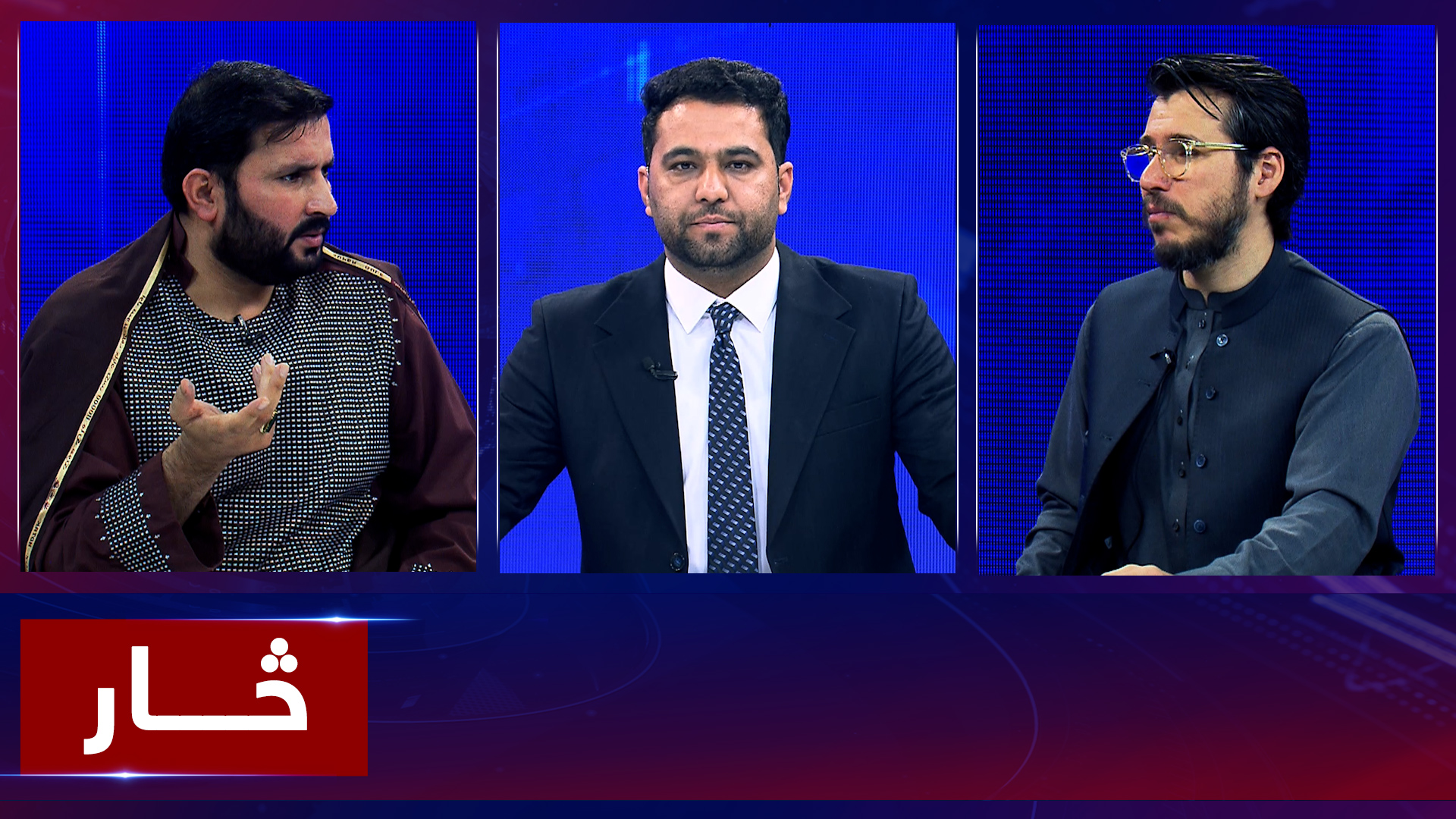
Saar: Afghanistan’s situation in focus at CSTO discussed
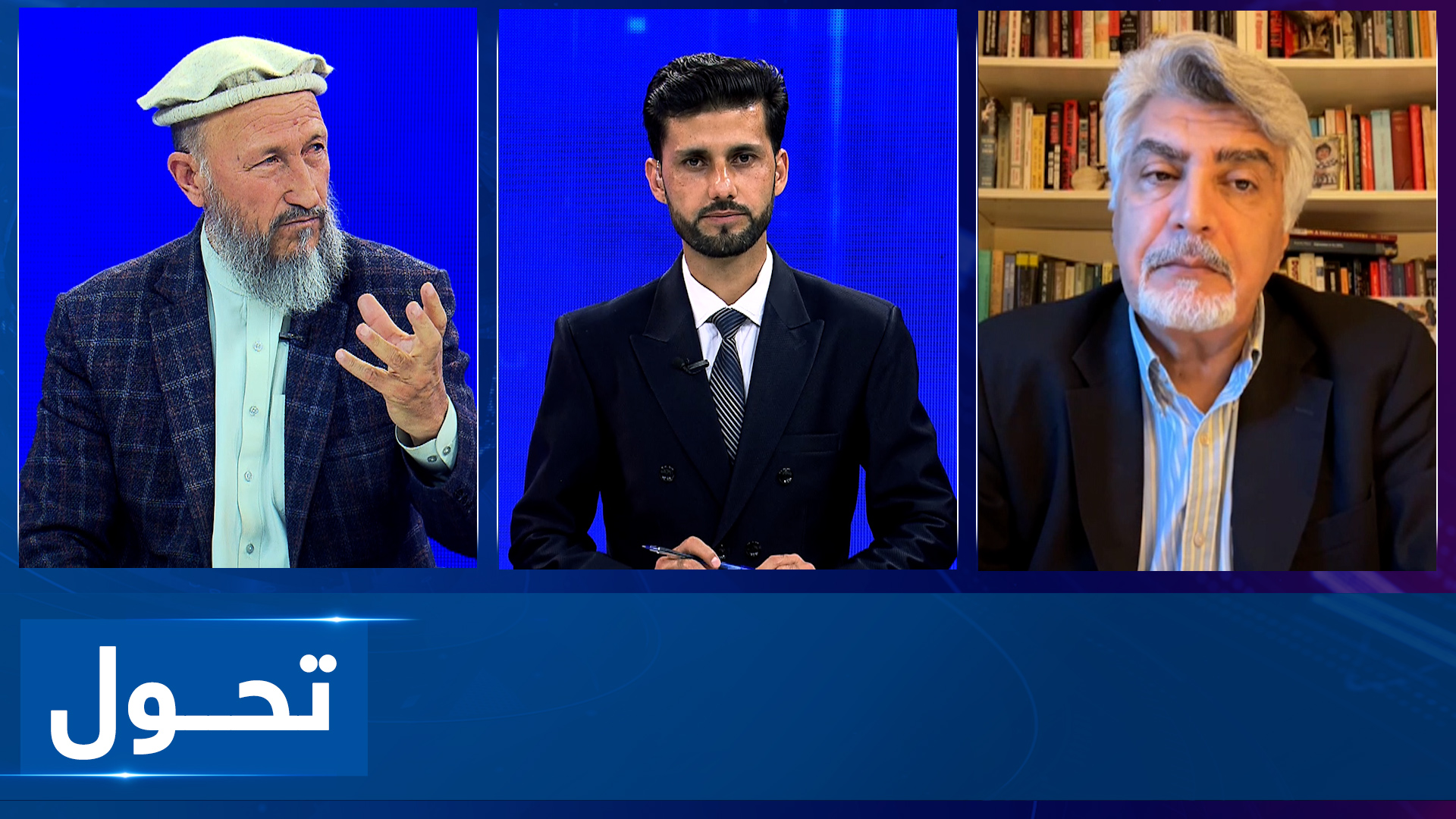
Tahawol: Efforts to halt deportation of Afghan refugees from US discussed
-
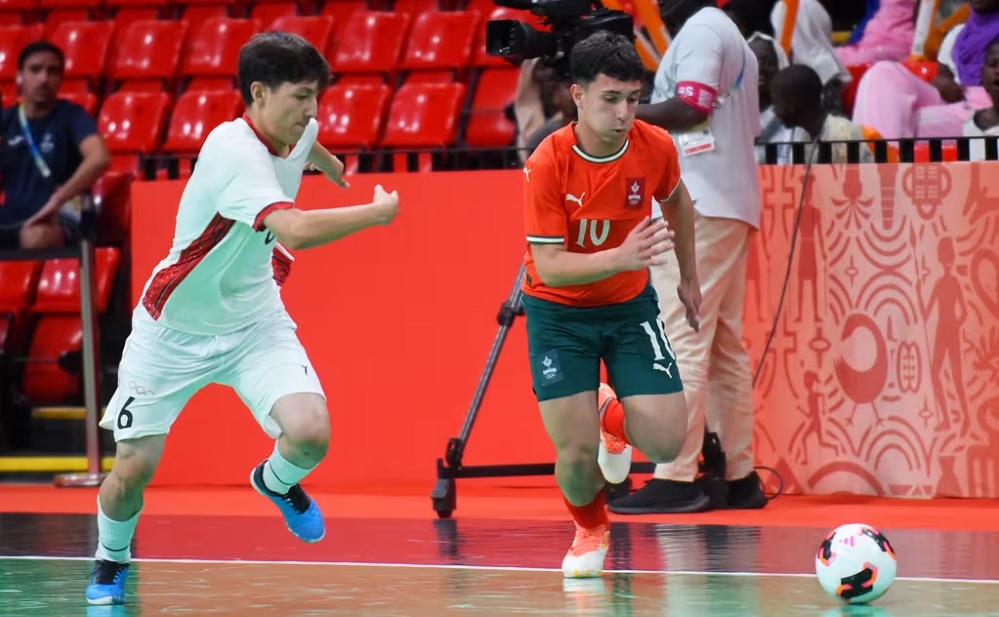 Sport4 days ago
Portugal beat Afghanistan 2-0 in Dakar Youth Olympics futsal semi-finals
-
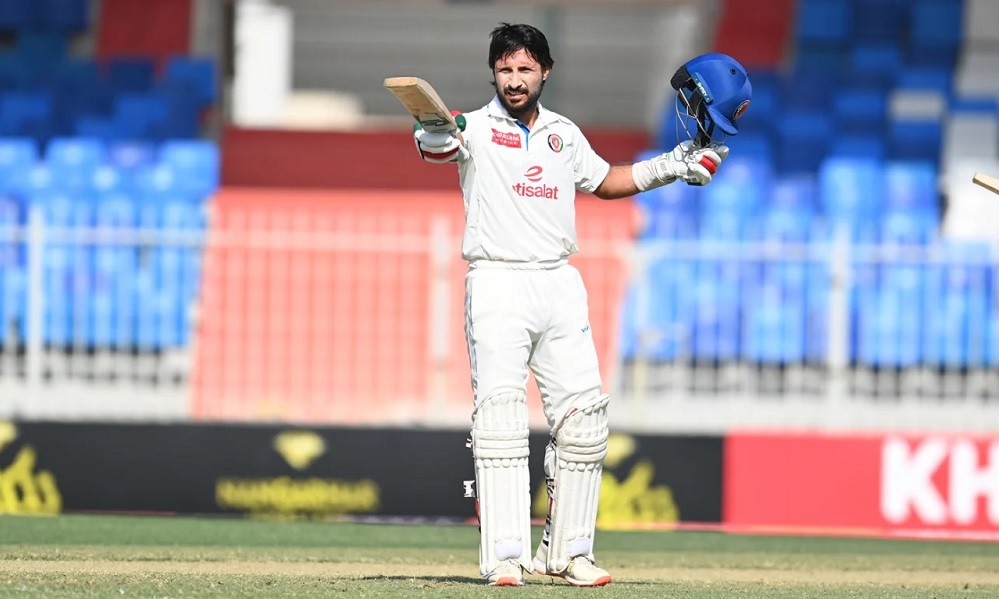 Sport5 days ago
Afghanistan’s record partnership highlights fourth day of Test against Zimbabwe
-
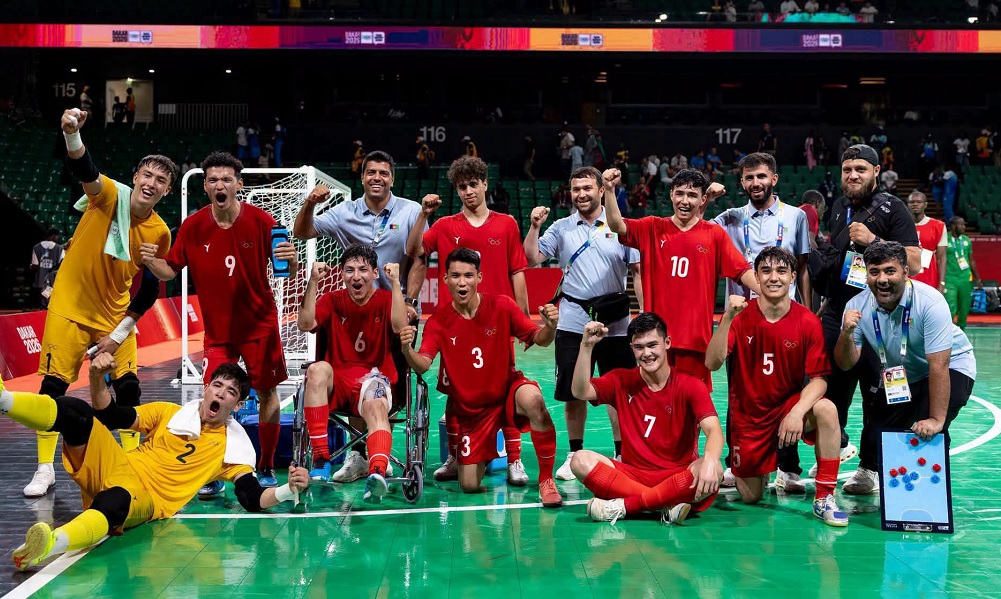 Sport5 days ago
Afghanistan thrash Senegal 6-0 to reach Dakar Youth Olympics futsal semi-finals
-
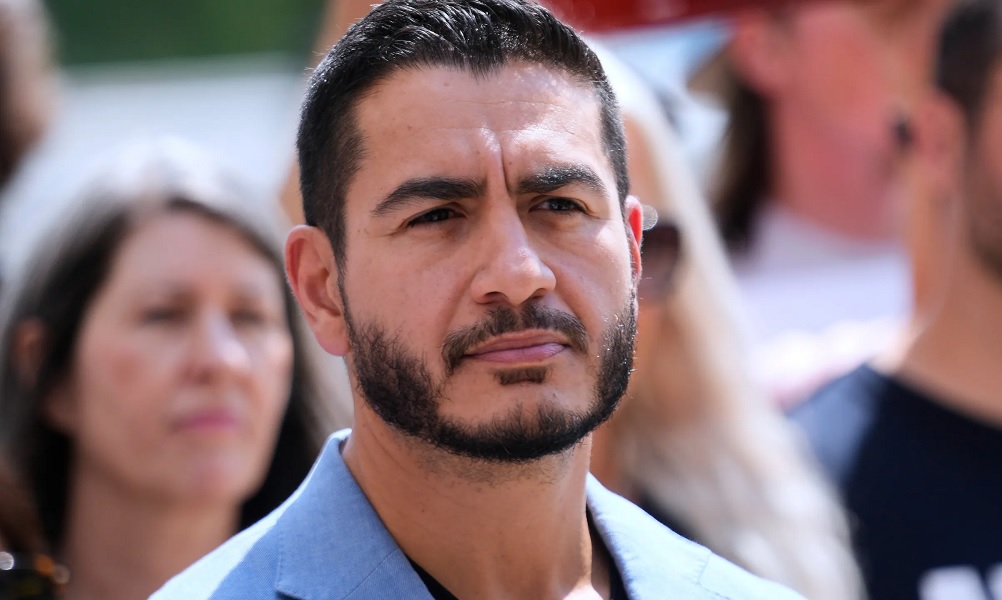 World4 days ago
First Muslim US senator-elect El-Sayed calls for review of aid to Pakistan
-
 Regional4 days ago
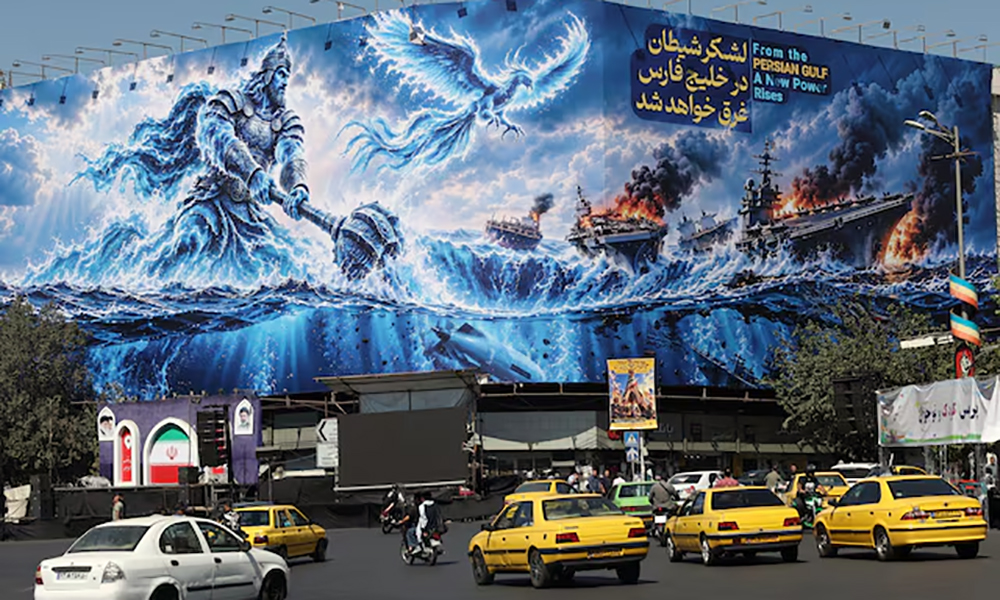
Iran defends two-day proposal for peace talks after US rejects conditions
-
 Business4 days ago
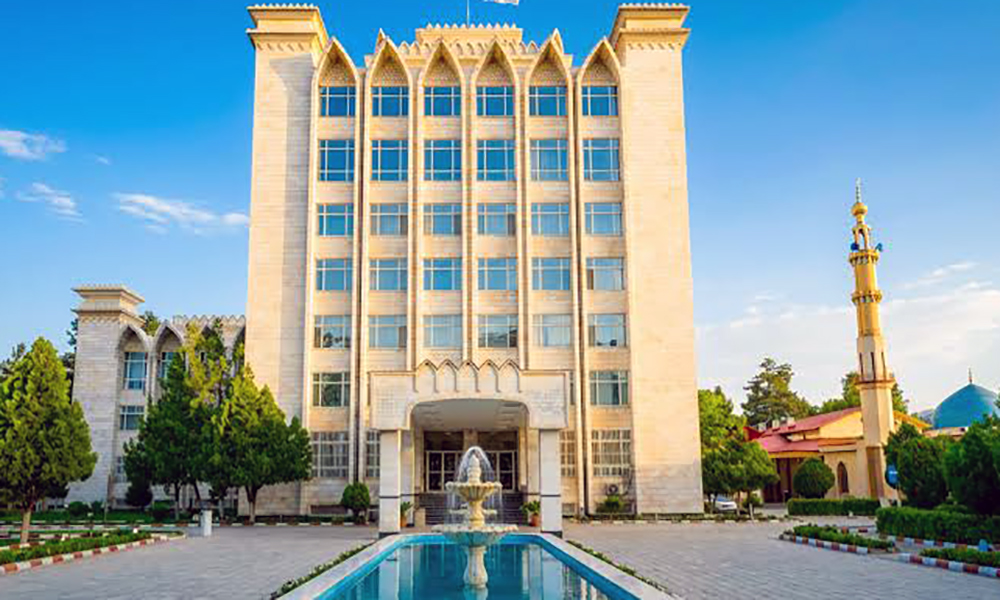
Afghanistan approves new foreign investment policy in bid to attract international investors
-
 Sport3 days ago
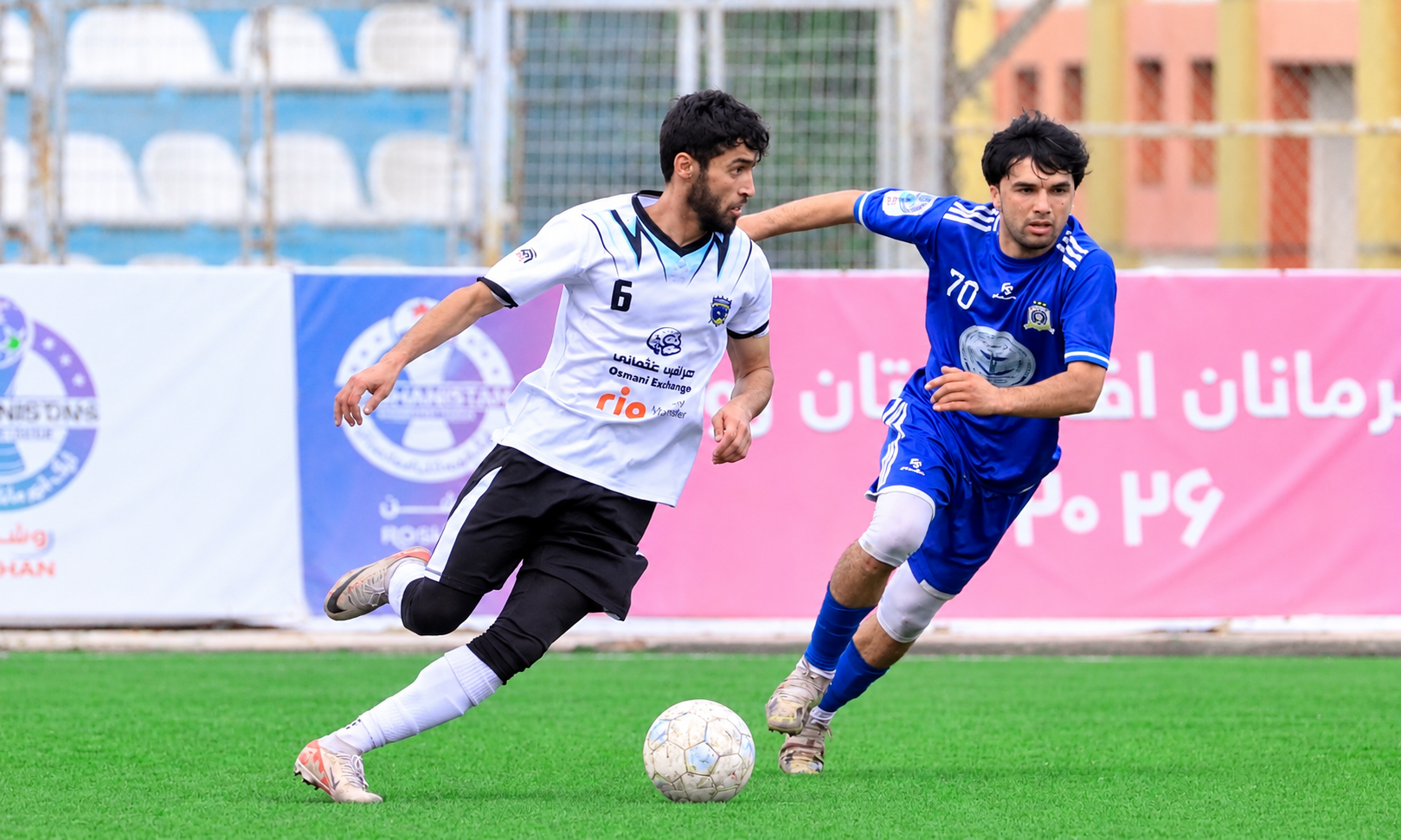
Omar Zawak thrash Istiqlal Kabul 5-1 in ACL
-
 Sport4 days ago
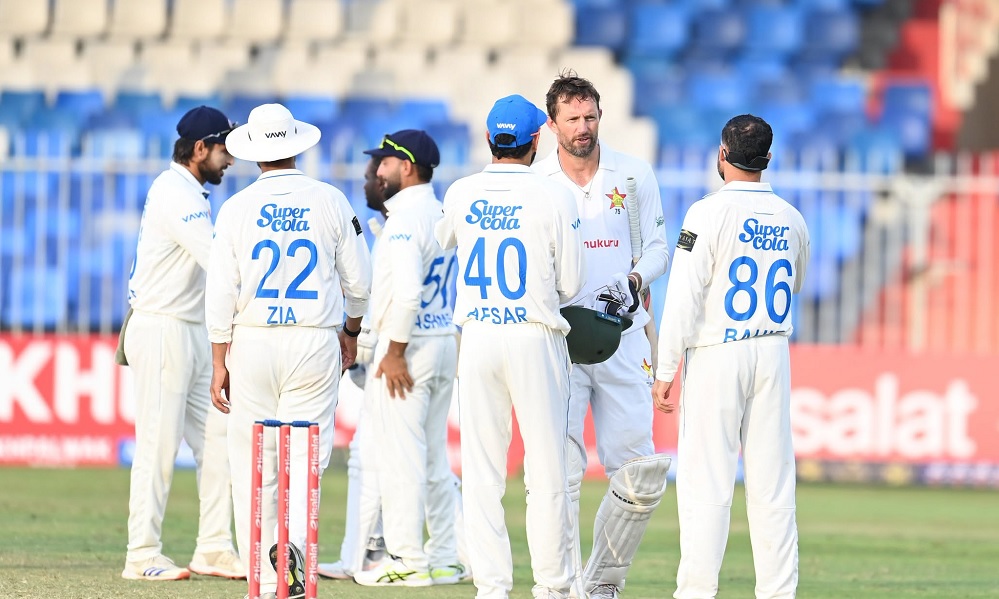
First Test between Afghanistan and Zimbabwe ends in a draw