
Health
Genetically modified pig kidney keeps man alive for record nine months

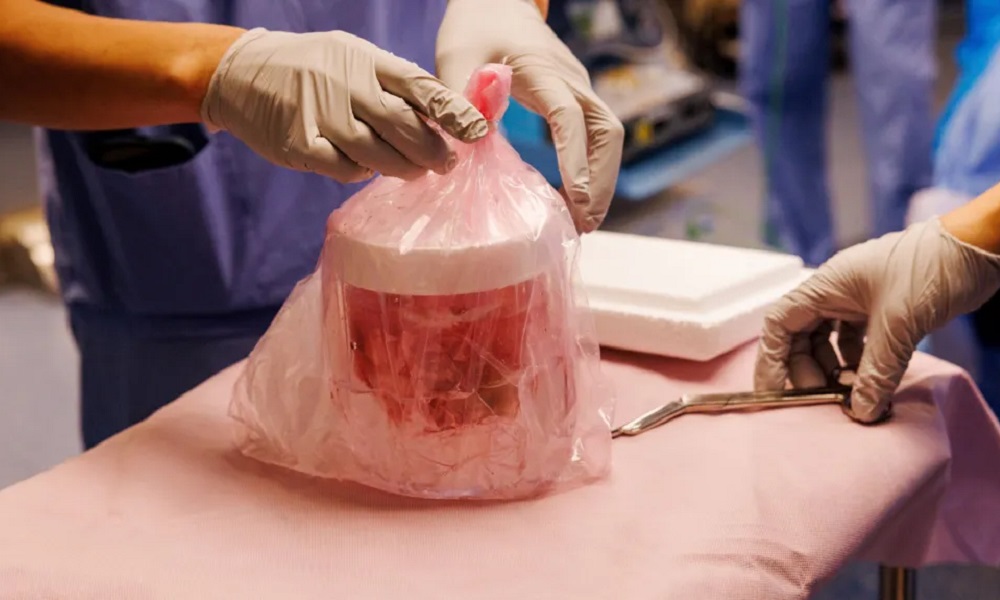
A genetically modified pig kidney has kept a 66-year-old man with end-stage kidney disease alive without dialysis for a record nine months, marking the first time a pig kidney has successfully served as a temporary “bridge” to a human kidney transplant.
Tim Andrews, from New Hampshire, was suffering from severe kidney failure caused by type 2 diabetes. Doctors said he had only a 9% chance of receiving a human kidney within five years, while facing a more than 40% risk of dying or being removed from the transplant waiting list.

Tim Andrews preparing for surgery in January 2025
Surgeons at Mass General Brigham in Massachusetts transplanted a kidney from a genetically modified Yucatan miniature pig named Wilma into Andrews in January 2025. The kidney functioned for 271 days, allowing him to remain free of dialysis before it began to fail.
After the pig kidney was removed, Andrews spent several months back on dialysis before receiving a kidney from a deceased human donor. The human kidney was functioning well after six months of follow-up, according to findings published in the medical journal The Lancet.
The transplant represents the longest dialysis-free survival recorded following a pig kidney xenotransplant in a living person. It is also the first documented case in which a patient successfully moved from a pig kidney transplant to a human kidney transplant.
Before the procedure, Wilma’s genome underwent 69 genetic modifications. Some changes were intended to reduce the risk of viruses being transmitted to humans, while others were designed to make the pig kidney more compatible with the human immune system and reduce the risk of rejection.
Andrews described the procedure as a “miracle”, saying it allowed him to return to everyday activities. He said he was able to cook, vacuum and take long walks with his dog.
The development could offer a potential solution to the severe shortage of human organs available for transplantation. Kidney transplantation provides the best survival prospects and quality of life for patients with end-stage kidney disease, but the global demand for donor kidneys far exceeds the supply.
Dr Leonardo Riella of Mass General Brigham said the shortage of organs remains “the greatest crisis” in transplantation. He said genetically modified animal organs could initially be used to help patients avoid dialysis while they wait for a human donor kidney and could eventually become a long-term treatment option if their safety and durability are established.
The pig kidney began showing damage to its blood vessels after about six months, eventually leading to organ failure and its removal nine months after transplantation.
Doctors found no new antibodies against human tissue following the procedure, suggesting the pig kidney did not make Andrews’ subsequent human transplant more difficult. No pig viruses or other pig pathogens were detected at any point.
The researchers cautioned that the result is based on a single patient with no comparison group. They said the outcome also depended on careful patient selection and intensive specialist care that may not be available in all settings.
Further clinical trials will be needed to determine whether genetically modified pig kidneys can safely and reliably be used as a bridge for other patients facing long waits for human organs.
The researchers said the case nevertheless provides new evidence that pig kidney transplantation could help address the global organ shortage and potentially offer patients a way to remain off dialysis while waiting for a human kidney.








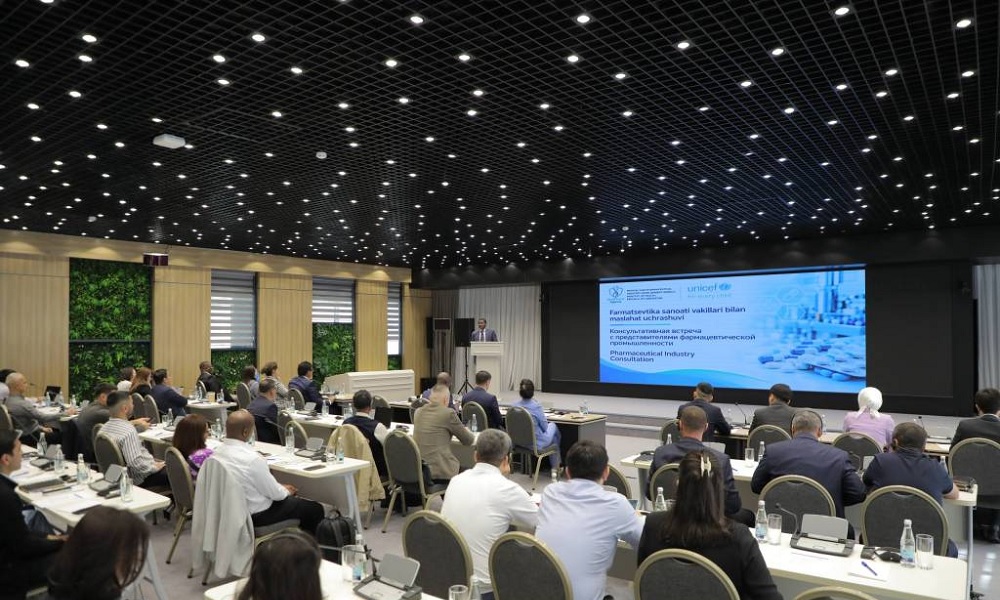
Uzbekistan’s Agency for the Development of the Medical and Pharmaceutical Industry has held talks with UNICEF representatives and local pharmaceutical companies on expanding cooperation and opportunities to supply medicines to Afghanistan.
The meeting was attended by Agency Director Abdulla Azizov, UNICEF Representative in Afghanistan Tajudeen Oyewale, and UNICEF Deputy Representative in Uzbekistan Geoffrey Ijumba.
According to Uzbekistan’s National News Agency, discussions focused on expanding access to international procurement platforms for Uzbek-made medicines, ensuring compliance with international quality standards, and improving transparency in pharmaceutical procurement and tender procedures.
The participants also explored mechanisms for bilateral agreements and potential medicine supplies to Afghanistan.
During the visit, the delegation toured BioPharma City, a pharmaceutical cluster under construction in the Tashkent region, and the Pharmaceutical Technical University. They were briefed on projects aimed at expanding domestic pharmaceutical production and training qualified specialists.
Health
WHO calls for greater mental health support in Afghanistan
World Mental Health Day is observed annually on October 10 to raise awareness of mental health challenges, reduce stigma and encourage access to appropriate care and support.
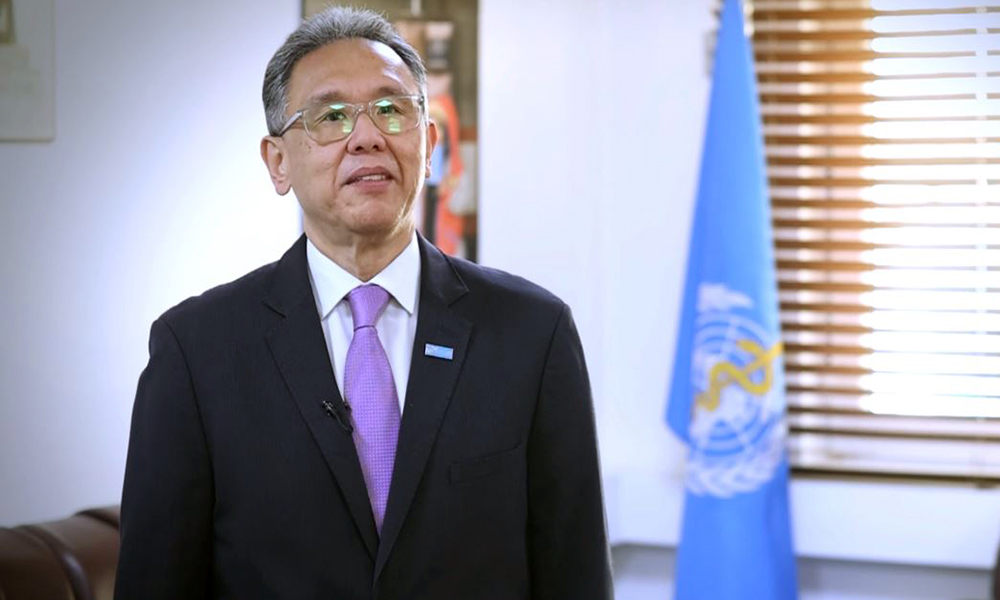
The World Health Organization (WHO) has called for greater attention to mental health care in Afghanistan, warning that many Afghans are experiencing psychological distress due to the loss of loved ones and the challenges of daily life.
Dr. Edwin Ceniza Salvador, the WHO representative in Afghanistan, made the remarks on Saturday, October 10, marking World Mental Health Day. He emphasized that mental health deserves the same level of attention as physical health and urged people experiencing psychological difficulties to seek support and recognize that they are not alone.
Salvador said that listening with empathy and without judgment, supporting one another and speaking openly about mental health issues can help build stronger families and healthier communities.
Highlighting this year’s World Mental Health Day theme, “Mental health in humanitarian emergencies,” he stressed the importance of listening to people’s personal experiences and ensuring their concerns and needs are heard.
He also called on Afghans to show greater compassion, support those facing emotional and psychological challenges, and strengthen community solidarity so that no one is left without care or assistance.
World Mental Health Day is observed annually on October 10 to raise awareness of mental health challenges, reduce stigma and encourage access to appropriate care and support.
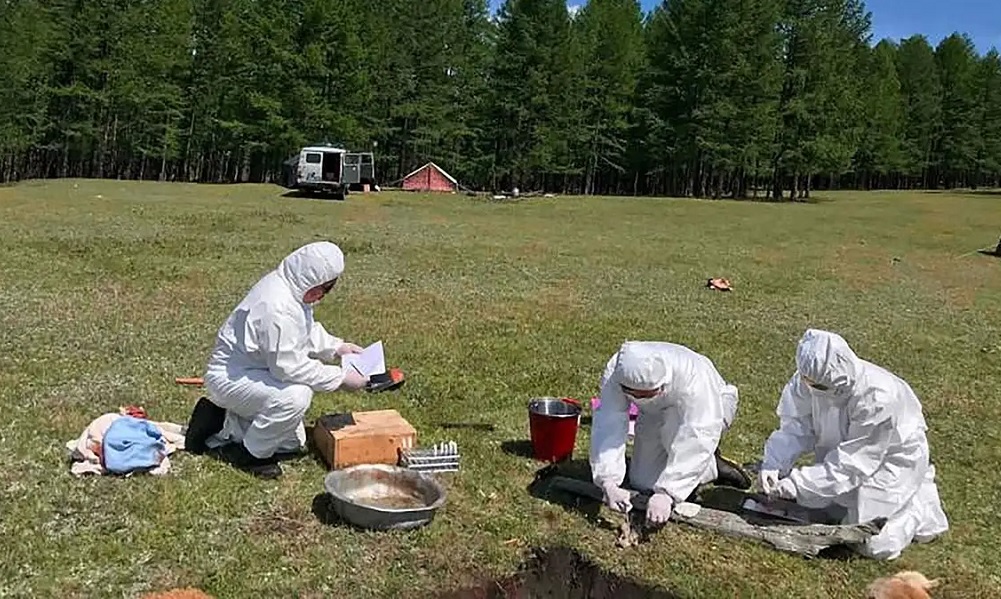
President Donald Trump says the United States is ready to help Russia after reports of a suspected pneumonic plague case in Siberia, as authorities monitor nearly 200 people who may have come into contact with the woman who died.
The woman, a laboratory worker at the Irkutsk Anti-Plague Research Institute, identified in reports as 28-year-old Darya Shipilova, became seriously ill while working at the institute and later died in hospital.
Reports initially suggested she may have been exposed to plague bacteria following an incident at the laboratory. However, Russian health authorities have rejected that account and said she died from pneumonia of unknown origin.
Officials said testing had not detected microorganisms associated with her professional activities and that there was no confirmed laboratory accident involving dangerous pathogens.
As a precaution, authorities have placed people who may have had contact with the woman under medical observation. Five hospitals in the region have also been placed under quarantine measures.
No additional cases of plague have been confirmed, and officials have said those under observation are not showing symptoms associated with the disease.
Pneumonic plague is a severe form of plague that affects the lungs and can spread between people through respiratory droplets. It can, however, be treated with antibiotics when treatment begins promptly.
Trump offers US assistance
The reports have also drawn attention in Washington.
Trump said the United States was closely monitoring the situation and was prepared to assist Russia.
“We’re looking at it very strongly, we just heard about it,” Trump told reporters when asked about the reported risk of pneumonic plague coming from Russia.
“We’ll help them, we’ll help them as much as we can,” he said.
Trump also said he had not spoken with Russian President Vladimir Putin about the reported case.
US Secretary of State Marco Rubio said Washington was monitoring developments but indicated there was no immediate cause for alarm. The US State Department said it was coordinating with the Centers for Disease Control and Prevention and other agencies.
No confirmed outbreak
Despite reports describing the incident as a plague outbreak, Russian authorities have not confirmed a wider outbreak of pneumonic plague.
The cause of the laboratory worker’s illness remains a key point of uncertainty. Russian officials maintain that she died from pneumonia of unknown origin and that tests have not established a connection to plague bacteria.
The monitoring and quarantine measures are precautionary and are intended to identify any potential infections while the investigation continues.
Nearly 200 people are being monitored — but there are currently no confirmed cases of pneumonic plague among them.


Iran calls for extending Herat railway to Uzbekistan border

People need sports and recreation, says Anas Haqqani

IEA launches 40 million afghani road rehabilitation project in Panjshir

Violent protests spread across Europe as Albanian PM blames ‘foreign hand’

Greek coast guard says 12 migrants die in Aegean sea crossings

Cricket Bonanza: Afghanistan set for packed international schedule

Afghanistan says 28 killed, 32 captured in Nuristan operation

Silk Road highway in Wakhan corridor now reaches the China border

CNN, MS NOW and Politico sue Trump, challenging White House ban

Dogharoun handles 60% of Iran’s exports to Afghanistan
Violent protests spread across Europe as Albanian PM blames ‘foreign hand’

Tahawol: Afghanistan’s empty seat at OIC Meeting

Saar: Islamic Emirate–Pakistan clashes discussed

France rocked by nationwide clashes, looting and fires

Tahawol: Russian economic delegation’s visit to Kabul
-

 Latest News4 days ago
India, Russia hold security talks on Afghanistan and Pakistan amid regional tensions
-
 Latest News4 days ago
Uzbekistan gains ground in Afghanistan’s flour market as Kazakhstan loses exports
-

 Sport1 day ago
Afghanistan reach Brazil futsal tournament final after beating Cape Verde 4-2
-
 Latest News5 days ago
OIC envoy briefs Kabul diplomats on talks with Afghan authorities
-

 Regional4 days ago
School roof collapse kills teacher, 21 children in NW Pakistan
-

 Latest News4 days ago
Iran says nearly 60,000 Afghan students attend its universities, urges more refugee aid
-

 Latest News4 days ago
Afghanistan, Saudi Arabia discuss solar and wind energy cooperation
-

 Business3 days ago
Regional partners seek progress on Trans-Afghan corridor and CASA railway