
Latest News
IEA reports major achievements in diplomacy, security and development in 2025
These achievements underscore the IEA’s efforts to advance diplomacy, strengthen security, manage natural resources, support vulnerable communities, and facilitate the safe return of Afghan migrants.

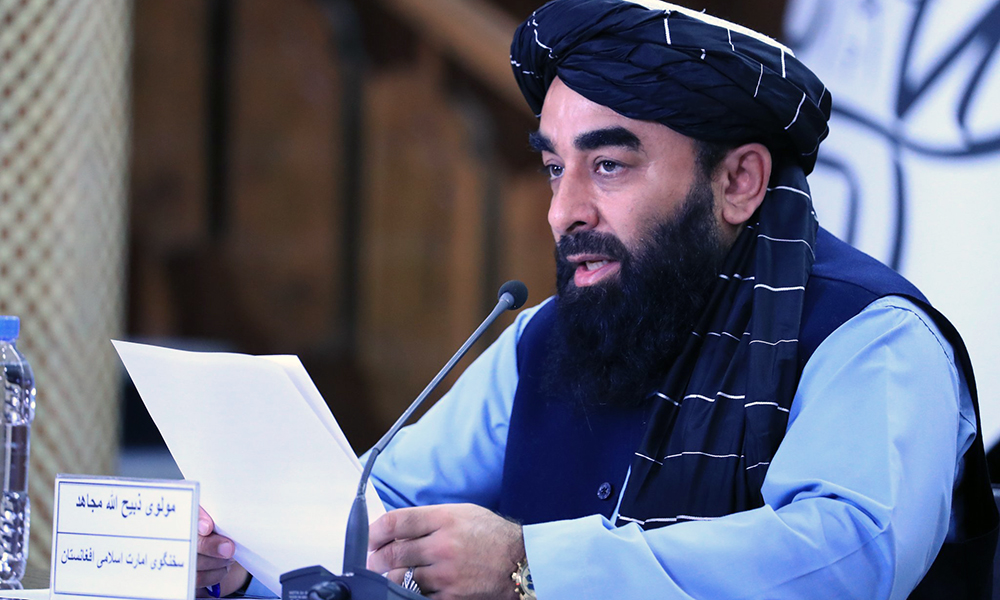
The Islamic Emirate of Afghanistan (IEA) achieved significant progress in 2025 across diplomacy, security, and development, according to spokesperson Zabihullah Mujahid.
Diplomacy and International Relations
Mujahid stated that the IEA was formally recognized by Russia, and cabinet members—including deputy prime ministers and ministers—undertook 99 foreign trips to strengthen economic, trade, and diplomatic ties. These efforts reflect the Emirate’s commitment to expanding international cooperation and enhancing Afghanistan’s global standing.
Security Forces Training
The Ministry of Defense trained 181,084 security personnel last year. Additionally, 100,300 police officers completed specialized training in areas such as security, criminal investigation, border management, and logistics.
Construction and Water Management
Mujahid noted that nine major dams have been completed or are under construction, along with 341 small dams, aimed at improving water management nationwide.
Support for Addicts and Vulnerable Communities
A total of 35,228 drug addicts received rehabilitation and reintegration support, while 10,664 beggars in major cities were stabilized and provided with a cash grant of 2,000 AFN each to meet basic needs.
Return of Afghan Migrants
The spokesperson highlighted that 2.8 million Afghan migrants and citizens returned from abroad in 2025. Their repatriation was efficiently managed, with essential services provided and residential settlements being distributed to support returnees.
These achievements underscore the IEA’s efforts to advance diplomacy, strengthen security, manage natural resources, support vulnerable communities, and facilitate the safe return of Afghan migrants.

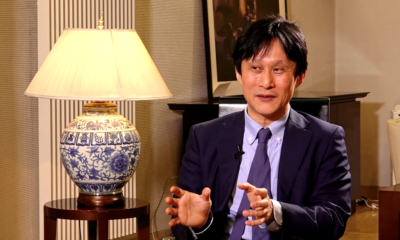







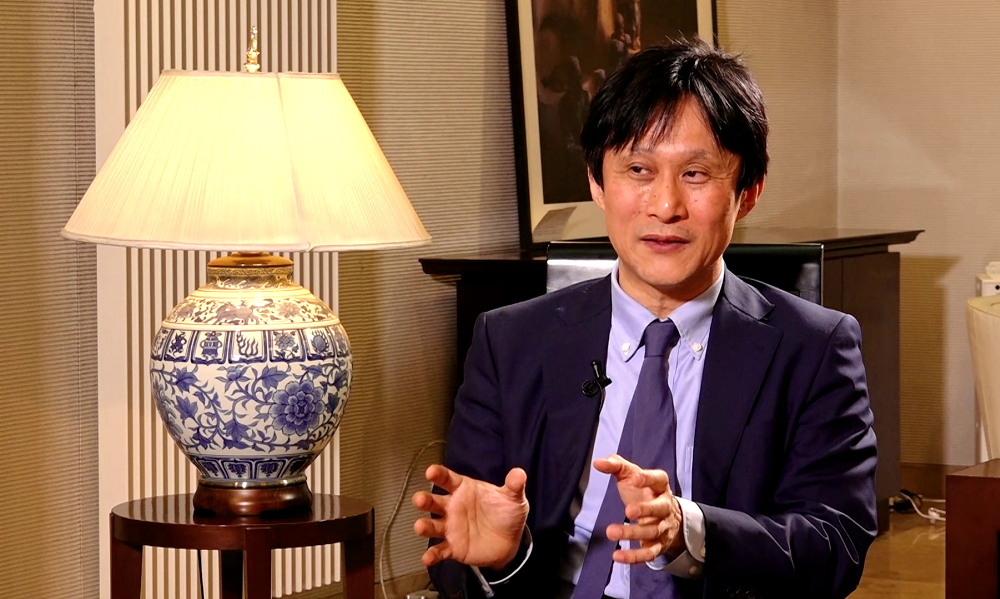
Japan continues direct communications with Islamic Emirate officials through its Kabul embassy, despite the lack of formal diplomatic relations, Kenichi Masamoto, Japanese Ambassador to Kabul, told Ariana News in an exclusive interview.
Masamoto noted that no final decision has yet been made regarding the future of Afghanistan’s embassy in Tokyo.
“At present, there are no official diplomatic relations, and certain restrictions exist,” he said. “However, we are working to find appropriate channels for dialogue and engagement. The Afghan Embassy in Tokyo had been managed by diplomats of the former government appointed under the previous Republic. Following discussions with Japanese authorities, it was agreed that the embassy would close at the end of January, and this has now been completed. No final decisions have been made regarding future arrangements.”
The ambassador emphasized that progress in the Doha process could help end Afghanistan’s isolation and open the door to broader international engagement with the Islamic Emirate. “As a member of the international community, this process will also create more opportunities for Japan to engage with Afghanistan,” he said.
Masamoto stressed the international community’s concern over the ongoing suspension of secondary and higher education for girls, noting that Japan shares this concern. “Girls’ education is critical for Afghanistan’s future. This is not only the position of the international community—it is also in the best interest of Afghanistan’s future. The international community wants this suspension to end as soon as possible,” he said.
Despite these challenges, Japan will continue to support the Afghan people, focusing on humanitarian aid and the provision of basic needs through the United Nations. The ambassador highlighted that Tokyo has stood by the Afghan people during difficult times and will continue to do so.
The Afghan Embassy in Japan officially closed at the end of January 2026.
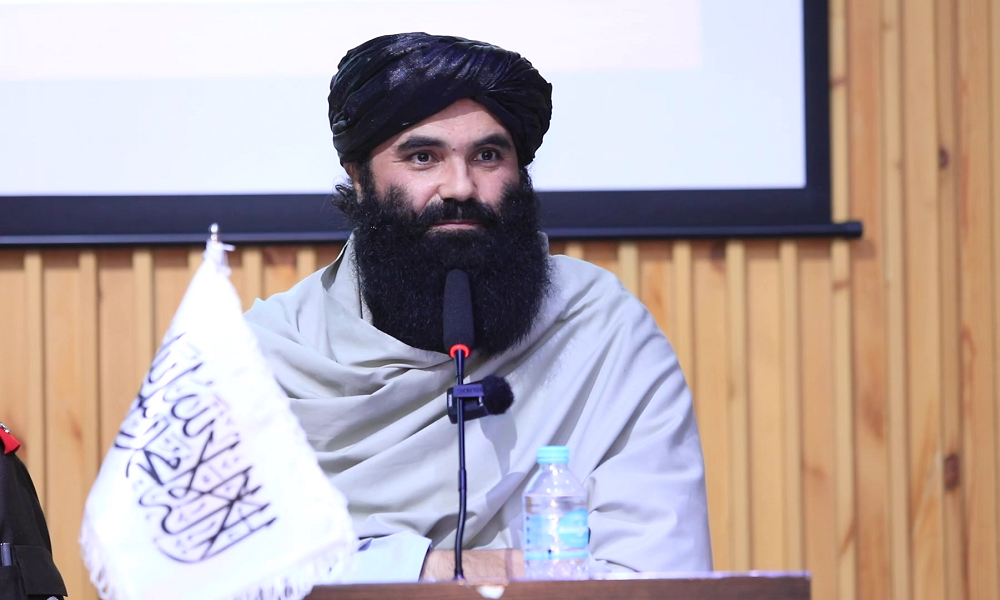
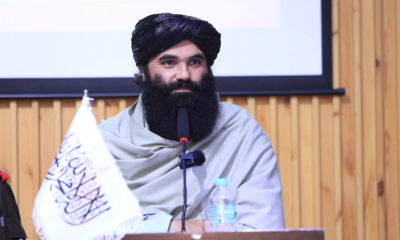
Khalifa Sirajuddin Haqqani, Minister of Interior Affairs, says the officials of the Islamic Emirate have repeatedly emphasized that the security of Afghanistan is the security of the region and the world.
Speaking at the graduation ceremony of the sixth professional police course, Haqqani stated that insecurity in the region is insecurity for the entire world.
He added: “Neighbors, the region, and the world must adopt strategies and policies that contribute to the stability of Afghanistan.”
Addressing the police officers, Haqqani said: “The foundation of this system was built on piety and sacrifice. Instead of promoting oneself, all attention should be given to the values of the system.”
He advised them: “We should raise our ethical capacity to such a level that our ethics influence the areas related to our duties.”
He further stated that officers equipped with Islamic belief and professional training are capable of providing valuable services to the people.
The Minister of Interior Affairs emphasized the role of the police in maintaining security, preventing crime, and strengthening the system, adding that the professionalization of the police is of fundamental importance for the country’s stability.
Sirajuddin Haqqani described the qualities of an Islamic police officer as piety, professionalism, and dedication, stressing that ensuring security is only possible through professional and disciplined police.
He also noted that education and ethical standards must be prioritized, because the improper behavior of individuals can damage the public’s trust in the system.
He urged the police to, with piety, good conduct toward the people, and law enforcement, uphold the principles of public service in their work, so that the trust and cooperation of the people are further strengthened.
Latest News
UN warns mass return of Afghans from Pakistan and Iran is pushing Afghanistan to the brink
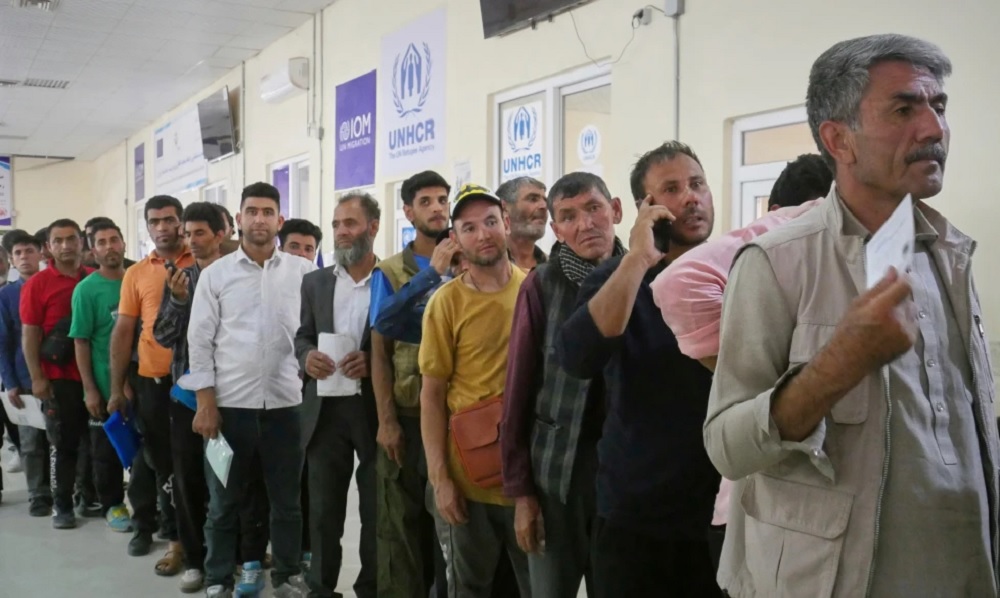
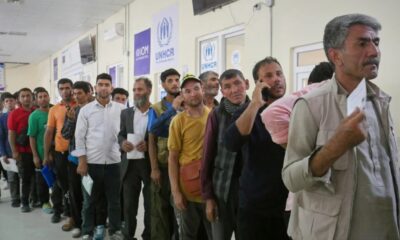
The mass return of Afghans from neighboring Pakistan and Iran is pushing Afghanistan to the brink, the U.N. refugee agency warned on Friday, citing an unprecedented scale of population movement.
According to UNHCR’s representative in Afghanistan, Arafat Jamal, 5.4 million Afghans have returned since October 2023, the vast majority from Pakistan and Iran. Speaking to reporters in Geneva via video link from Kabul, he said the pace of returns is overwhelming.
“This is massive, and the speed and scale of these returns has pushed Afghanistan nearly to the brink,” Jamal said.
The surge began after Pakistan introduced a sweeping crackdown in October 2023 targeting undocumented migrants, prompting many Afghans to leave voluntarily or face detention and deportation. Iran also tightened measures against migrants at roughly the same time.
Many of those returning had spent decades in exile — some born and raised in Pakistan with established businesses and family networks.
Last year alone, 2.9 million Afghans returned, marking the highest annual return to any single country ever recorded by UNHCR.
Jamal noted that Afghanistan was already grappling with a severe humanitarian crisis, economic fragility, and restrictions affecting women and girls. The sudden arrival of returnees — equal to about 12% of the population — has further strained services and resources. About 150,000 people have returned since the start of 2026.
Afghan authorities distribute basic assistance packages — including food, cash, SIM cards, and transport — but needs far exceed available support, particularly in a country still reeling from drought and two major earthquakes.
A November assessment by the UN Development Programme (UNDP) found that nine in ten families in high-return areas were resorting to negative coping mechanisms such as skipping meals, taking on debt, or selling their belongings.
Jamal also voiced concern about long-term sustainability, noting that while 5% of returnees say they plan to leave Afghanistan again, more than 10% know someone who already has.
“These decisions, I would underscore, to undertake dangerous journeys, are not driven by a lack of a desire to remain in the country, on the contrary, but the reality that many are unable to rebuild their viable and dignified lives,” he said.


Tahawol: Impact of continued sanctions on Afghanistan reviewed

Japan maintains direct contacts with IEA officials through Kabul Embassy

Exclusive interview with Kenichi Masamoto, Japanese Ambassador to Kabul

Saar: Discussion on Iran and US negotiations

Afghanistan’s security is security of region and world: Haqqani

Pakistan army orders evacuation of Tirah Valley, fears of mass displacement grow

Afghan traders sign deal to import pharmaceuticals from Bangladesh

AFC Futsal Asian Cup 2026: Day One Review

Over 5.2 million Afghans return from Iran, Pakistan in 2025; IFRC warns of growing crisis

Musk’s Starlink faces high-profile security test in Iran crackdown
Tahawol: Impact of continued sanctions on Afghanistan reviewed
Exclusive interview with Kenichi Masamoto, Japanese Ambassador to Kabul
Saar: Discussion on Iran and US negotiations

Exclusive interview with Naeemul Haq Haqqani, head of the government media center

Tawsia: IEA’s residency plan for foreign investors discussed
-

 International Sports5 days ago
IPL 2026: Franchise sales gather pace as global investors circle teams
-
 Sport3 days ago
Afghanistan’s semi-final hopes hang in the balance after two T20 World Cup defeats
-
 Business5 days ago
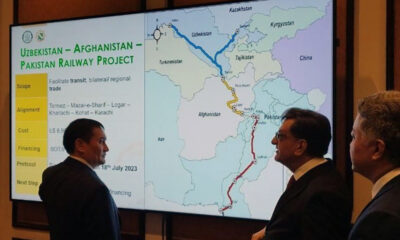
Uzbekistan approves feasibility study agreement for Trans-Afghan Railway
-
 Business3 days ago
Afghanistan signs 845MW Power deal with Azizi energy; Baradar meets company Chief to advance investment plans
-

 International Sports4 days ago
AFC Champions League Elite delivers key results as race for knockout stage intensifies
-

 International Sports5 days ago
Winter Olympics: Milan action continues with packed schedule on Tuesday
-
 Latest News5 days ago
Doha process private sector meeting highlights growth and coordination in Afghanistan
-
 Latest News3 days ago
Khalilzad questions whether Pakistan played a ‘double game’ in Afghanistan war